

There’s nothing worse than walking into your own home and being hit by an unpleasant smell that just won’t go away. Whether it’s lingering cigarette smoke, pet urine that’s soaked into the carpet, or a musty mildew scent creeping up from your basement, stubborn odors can make your Austin home feel uncomfortable—and even embarrassing when guests stop by.
The good news? You don’t have to live with it.
This guide covers everything Austin homeowners need to know about home odor removal, from quick DIY fixes you can try today to professional odor removal services that eliminate the problem at its source. If you’ve been fighting the same smells for weeks or months, you’ll learn exactly when it’s time to call in the pros.
Fast Help for Tough Home Odors in Austin
If you’re dealing with a serious odor problem right now, Lightspeed Restoration of Austin provides same-day, professional home odor removal inspections throughout Austin, TX. We don’t just cover up smells—we find and eliminate the source.
Specific odor types we handle include:
-
Cigarette and cigar smoke
-
Marijuana smoke
-
Pet urine and cat spray
-
Cooking grease and strong spices
-
Burned food and kitchen fire damage
-
Skunk odor
-
Sewage and drain smells
-
Mold and mildew
-
Post-fire and smoke damage
Here’s what most Austin homeowners discover the hard way: air fresheners, scented candles, and masking agents only create a temporary pleasant scent on top of the problem. The odor molecules remain, embedded in your walls, carpets, and upholstery. Within hours or days, the smell returns.
We remove odors at the molecular level using professional-grade equipment, including ozone generators, hydroxyl technology, HEPA air filtration, and enzymatic cleaners designed to address organic contaminants such as vomit, pet accidents, and sewage.
Call Lightspeed Restoration of Austin at 512-428-8309 for professional home odor removal throughout Austin and nearby communities.
Whether you’re a homeowner, renter, landlord, or real estate agent, we work with property managers, insurance companies, and real estate professionals on move-out/move-in cleanings and pre-listing odor problems. Removing tough odors before a showing or tenant move-in can make the difference between a quick sale and a property that sits on the market.
Why Does My Austin Home Smell? Common Odor Sources
Before you can effectively eliminate odors, you need to understand where they’re coming from. Central Texas homes face some unique challenges that can make your house smell less than fresh.
Common odor sources in Austin homes include:
-
Indoor smoking: Cigarette smoke and marijuana smoke penetrate porous materials like drywall, insulation, and soft surfaces, creating chemical smells that linger for years
-
Pet accidents: Pet urine and feces that soak through carpet into the pad and subfloor create persistent pet smells that vacuuming can’t touch
-
Cooking odors: Unvented cooking—especially fajitas, curry, and fried foods—leaves grease residue on walls, cabinets, and upholstered furniture
-
Refrigerator and freezer leaks: Spoiled food and condensation create bacteria that release foul-smelling compounds
-
Garbage disposals: Biofilm buildup in drains produces hydrogen sulfide (that rotten egg smell)
-
Musty crawlspaces and closets: Poor ventilation combined with Austin’s humidity creates the perfect environment for mold and mildew growth
Austin-specific issues that make odors worse:
Summer humidity in Central Texas regularly exceeds 70%, which accelerates mold growth in bathrooms, closets, and anywhere moisture gets trapped. After heavy storms, flooded garages and slab leaks can leave behind a persistent musty smell that indicates water damage.
The reality is that odors cling to porous materials—drywall, insulation, subfloor, couch cushions, and even your HVAC system. Opening windows and hoping for the best isn’t enough for long-term relief.
Accurately identifying the source is the critical first step our technicians take during an on-site odor assessment. Without finding the source, any treatment is just temporary.
How to Deodorize a Room Yourself (Step-by-Step)
Not every smell requires professional intervention. For mild, recent odors, here’s a basic DIY process you can try before calling us.
Quick deodorization checklist:
-
Ventilate the room by opening windows and doors for cross-airflow
-
Remove obvious sources like trash cans, spoiled food, or soiled items
-
Wash all bedding and linens in hot water with detergent
-
Wipe down hard surfaces, including counters, cabinets, and baseboards
-
Vacuum carpets and upholstery thoroughly, including under furniture
-
Clean or replace your HVAC filter (especially after heavy cedar pollen season or recent construction)
-
Wipe return air grilles to remove dust buildup
-
Run bathroom and kitchen exhaust fans for 20–30 minutes after cleaning
To remove home odors, you can use natural absorbents such as baking soda, white vinegar, or activated charcoal. These options are effective for neutralizing a variety of smells throughout your home.
For light, surface-level odors—such as yesterday’s fish dinner—try placing bowls of white vinegar or baking soda in the affected areas overnight. Baking soda is a natural odor absorber that can be used on carpets, shoes, and trash cans, while white vinegar neutralizes odors in the air and can be left in small bowls around the house. Coffee grounds can also absorb strong odors and are effective when placed in open containers around the home. Activated charcoal can absorb strong odors in enclosed spaces such as closets and drawers.
For quick odor neutralization, use a spray bottle to apply a solution of vinegar or a water-and-essential-oils mixture directly into the air or onto surfaces. Essential oil sprays can eliminate odors and leave behind pleasant fragrances when made with water and essential oils. Hydrogen peroxide spray is effective for tackling tough odors like pet urine and vomit.
Important limitation: These steps work for mild, recent odors. Persistent cigarette odors, pet urine that reached the subfloor, or moldy odors from water damage usually require professional treatment to eliminate.
Air It Out the Austin Way
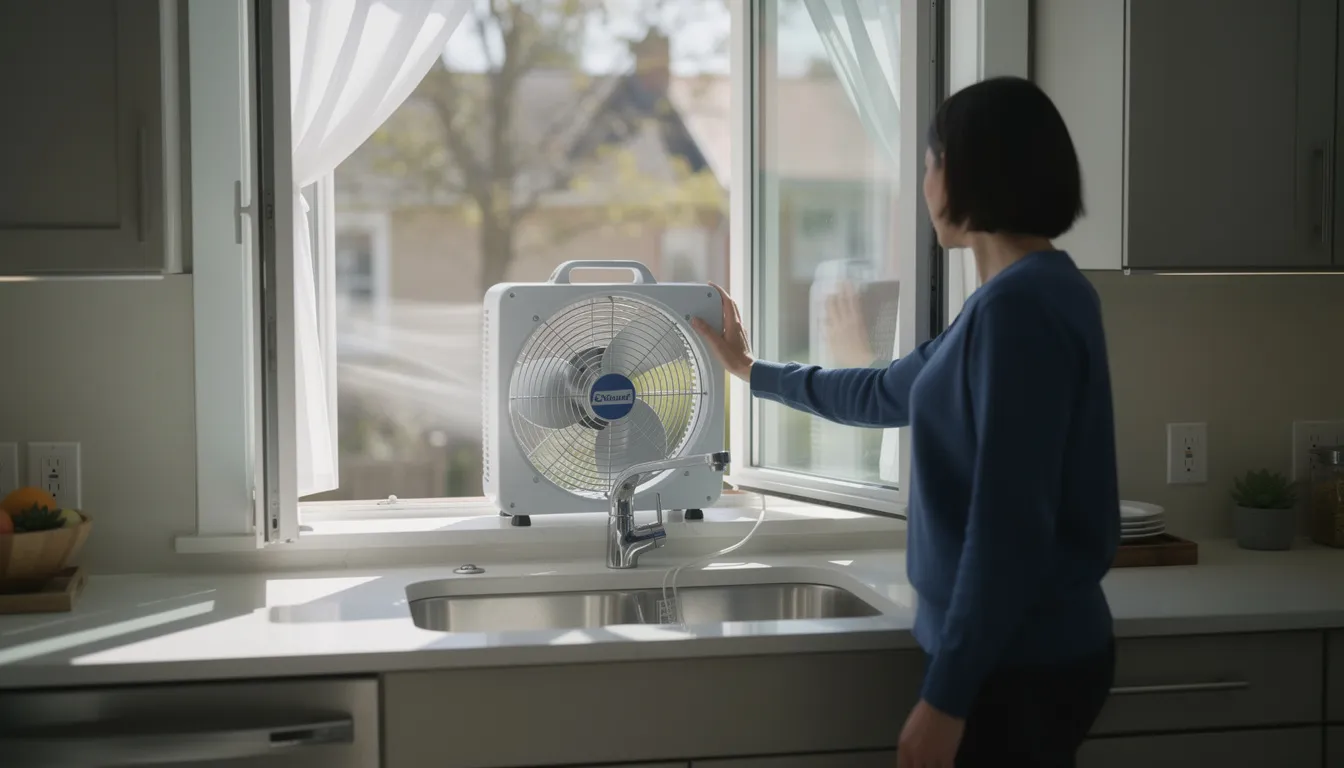
Proper ventilation is your first line of defense against household odors—but Austin’s climate requires some strategy.
-
Open opposite windows for cross-breeze circulation, ideally early in the morning or evening when outside air is cooler and less humid
-
Use box fans or ceiling fans to push stale air out and bring fresh air in, especially after cooking or a small smoke incident
-
Point fans outward in the room with the strongest odor to create negative pressure that draws fresh air through your whole house
When outdoor air won’t help:
On high-humidity or ozone-alert days in Austin, outdoor air can worsen odor problems—especially in basements, closets, and windowless rooms where moisture is trapped. On these days, focus on air circulation with an air purifier instead.
Quick Filter and Surface Refresh
These low-effort actions can make a noticeable difference in just a few hours.
|
Task |
Frequency |
Why It Matters |
|
Replace the HVAC filter |
Every 60–90 days (monthly with pets) |
Traps odor molecules and allergens circulating through your home |
|
Spot-clean soft surfaces |
Weekly or as needed |
Couches, rugs, and curtains trap pet and smoke odors |
|
Wash throw blankets and pillow covers |
Weekly |
These collect body oils, pet dander, and cooking residue |
|
Wipe kitchen cabinets and range hood |
Weekly |
Grease buildup is a major source of lingering cooking odors |
|
Clean backsplash with degreasing cleaner |
Monthly |
Splattered oils absorb and release smells over time |
Natural & DIY Home Odor Remedies (and Their Limits)
Austin homeowners often reach for natural solutions before calling a professional. Here’s what works, what doesn’t, and when each approach makes sense.
Popular DIY odor remedies:
|
Method |
Best For |
Limitations |
|
Baking soda on carpets |
Fresh pet accidents, light foot traffic odors |
Won’t reach odors in carpet pad or subfloor |
|
Baking soda in trash cans |
Ongoing odor control between cleanings |
Requires regular replacement |
|
White vinegar spray |
Light kitchen and bathroom smells, hard surfaces |
Strong smell while drying; won’t penetrate porous materials |
|
Coffee grounds |
Refrigerator and pantry odors |
Temporary absorption; needs frequent replacement |
|
Orange peels and citrus |
Fresh, temporary room freshening |
Purely cosmetic; no actual odor elimination |
|
Lavender essential oil or other essential oil sprays |
Short-term air freshening |
Masking only; deep contamination remains |
|
Wax melts and diffusers |
Making a room smell good temporarily |
Zero odor elimination; just layering scent on top of smell |
When natural methods work well:
-
Fresh, surface-level odors less than 24–48 hours old
-
Small rooms with good ventilation
-
Non-toxic, water-soluble spills on hard surfaces
-
Light cooking odors that haven’t penetrated fabrics
When natural methods fall short:
-
Long-term smoke houses where nicotine tar has soaked into the walls
-
Heavy pet damage where urine has reached the subfloor
-
Mold contamination from water damage
-
Fire damage with soot and smoke throughout the HVAC system
-
Any situation where you’ve already tried DIY methods and the smell comes back
When home remedies only “help a little” or the smell returns in a day or two, that’s your sign it’s time to call Lightspeed Restoration of Austin.
Air Purification for Lasting Freshness
Maintaining a truly odor-free environment in your Austin home goes beyond surface cleaning—air purification is a game-changer for eliminating unpleasant odors and keeping your indoor air quality at its best. An air purifier works by capturing and filtering out odor molecules, dust, and allergens that can make your house smell less than fresh. Models like the Rabbit Air Purifier even offer customizable filters, such as green tea filters, to infuse your air with a clean, natural scent while tackling lingering odors.
For the best results, pair your air purifier with natural odor absorbers like baking soda. Place bowls of baking soda in rooms prone to smells, such as kitchens or laundry areas, to help neutralize odors between filter changes. Essential oils, especially lavender, can be added to diffusers to provide a pleasant scent that not only masks odors but also complements your odor elimination efforts.
Don’t forget to change your air filters regularly and consider using a dehumidifier, especially during Austin’s humid months, to prevent musty odors. By combining these strategies, you’ll keep your home smelling fresh, clean, and inviting—no matter what life (or the Texas weather) throws your way.
Professional Home Odor Removal by Lightspeed Restoration of Austin
Our odor removal services are specifically designed for Austin homeowners, renters, property managers, and real estate agents who need lasting results—not another can of spray.
What makes professional odor removal different? We don’t just mask odors. We locate and treat the underlying contamination, whether it’s embedded in carpet pad, drywall, insulation, ductwork, or contents like furniture and clothing. Our process uses the best odor eliminator technology available, with advanced solutions that neutralize even the toughest odors for comprehensive home odor removal.
Main odor situations we handle:
-
Tobacco and marijuana smoke (including overpowering whole-house contamination)
-
Pet urine, feces, and cat spray
-
Dead animal and pest odors
-
Sewage backups and drain issues
-
Garbage and organic decay
-
Mold and mildew from water damage
-
Post-fire, soot, and kitchen burn odors
-
Chemical smells from spills or hoarding situations
Our technicians are trained in industry-standard deodorization protocols and in water, fire, and mold restoration. We use commercial-grade equipment that’s not available at your local hardware store—including hydroxyl generators that cansafely operate in occupied spaces while oxidizing odor compounds 40,000 times faster than traditional methods. Bio-Shocker is a home deodorizer that uses chlorine dioxide (ClO2) to eliminate odors at their source, while Zero Odor is a multipurpose odor eliminator suitable for various surfaces and fabrics.
Ready for a fresh start? Call us for a free on-site odor inspection and estimate in Austin. We typically schedule same-day or next-day appointments.
Odor Detection and Source Removal
Here’s something most homeowners don’t realize: you can run an ozone generator for days, but if you don’t remove the source first, the odor will come right back.
That’s why our process always starts with systematic detection.
Tools and techniques we use:
-
Moisture meters to identify hidden water damage, feeding mold growth
-
Thermal cameras to locate wet spots behind walls or under flooring
-
Room-by-room inspection for soaked carpet pads, pet spots, and contaminated wall cavities
-
Ductwork inspection for smoke residue or biological growth
Common source removal tasks:
-
Pulling up contaminated carpet and pad that’s holding pet urine
-
Removing saturated insulation from crawlspaces or attics
-
Disposing of spoiled food from hidden areas (behind appliances, in walls)
-
Clearing rodent nests from attics, crawlspaces, and wall voids
-
Cutting out severely smoke-damaged or mold-damaged drywall
We protect unaffected areas during work, properly bag and dispose of contaminated materials, and follow local Austin/Travis County hazardous waste disposal guidelines.
How We Actually Remove Odors (Not Just Cover Them)
After source removal and deep cleaning, we deploy professional deodorization technology tailored to your specific situation.
Our odor elimination toolkit includes:
-
Enzyme treatments: Break down organic odors from pet urine, vomit, and biological contamination at the molecular level through protein hydrolysis
-
HEPA air scrubbers: Capture 99.97% of particles down to 0.3 microns, removing airborne odor molecules and allergens
-
Thermal fogging or ULV fogging: Disperse odor counteractants into hard-to-reach areas like wall cavities, HVAC ducts, and upholstery fibers
-
Ozone generators: Oxidize odor compounds into odorless CO2 and water (used in unoccupied spaces only)
-
Hydroxyl generators: Safe for occupied spaces; use UV light to create hydroxyl radicals that destroy VOCs without harmful byproducts
Each treatment plan is customized. A heavy-smoking condo near downtown Austin needs completely different treatment than a single pet accident in a Round Rock bedroom. We assess the contamination level, material types, and square footage before recommending a protocol.
All products and methods are selected to be safe for homes when used by trained professionals. We provide clear re-entry and safety guidelines so you know exactly when your home will be ready.
Cleaning, Sealing, and Restoring Surfaces
Once odor molecules and contaminants are addressed, we thoroughly clean and restore affected surfaces to ensure the smell doesn’t return.
Standard surface treatment includes:
-
Deep cleaning walls, ceilings, trim, floors, and cabinets with professional detergents
-
Applying odor neutralizer products that continue working after we leave
-
Cleaning inside cabinets, closets, and storage areas is often overlooked in DIY attempts
-
Washing or dry-cleaning salvageable soft goods
For extreme contamination:
In cases of severe smoke damage or long-term pet urine saturation, cleaning alone isn’t enough. We may recommend sealing certain surfaces—such as subfloors, bare drywall, or concrete—with an odor-blocking primer before repainting or recarpeting.
The goal is a home that smells neutral upon completion—not perfumed, not “freshened”—just clean and odor free.
Room-by-Room Home Odor Removal Strategies
Different rooms face different odor challenges. Here’s what to look for and address throughout your Austin home.
Kitchen
The kitchen is ground zero for cooking odors, grease buildup, and organic decay.
Common issues and solutions:
|
Problem |
DIY Fix |
When to Call Pros |
|
Grease buildup on the cabinets/hood |
Degrease with dish soap or commercial cleaner weekly |
Smoke damage from a cooking fire |
|
Trash and disposal smells |
Ice and lemon in disposal; clean the can weekly |
Sewage smell from the drain issues |
|
Burned food odors |
Vinegar-baking soda paste on surfaces; steam clean fabrics |
Fire damage to cabinets or appliances |
|
Litter box nearby |
Move box; clean daily; use enclosed box |
Cat urine soaked into the subfloor |
Pro tip: Clean your exhaust hood filter monthly. A clogged filter recirculates grease particles instead of venting them, making your whole house smell like last week’s cooking.
Living Room and Bedrooms
Soft surfaces in living spaces absorb smoke, pet dander, and body oils over time.
Focus areas:
-
Upholstered furniture and couch cushions: Vacuum weekly; wash removable covers monthly; spot-treat stains immediately
-
Carpets and rugs: Vacuum at least twice weekly; professional cleaning every 12–18 months
-
Curtains and drapes: Wash or dry-clean seasonally; these trap cigarette smoke and cooking odors
-
HVAC return vents: Clean grilles monthly; odors from contaminated ducts circulate through returns
When to call professionals: If pet smells or cigarette smell persist despite regular washing and vacuuming, the contamination has likely penetrated to the pad, subfloor, or wall materials.
Bathrooms and Laundry Rooms
Moisture plus poor ventilation equals mildew. It’s that simple.
Common bathroom odors and fixes:
-
Mildew on grout and caulk: Clean with bleach solution; improve ventilation; run exhaust fan during and 30 minutes after showers
-
Musty towels and hamper: Wash towels in hot water with vinegar; don’t let wet clothes sit in the washer
-
Sewer gas smell: Usually indicates a dry P-trap or plumbing issue—run water in unused drains weekly; call a plumber if smell persists
Water damage behind walls or under flooring requires professional drying and mold remediation. A persistent musty smell in the bathroom often indicates hidden moisture that won’t resolve on its own.
Garage, Attic, and Crawlspaces
These areas collect chemical odors, automotive smells, and pest problems.
|
Space |
Common Odors |
Professional Help Needed |
|
Garage |
Gasoline, paint, lawn chemicals |
Major spills, fire damage, and flooding |
|
Attic |
Rodent urine/feces; dead animals; musty insulation |
Wildlife removal; contaminated insulation replacement |
|
Crawlspace |
Mold, standing water, sewage leaks |
Water damage remediation; vapor barrier installation |
Rodent and wildlife contamination almost always requires expert remediation. The combination of urine, feces, and nesting materials creates biohazard conditions that need proper protective equipment and disposal.
Fire Damage Restoration and Smoke Odor Solutions
Fire damage can leave behind some of the toughest odors to eliminate, with smoke and soot penetrating deep into both soft surfaces and hard surfaces throughout your home. These unpleasant odors don’t just linger—they can make your entire living space feel unwelcoming. That’s where professional odor removal services come in.
Specialists like Lightspeed Restoration use advanced techniques to eliminate smoke odors at the molecular level. Their process targets the source of the odor, using methods such as oxidation and pairing agents to neutralize odor molecules rather than merely covering them up. This approach ensures that even the most stubborn smoke and fire-damage odors are eliminated from upholstered furniture, carpets, walls, and other affected surfaces.
Acting quickly is key—smoke odors become harder to remove the longer they sit. Fire damage restoration experts will thoroughly clean and treat both soft and hard surfaces, ensuring your home smells fresh and clean. If you’re struggling with tough odors after a fire, don’t wait: professional odor removal is the most effective way to restore your home to a truly odor-free environment.
Prevention: Keeping Odors Out of Your Austin Home
The best way to keep your Austin home smelling fresh and clean is to stop unpleasant odors before they start. Prevention is all about regular routines and wise choices. Start by cleaning surfaces regularly and ensuring proper ventilation—open windows when weather permits, and use exhaust fans to keep air moving and prevent musty odors from settling in.
Natural odor absorbers like baking soda and white vinegar are your best friends for everyday odor control. Sprinkle baking soda in trash cans, on carpets, or inside the litter box to neutralize pet smells and other scents. Wipe down kitchen and bathroom surfaces with a water-and-white-vinegar solution to break down odor molecules left by strong spices or everyday use.
For persistent pet smells or litter box odors, try an odor eliminator like Bio-Shocker, which uses chlorine dioxide to destroy odor molecules at the source. Essential oils, such as lavender or tea tree oil, can add a pleasant scent to your home without relying on harsh chemicals.
Finally, take out the trash regularly and wash soft surfaces such as couch cushions and throw blankets to prevent persistent odors from building up. By following these simple steps, you’ll create a home that not only looks clean but smells fresh and inviting every day.
When DIY Isn’t Enough: Call the Austin Odor Pros
Sometimes, no amount of baking soda, vinegar, or essential oil will solve the problem. Here are the clear signs it’s time for professional odor removal:
Call Lightspeed Restoration of Austin when:
-
❌ The odor has been present for months or years
-
❌ The smell returns within a day or two after cleaning
-
❌ You’re preparing a home for sale or new tenants
-
❌ There was a fire, flood, or significant water damage
-
❌ The smell is making occupants feel unwell (headaches, nausea, respiratory issues)
-
❌ You’ve already tried multiple DIY methods with no lasting improvement
-
❌ The source involves pet urine in carpet pad, smoke in walls, or mold in HVAC
-
❌ A litter box or pet accident area still smells after deep cleaning
We work directly with homeowners, landlords, property managers, and, when applicable, insurance companies. Many odor situations are covered under homeowner’s insurance, especially those resulting from water damage, fire damage, or sewage backups.
Our service area includes:
Austin and the surrounding neighboorhoods.

Get Your Austin Home Smelling Fresh Again
Living with stubborn smells isn’t just unpleasant—it affects your quality of life, your home’s value, and even your health. Indoor air can be 2–5 times more polluted than outdoor air, and persistent odors often indicate underlying contamination that DIY methods simply can’t reach.
Whether you’re dealing with a cigarette smoke-saturated rental, pet urine that’s soaked through to the subfloor, or musty mold smells after Austin’s latest flooding, Lightspeed Restoration of Austin has the professional equipment and expertise to get rid of the problem—not just cover it up.
Call Lightspeed Restoration of Austin at 512-428-8309 today to schedule your professional home odor removal service and get your Austin home smelling clean and fresh again.
We offer free on-site odor inspections, same-day and next-day scheduling, and honest assessments of what it will take to achieve an odor free environment. Stop fighting the same smells week after week—let the Austin odor pros handle it.