

Austin's humid subtropical climate, combined with increasingly severe storm seasons, makes mold one of the most persistent threats to local homes. Here's what every Austin homeowner needs to know about professional mold cleanup-from recognizing the first warning signs to completing a full remediation and keeping mold from coming back.
Fast Help for Mold in Your Austin Home
If you've recently dealt with water damage, noticed discoloration on your walls, or can smell mold in certain rooms, the clock is already ticking. Mold can spread within 72 hours after water damage, and Austin's combination of high humidity and frequent heavy rains accelerates that timeline. The spring and fall storm seasons of 2024–2025 drove a surge in water intrusion calls across Travis County, and the trend hasn't slowed-mid-June 2026 flooding alone closed over 100 road crossings and dumped six inches of rain in parts of the metro area.
Lightspeed Restoration of Austin offers emergency services for suspected mold in your home or business. We serve only Austin, TX, and nearby communities in Travis County, so every Austin property we work on gets a team that knows Central Texas construction, weather patterns, and local regulations.
Call 512-428-8309 now if you see visible mold, smell a musty odor, or have recently had water damage in your Austin home.
Professional mold cleanup reduces health risks, protects building materials from structural damage, and prevents future mold problems through proper moisture control. The earlier you act, the less extensive-and less expensive-the work tends to be.

Health Risks and Warning Signs of Mold in Your Austin Property
Mold growth directly degrades indoor air quality. Mold spores and microbial volatile organic compounds become airborne and circulate through your HVAC system, especially during Austin's hot months when homes stay sealed for air conditioning. Certain indoor molds can produce allergens and irritants that affect even healthy adults, and the risks compound with prolonged exposure.
Mold can cause severe respiratory issues and allergies. Specifically, mold can cause upper respiratory issues such as coughing and wheezing, as well as sinus congestion, headaches, and skin irritation. Prolonged exposure to mold can aggravate asthma symptoms, and individuals with compromised immune systems or chronic lung conditions face even greater danger. Mold can spread in 72 hours or less, turning a small moisture event into a significant mold infestation before occupants even realize something is wrong.
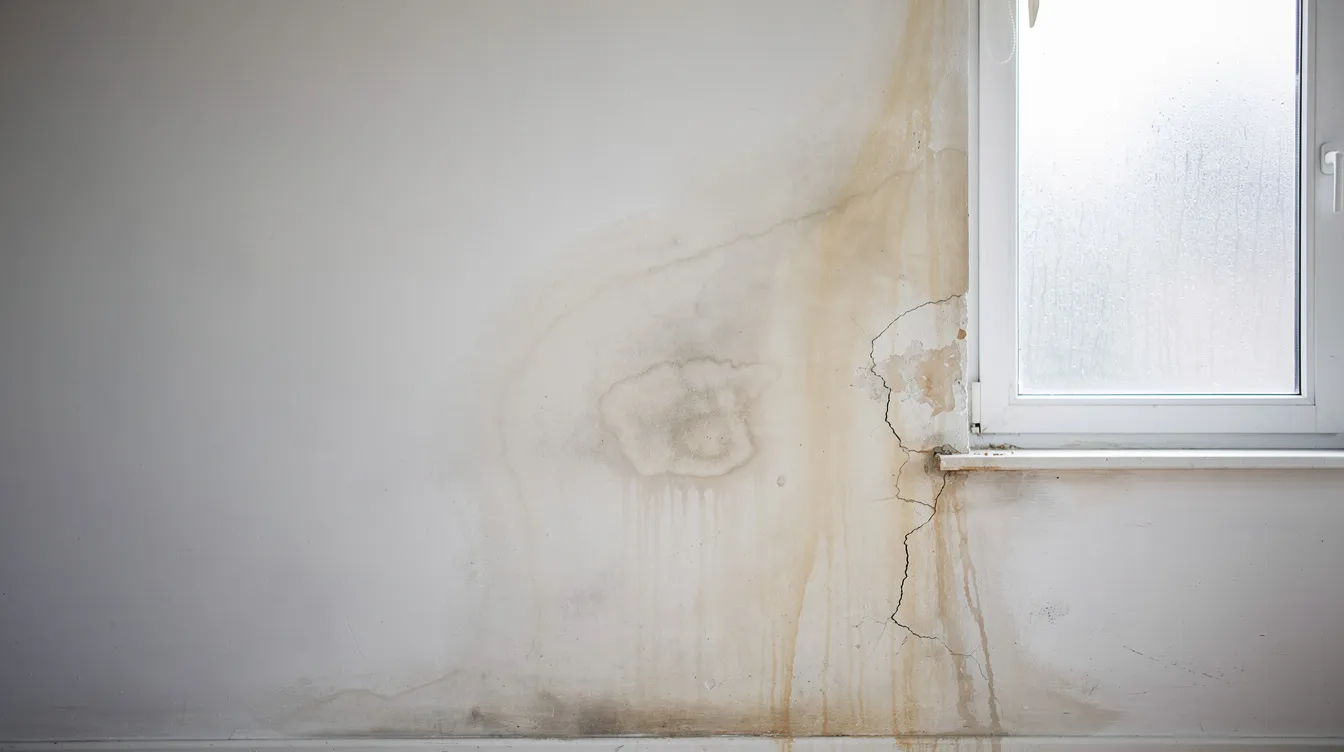
Watch for these signs of mold in your Austin home:
-
A persistent musty odor in specific rooms, especially after the AC cycles off or after rain
-
Dark staining or spotting on drywall or ceilings, often green, black, or brown
-
Warped or rotting baseboards and trim
-
Bubbling, peeling, or blistering paint or wallpaper
-
Frequent condensation on windows, particularly in rooms with limited airflow
-
Difficulty breathing or recurring allergy symptoms that improve when you leave the property
Visible mold growth on a surface can signal a much larger mold problem hidden behind walls, under flooring, or inside dark areas like cabinets and closets. If occupants in the Austin home consistently feel better when away from the property, that pattern alone can indicate an indoor mold contamination issue.
If any of these warning signs are present, call 512-428-8309.
Professional Mold Inspection for Austin Homes
A thorough mold inspection is the first critical step in any professional mold cleanup project. Mold inspection and mold testing identify visible mold and moisture sources, establish the boundaries of contamination, and inform the remediation plan. Professional mold remediation companies use specialized equipment for inspection and assessment, including digital moisture meters, infrared thermal cameras, and hygrometers to detect moisture that isn't visible to the naked eye.
While Lightspeed Restoration of Austin is a licensed Mold Remediation Company, we can refer you to licensed mold assessors who can inspect the property, test for mold, and develop a mold remediation protocol if needed. Inspectors perform a room-by-room visual assessment, checking walls, ceilings, floors, bathrooms, kitchens, attics, and HVAC system components. There are common Austin-specific problem zones: slab-on-grade foundations prone to slab leaks, crawl spaces in older Austin properties, and areas affected by local flooding. Mold inspections help determine the extent of contamination so that cleanup is scoped accurately-not too little, not unnecessarily aggressive.
Under Texas law (Occupations Code §1958), assessment and remediation must be performed by separate parties on licensed projects. Mold inspection and testing should be conducted before hiring a remediation company, and certified inspectors should follow Texas Mold Assessment and Remediation Rules throughout the process. For larger areas of visible mold growth, ongoing health complaints, or real estate transactions, we recommend third-party mold testing by a Texas-licensed Mold Assessment Consultant to produce an independent protocol.
Our Step-by-Step Professional Mold Cleanup & Remediation Process
Professional mold removal goes far beyond wiping down moldy surfaces. A successful mold remediation project addresses both visible mold and the underlying moisture problems that caused it. Learn more about our professional mold clean up services and how the process protects your property from cross-contamination and recurring mold growth. Our entire mold remediation process follows professional protocols and standards, including IICRC S520 and EPA mold remediation guidance.
Here's how the remediation process works, stage by stage:
1. Assessment and damage mapping. We review the mold remediation protocol from the initial mold inspection, speak with the assessor, and put together a mold remediation work plan, along with an estimate of the remediation cost.
2. Containment. We contain affected areas to prevent cross-contamination during mold cleanup. We install 6-mil polyethylene plastic barriers, seal doorways and vents, and isolate HVAC system returns. We establish full negative-pressure containment to prevent cross-contamination and prevent mold spores from migrating into clean rooms. Containment prevents mold spores from spreading during remediation-this is one of the most important steps.
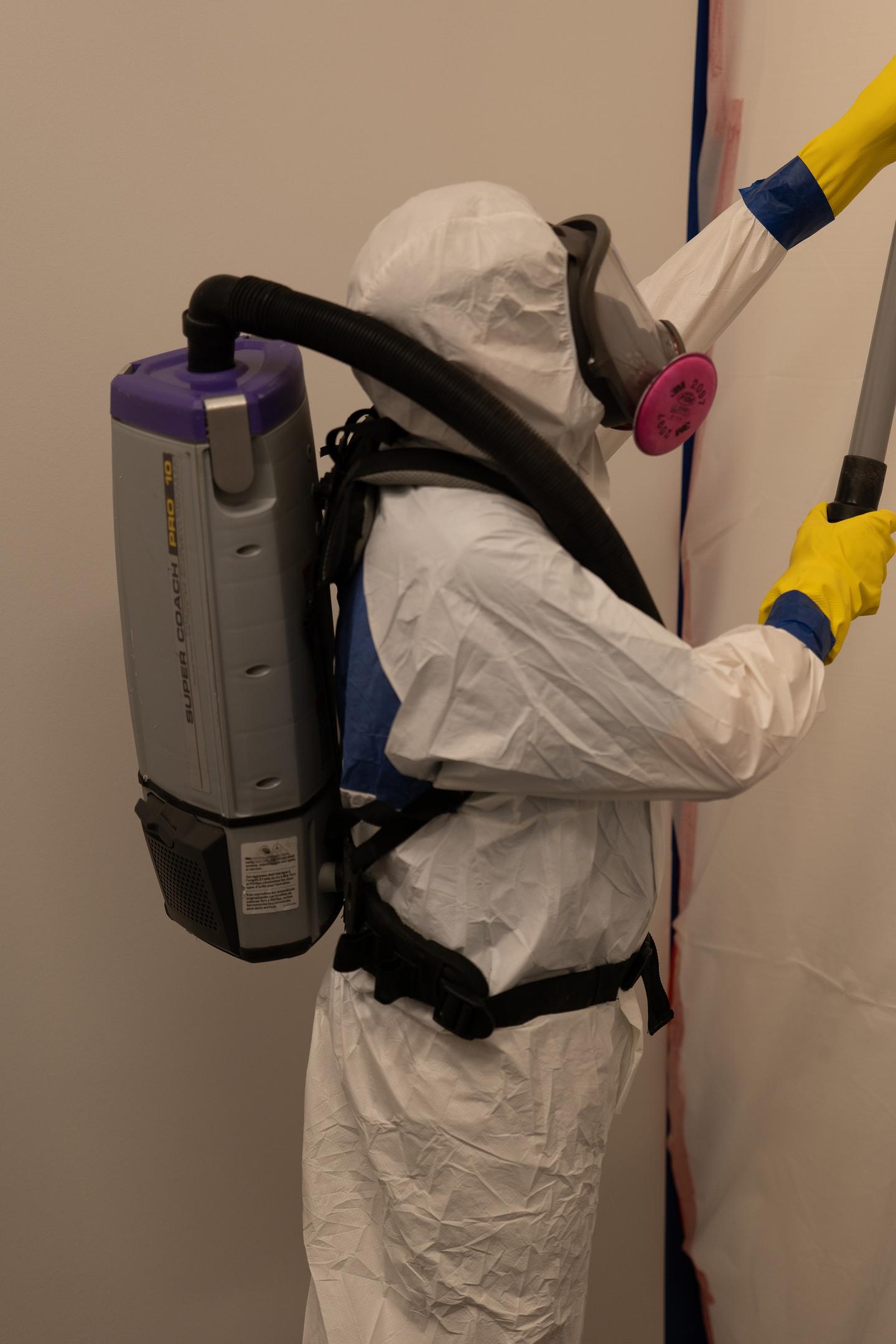
3. Air filtration. HEPA filtration systems capture airborne mold spores during remediation. We run air scrubbers continuously inside containment zones, and HEPA vacuums remove settled spore-laden dust from affected surfaces and surrounding areas. Air scrubbers and HEPA vacuums capture microscopic mold spores that are invisible to the naked eye.
4. Mold removal. Mold removal may involve discarding contaminated materials, such as drywall, wet insulation, and damaged baseboards that can't be salvaged. Semi-porous materials, such as wood framing, are cleaned by scrubbing or media blasting. Non-porous surfaces are cleaned with detergent, and EPA-registered antimicrobial solutions are applied after the physical removal of mold growth.
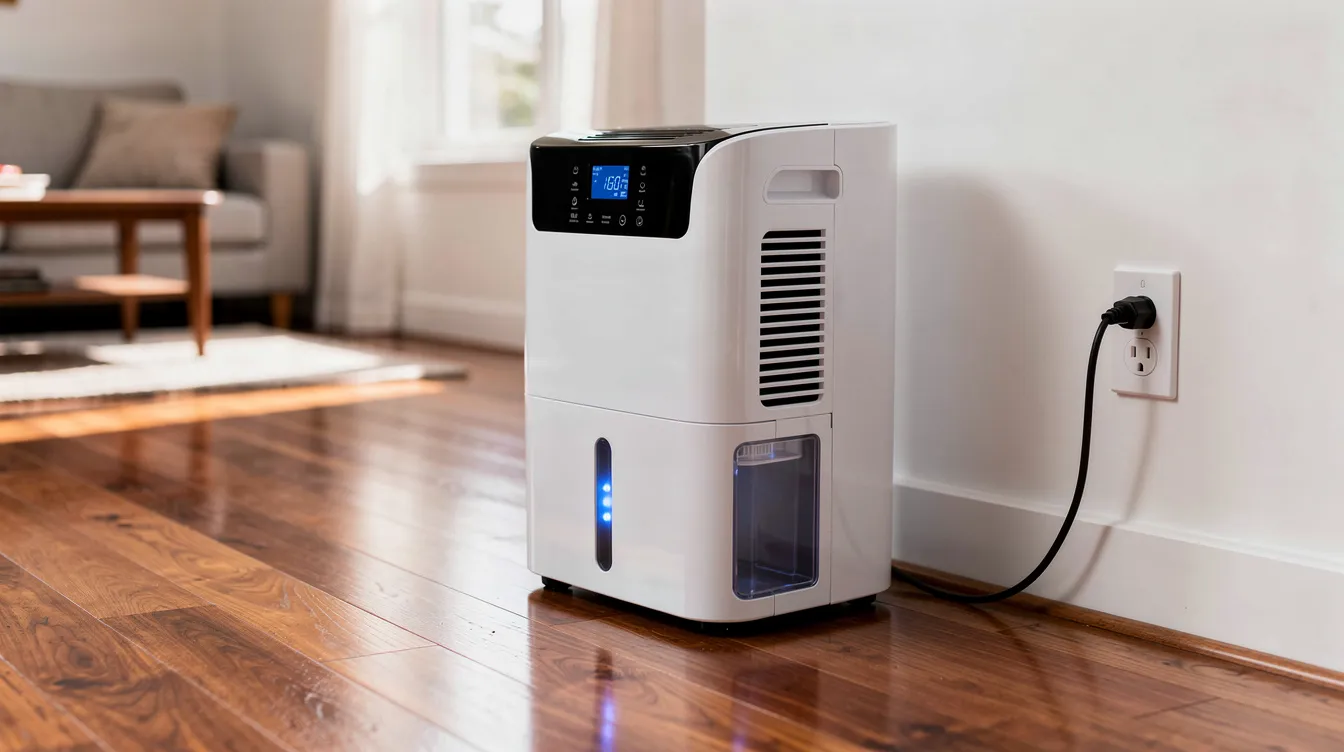
5. Drying. The drying process uses commercial dehumidifiers to bring moisture levels in building materials back to safe thresholds-typically below 15% moisture content for drywall and wood. We monitor readings daily until conditions stabilize. Hidden moisture pockets must be addressed, not just surface dampness.
6. Detailed cleaning. After drying, we perform a thorough cleaning process known as a HEPA sandwich. This involves HEPA vacuuming all surfaces, followed by wet wiping to remove any remaining mold residues, and then HEPA vacuuming all surfaces again. This multi-step approach ensures the removal of microscopic mold spores and dust, leaving the area clean and safe.
7. Clearance testing. A final test is performed by a licensed Mold Assessor to confirm that mold contamination has been addressed and levels have returned to normal.
What to Expect During Mold Cleanup in Your Austin Home
Mold remediation typically takes 5–10 days to complete for a standard residential project. This includes time to set up containment, perform a demolition, clean, and perform clearance testing.
During work, we protect non-affected rooms with floor coverings and dust barriers to minimize disruption. Families can often remain in unaffected parts of the home, though we may recommend avoiding contained areas, especially if the HVAC system is temporarily shut down.
When the mold contamination is specific to HVAC systems, we refer that part of the project to AC companies that specialize in mold remediation of HVAC systems and ductwork. Without fixing the root cause, any mold remediation services are temporary.
Common Causes and Hidden Locations of Mold in Austin, TX Homes
Austin's summers regularly reach 95°F, and morning humidity frequently exceeds 80%. Combine that with heavy rains during spring and fall storm seasons, and you have a recipe for persistent moisture problems inside homes and businesses across the metro.
Common local causes of mold issues include:
-
Storm-related roof leaks during spring and fall thunderstorms
-
Overflowing AC condensate drain pans during peak heat waves
-
Plumbing leaks in slab foundations, especially in Austin neighborhoods built in the 1980s–2000s
-
Flash flooding that saturates foundation perimeters and seeps into flooring
-
Appliance overflows from washing machines and dishwashers
Mold often hides in the ductwork or behind walls, making it easy to miss during a casual inspection. Other hidden locations include under vinyl or laminate flooring (particularly over concrete slabs), inside kitchen sink cabinets, in crawl spaces, around west-facing windows where thermal expansion creates small gaps, and beneath roof sheathing in poorly ventilated attics.
Mold requires moisture to grow, and mold problems often follow water damage that wasn't properly dried. A DIY cleanup after a minor appliance leak, for example, can leave enough residual moisture for mold to colonize within days. If you've found mold in one area, there's a reasonable chance that mold has already spread to adjacent cavities.
For early prevention, use bathroom exhaust fans during and after showers, keep indoor humidity under 50%, and inspect attics, water heaters, and plumbing connections annually. After major rain events in Austin or seasonal HVAC changeovers, check vulnerable spots for dampness.
Why Choose Lightspeed Restoration of Austin for Mold Remediation
Lightspeed Restoration of Austin is a local, Austin-only provider focused entirely on Central Texas homes and businesses. We don't spread our crews across a massive service area-our properly trained technicians know Austin construction, Austin weather, and Austin-specific mold challenges inside and out.
Here's what sets our mold remediation services apart:
-
Certifications and training aligned with current IICRC standards for professional mold remediation and water damage restoration
-
Capability to handle everything from small closet-sized mold issues to large multi-room mold damage from major leaks or flooding
-
Detailed documentation of affected areas, moisture readings, and the full scope of mold cleanup to support insurance questions
-
Quality service built on clear communication, tidy job sites, and respect for your personal belongings
Companies should provide clear communication and documentation of remediation steps, and that's exactly what we deliver at every stage-from the first phone call through the final walkthrough.
For professional mold cleanup and Austin mold remediation tailored to your Austin property, call Lightspeed Restoration of Austin at 512-428-8309 today.
Preventing Future Mold Growth in Your Austin Property
Long-term success after a safe mold removal project depends on controlling moisture and humidity levels inside your home. Professional mold inspections can prevent future mold growth by catching moisture issues early, but daily habits matter just as much.
Preventative measures for Austin homeowners:
-
Use dehumidifiers to reduce humidity levels during peak humidity months (April through October)
-
Schedule annual HVAC maintenance and regularly clean AC condensate drain lines
-
Inspect areas prone to moisture regularly-under sinks, around water heaters, behind washing machines, and in attics after heavy storms
-
Fix leaks promptly to prevent mold growth; even a slow drip can saturate drywall within days
-
Act immediately after any new water event-roof leak, pipe burst, appliance failure-and begin drying within 24–48 hours to prevent mold growth from taking hold
-
Use exhaust fans in bathrooms and kitchens to manage indoor humidity
Lightspeed Restoration of Austin can provide follow-up visits or periodic mold inspections for properties with a history of moisture problems. With professional mold cleanup and smart prevention steps, Austin homeowners can safely eliminate the conditions that allow mold to thrive and maintain a healthier indoor environment for years to come.
Ready to Schedule Professional Mold Cleanup in Austin, TX?
If you suspect mold growth, have recently experienced water damage, or simply want peace of mind about your home's air quality, don't wait. We offer licensed mold remediation, and we can refer you to a licensed mold assessor who can inspect your property, test for mold, and develop a mold remediation protocol for us to execute.
Calling early can reduce overall mold damage, limit health risks, and often lower total repair costs. Every day of delay gives mold more time to spread quickly through wall cavities, flooring, and ductwork.
Call Lightspeed Restoration of Austin at 512-428-8309 to schedule your mold inspection or emergency mold removal in Austin, TX.