

When water hits your floors in Austin, the clock starts immediately. Here's everything you need to know about water damage floor repair-and why acting fast can save you thousands.
Fast Help for Water Damaged Floors in Austin
Austin homeowners deal with water damage from plumbing leaks, AC condensate line failures, and flash flooding more often than most people realize. A storm pushes water through a threshold. A leaky pipe drips behind the dishwasher for days. A burst pipe sends gallons across the living room in minutes. Water damage can cause wood floors to cup or warp, and it can weaken flooring materials and structure faster than you'd expect.
Even a small dishwasher or refrigerator leak can ruin hardwood floors and the subfloor beneath them if ignored for 24 to 48 hours. Mold can grow within 24–48 hours after water exposure, meaning the window to act is narrow. Water damage to flooring requires immediate action to prevent mold growth, and every hour of delay makes restoration harder and more expensive.
Lightspeed Restoration of Austin specializes in repairing water damaged floors across every material-hardwood, laminate, carpet, tile, and subfloors. If you see cupping, buckling, or wet spots on your wood floors, call 512-428-8309 right now.
Call for help if you notice:
-
Visible standing water on any floor surface
-
A musty odor near baseboards or in a specific room
-
Warping, buckling, or soft spots on wood floors
-
Water stains spreading along edges or seams
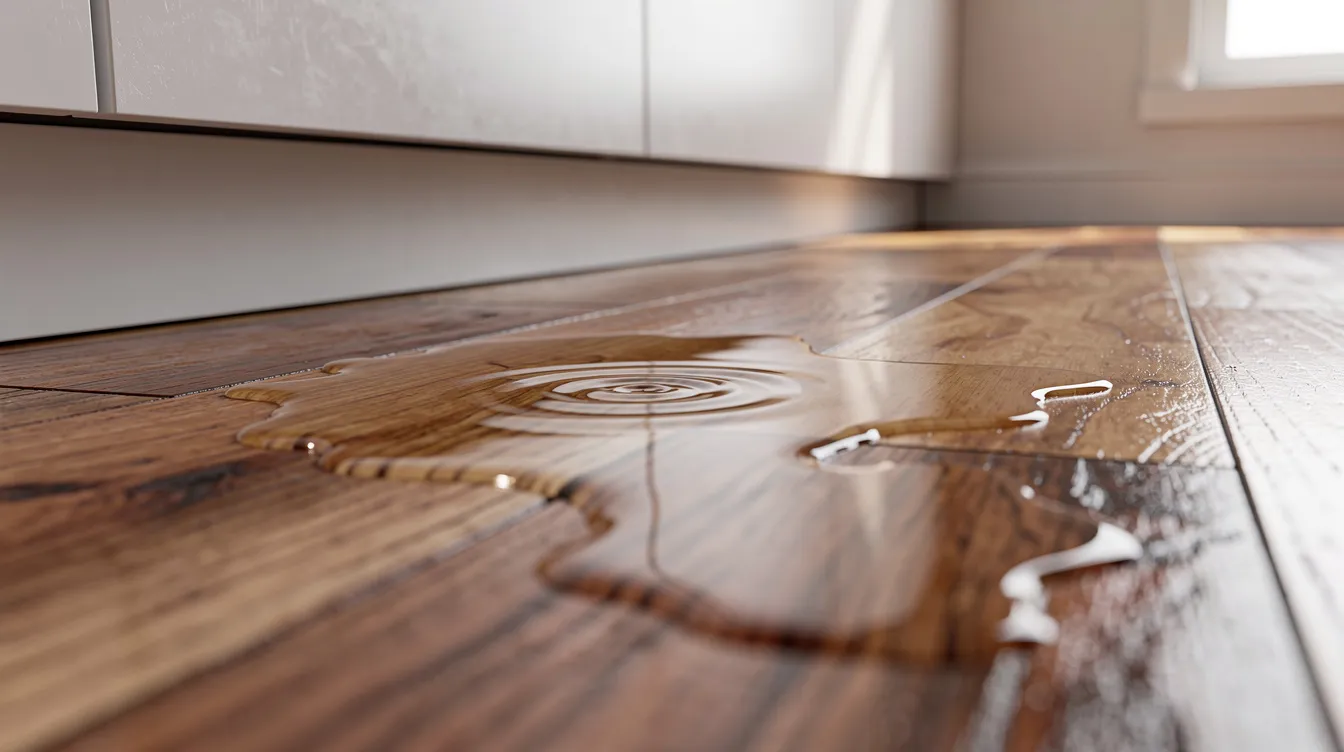
How to Tell if You Have Water Damage Under Your Floors
In Austin's humidity, hidden moisture underneath your floors can trigger mold growth and compromise structural integrity within 24–72 hours. Visible discoloration on floors indicates potential water damage, but the obvious signs aren't always the first to appear. Various flooring materials respond differently to water exposure and damage, so you need to know what to look for across different surfaces.
Obvious signs of water damaged floors:
-
Dark spots or stains spreading on hardwood floor surfaces
-
Surface ripples or cupping where board edges rise higher than the middle
-
Soft or spongy spots when you walk across the floor
-
Peeling or blistering finish on hardwood
-
Discoloration at doorways or near appliances
Subtle clues that are easy to miss:
-
A musty smell near baseboards, especially in interior corners
-
Squeaky boards that recently appeared without explanation
-
New gaps between planks that widen over a few months
-
Tile or "waterproof" visible flooring that looks fine on the surface but has a wet subfloor underneath
Check around refrigerators, sinks, water heaters, and exterior doors after heavy rain. Slow leaks in these areas are the most common culprits in Austin homes. Lightspeed Restoration of Austin can perform moisture inspections with professional meters to confirm hidden water damage before it spreads further.
The Most Important Step: Stop the Water and Protect the Area
Controlling the source is the most important step before any floor repair or drying can succeed. Until the water stops flowing, everything else is temporary.
Concrete actions to take immediately:
-
Shut off the main water valve after a burst pipe or plumbing failure
-
Turn off the affected appliance-dishwasher, washing machine, ice maker
-
Mop up or wet-vacuum any standing water from the surface
-
Move furniture and rugs off water damaged wood floors to prevent staining and reduce weight on softened boards
Standing water should be removed immediately to prevent damage, and water should be extracted quickly to prevent permanent damage to flooring materials. Avoid walking heavily across affected areas.
When to step back and call a professional:
-
The water is contaminated-backed-up sewage, storm runoff, or street flooding
-
Electrical outlets or switches are wet or submerged
-
The extent of damage covers an entire floor or multiple rooms
Before cleanup begins, take photos and short videos for insurance documentation. Documenting damage helps with insurance claims significantly, especially when the whole floor is affected. Lightspeed Restoration of Austin can be on-site quickly to secure the area and coordinate with plumbers and electricians as needed.
How We Assess Floor Damage in Austin Homes
Accurate assessment prevents wasting money on cosmetic repairs when the subfloor or framing is already compromised. Standing water can weaken flooring materials and structural integrity in ways that aren't visible from above.
Our step-by-step process:
-
Visual inspection - checking for warping, staining, buckling, and surface damage across all affected areas
-
Moisture mapping - using non-invasive pinless meters to scan broad areas and identify hot spots, then validating with pin-style meters at multiple depths
-
Baseboards and perimeter checks - pulling back trim where needed to inspect hidden cavities along walls
-
Subfloor testing - inspect the subfloor for dampness or stains, confirming whether moisture has penetrated below the finish floor
A moisture meter is essential for assessing subfloor dryness. Industry practice calls for at least 20 measurement points per 1,000 square feet to build an accurate moisture map.
Austin's foundation types change everything about how water moves. Pier-and-beam homes common in older neighborhoods like Travis Heights have elevated wood substructures with crawlspaces prone to hidden pooling. Slab-on-grade foundations in newer areas like Circle C or Steiner Ranch sit on concrete, where plumbing runs beneath the slab and leaks are harder to detect.
The assessment produces a clear plan: whether the floor can be dried and saved, partially repaired, or needs full replacement. These findings shape a written restoration plan for both the homeowner and their insurance adjuster.
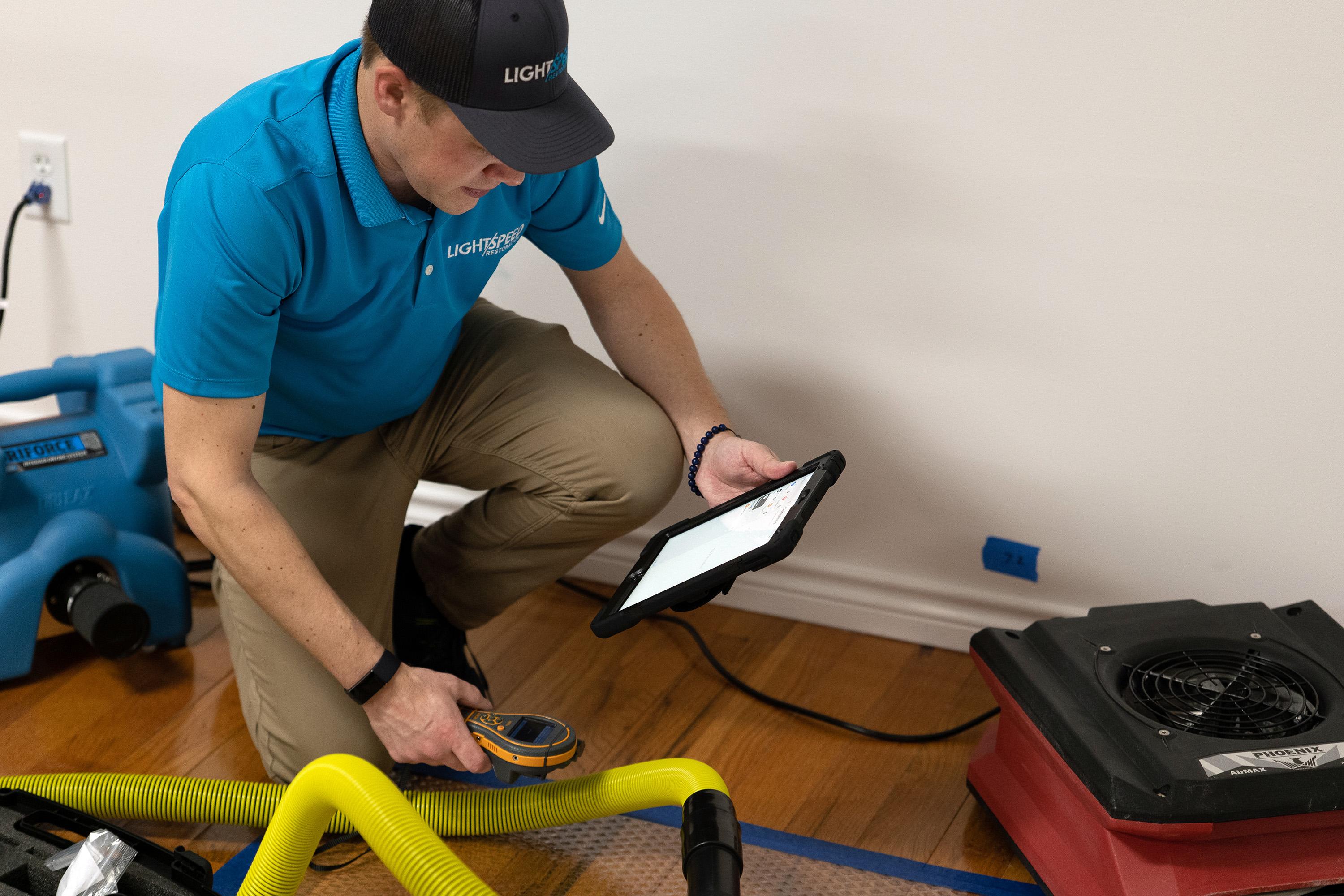
Repair Options for Water Damaged Wood Floors
The right fix depends on the severity. Light, moderate, and severe water damage each call for different approaches-and solid hardwood responds differently than engineered wood.
Minor damage - slight cupping or surface discoloration from brief clean-water exposure. Hardwood floors can be refinished if caught early. Professional drying brings moisture readings back to target levels (typically 6–9% for Austin's climate), followed by sanding and refinishing. Avoid sanding while boards are still cupped; doing so causes crowning when moisture finally equalizes.
Moderate damage - deeper stains, isolated warped boards, or localized buckling. Damaged sections are removed board by board and replaced with matching species and thickness. Refinishing the whole floor area creates a uniform look rather than obvious patches. Matching existing stain and finish in older Central Austin homes with solid oak or longleaf pine takes skill and the right local suppliers.
Severe damage - long-term leaks, black water contamination, or boards that have separated from the subfloor. Hardwood, laminate, and carpet often cannot be salvaged once severely damaged to this extent. Complete removal and replacement is usually necessary, including antimicrobial treatment of exposed framing. Contaminated water (Category 3) typically requires removal of all porous materials.
Engineered hardwood in newer Austin kitchens and living rooms may delaminate where solid oak in older homes would merely cup. Laminate flooring usually requires complete replacement after water damage because its core swells irreversibly.
Lightspeed Restoration of Austin coordinates with trusted local flooring installers to match existing wood species and stain as closely as possible.
Subfloors: The Hidden Foundation of Every Successful Repair
No water damage floor repair will last if the subfloor is still wet, moldy, or structurally weakened. A wet subfloor guarantees new flooring will eventually fail-sometimes within a few months of installation.
Common Austin subfloor types:
|
Foundation Type |
Subfloor Material |
Typical Neighborhoods |
|
Pier-and-beam |
Plywood or OSB over joists |
Travis Heights, Bouldin Creek, Rosedale, Allandale, older Central Austin |
|
Slab-on-grade |
Concrete slab |
Circle C, Steiner Ranch, Northwest Hills most post-1970s builds |
Key inspection points:
-
Softness or sagging when walked on
-
Visible mold on underside of boards or within layers
-
Rusted nails or screws indicating prolonged moisture exposure
-
Dark staining around plumbing penetrations
Subfloor integrity is critical for lasting water damage repairs. Moisture trapped in the subfloor can cause structural problems that show up months later as cupping, squeaking, or adhesive failure in a new floor. Ignoring a damp subfloor can lead to mold growth within 24–48 hours. Subfloor replacement may be necessary after severe water damage, particularly when OSB has swollen or plywood has delaminated.
The subfloor must be completely dry before any flooring repair begins. Targeted air movement, dehumidifiers, and sometimes removing sections of the finished floor to ventilate hidden cavities are all part of proper drying. This is the important step that separates lasting repairs from short-term cosmetic fixes.
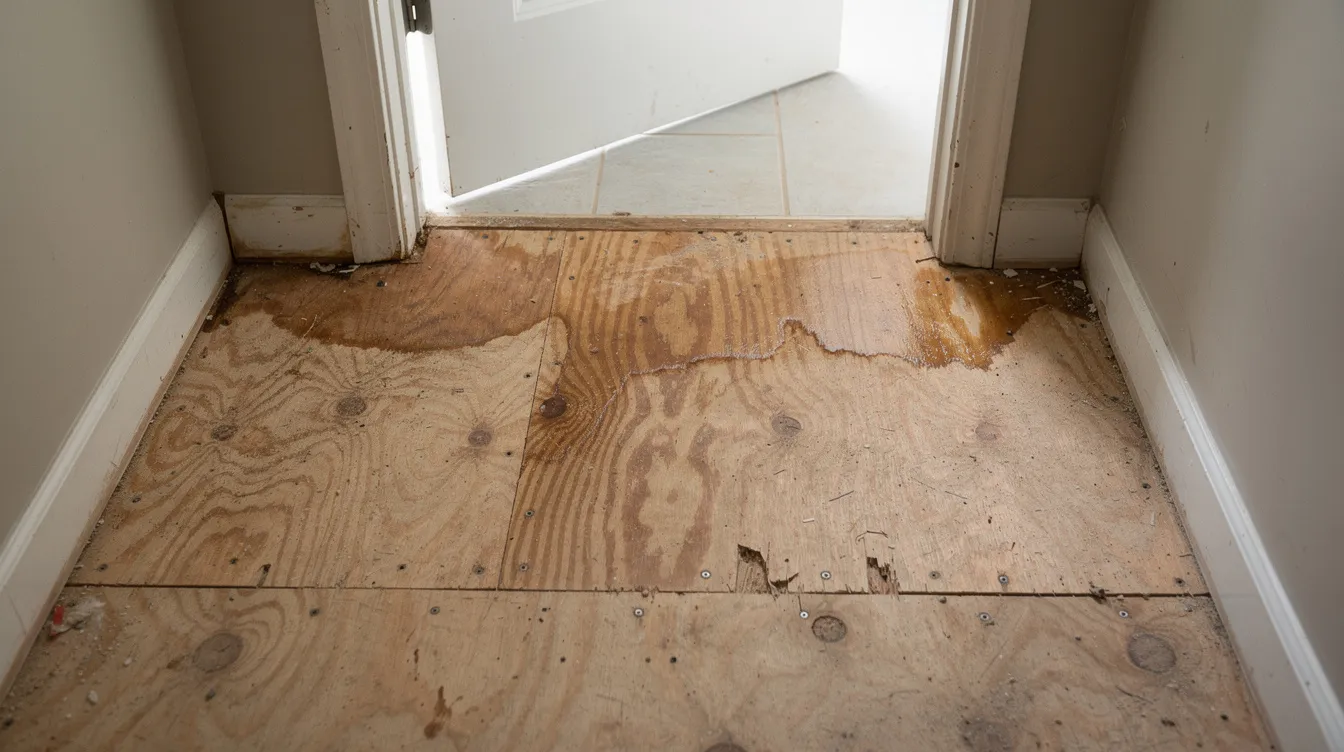
Drying and Restoration Process for Different Floor Types
Every flooring material responds differently to water damage and requires the right drying strategy. Properly restoring water-damaged flooring involves a step-by-step approach to ensure safety and effectiveness. Inspecting and drying the subfloor is essential once water damage occurs, regardless of what's on top.
Hardwood and engineered wood floors: Specialized drying mats apply negative pressure to draw trapped moisture from the bottom of boards. Air movers and dehumidifiers reduce ambient humidity gradually. Professional drying uses high-velocity air movers and dehumidifiers to bring moisture readings down to equilibrium. Drying must occur within 48 hours to avoid mold issues.
Carpeted areas: Extract standing water immediately. Wet carpet pad retains moisture and breeds mildew, so pad removal or salvage decisions need to happen within the first 24 hours. Antimicrobial treatments are applied when appropriate. Water-damaged carpets often require replacement to prevent mold growth.
Tile floors: The tile surface may look intact, but tile and stone floors may require inspection of grout and adhesion after water exposure. Moisture can hide in the thinset and concrete subfloors underneath for weeks.
Laminate and wood-look vinyl: Laminate flooring cannot recover once its core absorbs water-replacement is typically the only option. Luxury vinyl plank is waterproof but may still need replacement if the subfloor is wet beneath it.
Use a dehumidifier to remove moisture from the air throughout the drying process. Lightspeed Restoration of Austin performs daily moisture checks and documents drying progress until readings return to safe levels.
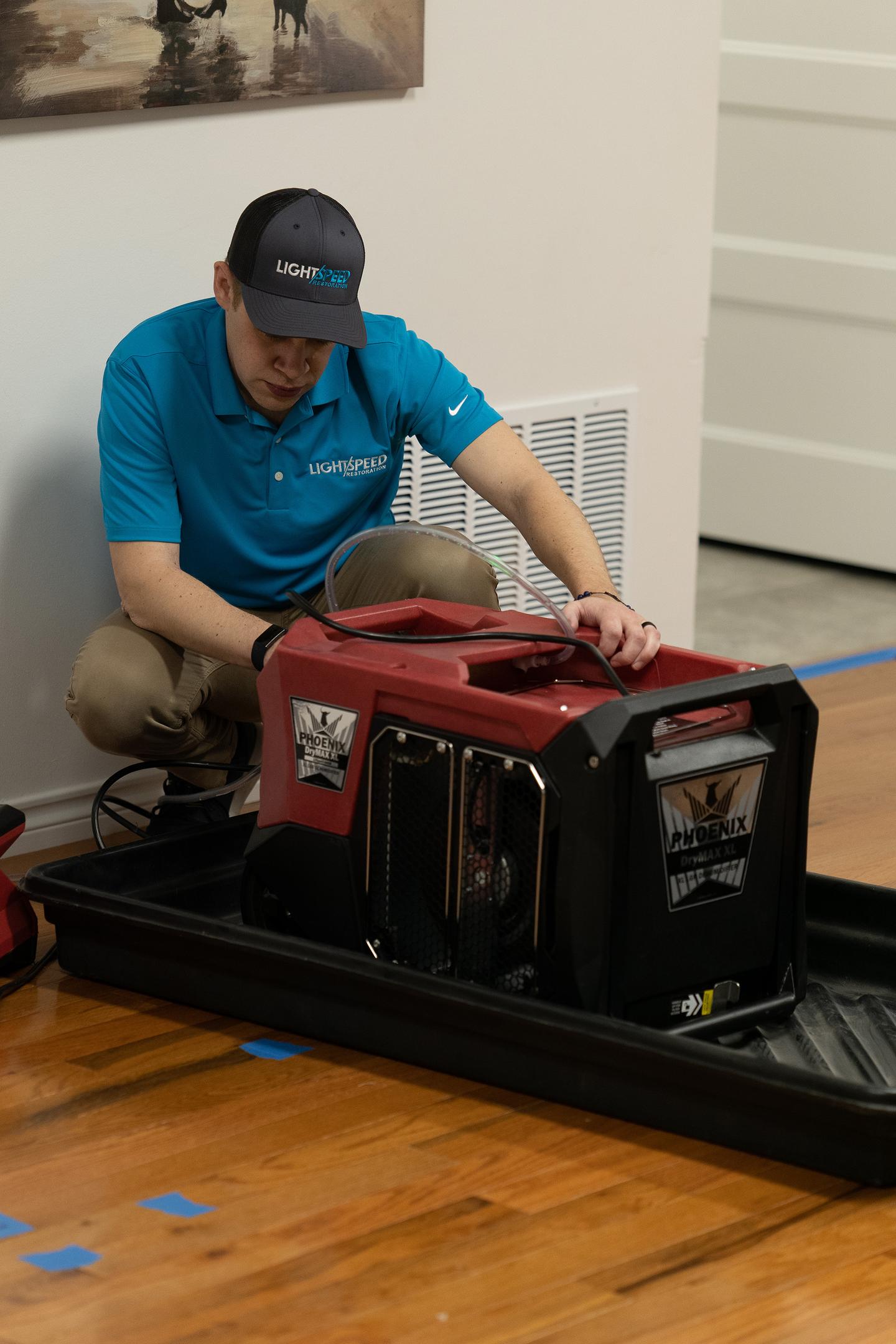
When to Repair vs. Replace Your Water Damaged Floors
This decision comes down to safety, cost, appearance, and long-term durability. Here's how to frame your next steps.
Repair is often viable when:
-
Clean water from a broken supply line is the source
-
Damage was caught within the first 24–48 hours
-
The affected area is limited to one room or section
-
The subfloor beneath is dry and structurally sound
Replacement is usually necessary when:
-
Sewage or creek water intrusion has contaminated flooring materials
-
Floors were saturated for several days with extensive damage
-
Widespread buckling extends across the whole floor
-
The subfloor or framing has rotted or delaminated
Professional restoration is recommended for significant water damage to ensure comprehensive drying and repair. Insurance adjusters typically evaluate the age of your flooring, the type of water, and whether the subfloor or framing is affected. Flooding from rising surface water generally requires separate flood insurance coverage, so check your policy.
Some homeowners use a water damage event as an opportunity to upgrade-switching from hardwood to more water-resistant flooring materials in kitchens or entryways. Others want to restore and match what they had. Lightspeed Restoration of Austin provides clear recommendations and estimates for both repair and replacement scenarios so you can make an informed decision.
Health Risks, Mold Concerns, and Austin's Humid Climate
Lingering moisture under wood floors creates real health risks, especially during Austin's humid spring and fall. High humidity can accelerate mold growth within 24 to 48 hours after water exposure, and mold can grow on damp subfloors within that same window.
Common symptoms homeowners notice after a leak or flood include musty odors, visible spotting along baseboards or walls, and worsening allergies. Mold spreads under baseboards and into wall cavities where it's invisible but actively degrading air quality. Monitoring for mold growth is critical after water damage due to localized humidity in enclosed spaces.
Austin's climate necessitates maintaining indoor humidity levels between 30% and 50% to prevent mold. Professional drying, dehumidification, and when needed, mold remediation are integrated into the overall floor restoration plan. Addressing mold early protects children, elderly family members, and anyone with asthma or respiratory sensitivities.
Lightspeed Restoration of Austin follows industry standards to handle microbial concerns safely while restoring water damaged floors.
Why Austin Homeowners Call Lightspeed Restoration for Floor Damage
Lightspeed Restoration of Austin only serves the Austin, TX area, with deep familiarity with local building styles, foundation types, and water damage patterns. Our experienced team includes IICRC-trained technicians equipped with advanced drying equipment and proven methods for hardwood floors, laminate, carpet, and tile restoration.
We've handled real Austin situations: upstairs bathroom overflows in recent builds, slab leaks in older central neighborhoods, and storm-related intrusions near creeks. We support insurance claims with detailed documentation-moisture readings, photos, and repair recommendations that adjusters need.
Our goal is to restore your home to pre-loss condition or better, not just dry it out and leave. Installation of leak detection systems can prevent future water damage in homes, and we can advise you on those options as well.
Call 512-428-8309 for 24/7 help with any water damaged wood floor or flooring-related water emergency.
Frequently Asked Questions About Water Damaged Wood Floors in Austin
Here are the questions we hear most from Austin homeowners dealing with floor damage.
Can my water damaged hardwood floor be saved? Often yes, if clean water was the source and you act within 24–48 hours. The condition of the subfloor and depth of saturation are the deciding factors. Mold can grow within 24–48 hours on damp subfloors, so timing matters.
How long does floor drying usually take in Austin? Typically several days to over a week, depending on the flooring material, the extent of saturation, and ambient humidity. Other types of damage-like contaminated water-can extend the timeline.
Is it safe to stay in my home while floors are being dried? In most cases, yes. Equipment like air movers can be noisy. If sewage contamination or significant mold is present, temporary relocation may be the safer choice.
Will my floors ever look the same? With proper board replacement, stain matching, and refinishing, repaired floors can look seamless. In some cases, refinishing the entire floor produces the most uniform result.
Ready to fix your floors? Contact Lightspeed Restoration of Austin at 512-428-8309 to schedule an inspection or get emergency response-24 hours a day, 7 days a week.