

Lightspeed Restoration’s Water and Mold Damage 101
Storms often leave behind more than just visible damage. If your home has been hit by heavy wind or rain, knowing how to assess for water and mold damage is essential for protecting your property and your long-term investment.
Start with Safety First
Before entering your property, confirm that the structure is safe. Look for hazards like fallen power lines, sagging ceilings, and warped flooring. Turn off the electricity at the main breaker if there is standing water inside--but not near the electrical panel. Always wear personal protective equipment (PPE) such as rubber boots and gloves when inspecting water-affected areas.
Look for Hidden Water Intrusion
Some storm damage is apparent, but water often finds hidden paths into your home. Check the following areas carefully:
- Attics, basements, and crawl spaces
- Under flooring and behind baseboards
- Inside wall cavities, especially exterior-facing walls
- Around windows, skylights, and doors
Use a moisture meter if you have access to one. Even drywall that looks dry may be holding water internally.
Don’t Ignore the Timeline
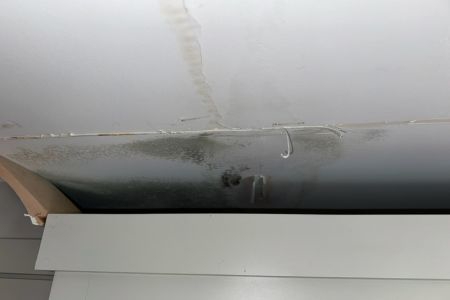
Mold can begin multiplying within 24 to 48 hours after water exposure. Waiting too long to act gives spores time to spread throughout the home. Materials such as drywall, insulation, and carpet pads are particularly vulnerable. A musty odor, discoloration, or fuzzy growth are common indicators that mold is forming.
Document Damage for Insurance
Photograph everything. Capture wide shots of each room and close-ups of damaged materials. Keep samples of damaged drywall, carpet, or insulation if asked by your adjuster. Contact your insurer as soon as possible to report the damage and start the claim process.
Drying the Structure Correctly
Skilled drying involves more than opening windows and setting up a box fan. Trapped moisture can linger behind finishes and framing unless specialty drying equipment is used. Our restoration professionals utilize high-capacity dehumidifiers, low-grain refrigerant systems, and air movers to quickly and thoroughly reach saturation points.
Incorrect drying can lead to secondary damage, such as cupped hardwood floors, microbial growth inside wall cavities, and lingering odors. That is why post-storm assessments should include moisture mapping and a drying plan.
Mold Remediation Must Be Precise
If mold is already present, remediation must follow containment and removal protocols. Cutting corners or using bleach on porous materials may spread spores rather than eliminate them. A professional team will utilize HEPA air scrubbers, negative air containment, and removal techniques in accordance with the IICRC S520 standard.
When to Call Lightspeed Restoration
If you suspect structural water damage or visible mold, it is best to contact professionals with the training and equipment to evaluate and restore your home. DIY methods can lead to incomplete drying or future contamination.
Lightspeed Restoration provides fast, certified storm response and mold remediation services. We help property owners recover with confidence and clarity.
Call (800) 620-4009 today for a complete storm damage assessment or to schedule water and mold remediation. We are ready to respond.