

Take action this September for National Preparedness Month.
September is National Preparedness Month, a reminder that disasters don’t wait for the “right time.” Fires, floods, storms, and accidents can strike with little or no warning, but families who plan ahead dramatically reduce the chaos and loss when they do. While you can’t stop disasters, you can control how ready you are to face them.
Start at Home: Build Your Family Plan
Preparedness begins within your own four walls. Host a family meeting and cover these essentials:
- Communication -- Decide how family members will stay in touch if face-to-face conversations are impossible or cell service is disrupted. Loop in extended family members, coworkers, and neighbors in case you need to leave your home or the area temporarily, so your whereabouts and circumstances are shared with important individuals who might worry or need to arrange assistance.
- Emergency kits --Assemble “go-bags” with food, water, clothing, medications, and key documents for every family member, including pets.
- Utility safety -- Learn and teach teens and adults how to shut off gas, water, and electricity to prevent secondary hazards after fire, floods, or storms.
- Evacuation spots -- Pinpoint one or more locations where family members can meet up if evacuation is required. Share that information with extended family members or friends to help predict your location if you need to delay your return home.
- Safe generator use -- Generators can offer a semblance of normality when the power is out but pose significant risks if mishandled. Always operate generators outside, at a distance from doors and windows, to prevent deadly carbon monoxide exposure.
- Stay aware -- Monitor local news for weather updates, evacuation orders, flooding conditions, utility outages, and various other circumstances that could adversely affect you, your family, or your property.
Property Readiness
Whether or not you can remain at home to ride out the disaster, if you have time, complete some or all of the following to increase the odds that your home and its contents can withstand the crisis.
- Yard and landscaping -- Secure or store loose items, such as patio furniture, trash cans, and outdoor or gardening equipment and tools, that could break and blow around, causing damage. Close valves to sprinkling systems and break down overhead irrigation systems.
- Windows, doors, and exteriors -- Install storm shutters or attach plywood for reinforcement. Close garage doors and inspect the roof for loose shingles or flashing, ensuring gutters and drains are clear and securely installed.
- Trim trees and shrubs -- Cut back branches that could fall on your house during high winds.
- Elevate equipment -- If possible, raise electrical panels, heating systems, and other utilities and appliances to prevent flood damage.
- Consult with your insurance agent -- Review your insurance policy to ensure adequate coverage for potential damage, especially flooding.
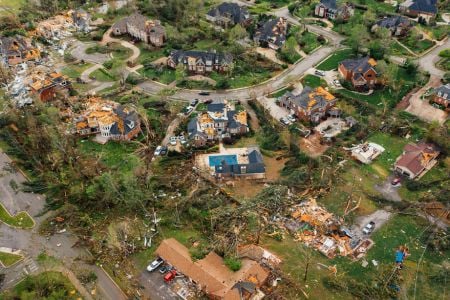
No matter how much you prepare, recovery often requires expert help. Partner with Lightspeed Restoration for rapid response and professional disaster recovery. Call (800) 620-4009 today and discover how our team can help protect what matters most—before, during, and after disaster strikes.