

How to Protect Your People, Property, and Profits
Hurricane season brings more than just wind and rain—it brings risk to businesses, employees, and property. Storms cause billions of dollars in commercial damages each year, many of which could have been minimized with better preparation. Whether you're operating a small storefront or managing a multi-building complex, taking the time to plan now can prevent lost revenue, reduce downtime, and protect your team when storms hit.
Understand the Risks to Your Business
Every business is different, and so is its exposure to storm damage. Coastal regions face the brunt of hurricanes, but heavy rains and high winds can reach hundreds of miles inland. Evaluate the structure of your building, your location's flood zone, and any history of weather-related damage. Review your insurance policy closely, especially business interruption coverage.
Your Business Needs a Storm Safety Plan
A well-organized emergency plan is essential for protecting both people and property. Your storm safety plan should cover the following:
- Communication procedures with employees, vendors, and clients
- Evacuation routes and shelter-in-place protocols
- Protection of physical assets like electronics, documents, and inventory
- Chain of command and roles during an emergency
- Contact list for emergency services and restoration professionals
Train employees on this plan at least once yearly, and keep printed versions accessible throughout the property.
Safeguard the Physical Location
Storm-proofing your building reduces the risk of costly structural damage. Do a visual inspection of the roof, gutters, and windows. Secure or replace any loose materials that could become hazards. Trim trees and shrubs near buildings, and move outdoor furniture or equipment indoors when a storm is forecast.
Here are some physical protection steps to consider:
- Install impact-resistant windows or storm shutters
- Elevate critical systems like electrical panels, servers, and backup generators
- Use sandbags or water-inflated barriers for flood-prone entrances
- Anchor large equipment or shelving to prevent tipping
- Ensure sump pumps and drains are clear and functional
Backup Your Data and Critical Operations
If your business depends on technology or remote systems, take steps to protect digital infrastructure. That includes regular cloud backups, testing remote access capabilities, and ensuring team members know how to work offsite if needed. If a storm knocks out power or floods your facility, you'll need fast access to customer records, payment systems, and supply chain communication tools.
Bulletproofing operations includes:
- Backing up accounting, payroll, and inventory data
- Maintaining updated contact info for clients and partners
- Reviewing service agreements with third-party vendors in case of disruptions
After the Storm: What to Do Next
Once a hurricane passes, businesses should wait for authorities to give the all-clear before entering the property. Use caution, as downed power lines, contaminated water, or structural hazards may be present. Take detailed videos and photos of any damage for insurance claims, and avoid turning on power until an electrician has inspected the site.
Act fast if water or mold is present or the building has been exposed to wind-driven rain. Damage escalates quickly in warm, humid environments.
Professional Help for Cleanup and Recovery
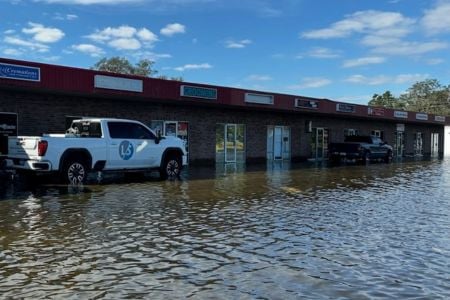
Storms don't just cause damage—they disrupt business. That's why professional help is key to getting back on track quickly and safely. Lightspeed Restoration has the tools, training, and certifications to restore commercial properties after hurricanes, floods, and wind damage. We help you get your business back open faster. Call Lightspeed Restoration at (800) 620-4009 for rapid response and expert support.