

Ice dams may begin as a winter roofing issue, but the moisture they trap can quietly lead to microbial growth inside walls and attics. Understanding how these roofline blockages form—and how to prevent the hidden water damage they cause—is essential to protecting residential properties. Learn how proper insulation, ventilation, and moisture control reduce both structural damage and long-term mold risk. Restoration professionals, including the team at Lightspeed Restoration, evaluate seasonal roof intrusion with a focus on identifying concealed saturation before long-term damage develops.
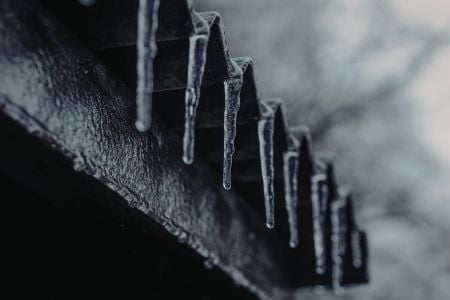
These roof edge formations are often viewed as a surface problem, yet the damage extends far beyond shingles and gutters. When snow melts and refreezes along the roofline, it creates a barrier that traps water behind it. That water moves beneath shingles, into decking, and eventually into insulation and interior wall cavities. If not addressed properly, this trapped moisture can lead to microbial damage inside the structure.
Understanding how winter roof accumulation develops and how to prevent the moisture intrusion it causes is critical to protecting residential properties during colder months.
How Ice Dams Lead to Hidden Moisture
Ice dams develop when heat from inside a home escapes into the attic, warming the roof and causing snow to melt. As the melted snow travels downward, it refreezes at colder roof edges, forming a frozen ridge that blocks proper drainage. Water then pools behind that ridge and seeps beneath roofing materials.
Once moisture enters the building envelope, it can saturate insulation, soak roof decking, travel into wall cavities, damage drywall and ceilings, and increase indoor humidity levels. Because much of this moisture remains concealed, homeowners often do not realize the extent of the intrusion until staining, sagging, or odor develops.
Why Ice Dams Increase Mold Risk
Mold growth requires three conditions: moisture, organic material, and time. Ice dams provide a steady source of moisture in areas that already contain wood framing, drywall backing, and insulation—conditions that support microbial growth.
Even after visible leaks stop, residual moisture can remain trapped inside attic insulation, framing members, subfloors, and ceiling cavities. If materials are not properly dried and evaluated, microbial growth can begin within 24–48 hours of sustained exposure. This prolonged dampness significantly increases overall mold risk within the structure.
Preventing Ice Dam Formation
Effective ice dam prevention focuses on controlling heat transfer and ventilation inside the attic.
Proper attic insulation reduces heat escape from living areas into the attic. Maintaining consistent roof temperatures helps prevent snow from melting unevenly.
Sealing air leaks around light fixtures, duct penetrations, and attic access points reduces warm air migration that contributes to roofline blockage.
Balanced intake and exhaust ventilation promotes even roof temperatures. Ridge vents, soffit vents, and gable vents all play a role in maintaining airflow.
In areas with heavy snowfall, professional snow removal from roof edges can reduce the likelihood of buildup before it becomes problematic.
Reducing Mold Risk After Ice Dam Damage
If water damage has already occurred, prevention shifts to mitigation and moisture control.
Professional moisture assessment determines the extent of saturation, whether insulation must be removed, if structural drying is required, and whether contamination has begun.
Moisture mapping, thermal imaging, and humidity monitoring confirm that affected materials return to appropriate drying standards. Without proper drying verification, moisture left behind can create long-term issues even after visible leaks appear resolved.
Protecting Residential Structures Year-Round
Ice dam prevention is not only about winter maintenance—it is about preserving the integrity of the building envelope. By addressing attic insulation, ventilation balance, and air sealing, homeowners reduce the risk of structural water damage and long-term mold risk.
When moisture intrusion does occur, early assessment and professional drying reduce complications. At Lightspeed Restoration, ice dam-related water damage is approached with a focus on stabilization, documentation, and thorough moisture control. By addressing both immediate intrusion and potential mold risk, restoration efforts protect not only the structure but the indoor environment as well.