

Mold doesn’t care what the thermostat says. It responds to moisture, surface conditions, and time — not seasons. The misconception that mold is a warm-weather problem causes many winter issues to go unnoticed until damage becomes harder to control.
During colder months, structures change how they breathe. Homes are sealed tighter, ventilation decreases, and moisture introduced through daily living has fewer places to escape. These conditions create opportunities for mold growth that are often overlooked because nothing “feels” wet.
How Winter Conditions Quietly Create Mold Risk
In winter, moisture behaves differently inside a home. Instead of evaporating or dispersing, it condenses. Warm indoor air meets cold exterior surfaces, and water collects where homeowners rarely look — behind furniture, inside wall cavities, around windows, and in basements or crawlspaces.
Common winter moisture sources include:
- Condensation from temperature differences
- Snow melt tracked indoors
- Humidifiers running continuously
- Minor plumbing leaks that don’t visibly spread
- Poor airflow in closed-off rooms
Because these conditions develop gradually, mold growth can begin without obvious warning signs like standing water or strong odors.
Why Mold Is Missed More Often in Winter
Winter mold issues are frequently discovered late because the usual indicators aren’t always present. Floors may remain dry. Walls may look unchanged. The air may feel warm and comfortable.
What’s happening instead is subtle:
- Moisture accumulates slowly
- Air circulation decreases
- Materials remain damp longer
- Growth occurs behind surfaces
By the time visible signs appear, mold may already be established beyond the surface level.
Areas of the Home That Deserve Extra Attention
Certain parts of a home are more vulnerable during winter months due to limited airflow and colder surface temperatures. These areas include:
- Basements and lower levels
- Exterior walls behind furniture
- Window frames and sills
- Closets along outside walls
- Bathrooms without consistent ventilation
Monitoring these spaces doesn’t require special equipment — just awareness and routine checks during colder months.
Prevention Starts With Moisture Control, Not Temperature
Effective winter mold prevention focuses less on heating and more on managing moisture. Small adjustments can reduce risk significantly:
- Keep airflow consistent, even in unused rooms
- Avoid blocking vents and returns
- Use exhaust fans during showers and cooking
- Monitor indoor humidity levels
- Address small leaks immediately
These steps help prevent moisture from settling into materials that support mold growth.
When Prevention Isn’t Enough
Even with good habits, winter mold issues can still develop — particularly after water damage events, snow intrusion, or unnoticed plumbing failures. Mold doesn’t require a dramatic incident to grow; it only needs time and moisture.
This is where professional assessment becomes important. Proper evaluation looks beyond visible surfaces to determine whether moisture is present inside walls, flooring systems, or insulation — areas where mold can continue developing out of sight.
At a national level, Lightspeed Restoration sees many winter mold cases that begin with small, easily overlooked moisture sources rather than major water events. Identifying those conditions early helps limit the scope of removal and reduce the likelihood of recurring issues.
Awareness Is the Best Winter Defense
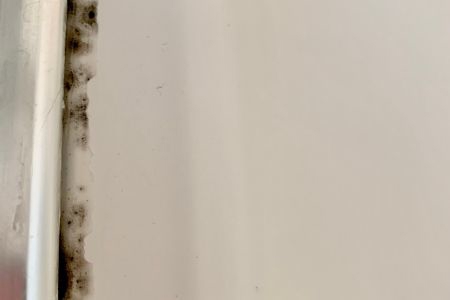
Winter mold prevention isn’t about fear or overreaction. It’s about understanding how homes behave differently when temperatures drop and ventilation changes.
Recognizing that mold growth doesn’t pause in cold weather allows homeowners to make better decisions, spot issues sooner, and address moisture before it becomes a larger problem.