

This guide covers everything Austin homeowners need to know about black mold removal—from identifying early warning signs to understanding when professional help is essential. Austin’s humid climate, frequent storms, and common water intrusion events make mold a persistent concern for local properties. When questions arise, Lightspeed Restoration of Austin is available at 512-428-8309.
Key Takeaways
-
Small, surface mold spots limited to shower caulking may be suitable for careful DIY removal; however, all other mold infestations—including larger areas, hidden mold, or contamination near HVAC systems—require licensed professionals for safe and effective black mold removal.
-
Black mold (including Stachybotrys chartarum) can trigger respiratory issues, allergic reactions, and structural damage to drywall, framing, and subfloors when left untreated.
-
Successful black mold removal always combines three elements: safe cleanup procedures, complete drying of affected materials, and long-term moisture control through repairing leaks, improving proper ventilation, and maintaining indoor humidity below 50%.
-
Austin homeowners should monitor for mold growth after heavy spring storms, roof leaks, and clogged AC condensate lines—common triggers in Central Texas homes.
-
Professional mold remediation services are available locally from Lightspeed Restoration of Austin at 512-428-8309.
Why Black Mold Is a Serious Problem in Austin Homes
Austin’s combination of intense summer heat, high humidity, and frequent spring thunderstorms creates ideal conditions for mold to thrive. Many mold problems start after water intrusion events—like leaks, flooding, or storm damage. Learn more in our Water Damage Restoration in Austin, TX guide. Homes with a history of water damage face an elevated risk, especially during the monsoon season, when excess moisture is nearly impossible to control naturally.
Black mold—including species like Stachybotrys chartarum—colonizes wet drywall, wood surfaces, paper backing, and insulation. Mold thrives in bathrooms, attics with poor ventilation, and around AC closets where condensation accumulates. Mold loves moisture, so it quickly takes hold in these spaces where dampness lingers.
Common mold triggers specific to Central Texas include:
-
Roof leaks following hailstorms
-
Slab leaks from shifting soil
-
Burst pipes during rare freeze events (like February 2021)
-
Clogged AC condensate lines
-
Flooding in low-lying neighborhoods near creeks
Health concerns range from intensified allergies and asthma symptoms to persistent cough, headaches, and fatigue. Children, older adults, and those with compromised immune systems face the greatest health risks from exposure to toxic spores.
Beyond health hazard issues, long-term mold infestation can rot subfloors, warp framing, and destroy finished materials. A minor leak ignored in 2024 can easily become a major reconstruction project by 2026.
How to Tell If You Have Black Mold (And How Bad It Is)
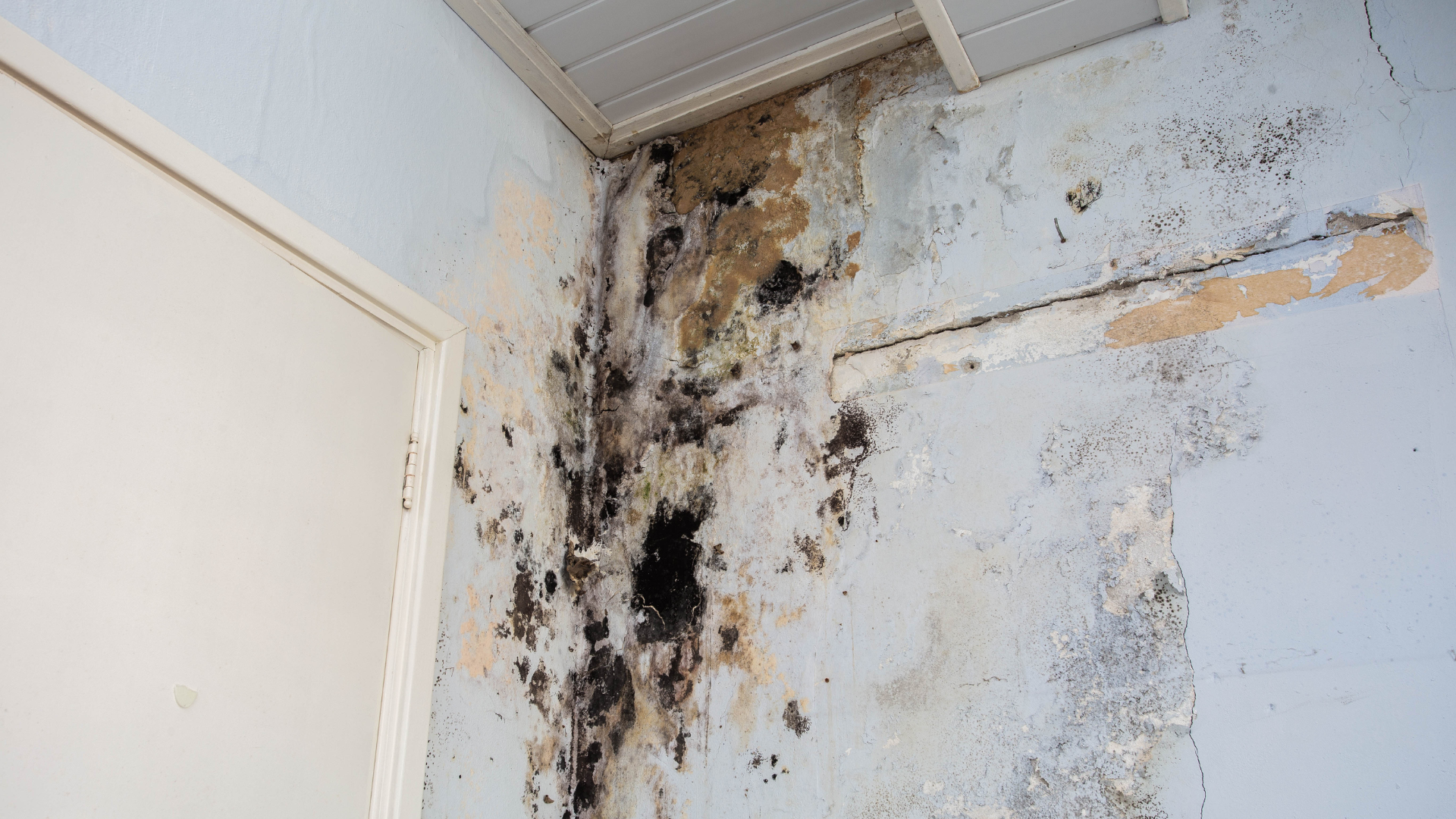
Early detection in Austin homes—particularly in bathrooms, garages, and around water heaters—can prevent the need for expensive, large-scale mold remediation later. Knowing what to look for saves both money and health.
Visual signs to watch for:
-
Black or dark green patches on walls, ceilings, and baseboards
-
Fuzzy or slimy texture on affected surfaces
-
Warping or peeling paint near moisture sources
-
Discoloration around AC vents and caulk lines
Non-visual clues:
-
Persistent musty odor (like an old gym bag)
-
Ongoing sinus irritation that improves when leaving home
-
Condensation on windows
-
Damp spots on carpet near exterior walls
High-risk locations in Austin homes include spaces below roof valleys, along west-facing exterior walls, around builder-grade windows installed between 2021-2025, under sinks with P-trap leaks, and behind washing machines and water heaters.
Common Hidden Mold Hotspots in Austin Houses
Mold colonies often grow in places homeowners never think to check until the problem becomes severe.
Often-overlooked areas include:
-
Behind baseboards after minor flooding
-
Inside wall cavities where shower plumbing runs
-
Under vinyl flooring in bathrooms
-
Beneath kitchen cabinets near dishwashers
-
Attic corners with insufficient ventilation
Mold frequently grows inside HVAC closets and around air handlers due to sweating ductwork and clogged condensate drains—even when visible surfaces look clean. If musty odors persist with no visible mold, consider professional moisture mapping and infrared inspection from Lightspeed Restoration of Austin.
Importance of Professional Mold Assessment
While visual cues are helpful for spotting mold growth, the only way to accurately identify the type of mold present—including black mold—is to hire a licensed mold assessor who can perform proper testing. This testing may involve air sampling, surface sampling, and laboratory analysis to determine the mold species and assess potential health risks. Professional assessment ensures that the correct remediation strategy is used for safe and effective mold removal. If you want to understand the full process, see our Mold Inspection Austin, TX: Complete Home Testing Guide.
Safety Precautions for Black Mold Cleanup
When tackling black mold cleanup, prioritizing your safety is essential to avoid exposure to harmful mold spores and toxic particles. Always wear protective gear, including protective gloves, a high-quality face mask (such as an N95 respirator), and eye protection to shield yourself from airborne spores and potential skin irritation. Before starting any mold cleanup, make sure the affected area is properly ventilated—open windows or use exhaust fans that direct air outside, but avoid using blowers or fans that could circulate mold spores to other parts of your home.
The Environmental Protection Agency strongly recommends these precautions, especially in areas with high humidity where mold thrives and spores can linger in the air. Never attempt black mold cleanup without full protective gear, as direct contact or inhalation of toxic spores can lead to serious health concerns, including respiratory issues and allergic reactions. By taking these steps, you help contain the mold to the affected area and protect yourself and your family during the cleanup process.
Is DIY Black Mold Removal Safe for Your Situation?
While many online guides promote DIY mold cleanup, Austin homeowners should exercise caution due to significant health concerns and the risk of spreading mold spores into the air when disturbing mold colonies. Improper cleaning can worsen mold problems and expose your family to toxic spores.
As a licensed professional mold removal company in Austin, TX, Lightspeed Restoration does not recommend DIY black mold removal. Our expertise and licensing ensure safe, thorough, and effective mold remediation that minimizes health risks and prevents further contamination.
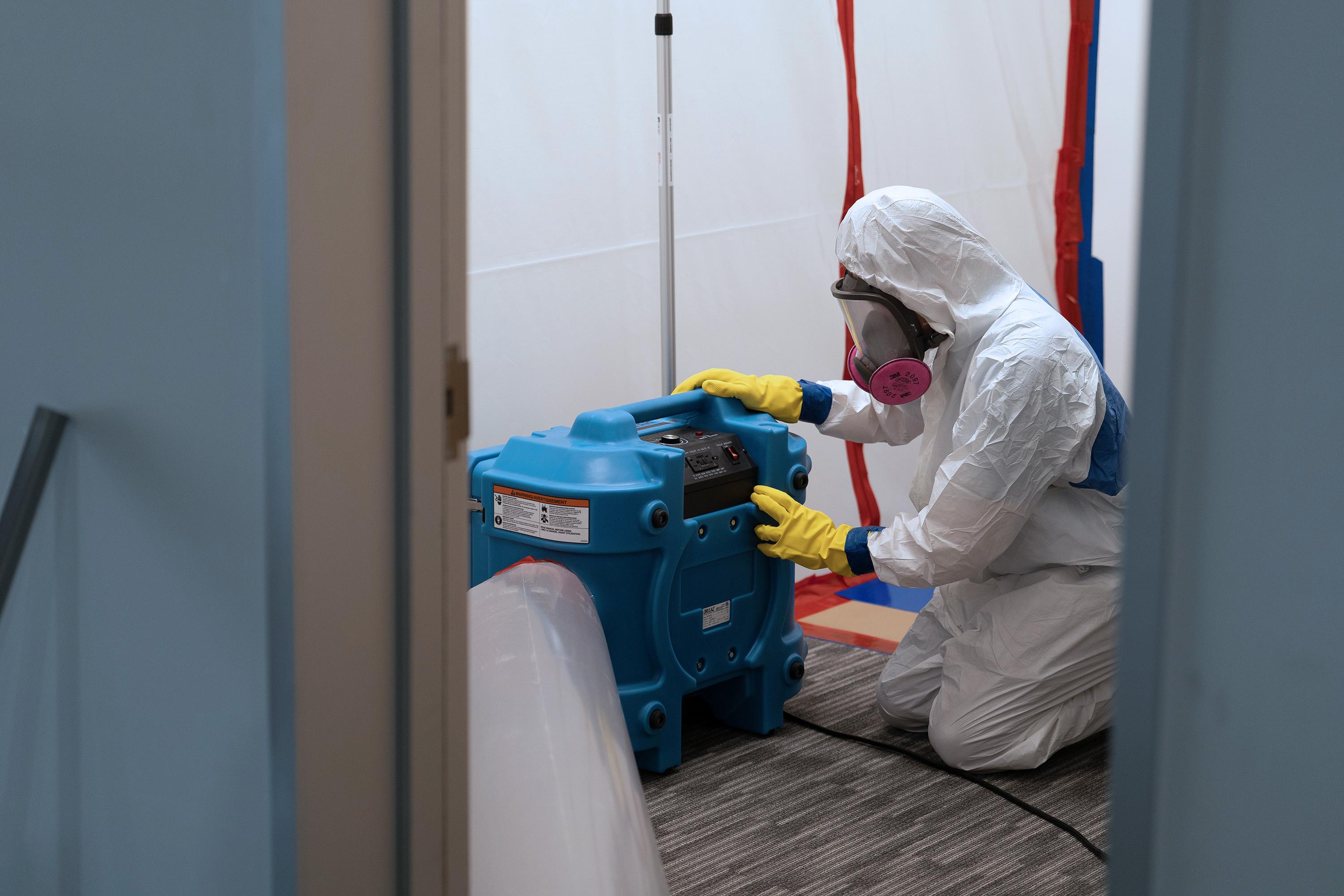
If you choose to attempt small-scale black mold removal yourself despite these warnings, it is essential to wear protective gear, including protective gloves, goggles, and an N95 mask. Ventilate the area by opening windows and using fans to improve air circulation during mold removal. Instead of opening windows or using fans, set up proper containment using plastic sheeting to seal off the affected area and prevent mold spores from spreading. Use a HEPA vacuum to remove loose mold spores from surfaces before you clean mold.
Key safety tips for DIY black mold removal:
-
Use a spray bottle filled with a safe cleaning solution, such as Decon 30, to effectively kill mold on non-porous surfaces.
-
Apply the cleaning solution generously to the moldy area and allow it to sit for 10–15 minutes to penetrate and kill mold spores.
-
Gently scrub the area with a stiff brush or scrub brush, then wipe clean with a damp cloth.
-
For porous materials like drywall or wood surfaces, understand that mold can penetrate deeply, and DIY cleaning may not fully remove remaining mold. In such cases, professional remediation is recommended.
-
Seal and dispose of any mold-infested materials or contaminated cleaning tools in plastic bags to prevent the spread of spores.
Professional mold remediation is always recommended when dealing with black mold, especially in these situations:
-
Visible mold patches larger than 10 sq. ft. (If the mold infestation is larger than 10 square feet, it is recommended to seek professional help for removal.)
-
Mold on porous surfaces like drywall, wood, or insulation
-
A history of flooding or long-term leaks exists
-
Vulnerable occupants (infants, the elderly, and immunocompromised) live in the home
-
Mold appears in HVAC ducts or on insulation
-
Mold covers multiple walls or is widespread in the property
-
The property is a multifamily building, rental, or commercial space
If you’re unsure whether your situation calls for professional black mold treatment, call Lightspeed Restoration of Austin at 512-428-8309 for expert guidance and safe remediation services.
Why DIY Black Mold Removal Is Not Recommended
Austin’s humid climate means mold thrives and spreads quickly, so DIY removal attempts risk disturbing mold colonies and releasing toxic spores into the air, posing serious health hazards.
Key reasons to avoid DIY black mold cleanup:
-
Black mold spores can cause respiratory issues, allergic reactions, and skin irritation.
-
Improper removal can spread mold spores to other areas, worsening the infestation.
-
Porous materials often require professional assessment and removal as mold can penetrate deep beyond the surface.
-
Effective black mold remediation requires specialized equipment, containment barriers, and proper disposal methods to prevent cross-contamination.
-
Professionals use advanced techniques and wear protective gear to safely handle toxic spores.
Avoid risking your health and property by attempting DIY black mold removal. Trust the experts to get the job done right and keep your home mold-free for the long term.
In Texas, the black mold removal process is carefully structured to ensure safety, thoroughness, and transparency. One important aspect is that mold assessment and mold remediation must be performed by different licensed companies, as mandated by the Texas Department of Licensing and Regulation (TDLR). This separation of roles helps prevent conflicts of interest and guarantees unbiased inspection and remediation services.
The typical process involves several key steps, each handled by the appropriate licensed professionals:
|
Step |
What Happens |
Responsible Party |
|
Initial Inspection |
Moisture mapping, visual assessment, and humidity readings |
Licensed Mold Assessor |
|
Testing |
Air and surface sampling for mold identification |
Licensed Mold Assessor |
|
Remediation Plan |
Development of a remediation protocol and a written scope of work |
Licensed Mold Assessor |
|
Containment Setup |
Installation of plastic sheeting barriers, use of negative air machines |
Mold Remediation Contractor |
|
Material Removal |
Removal and proper disposal of contaminated materials |
Mold Remediation Contractor |
|
HEPA Cleaning |
Vacuuming and application of antimicrobial treatments |
Mold Remediation Contractor |
|
Structural Drying |
Use of commercial dehumidifiers to dry affected areas |
Mold Remediation Contractor |
|
Clearance Testing |
Post-remediation air and surface sampling to confirm mold removal |
Licensed Mold Assessor |
What to Expect During a Mold Inspection in Austin
When a Lightspeed technician arrives, the process is straightforward and thorough.
During the inspection:
-
Discussion of home history (recent roof repairs, slab leaks, AC issues)
-
Visual inspection of visible mold and moisture damage
-
Humidity readings throughout affected areas
-
Moisture meter readings on walls and floors
-
Investigation behind baseboards and under flooring for hidden moisture
In some cases, air sampling or tape-lift samples may be recommended to identify mold types—particularly useful when occupants experience health concerns or when documentation is needed for real estate or insurance purposes.
At the end of the visit, homeowners receive clear findings, recommended next steps, and an estimate for professional remediation tailored to their specific property in Austin.
Cleaning Solutions for Black Mold Removal
⚠️ Important: We strongly advise against attempting to remove black mold yourself. DIY methods often fail to eliminate the root of the problem, can spread mold spores throughout your home, and may expose you to serious health risks. In most cases, the safest and most effective solution is to hire a licensed mold remediation company, such as Lightspeed Restoration of Austin.
While some household solutions are commonly suggested online, they are only suitable for very small, surface-level mold on non-porous materials. They do not address hidden mold growth inside walls, ceilings, or flooring—where mold problems typically originate.
If you still choose to proceed with minor surface cleaning, the following methods are often used:
-
Hydrogen Peroxide: Can help clean light surface mold when applied and scrubbed after 10–15 minutes. Does not penetrate below the surface.
-
Baking Soda: A mild cleaner that can remove surface mold and odors, but is ineffective for deeper contamination.
-
Diluted Chlorine Bleach: can help, but "is not possible or desirable to sterilize an area; a background level of mold spores will remain - these spores will not grow if the moisture problem has been resolved" (EPA).
-
White Vinegar: Can be used on hard surfaces to treat minor mold, but, like other DIY methods, it does not address underlying growth.
Bottom line: If the mold is anything more than a small spot on a hard surface, DIY cleaning is not enough—and can make the situation worse.
At Lightspeed Restoration of Austin, we identify the source, contain the spread, and fully remediate mold using professional-grade equipment—so it doesn’t come back.
Preventing Black Mold from Returning in Austin’s Climate
In Austin, long-term prevention requires consistent moisture control. Hot summers, heavy rains, and occasional flooding make this an ongoing effort rather than a one-time fix.
Core prevention strategies:
-
Keep indoor air quality healthy by maintaining humidity below 50%
-
Use whole-home dehumidifiers and well-maintained HVAC systems
-
Install exhaust fans in bathrooms, laundry rooms, and kitchens that vent to the exterior
-
Ensure proper ventilation in attics and crawl spaces
Prompt repairs to prevent mold growth:
-
Fix roof leaks and window flashing failures within 24-48 hours
-
Address plumbing leaks under sinks, behind refrigerators, and in bathrooms immediately
-
Repair any leaks before moisture has time to spread
Annual maintenance:
-
Inspect AC condensate lines and drain pans yearly
-
Check attic ductwork for sweating or slow leaks
-
Apply mold-resistant paint after any remediation work
-
Reduce moisture accumulation around the foundation with proper grading
Daily habits:
-
Check caulk and grout in showers regularly
-
Wipe down tile after long showers
-
Clean around windows where condensation forms in cooler months
-
Blow air circulation through closed spaces periodically
Seasonal Mold Prevention Checklist for Austin Homeowners
Print or save this checklist to keep your home mold-free year-round.
Spring:
-
Inspect the roof after hailstorms
-
Clean gutters before heavy rains
-
Check skylights and chimney flashing
-
Test bathroom and kitchen exhaust fans
Summer:
-
Monitor indoor humidity during peak heat
-
Inspect AC closets for drips or rusted pans
-
Look for condensation on supply vents and windows
-
Address excessive moisture immediately
Fall:
-
Check weatherstripping and exterior caulk
-
Ensure downspouts discharge away from the foundation
-
Inspect outdoor spigots and irrigation lines
-
Look for mold problems in transitional weather
Winter:
-
Insulate exposed pipes to prevent freeze bursts
-
Monitor for condensation on windows and walls
-
Check for leaks after ice or snow events
-
Watch for poor ventilation signs in closed-up rooms
Proper Disposal of Mold-Contaminated Materials
After removing mold-infested materials, it’s crucial to dispose of them safely to prevent mold spores from spreading throughout your home. Place all contaminated materials—such as drywall, insulation, or carpet—into heavy-duty plastic bags. Seal the bags tightly before carrying them through your home to avoid releasing mold spores into the air.
Always wear protective gloves when handling mold-infested materials, and avoid touching your face or other surfaces during the process. Once disposal is complete, wash your hands thoroughly and clean any tools used. The Environmental Protection Agency recommends this method to keep your home mold-free and to minimize the risk of recontamination. By following these steps, you help ensure that removing mold doesn’t lead to new mold problems elsewhere in your home.
FAQ
How quickly does black mold start growing after a leak or flood in Austin?
In Austin’s warm climate, mold can begin growing within 24-48 hours after water intrusion, especially on porous materials such as drywall, carpet, and insulation. If a roof leak, pipe burst, or flood isn’t thoroughly dried within the first two days, you may notice musty odors or small black spots within a week. After any water event, start drying immediately with fans and dehumidifiers. If more than a few square feet of material were wet, consider calling Lightspeed Restoration to remove black mold before it spreads.
Can I just paint over black mold with mold-resistant paint?
Painting over mold without proper removal is never a solution. This approach traps moisture in the wall, allowing mold to continue spreading unseen behind painted walls. Mold-resistant primers and paints are useful as part of a rebuild after proper remediation—they help prevent mold growth on new materials. But they cannot kill black mold or encapsulate active growth. Always remove contaminated materials and dry the structure completely before applying protective coatings.
Is it necessary to test for black mold, or can I skip lab testing?
In many Austin homes, visible mold and known moisture problems are sufficient justification to proceed with black mold mitigation without expensive testing. However, testing can be helpful when no mold is visible, but occupants are experiencing health concerns, when documentation is needed for real estate transactions, or when verifying indoor air quality after remediation. In Texas, licensed mold remediation companies cannot perform remediation work without a mold remediation protocol issued by a licensed mold assessor. Lightspeed Restoration can discuss when air or surface sampling makes sense and refer testing to third-party mold inspectors.
Will my homeowner’s insurance cover professional black mold removal?
Coverage varies by policy, but many Texas insurers cover mold remediation when it results directly from a sudden, covered water loss (like a burst pipe). Long-term neglect or slow leaks are typically excluded. Review your policy’s mold and water damage sections and contact your agent promptly after any loss. Lightspeed Restoration of Austin helps document damage, provide moisture readings, and supply detailed estimates that insurers typically request for mold removal claims. See our guide on Will Insurance Cover Mold After Water Damage in Austin, Texas?
How do I know if black mold in my Austin home is an emergency?
Emergency situations include sudden discovery of widespread mold after flooding, visible mold around HVAC systems (which can spread spores throughout your home), rapid spread across ceilings or walls, or mold present where high-risk individuals live. Strong, overpowering musty odors throughout multiple rooms, or the discovery of mold while removing water-damaged materials, also warrant immediate action. In these cases, treat the situation as urgent and call Lightspeed Restoration of Austin at 512-428-8309 for immediate guidance and emergency response.
Final Thoughts on Black Mold Removal
Black mold is more than just a surface issue—it’s often a sign of a deeper moisture problem that can spread behind walls, under flooring, and throughout your home.
While DIY methods may seem like a quick fix, they typically only address what’s visible and can leave behind hidden contamination that continues to grow. In many cases, improper cleaning can spread mold spores and worsen the problem.
The most reliable way to protect your home and health is to work with a licensed mold remediation company.
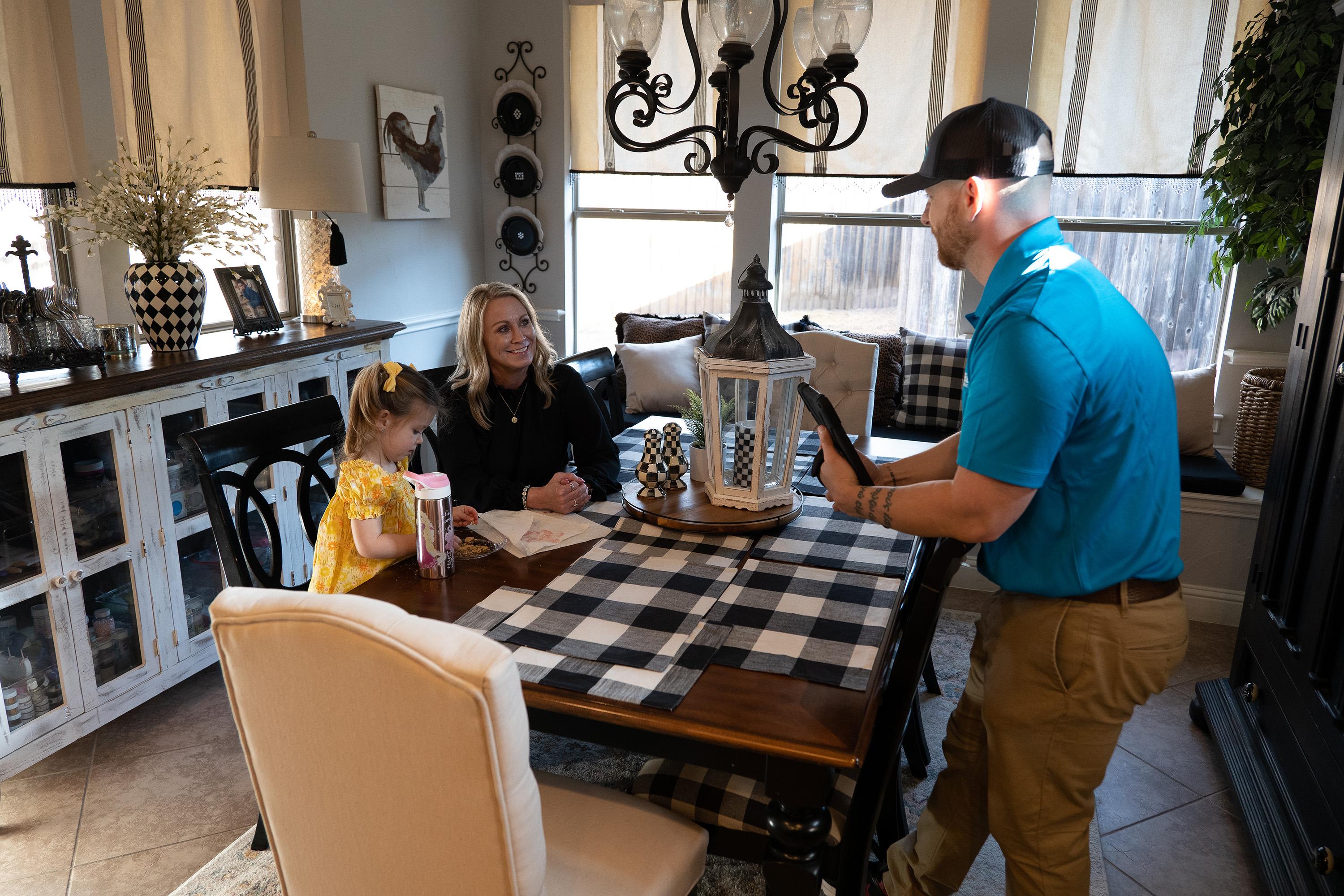
At Lightspeed Restoration of Austin, we don’t just clean surface mold—we:
-
Identify and eliminate the moisture source
-
Contain the affected area to prevent spread
-
Use professional-grade equipment to remove mold at the source
-
Ensure the problem is fully resolved so it doesn’t return
If you suspect black mold in your home, don’t take chances.
Contact Lightspeed Restoration of Austin today at 512-428-8309 for professional mold remediation.