

Discovering mold after a water event in your Texas home raises an immediate question: will your insurance pay for cleanup? The answer depends on how the water got in, how quickly you acted, and what endorsements sit on your declarations page. This guide walks Austin-area homeowners through the specifics of mold coverage in Texas, common pitfalls that lead to claim denials, and practical steps to protect both your property and your insurance standing.
Key Takeaways
-
Texas homeowners' insurance may cover mold only when it results from a sudden, covered water damage event (like burst pipes during a 2026 freeze), not from long-term leaks or neglect.
-
Standard Texas homeowners' policies often cap mold coverage between $5,000 and $10,000 unless you purchased a mold or water-damage endorsement—limits vary depending on your insurer.
-
Mold from flooding (rising water from rain, rivers, or storm surge) is not covered by standard home insurance and generally requires a separate flood insurance policy through NFIP or a private carrier.
-
Prompt action after water damage—within 24 to 48 hours—is critical both to prevent mold growth and to avoid claim denials for “failure to mitigate damage.”
-
Lightspeed Restoration of Austin serves as a local resource that can document damage, dry the structure, and coordinate with your claims adjuster on mold-related claims.
How Mold Coverage Works in Texas Homeowners Insurance
Texas policies follow a similar mold to the rest of the country, but the state’s intense storms and high humidity create unique challenges. Understanding how your standard homeowners insurance policy handles mold can save you from unpleasant surprises when you file a claim.
-
Most Texas homeowners' policies are written on an HO-3 or similar “open perils” form for the dwelling structure, but they still include explicit mold, fungus, and rot limitations or exclusions in the policy language.
-
Mold is usually covered only when it results from a sudden, accidental covered peril, such as a burst supply line in a second-floor bathroom or an air-conditioning condensate line that suddenly disconnects.
-
Many insurers in Texas either exclude mold entirely or provide limited mold coverage through sub-limits. For example, your policy might cap mold remediation services at $5,000 even though your dwelling limit is $300,000.
-
Policy language often refers to “microbial growth” or “fungus, including mold,” and the exact coverage will vary depending on endorsements added at purchase or renewal.
-
The extent of your protection depends on what’s listed on your declarations page. Homeowners in Austin should review this document annually to determine whether a “Limited Fungi, Wet or Dry Rot, or Bacteria Coverage” endorsement is available and what dollar limits apply.
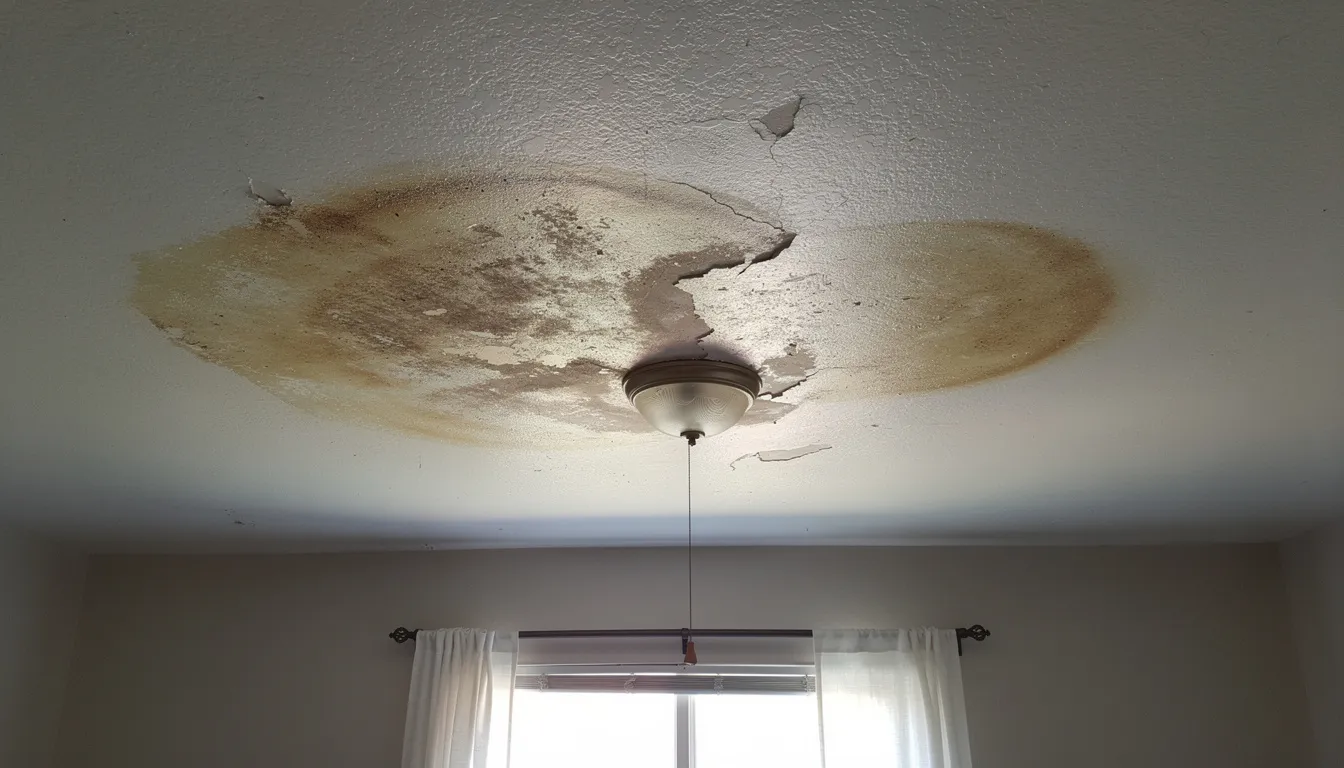
When Texas Home Insurance Typically Covers Mold After Water Damage
Yes, your home insurance policy can cover mold damage—but only if the water event is sudden and accidental. Here are concrete scenarios that Texas homeowners might recognize.
-
Sudden plumbing failures: A copper pipe bursts during a February 2025 cold snap in Austin, soaking walls and flooring. The resulting mold growth, if promptly reported and mitigated, is usually covered under the policy. Your insurer expects you to contact them and begin drying the structure immediately.
-
Appliance failures: A washing machine hose ruptures overnight or an ice-maker supply line breaks, flooding the kitchen. Insurance may pay for both the water damage and the necessary mold removal because the event was sudden, not gradual.
-
Storm-related water intrusions: A windstorm in 2026 tears shingles off your roof and rain enters through the opening. If you later discover mold on the ceiling, it may be covered by your policy, and working with a local mold remediation company can help properly document and address the issue.
-
AC condensate line issues: When a condensate line clogs or a drain pan overflows, causing sudden water damage inside walls and resulting in mold, it may be covered—provided you document the event as sudden rather than long-term seepage.
-
Prompt reporting matters: If a homeowner in Downtown Austin calls their insurance company and a restoration firm like Lightspeed Restoration of Austin within hours or days of the leak, they strengthen the argument that the mold is tied to the initial covered event. Waiting weeks undermines your claim.
When Mold Is Not Covered in Texas (Common Exclusions)
Most mold denials in Texas hinge on one distinction: was this a maintenance issue or a sudden loss? Insurers scrutinize this question closely, and understanding common exclusions can help you avoid a disappointing denial letter.
-
Long-term, slow leaks: Mold from a drip under a kitchen sink that has been staining the cabinet for months is commonly denied as “wear and tear” or homeowner neglect. Your insurer will argue you should have addressed the leak before the mold appeared.
-
Flood damage from rising water: Standard Texas homeowners' insurance does not cover mold from outside water sources like rising floodwaters, surface water intrusion under doors, or creek overflow after a May 2026 storm. This requires a separate flood insurance policy.
-
Humidity-related mold: Growth in a poorly ventilated bathroom with no exhaust fans, or in a rarely used closet on an exterior wall, is generally excluded because it is considered preventable with routine home maintenance.
-
Ongoing roof leaks: Mold caused by deteriorated shingles that clearly needed replacement for years has often declined. The insurer will note that the homeowner did not repair obvious damage in a timely way, shifting responsibility away from the policy.
-
Pre-existing mold: Mold present before the policy started, or discovered during a pre-purchase inspection and not repaired, will typically be excluded as pre-existing damage.
-
Denial letter language: Denials from Texas insurers usually cite specific policy exclusions, such as “smog, rust or other corrosion, fungus, wet or dry rot.” Appealing such a denial requires proof that the mold is tied to a covered peril rather than to maintenance or gradual water leakage.
Special Situations: Flood, Sewer Backup, and Optional Mold Endorsements
Not all water damage is created equal in the eyes of insurers. These special coverage categories often confuse Texas homeowners, so understanding the distinctions can help you identify gaps in your protection.
Flood Insurance
-
Flood insurance through the National Flood Insurance Program or private carriers is required for rising water from rivers, creeks, and heavy Austin-area storms. A standard homeowners policy in Texas does not cover this type of mold or flood damage.
-
NFIP policies generally limit or exclude mold unless the homeowner cannot reasonably prevent it, such as when officials bar re-entry to a flooded neighborhood for safety reasons. Even then, coverage is minimal.
-
If you live in a flood-prone area, purchasing a separate flood insurance policy is the only way to protect yourself from mold claims tied to rising water.
Sewer Backup
-
Water backup or sewer backup endorsements can be added to Texas policies, covering mold resulting from a backed-up sewer line, a failed sump pump, or a clogged main drain that forces wastewater into your house.
-
Without this endorsement, sewage intrusion—and any resulting mold—falls outside your coverage entirely.
Hidden Water Damage Endorsements
-
Some Texas insurers offer “hidden water damage” or similar endorsements that help when a pipe leaks behind a wall for weeks undetected, leading to concealed mold growth.
-
These endorsements bridge the gap between “sudden” and “gradual” by acknowledging that some leaks genuinely escape notice despite reasonable home maintenance.
Mold-Specific Endorsements
-
Ask your insurance agent if your policy includes a specific “fungi, mold, or bacteria” endorsement with a separate limit. Many Texas carriers offer this as an add-on.
-
You may be able to increase your mold coverage from the standard $5,000 to $25,000 or more for an additional premium—a worthwhile consideration in humid Central Texas.
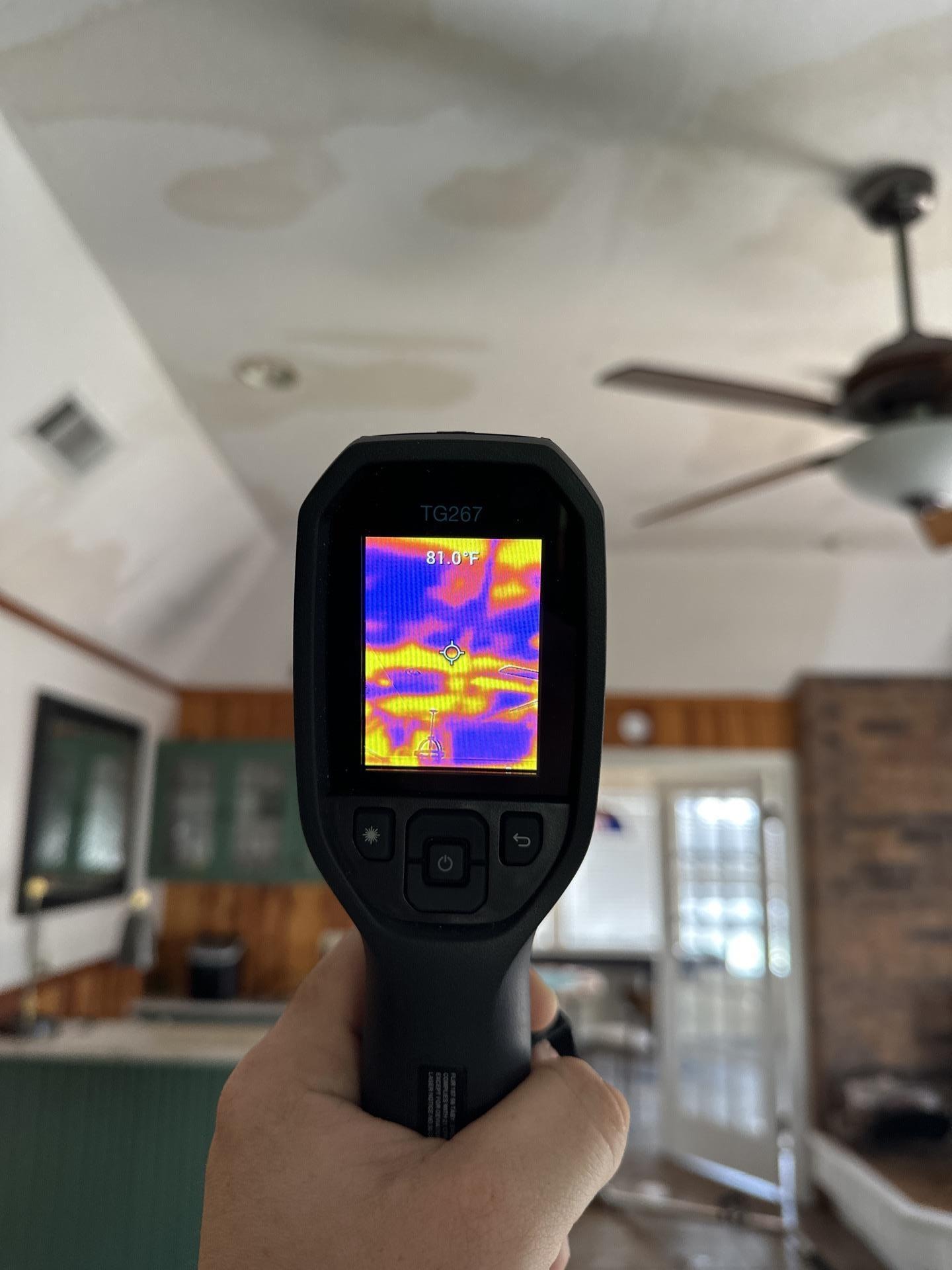
Should You File a Mold Claim After Water Damage in Texas?
Not every mold situation is worth a claim. Before you contact your insurer, consider the cost-benefit analysis carefully—a small claim today could affect your premiums and insurability for years.
-
Compare remediation cost to your deductible: If mold cleanup in a small Austin bathroom is quoted at $2,500 and your deductible is $1,500, your net payout may be only $1,000. You might spend that $1,000 and still carry a claim on your record.
-
Consider your claims history: Multiple water or mold claims within a 3–5 year period can increase premiums or make it harder to switch insurers in Texas. Claims history is shared in databases like CLUE, and companies review this when you apply for new coverage.
-
Assess the scope: Very small mold areas (under about 10 square feet on non-porous materials) may be handled out of pocket. Extensive contamination behind walls or across multiple rooms typically warrants both professional removal and a formal claim.
-
Get a preliminary assessment: Start with a professional mold inspection in Austin to confirm the extent of growth, then contact a restoration company like Lightspeed Restoration of Austin to get a rough cost range before deciding whether to open a claim.
-
Explore hypothetical discussions: Some insurers allow you to discuss a potential claim without formally filing. Ask your claims department how a mold claim could affect your policy before committing to the process.
How to File a Mold-Related Claim After Water Damage in Texas
Speed and documentation drive successful mold claims. Follow this step-by-step process to give yourself the strongest possible position when working with your insurer. If you’re unfamiliar with the claims process, reviewing a step-by-step guide on water damage insurance claims in Austin, TX can help you understand timelines, documentation, and how adjusters evaluate your case.
-
Document the timeline precisely: Record when the water damage occurred (date and approximate time), when you discovered it, and when mold was first noticed. These details matter in Texas claim investigations. A leak discovered Monday morning that you don’t report until Friday afternoon raises red flags.
-
Take photos and videos immediately: Capture clear, dated images of the water source, affected rooms, visible mold growth, and any personal property impacted (furniture, rugs, electronics) before major cleanup begins. Visual evidence is hard to dispute later.
-
Contact your insurance company promptly: Call the claims number the same day the loss is discovered, if possible. Describe the event as sudden and accidental if that is accurate. Avoid speculation about causes you don’t fully understand.
-
Call a mitigation company right away: Contact Lightspeed Restoration of Austin or a similar professional to start water extraction, drying, and containment. Insurers in Texas expect homeowners to take reasonable steps to prevent mold from spreading—waiting days without action can trigger a denial for failure to mitigate further damage.
-
Keep all documentation: Save invoices, estimates, and any moisture readings provided by the restoration company. These records can be shared with the claims adjuster to justify mold remediation scope and cost.
-
Be present for the adjuster’s inspection: When the adjuster visits, allow your restoration contractor to explain technical details like humidity levels, wall cavity moisture readings, and why professional mold removal is required. This expertise often tips decisions in your favor.
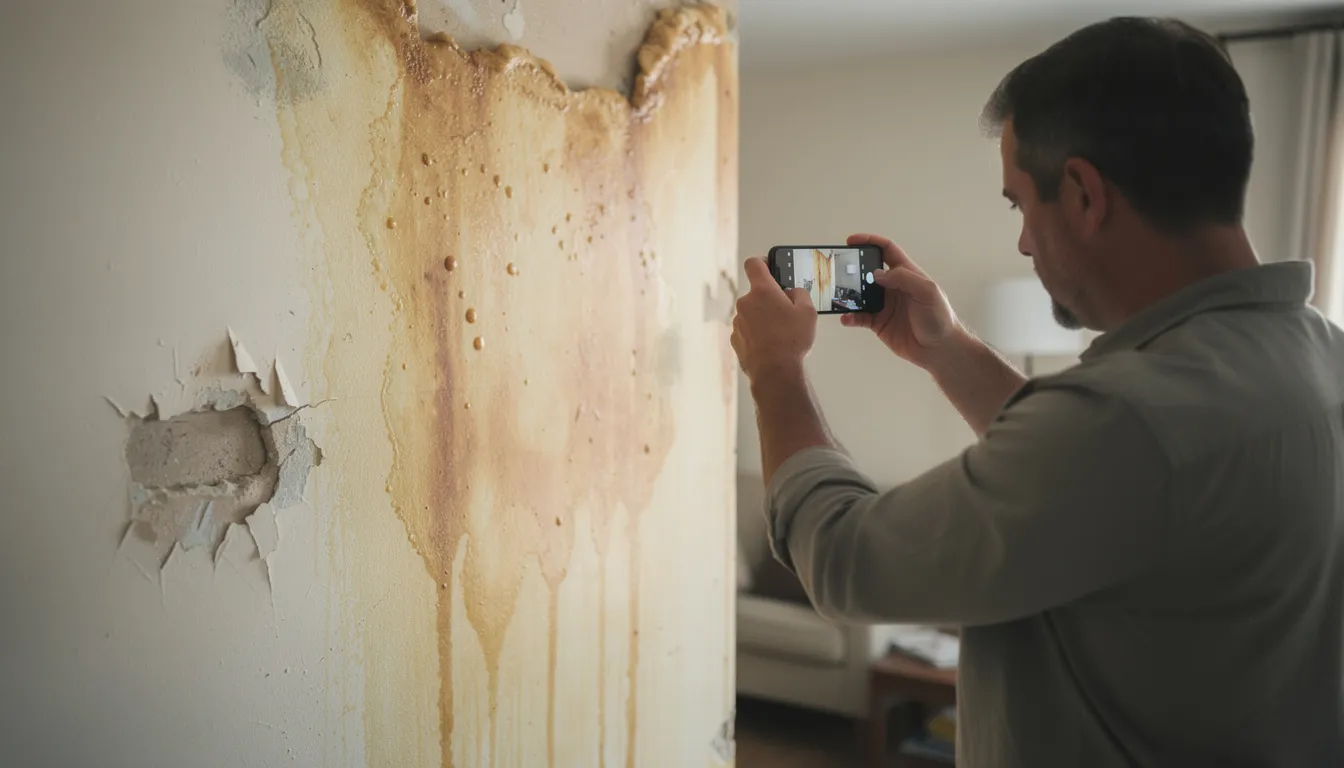
Working With Lightspeed Restoration of Austin on Water Damage and Insurance
Navigating a water damage claim while simultaneously dealing with property damage is stressful. Working with a professional water damage restoration company in Austin, TX ensures your property is properly dried, documented, and restored while supporting your insurance claim. Lightspeed Restoration of Austin serves as a local expert who supports homeowners, particularly during Texas mold and water claims.
-
24/7 emergency response: Lightspeed responds around the clock in the Austin metro area to burst pipes, roof leaks, and AC overflows—the types of events that often lead to covered water damage claims. Fast response reduces mold exposure risk and strengthens your claim.
-
Scientific documentation: The team performs moisture mapping, uses thermal imaging, and takes readings that show exactly how far water has traveled. Adjusters rely on this documentation when approving mold-related repairs.
-
Industry-standard protocols: Lightspeed follows IICRC S500 for water damage and S520 for mold remediation. Following recognized standards strengthens your position that mitigation was reasonable and necessary—language that matters when insurers review claims.
-
Insurer communication support: The company provides detailed estimates, photos, and daily drying logs that align with what Texas carriers typically require. This removes guesswork and keeps your claim moving forward.
-
Early intervention matters: Contact Lightspeed Restoration of Austin as soon as you notice water damage or early signs. Addressing the problem quickly protects both your health and your insurance standing.
Preventing Mold After Water Damage in Texas Homes
Prevention protects both your family’s health and your relationship with your insurer. These practical steps address the unique challenges posed by Texas's climate—heat, humidity, and severe storms.
-
Dry wet materials within 24–48 hours: After a leak or minor spill, run dehumidifiers, fans, and air conditioning to remove moisture. Industry data suggests 70% of water losses lead to mold if unaddressed within 72 hours, so speed is critical—especially during humid Austin summers.
-
Inspect plumbing regularly: Check under sinks, around water heaters, and behind washing machines at least twice a year. Look for corrosion, soft drywall, or musty odors that could indicate slow leaks before they become claims.
-
Maintain your roof and gutters: Texas thunderstorms test roofing systems. Clear debris from gutters, check flashing after hail events, and promptly seal any suspected entry points to prevent further damage during the next storm.
-
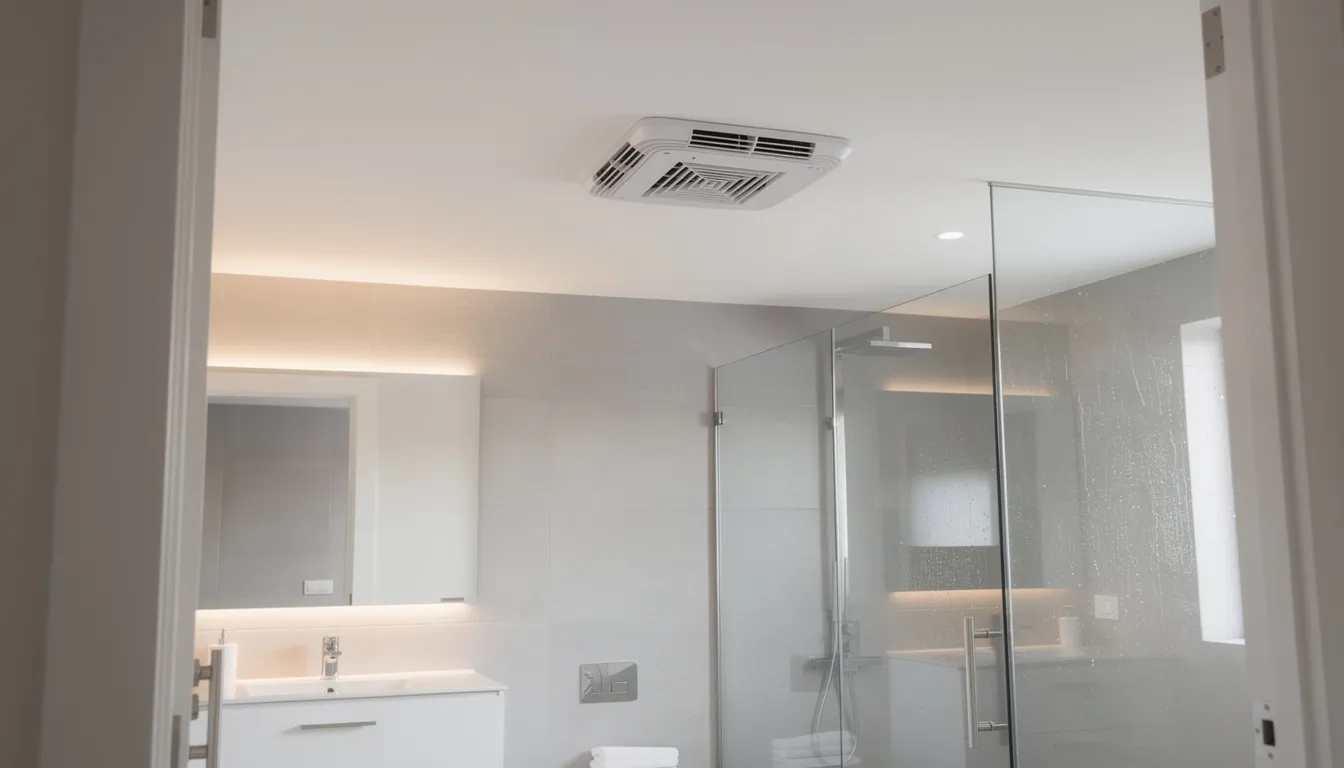
Improve ventilation: Use exhaust fans vented to the exterior in bathrooms, kitchens, and laundry rooms. Keep interior doors open when possible to promote airflow and reduce humidity pockets where mold spores thrive.
-
Respond to any water loss immediately: If a water event does occur, calling a professional mitigation company like Lightspeed Restoration of Austin early significantly reduces the chance of major mold growth and future disputes with your insurer.
According to the Environmental Protection Agency and the Centers for Disease Control, controlling moisture is the key to controlling mold. The same principle applies to insurance: demonstrable efforts to prevent mold strengthen your claims and reduce premiums over time.
FAQs About Insurance Coverage for Mold After Water Damage in Texas
These questions cover specific, practical concerns that Texas homeowners often raise when dealing with mold and insurance.
Does Texas law require my homeowners' policy to cover mold?
Texas law does not force insurers to include broad mold coverage. Instead, carriers must clearly outline what is and is not covered in policy documents. Many Texas policies limit mold coverage to certain causes (like sudden water damage from a covered peril) and apply low sub-limits—often $5,000 to $10,000—unless the homeowner buys additional coverage. If you’re unsure about your policy’s mold provisions, contact your insurance agent for clarification before a loss occurs.
Will my insurance pay for air testing or mold lab testing?
Many insurers treat air sampling and lab tests as part of mold remediation only when testing is necessary to complete repairs or verify successful cleanup. They typically will not pay for extensive testing conducted solely for peace of mind. If you believe testing is essential, ask your adjuster whether it can be included in an approved remediation plan before authorizing the work yourself.
If I fix the water leak myself, can I still file a mold claim later?
Homeowners can repair minor plumbing issues themselves, but thorough documentation is critical. Photograph the original leak, the affected area, and any repairs you make. However, waiting weeks or months to report the problem—and only calling the insurer once mold is severe—invites arguments that the damage was not sudden. Insurers may deny claims when the timeline suggests gradual water leaking rather than a sudden event, so report promptly, even if you’ve already made temporary repairs.
Does renters' insurance in Texas cover mold in my apartment?
Renters insurance usually covers the tenant’s personal property damaged by a covered water event, but policies often exclude or limit mold, just like homeowners' policies do. Structural mold in walls or ceilings is generally the landlord’s responsibility under the building policy. If you discover mold in your rental, report it immediately to both the property manager and your own insurer. Consider whether the cost of a mold claim against your renters' policy is worth the potential premium impact.
Can mold from my neighbor’s unit be covered by my insurance?
In condos and townhomes, mold that travels from a neighboring unit can create complex claims involving the HOA master policy and individual unit policies. If you discover mold that appears to originate next door, notify the HOA, your own insurer, and potentially the neighbor’s insurer promptly. Documentation from a company like Lightspeed Restoration of Austin—including moisture readings and photographs showing how water and mold migrated between units—can help establish responsibility and support your claim.
Understanding your Texas homeowners policy before water strikes puts you in a far stronger position than scrambling to interpret exclusions during a crisis. Quick action after water damage protects both your health and your insurance standing—and working with professionals who understand both remediation and claims documentation makes the process significantly smoother.
If you’re dealing with water damage or suspect mold in your Austin-area home, contact Lightspeed Restoration of Austin at 512-428-8309 for a consultation. If you haven’t experienced a loss yet, take five minutes today to review your declarations page and confirm your mold coverage limits. When you need to seek legal advice or more detailed policy interpretation, your insurance agent can point you toward qualified resources. Either way, preparation beats reaction every time.