

Key Takeaways
-
Call 512-428-8309 for prompt mold remediation services in Austin, TX—available 24/7 for emergencies and initial assessments
-
Lightspeed Restoration of Austin is a Texas-licensed mold remediation company that handles residential and commercial mold remediation throughout Austin and nearby neighborhoods, including Mueller, East Austin, South Congress, and North Loop
-
Full-service remediation includes containment, mold removal, cleaning, and restoration, with coordination with licensed Texas mold assessors when required
-
Austin’s 2023–2025 heavy rain seasons, AC condensation, and plumbing leaks in older Central Austin homes create ideal conditions for mold growth
-
Fast professional response protects both occupant health and property value—don’t wait for small patches to spread rapidly
Professional Mold Remediation Services in Austin, TX
Mold remediation is the systematic process of identifying, containing, and removing mold from your home or business while restoring affected areas to safe, pre-loss condition. In many cases, this removal phase is also referred to as mold abatement, especially when contaminated materials need to be fully taken out and replaced. In Austin, TX, where humidity regularly exceeds 70% during summer months and recent storm seasons have dumped over 50 inches of rain in some Central Texas areas, mold growth has become a persistent challenge for property owners.
Lightspeed Restoration of Austin is a locally owned provider focused solely on mold and water damage restoration for homes and businesses in Austin. Whether you’re dealing with a musty smell in a 1970s bungalow in Allandale, visible mold growth in a downtown condo, water damage in student housing near UT Austin, or contamination in a South Lamar restaurant, our team responds quickly to assess and address the problem.
Our approach prioritizes both health protection—removing allergens and irritants that affect indoor air quality—and structural protection for drywall, subfloors, and framing. If you suspect a mold issue after a leak or flood, it’s often the result of underlying water damage restoration in Austin, TX, that needs to be addressed—call 512-428-8309 immediately for an on-site evaluation.
Do You Have a Mold Problem in Your Austin Property?
Many Austin homeowners first notice a mold problem through a persistent musty odor after a 2025 thunderstorm, discoloration on bathroom ceilings, or warping baseboards near exterior walls. These visible signs often indicate a larger issue hidden beneath the surface. A professional mold inspection in Austin, TX, can help determine the full extent of the issue before remediation begins.
Common locations where mold appears in Austin properties:
-
Behind shower walls and around bathroom fixtures
-
Inside AC closets and around condensate lines
-
Under kitchen sinks near plumbing connections
-
Near flat roofs after hailstorms
-
Around older single-pane windows with condensation issues
-
In attics above garages with poor ventilation
Any water intrusion lasting 24–48 hours or more—from a slab leak, roof damage, or AC failure—can trigger mold growth on building materials such as drywall, insulation, and carpet padding. What’s visible on the surface often hides extensive damage behind walls or under flooring. Don’t ignore small patches; left untreated, they can spread rapidly and multiply remediation costs. In the worst case, this can lead to a house full of mold, requiring full-scale remediation.
Contact Lightspeed Restoration of Austin at 512-428-8309 if you notice stains, peeling paint, or damp smells in your Austin property.
Our Mold Remediation Process for Austin, TX Homes & Businesses
Our mold remediation process is tailored to Texas regulations and Austin’s subtropical climate. Lightspeed Restoration of Austin coordinates with licensed Texas mold assessment consultants when state law requires formal testing and written protocols. Every step is documented for property owners, landlords, and your insurance company—especially important for claims after severe weather events.
1. Emergency Contact & Initial Guidance
The remediation journey begins the moment you call 512-428-8309, available 24/7 for mold and water emergencies in Austin. During your initial call, we ask:
-
When the water damage occurred
-
Where mold has been seen or smelled
-
Whether anyone in the home has health sensitivities or allergic reactions
We provide immediate safety tips, such as avoiding disturbing suspected mold and shutting off water to active leaks. For urgent cases—like a recent burst pipe at a downtown office or a flooded condo near Lady Bird Lake—same-day on-site response is prioritized.
2. Inspection & Mold Damage Assessment
In Texas, formal mold inspection and written assessment protocols must be performed by a separately licensed mold consultant, and we can connect you to local licensed professionals when needed.
Based on the inspection and the mold remediation protocol developed by the licensed mold assessor, we can then perform mold remediation. The inspection report identifies affected areas (master bathroom, attic, restaurant kitchen), the likely moisture source (roof leak, AC condensate, plumbing failure), and helps determine whether materials can be cleaned or must be removed.
3. Mold Containment in Austin Properties
Containment prevents mold spores from traveling through shared hallways, HVAC systems, and unaffected rooms—which is critical in Austin’s multi-story condos, townhomes, and offices.
Typical containment measures include:
-
Plastic barriers from floor to ceiling
-
Zipper access doors for work crews
-
Sealing off vents and duct openings
-
Negative air pressure using specialized equipment
Your HVAC system is turned off or isolated in affected zones to stop spores from circulating through ducts, protecting unaffected areas and preventing cross-contamination.
4. Air Filtration & Environmental Controls
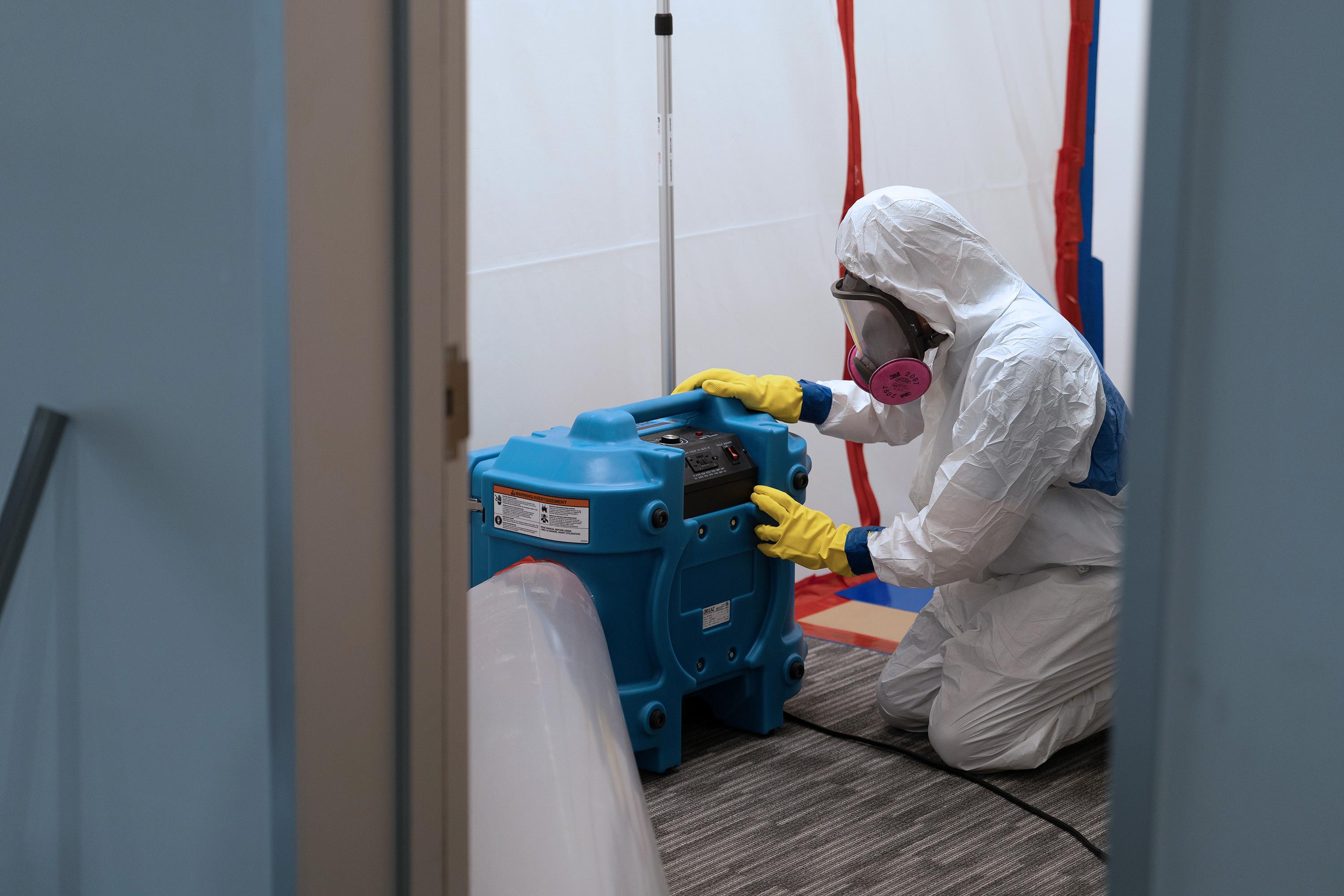
Air filtration improves indoor air quality during active remediation work. We use professional tools for mold remediation, such as HEPA air scrubbers, HEPA vacuums, and negative air machines vented to the building's exterior to capture particles as small as 0.3 microns.
Equipment runs continuously during remediation, sized for spaces ranging from small Hyde Park bungalows to larger offices in the Domain area. Occupants may be asked to limit access to work zones while filtration is running for safety and efficiency. We also use commercial-grade dehumidifiers to control the environment and keep humidity levels down, which is essential to prevent further mold growth during the remediation process.
5. Removing Mold and Mold-Infested Materials
Non-salvageable porous materials—drywall, carpet, insulation, and some ceiling tiles—that are extensively damaged are carefully removed, bagged, and disposed of in accordance with industry standards such as the IICRC S520 protocol.
Technicians apply antifungal and antimicrobial treatments to remaining surfaces, including framing, subfloors, and concrete. Decisions about what to remove mold from versus what requires complete removal are based on:
-
Extent of mold damage
-
Material type (porous vs. non-porous)
-
Texas regulations and assessor protocols
6. Cleaning, Sanitizing & Deodorizing
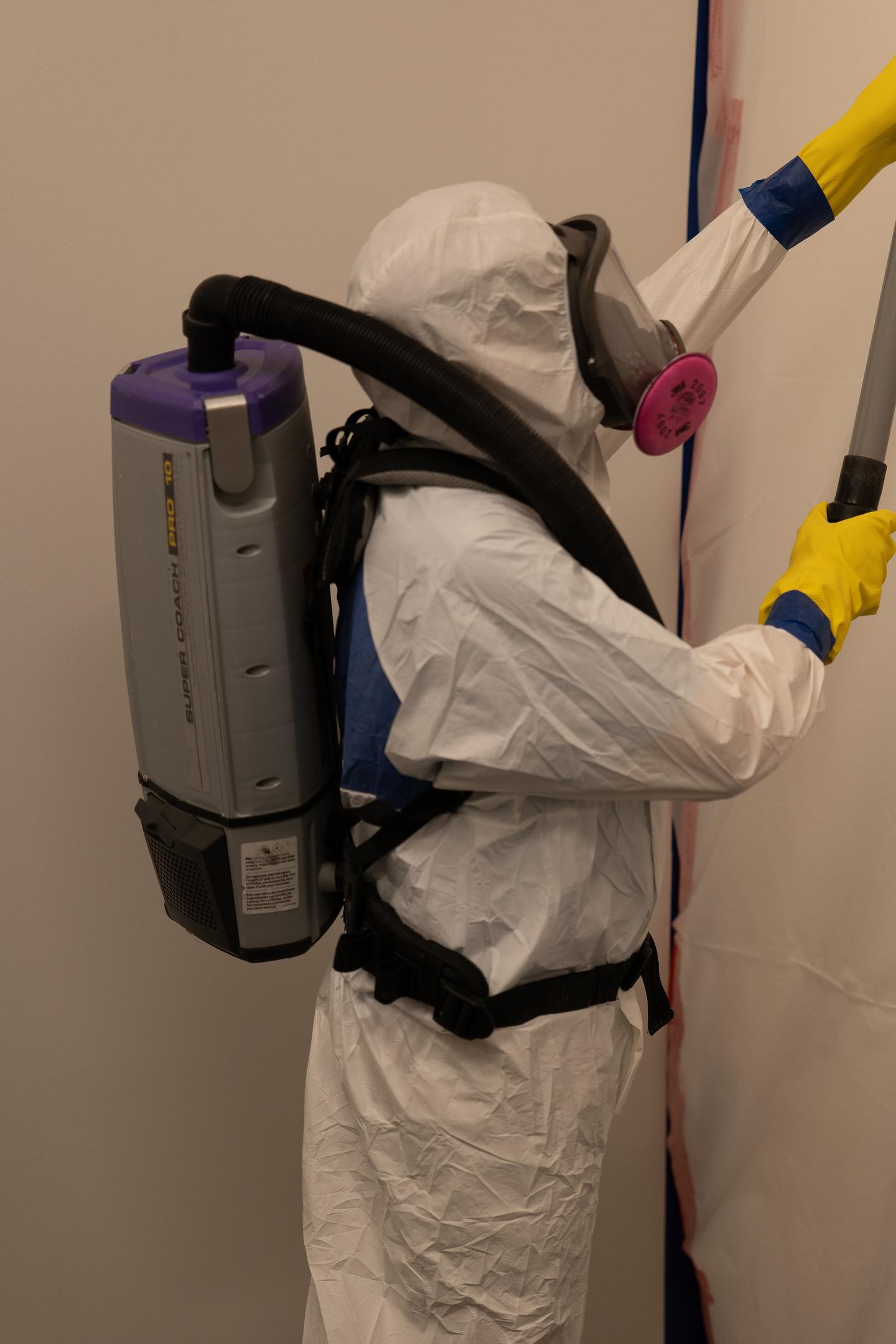
After removing bulk mold growth, detailed mold cleanup and deodorizing begin. Items that may be cleaned on-site include trim, hard-surface furniture, non-porous shelving, and certain fixtures. Some soft goods may need specialty cleaning or replacement.
HEPA vacuuming, damp wiping with appropriate solutions, and attention to dust-prone areas are essential. Lingering musty odors from volatile organic compounds are addressed through targeted cleaning rather than simply masking scents.
7. Clearance Testing by Licensed Mold Consultant
Once cleaning and sanitizing are complete, a licensed mold consultant conducts clearance testing to ensure that mold levels meet safety standards. This involves air sampling and surface testing to confirm that mold spores have been effectively removed and indoor air quality is restored. Upon receiving a positive clearance test, containment barriers are safely removed, signaling that the area is ready for the next phase.
8. Repairs & Full Restoration
After containment is taken down following successful clearance, Lightspeed Restoration of Austin handles or coordinates necessary construction services, including:
-
Drywall replacement and texturing
-
Painting and trim installation
-
Baseboard and flooring repairs
-
Minor repairs to affected fixtures
The goal is to return your property to pre-loss condition, matching textures and finishes common in Austin interiors. We encourage a final walk-through to review completed work and discuss ongoing moisture control. We can manage these repairs and restoration services for you if desired.
Residential Mold Remediation in Austin, TX
For Austin homeowners, renters, and landlords in neighborhoods and subdivisions like Tarrytown, Cherrywood, South Austin, and North Austin, residential mold remediation is planned to minimize disruption to daily life.
Typical residential scenarios we handle:
-
Leaks from second-story bathrooms
-
Refrigerator water line failures
-
Condensation around older windows
-
Roof leaks after spring hailstorms
We schedule work around family routines, set up contained work areas, and protect belongings. Special attention goes to children’s rooms and bedrooms of occupants with asthma or allergies, including extra filtration and clear communication about safety.
Call 512-428-8309 to discuss whether professional mold remediation is necessary for your situation.
Commercial Mold Remediation for Austin Businesses
Austin business owners and facility managers face unique challenges when mold threatens offices, retail spaces, restaurants, medical clinics, or schools. We’ve handled mold discovered behind walk-in coolers in South Congress restaurants, above drop ceilings in Domain tech offices, and in back-of-house areas of Lamar retail stores.
Lightspeed Restoration of Austin creates remediation plans accounting for business hours, employee access, and customer safety—often scheduling work during off-hours. We provide documentation for property managers, landlords, insurance carriers, and building authorities as needed.
Establish a pre-loss relationship with Lightspeed Restoration of Austin so you know exactly who to call at 512-428-8309 when a leak or flood threatens your business.
Why Mold is a Serious Issue in Austin’s Climate
Austin’s high humidity, 2024–2025 severe thunderstorms, and rapid temperature swings make moisture control a constant challenge. Even well-built properties struggle with condensation on ductwork, poorly ventilated bathrooms, and minor roof penetrations that slowly leak.
Health risks associated with mold exposure include:
-
Respiratory irritation and aggravated asthma
-
Sinus congestion and allergic reactions
-
Skin irritation (dermatitis)
-
Increased symptoms in sensitive individuals
Property damage risks include:
-
Compromised drywall and wall cavities
-
Swollen baseboards and trim
-
Delaminated engineered wood flooring
-
Fungal growth on the roof decking and framing
Prompt professional mold remediation protects both occupant health and the long-term value of your Austin property.
Working Within Texas Mold Laws & When to Involve a Licensed Assessor
Texas has specific regulations for mold assessment and remediation overseen by the Texas Department of Licensing and Regulation (TDLR). For projects exceeding 25 contiguous square feet in residential settings—or any amount in schools and commercial buildings in Travis County, Hays County, or Bastrop County—a licensed mold assessment consultant must create a written protocol, and a separate licensed remediation contractor must perform mold remediation following that protocol.
Lightspeed Restoration of Austin helps customers understand when these rules apply and coordinates with independent, licensed mold assessors in the Austin area. DIY attempts using household chemicals like bleach can spread spores, damage materials, and complicate future insurance claims.
Call 512-428-8309 for guidance before starting a major cleanup yourself.
Preventing Future Mold Problems in Austin Properties
Long-term mold prevention focuses on moisture control, ventilation, and routine inspection.
Practical tips for Austin homeowners:
-
Maintain indoor humidity below 50% using dehumidifiers
-
Run bathroom and kitchen exhaust fans venting outdoors
-
Check AC condensate lines, gutters, and roof flashing seasonally
-
Inspect under sinks, around water heaters, and in attics for stains or damp insulation
-
Address minor leaks immediately before mold spores can establish
Properties in Westlake, Cedar Park, Tarrytown, Dripping Springs, Sunset Valley, and throughout the Austin area benefit from establishing an ongoing relationship with a local mold remediation company that can respond quickly after water incidents.
Call Lightspeed Restoration of Austin Today
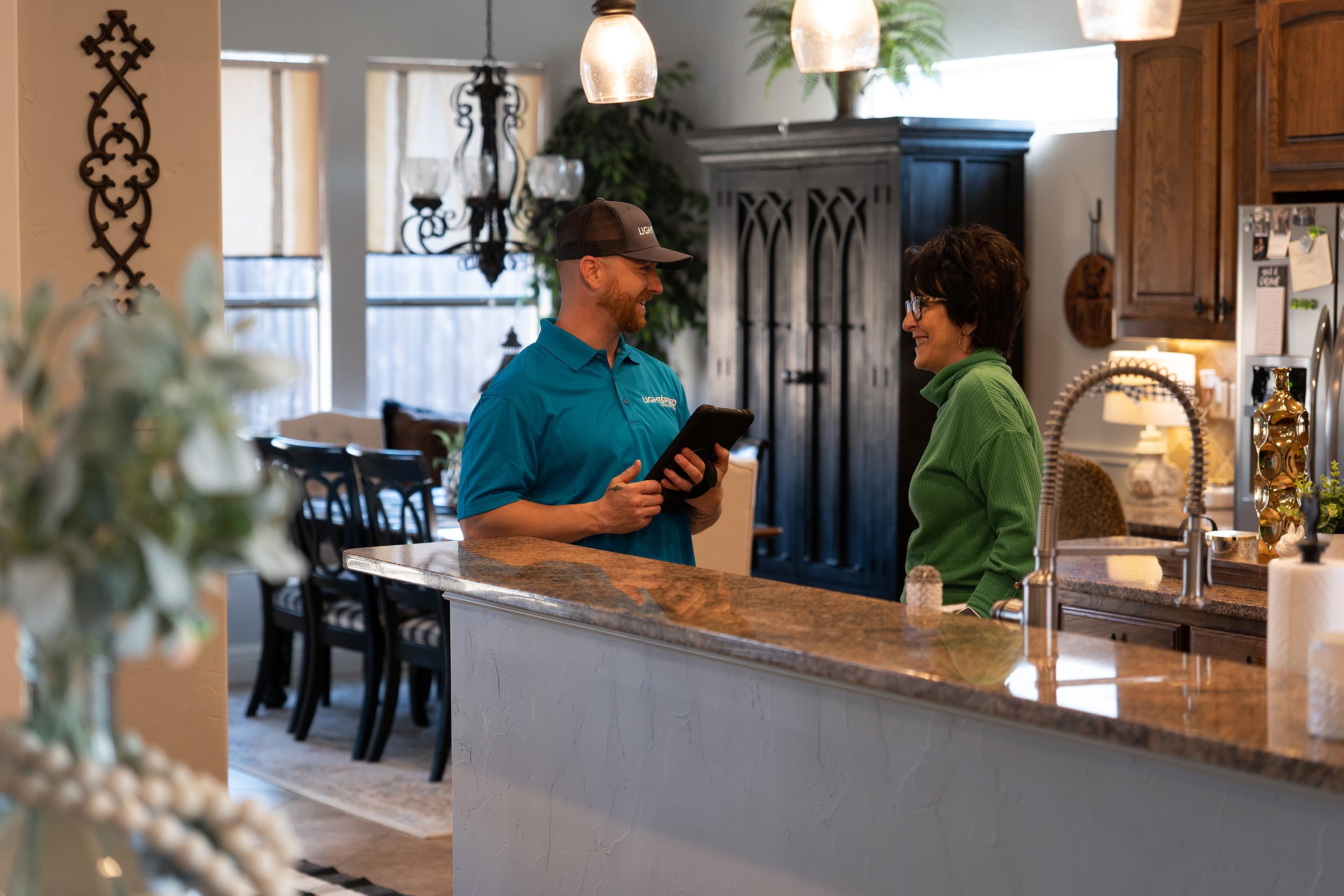
When you find mold in your home or commercial space, swift action can make the difference between a manageable project and extensive property damage. Lightspeed Restoration of Austin offers local expertise, 24/7 emergency response, and full-service remediation—from containment through final restoration—with guidance through Texas regulations every step of the way.
We serve only the Austin, TX area, allowing our professionals to focus on local conditions, building types, and neighborhood-specific challenges. Our team has done a wonderful job helping Austin homeowners and businesses quickly restore safe, healthy environments.
Call 512-428-8309 to schedule service, request an emergency response, or ask questions about ongoing mold issues. Explore our related mold and water damage articles on this site for deeper education on protecting your Austin property.
Frequently Asked Questions About Mold Remediation in Austin, TX
These FAQs address common concerns about timing, costs, and safety during remediation. For guidance specific to your situation, call 512-428-8309.
How long does mold remediation usually take in an Austin home?
Small, localized projects, such as a single bathroom wall, typically take 1–3 days. Multi-room or whole-floor issues after major leaks can take 5–10 days or longer to resolve. Timeline depends on the size of affected areas, how long materials have been wet, and the time required to thoroughly dry the structure. During your initial assessment, we provide a realistic estimate based on your property’s unique conditions.
Can I stay in my house during mold remediation?
Many Austin homeowners can remain in the property when mold is confined to a small, well-contained area isolated from living spaces. For extensive contamination, significant health sensitivities, or when key rooms such as kitchens and bedrooms are affected, temporary relocation may be recommended. We discuss options during planning to determine a safe, practical approach.
Does homeowners' insurance cover mold remediation in Austin?
Coverage varies by policy and the cause of mold. Mold resulting from sudden, quickly discovered water losses—like a burst pipe—is more likely to be covered than mold from long-term neglected leaks. Contact your insurance company for specifics; Lightspeed Restoration of Austin provides documentation and communicates with adjusters when needed. For additional information, you can visit our guide titled "Will Insurance Cover Mold After Water Damage in Austin, TX?"
Is all mold “black mold,” and should I be worried about toxic mold?
Many molds appear dark or black—color alone doesn’t determine toxicity. The CDC recommends removing any significant mold growth regardless of type to protect health and property. When required, a licensed Texas mold assessor can perform testing to identify species; we help connect clients to local assessors serving the Austin.
What should I do first if I find mold after a leak or flood?
Address active water sources immediately by shutting off the water or safely containing leaks. Avoid disturbing visible mold—scrubbing or cutting can spread spores throughout your home. Call 512-428-8309 as soon as possible so Lightspeed Restoration of Austin can guide you through the next steps and schedule an on-site assessment to determine the full extent of the damage.