

Key Takeaways
-
A house full of mold in Austin, TX, is a serious health and structural emergency requiring immediate professional attention—call Lightspeed Restoration of Austin at 512-428-8309 for same-day inspection.
-
Do not attempt to clean extensive mold yourself; disturbing large moldy areas can spread airborne spores and worsen contamination.
-
Excess moisture from leaks, floods, or high humidity is always the root cause—mold will return within days if the moisture source is not fixed.
-
Professional mold remediation can typically save your home if addressed quickly, even when multiple rooms are affected.
-
Austin’s hot, humid climate and common issues like AC condensate backups and slab foundation leaks make local homes particularly vulnerable to rapid mold colonization.
Understanding a House Full of Mold
Picture this: you return to your Austin home after a two-week August vacation. The moment you open the front door, a musty odor hits you. Walking through the house, you discover black and green patches spreading across bathroom walls, bedroom ceilings, and the back of your living room furniture. This is what a house full of mold looks like in real life.
When we talk about a home overrun with indoor mold, we mean something far beyond a small patch behind the shower:
-
Multiple rooms show visible mold growth on walls, ceilings, or floors
-
A persistent musty odor is noticeable throughout the house, even in rooms without obvious mold present
-
Mold appears on various surfaces, including drywall, carpets, ceiling tiles, and air ducts or HVAC vents
-
Growth is spreading into closets, attic spaces, or crawlspaces
The distinction matters. A small isolated patch of mold (under 10 square feet) in a single bathroom is often manageable with careful cleaning. But when fuzzy or slimy growth covers rooms throughout your home, you are dealing with whole-house contamination that requires a completely different approach.
Mold is a type of fungus that feeds on organic material, such as the cellulose in drywall, wood framing, and carpet backing. When moisture is consistently present, and indoor humidity climbs above 60%, mold spores that are always floating in the air land on damp surfaces and begin to colonize. Under the right conditions—temperatures between 77°F and 86°F are ideal—mold can establish visible colonies in as little as 48 to 72 hours.
Why Homes in Austin, TX End Up Full of Mold
Austin’s climate creates nearly perfect conditions for household mold. Hot, humid summers regularly push outdoor humidity to 70% or higher, and heavy spring thunderstorms can dump inches of rain in a single afternoon. Add in events like the 2021 winter freeze that burst pipes across the city, Hurricane Beryl in 2024, and the 2015 Memorial Day floods, and it becomes clear why mold growth is a recurring problem for Central Texas homeowners.
Here are the most common local causes we see:
-
Roof leaks after thunderstorms: Central Texas hail and wind damage often go unnoticed until water stains appear on ceilings weeks later.
-
AC condensate line backups: In 95°F+ heat, air conditioners run constantly. Clogged drain lines cause water to overflow into air conditioning drip pans, closets, and wall cavities.
-
Plumbing leaks in slab foundations: Austin’s clay soils expand and contract seasonally, stressing copper pipes and creating pinhole leaks that saturate subflooring for months before detection.
-
Poorly ventilated bathrooms and kitchens: Exhaust fans that vent into attics instead of outdoors trap moisture, where mold can grow unnoticed.
Power outages during summer storms or extreme heat events create another serious risk. Without air conditioning, indoor humidity can spike above 70% within hours. A home that was dry on Friday can have visible mold on Monday if the AC stays off through a humid weekend.
Modern Austin homes built for energy efficiency often compound the problem. Tightly sealed construction keeps conditioned air in—but it also traps moisture when HVAC systems are undersized, improperly maintained, or simply not running. These homes need active ventilation strategies and properly functioning exhaust fans to control moisture.
At Lightspeed Restoration of Austin, we understand these regional issues firsthand because we work in Austin neighborhoods every day. The moisture problem in a historic Hyde Park bungalow looks different than one in a new Mueller development, and we adjust our approach accordingly.
Health Risks When Your House Is Full of Mold
Living in a mold-filled home is more than unpleasant—it poses serious health risks that warrant immediate attention. This is especially true for children, older adults, pregnant women, and anyone with existing respiratory conditions.
Heavy mold exposure can trigger a range of physical symptoms and allergic reactions:
-
Persistent coughing and wheezing that does not respond to usual treatments
-
Worsening asthma attacks (studies show up to 80% of asthmatics report increased symptoms around mold)
-
Chronic sinus congestion, runny nose, and postnasal drip
-
Headaches and fatigue that improve when away from home
-
Itchy, red, or watering eyes
-
Skin rash or skin irritation from contact with moldy surfaces
The health effects come from inhaling mold spores, fragments, and the volatile organic compounds mold produces as it breaks down materials. Different mold species—including dark-colored black mold varieties like Stachybotrys chartarum—can produce allergens and irritants. However, the total mold load in your home matters more than identifying the exact species. All indoor mold at high concentrations can cause health problems.
For anyone with a weakened immune system, recent surgery, or chronic lung disease, a house full of mold presents a genuine health hazard. These individuals should leave the home immediately and consult a physician before returning.
Important: Do not sleep in a heavily moldy bedroom or remain in a home where multiple rooms smell strongly musty. The health risks of continued mold exposure are not worth taking.
How to Tell If Your Whole House Has a Mold Problem
Visible mold is only part of the story. Moisture history and odors provide equally important clues about whether you are dealing with a localized issue or whole-house contamination.
Visual Signs Across Multiple Areas
-
Fuzzy or slimy patches in black, green, white, or orange on drywall, baseboards, and window frames
-
Warped or bubbling paint that suggests moisture behind walls
-
Discoloration on ceiling tiles or around HVAC registers
-
Mold growing on the backs of furniture pushed against exterior walls
-
Visible growth inside closets, especially on cold surfaces like exterior-facing walls
Non-Visual Indicators
-
Strong musty odor the moment you open the front door
-
Symptoms (congestion, headaches, fatigue) that improve when you leave home for a few days
-
Condensation regularly appearing on windows, mirrors, or AC vents
-
A humidity meter consistently reading above 55-60% relative humidity indoors
Austin Trouble Spots to Check
-
Under kitchen and bathroom sinks, where plumbing leaks often hide
-
Around water heaters in garages or utility closets
-
Behind large furniture onthe basement walls or exterior walls
-
Near AC closets, return vents, and air handler cabinets
-
In attic spaces above bathroom fans (especially those vented into the attic)
You should suspect hidden mold if you smell mold but cannot see it, if you have had water intrusion in the past year, or if family members experience ongoing respiratory symptoms at home. A professional inspection is recommended whenever more than one room is affected, there has been a recent water event, or mold appears inside HVAC components or wall cavities.
Do You Need Mold Testing in a Mold-Filled House?
When mold is already visibly spreading through multiple rooms, mold testing is usually not needed to decide what to do next. The answer is already clear: the mold must be removed and the moisture source corrected.
Here is what homeowners should understand about testing:
-
No federal “safe level” standard exists for indoor mold. The priority is always to get rid of mold and fix moisture, not to chase specific species names or spore counts.
-
Testing makes sense in specific situations: documenting a problem for a landlord dispute, supporting an insurance claim, confirming successful remediation, or when occupants have unusual health conditions that require medical documentation.
-
DIY home test kits are often unreliable. Many collect spores that are common in outdoor air, which can yield misleading results. Professional sampling, when needed, should follow the American Industrial Hygiene Association guidelines and the standards of governmental industrial hygienists.
At Lightspeed Restoration of Austin, we help coordinate or interpret mold testing when it genuinely benefits the homeowner. We do not push unnecessary lab work just to run up costs. However, in Texas, any moldy area larger than 25 contiguous square feet is legally required to be tested by a licensed mold assessor. If your home has visible mold in multiple areas exceeding this size, testing is mandatory to comply with regulations and guide proper remediation.
Emergency Steps If Your House Is Full of Mold
Discovering your home overrun with mold is overwhelming. Here is exactly what to do in the first 24 hours:
-
Limit your time in the home. If mold is extensive or you feel sick (coughing, headache, dizziness), minimize exposure. Call Lightspeed Restoration of Austin at 512-428-8309 for urgent assessment—we respond the same day.
-
Turn off central HVAC if mold is visible on vents or inside the air handler. Running the system can spread mold spores throughout the house via air ducts. However, if shutting off AC would create dangerous heat conditions, wait for professional guidance rather than risking heat illness.
-
Use personal protective equipment for brief entry. Wear an N95 mask (filters 95% of particles down to 0.3 microns), rubber gloves, and eye protection. Avoid touching or disturbing moldy surfaces.
-
Do not scrub, vacuum, or spray cleaning chemicals on large moldy areas. Disturbing mold releases massive quantities of spores into the air. Wait for proper containment.
-
Do not use fans or open windows directly onto heavily moldy surfaces. This can push spores into cleaner rooms and wall cavities, worsening contamination.
-
Document everything. Take photos and videos of all affected areas before anything is touched. Note the date you discovered the problem and any water events (storms, leaks, floods) that preceded it.
-
Gather fresh air safely. If you must stay briefly, open windows in unaffected areas away from visible mold. Do not create cross-ventilation through moldy rooms.
Professional Mold Remediation: How We Restore a Mold-Filled House
Whole-house mold is beyond the scope of typical DIY cleaning. Using household cleaning solutions on a small bathroom spot is one thing; trying to clean mold yourself when multiple rooms are contaminated is another matter entirely. If you’re dealing with widespread contamination, professional mold remediation services in Austin, TX, are the safest way to restore your home and prevent further damage.
Here is how Lightspeed Restoration of Austin approaches full-scale mold remediation.
Initial Inspection and Assessment
Our technicians conduct a thorough evaluation, including:
-
Moisture readings with professional meters to identify wet materials behind walls and under floors
-
Infrared imaging was needed to detect hidden moisture and temperature anomalies
-
Room-by-room mapping of affected areas, documenting which materials (drywall, insulation, cabinets, flooring) require removal versus cleaning
This assessment determines how much mold is present, where the moisture source originates, and the full scope of work.
Containment to Protect Clean Areas
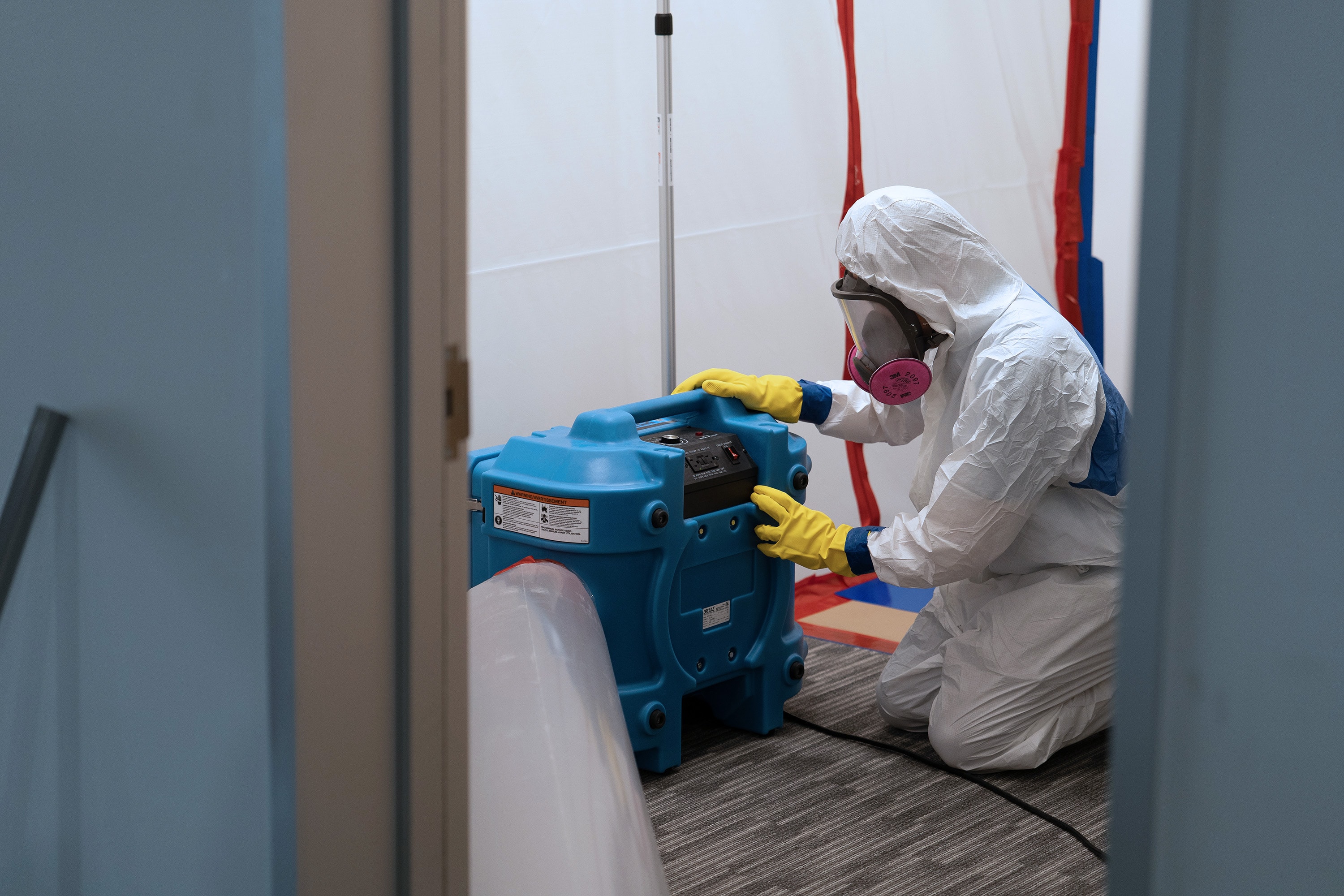
Before any moldy materials are disturbed, we establish containment:
-
6-mil plastic sheeting seals off affected zones from the rest of the home
-
Negative air machines with HEPA filtration create airflow that pulls contaminated air through filters rather than spreading it
-
Dedicated entry and exit paths prevent cross-contamination
This containment is critical. Without it, demolition releases millions of spores that settle throughout previously clean rooms.
Removal and Cleaning
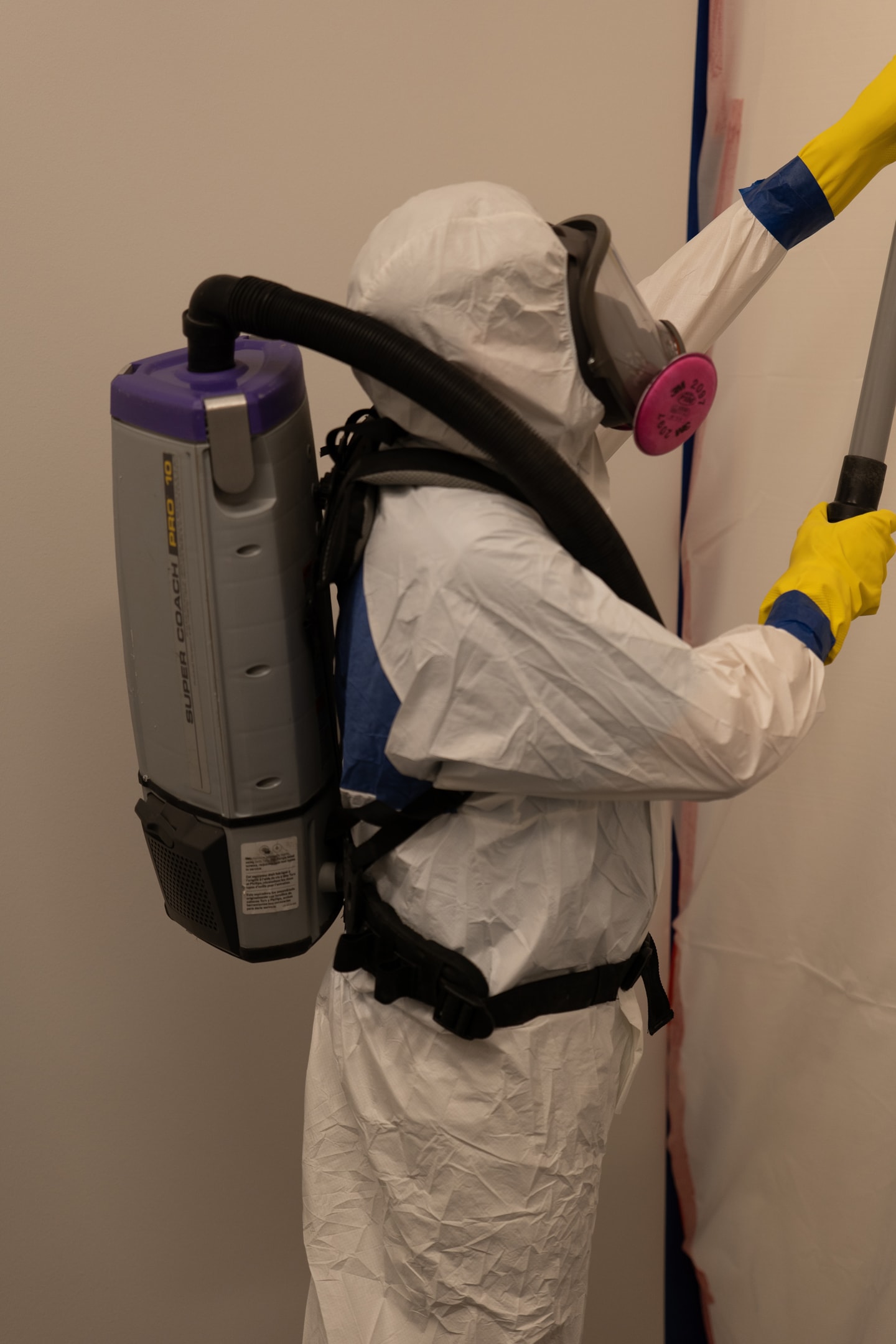
With containment in place, the remediation team:
-
Safely removes unsalvageable porous materials like moldy drywall, wet insulation, and contaminated carpet padding
-
HEPA vacuums all surfaces to capture settled spores
-
Wet-wipes remaining structures with EPA-registered antimicrobial solutions
-
Disposes of moldy materials in sealed bags following proper protocols
Coordinating Source Repairs
Mold cleanup without fixing the moisture source guarantees the problem returns. We coordinate with plumbers, roofers, or HVAC technicians in Austin to address:
-
Roof leaks and flashing failures
-
Slab leaks and pinhole pipe failures
-
AC condensate line blockages and drain line issues
-
Ventilation deficiencies in bathrooms and kitchens
This integrated approach means you are not left with a clean house that gets moldy again in three months.
What Typically Gets Removed vs. Saved
Decisions about what to throw away versus what to salvage depend on material porosity, how long items stayed wet, and the extent of visible and hidden mold.
Materials That Often Must Be Removed:
|
Item |
Why It Cannot Be Saved |
|
Moldy drywall |
Porous; mold penetrates beyond the surface |
|
Wet fiberglass insulation |
Traps moisture; cannot be adequately dried |
|
Heavily contaminated carpets and padding |
Porous materials hold spores deep in fibers |
|
Warped baseboards and trim |
Swelling indicates deep moisture penetration |
|
Particleboard cabinets |
Swell and disintegrate when saturated |
|
Damp clothes left in contaminated areas |
Often too contaminated to salvage cost-effectively |
|
Damp towels and linens stored in moldy closets |
Porous and difficult to fully decontaminate |
Items Frequently Salvageable:
-
Solid wood furniture that can be cleaned and allowed to dry completely
-
Non-porous surfaces like tile, glass, and metal
-
Some sentimental items are treated with specialized cleaning methods
-
Hardwood flooring, if caught early and dried properly
Contents may be packed out to an off-site facility for detailed restoration, keeping them away from demolition dust and spores. Our crews document items with photos and detailed inventory to support insurance claims and minimize the loss of important belongings.
Fixing the Moisture Problem So Mold Doesn’t Come Back
Here is the core message every Austin homeowner needs to understand: if the water source is not corrected, mold will return even after the most thorough mold cleanup. Remediation without moisture control is temporary at best.
Common Moisture Fixes in Austin Homes
-
Repairing roof flashing after hailstorms and addressing missing or damaged shingles
-
Re-routing or unclogging AC condensate lines so overflow does not drain into walls
-
Fixing pinhole copper leaks in slab foundations before they saturate subflooring
-
Improving drainage around foundations using French drains or regrading (soil should slope away from the house at least 6 inches within 10 feet)
-
Replacing failed caulk and weatherstripping around windows and doors
Indoor Humidity Control Strategies
|
Strategy |
Target Outcome |
|
Properly sized air conditioning |
Keeps indoor humidity under 50% during Austin summers |
|
Whole-house or portable dehumidifiers |
Supplements AC in especially humid conditions |
|
Bathroom exhaust fans vented to the exterior |
Removes shower steam rather than pushing it into the attic |
|
Kitchen exhaust fans vented outdoors |
Reduces cooking moisture by up to 70% |
|
Avoid drying damp clothes indoors |
Prevents adding 1-2 quarts of moisture daily to indoor air |
Ongoing Maintenance
-
Change HVAC filters regularly (monthly during heavy use seasons)
-
Schedule annual HVAC maintenance to prevent mold buildup inside air conditioners and air handlers
-
Inspect underneath sinks, around water heaters, and near AC closets quarterly
-
Use a humidity meter in at least one room per floor to catch humidity spikes early
Lightspeed Restoration of Austin includes moisture diagnostics and specific mold prevention recommendations in every project close-out. We want to make sure problems do not repeat.
Can a Mold-Filled House Be Saved? What to Expect With Repairs
The good news: in most Austin cases, even heavily moldy homes can be remediated and repaired rather than condemned, provided action is taken quickly. We have restored homes with mold in every room, making them healthy, comfortable, and back to full market value.
What the Rebuild Phase Looks Like
After remediation clears all the mold and affected materials, a separate rebuild phase begins:
-
Replacing removed drywall, insulation, and trim
-
Restoring flooring (carpet, tile, hardwood as appropriate)
-
Repainting with mold-resistant primers and paints
-
Reinstalling baseboards, cabinetry, and fixtures
This rebuild work often coordinates through your homeowners' insurance if the original water damage was covered.
Realistic Expectations
-
Some finishes and belongings will be lost. Heavily contaminate,d moldy materials cannot always be saved.
-
Indoor air quality, odor, and visible mold can be fully resolved when remediation is done correctly.
-
Costs and timelines vary based on home size, how long it was wet, and whether structural elements (framing, subflooring) sustained damage.
-
A 1,500 square foot home with moderate contamination might take 1-2 weeks for remediation plus another 1-2 weeks for rebuild. Larger homes with extensive damage can take 3-4 weeks or more.
Documentation Matters
Keep records of everything:
-
Photos and videos of damage before remediation
-
Dates of any leaks, storms, or water events
-
Copies of insurance claim numbers and adjuster communications
-
All invoices and work orders from contractors
This documentation streamlines coverage discussions and protects you in the event of disputes.
Preventing Your Austin Home From Becoming a House Full of Mold Again
Once the immediate crisis is resolved, long-term prevention becomes the priority. Austin’s climate means you cannot simply set it and forget it.
Seasonal Maintenance Checks
-
Spring and fall: Inspect roof and gutters for damage. Look for signs of mold around windows and doors after heavy rains. Check for new stains on ceilings that might indicate a roof leak.
-
Before summer: Confirm AC condensate lines are clear and draining properly. Verify that exhaust fans work in all bathrooms.
-
After major storms: Walk the property, looking for fresh-air intrusion points, standing water near the foundation, or new leaks.
Practical Everyday Habits
-
Run bathroom fans during showers and for 20 minutes after
-
Use the kitchen exhaust when boiling water or cooking with steam
-
Do not push large furniture tight against exterior walls—leave a few inches for air circulation
-
Avoid storing items directly on concrete in garages or basements; use shelving
-
Keep indoor plants in check (overwatered soil grows mold)
-
Address any leaky pipe immediately, no matter how minor the drip seems
Monitoring Indoor Humidity
A simple digital hygrometer costs under $20 and provides real-time relative humidity readings. Place one on each floor and react quickly if levels stay above 55-60% for extended periods. Portable dehumidifiers or adjusting AC settings can bring humidity back to the 30-50% range, where mold struggles to grow.
Lightspeed Restoration of Austin provides follow-up inspections and moisture checks for high-risk homes, rental properties, and short-term rentals throughout the Austin metro area. Prevention is always less expensive than remediation.
When to Call Lightspeed Restoration of Austin
Whole-house or multi-room mold is not a weekend DIY project. This is a “call the professionals now” situation.
Call us immediately if:
-
Mold is visible in more than one room
-
Your home flooded or experienced major water damage within the last 72 hours
-
A strong musty odor persists throughout the house even when you cannot see growth
-
Mold is growing inside HVAC components, vents, or behind walls
-
You suspect hidden mold based on ongoing symptoms or unexplained moisture
We are local to Austin, TX, and respond quickly to neighborhoods across greater Austin.
Call Lightspeed Restoration of Austin at 512-428-8309. We are available 24/7 for emergency water and mold issues.
Do not wait “one more weekend” if you suspect widespread mold. Every day of delay increases damage, raises costs, and extends the health risks for everyone in the home.

Frequently Asked Questions
Can I stay in my home if there is mold in every room?
Staying in a house with mold in multiple rooms is not recommended, especially for children, older adults, pregnant individuals, and anyone with breathing problems or compromised immunity. The concentration of mold spores in a heavily contaminated home far exceeds levels to which lungs should be exposed daily.
Temporary relocation—a hotel, staying with friends, or family—is often the safest approach during major remediation. Some homeowners' insurance policies include coverage for additional living expenses when the home is uninhabitable due to covered water damage. Check your policy or ask your adjuster.
If you must enter the home briefly, limit your time, wear an N95 mask and rubber gloves, and leave immediately if you experience worsening symptoms. Discuss any health concerns with your physician, especially if you notice respiratory changes.
Will my homeowners' insurance cover a house full of mold?
Coverage depends heavily on the cause and timing of the water damage that led to mold:
-
Often covered: Sudden and accidental events like a burst pipe, an overflowing AC condensate pan, or water intrusion from storm damage
-
Often not covered: Long-term neglected leaks, gradual seepage, or flood damage (which requires separate flood insurance)
Contact your insurer as soon as you discover the damage. Document everything with photos and dates before cleanup begins. Lightspeed Restoration of Austin provides detailed moisture and damage reports to support your claim process, though we cannot guarantee coverage decisions made by your insurance company.
How long does it take to remediate a heavily moldy home?
Timelines depend on the extent of contamination:
|
Home Size / Contamination Level |
Estimated Remediation Time |
|
Small home, light contamination |
3-5 days |
|
Medium home, moderate contamination |
1-2 weeks |
|
Large home, extensive damage |
2-3+ weeks |
These estimates cover remediation only—the rebuild phase (replacing drywall, flooring, etc.) adds additional time. Drying times, the volume of material removal, and any verification testing steps all affect the schedule.
We provide a personalized timeline after an on-site evaluation, once we understand the full extent of water and mold damage in your specific home.
Is bleach okay to use if my house is full of mold?
Bleach is not recommended for large or porous areas. Here is why:
-
Bleach penetrates only about 1/16 inch into drywall—mold roots go deeper
-
Bleach does not work well on porous materials like wood, carpet, or fabric
-
Mixing bleach with other cleaning chemicals (especially ammonia-based products) creates toxic fumes
-
Surface application without containment releases spores into the air
Professional remediators use industry-standard antimicrobial products and HEPA filtration rather than relying on bleach for whole-house issues. If your home has extensive contamination, avoid large-scale DIY chemical use. Call 512-428-8309 instead of risking making conditions worse or endangering your health.
Do I need to replace all my furniture if my house is full of mold?
Not everything must be thrown away. The decision depends on the material type and contamination level:
-
Typically salvageable: Solid wood furniture, metal items, glass, hard plastics, and some leather goods can often be professionally cleaned and restored.
-
Typically not salvageable: Upholstered furniture with mold penetration, mattresses, heavily contaminated paper goods, and moldy drywall or particleboard furniture are rarely cost-effective to save.
Content specialists evaluate content on a case-by-case basis. While we take care of the structure, we refer out the professional cleaning of salvageable items and help you make informed decisions about what is worth saving versus what poses ongoing health risks if kept.
A house full of mold is an emergency—but it is not hopeless. Austin homeowners who act quickly, address the moisture source, and work with experienced professionals can restore their homes to a safe, healthy condition.
Do not let mold spread while you wait. Call Lightspeed Restoration of Austin at 512-428-8309 for same-day inspection and expert mold remediation tailored to Central Texas homes.