

Key Takeaways
-
Effective mold remediation in Austin, TX depends on professional-grade tools and licensed professionals — a Mold Assessment Consultant (MAC) to assess and a licensed Mold Remediation Contractor (MRC) to perform the work, as required under Texas law.
-
Controlling excess moisture with dehumidifiers and moisture meters is essential during remediation — air movers and fans should not be used during active mold remediation, as they can spread spores to unaffected areas.
-
HEPA air scrubbers, HEPA vacuums, containment barriers, and negative air machines are essential tools for keeping mold particles from spreading to clean areas of your home during the remediation process.
-
The job isn't complete until a licensed MAC returns to conduct independent clearance testing and issues a Certificate of Mold Remediation — the legally required sign-off under Texas law.
-
Lightspeed Restoration of Austin holds the required MRC license and provides 24/7 response to handle leaks, floods, and humidity-driven mold growth common in Central Texas.
-
If you suspect visible mold or recent water damage, call Lightspeed Restoration of Austin at 512-428-8309 for immediate assistance.
Why the Right Tools Matter for Mold Remediation in Austin, TX
Austin's warm, humid climate creates ideal conditions for mold growth. Frequent spring storms, AC condensate leaks, and slab failures mean water intrusion events happen regularly across Central Texas homes and businesses.
In Texas, mold remediation is a licensed profession — and for good reason. State law requires a licensed Mold Assessment Consultant (MAC) to inspect, test, and develop a written remediation protocol before any work begins, and a separate licensed Mold Remediation Contractor (MRC) to perform the actual remediation. These are distinct licenses issued by the Texas Department of Licensing & Regulation (TDLR), and no single company can legally perform both roles on the same job.
Professional mold remediation services in Austin, TX go well beyond surface-level treatment. The remediation process involves:
-
Removing contaminated materials per the MAC's written protocol
-
Capturing airborne spores with HEPA filtration and negative air pressure containment
-
Controlling humidity with dehumidifiers — without air movers or fans, which can spread spores to unaffected areas
-
Preventing future growth inside walls, floors, and ceilings
Professional remediation equipment, used by trained and licensed technicians, reduces contamination effectively and limits structural damage. DIY approaches rarely include the professional-grade HEPA air scrubbers, negative air machines, or containment systems required under current industry guidelines like IICRC S520 — and without a licensed MAC issuing clearance at the end, there's no independent verification that the work was successful.
Lightspeed Restoration of Austin holds the required MRC license and brings this complete toolset to local jobs — so homeowners have a licensed, accountable contractor handling their remediation from start to finish.
Core Drying and Moisture-Control Equipment
Stopping moisture is always step one in any Austin mold remediation project. Whether you’re dealing with a roof leak, slab leak, or overflowing AC pan, these essential tools run continuously for multiple days while technicians monitor readings and adjust placement.
Dehumidifiers
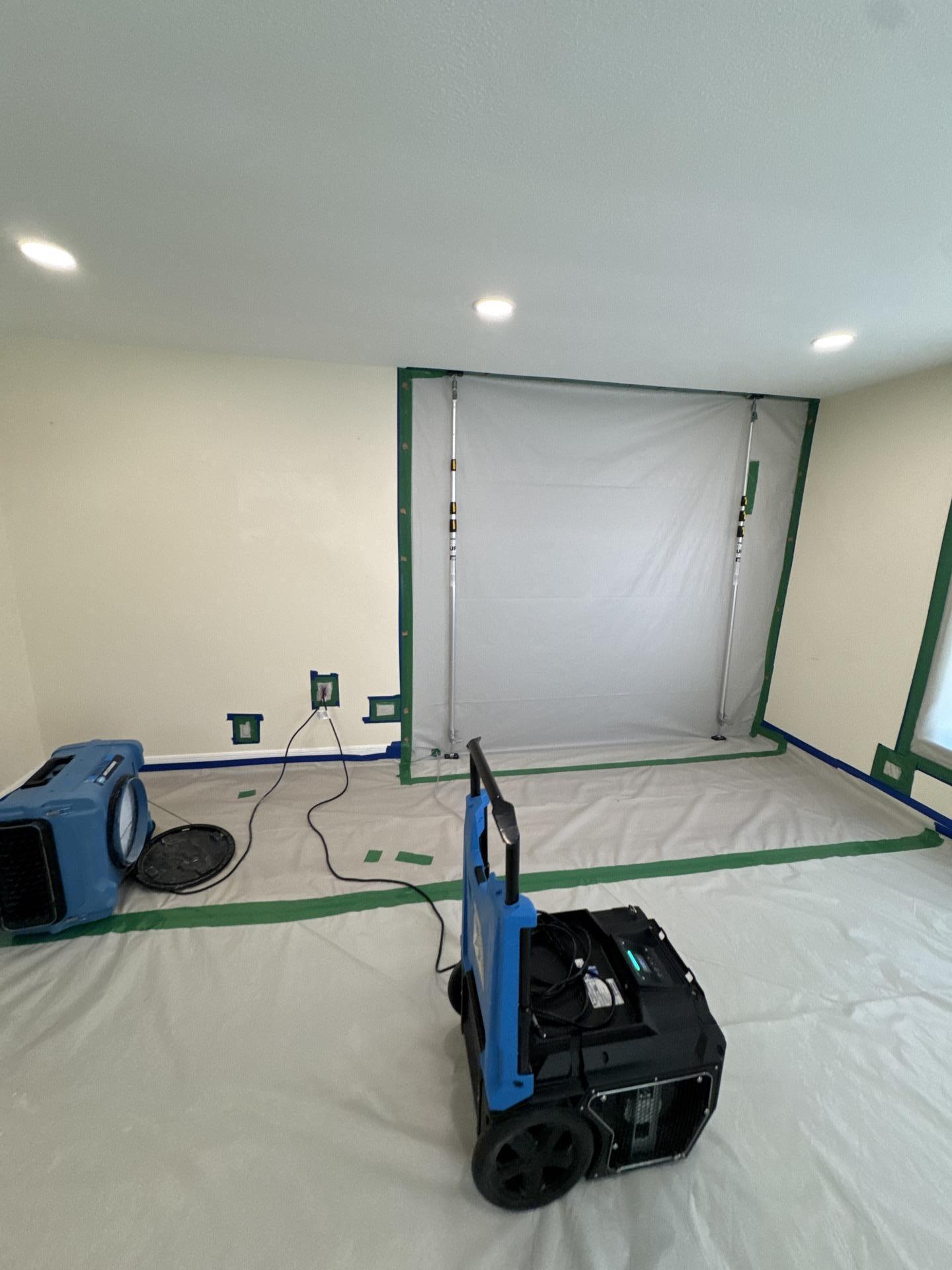
Commercial dehumidifiers pull water vapor directly from the air, draining collected moisture through a hose routed to a sink or condensate pump. Professional units—typically LGR (low-grain refrigerant) or desiccant dehumidifiers—can reduce relative humidity to the 30-50% range inside sealed rooms.
Sizing matters significantly. Professionals calculate capacity based on cubic footage and severity of water intrusion rather than using small residential units. In Austin, technicians often run dehumidifiers continuously for 2-5 days after a burst supply line or dishwasher leak.
Moisture Meters and Thermal Imaging Cameras
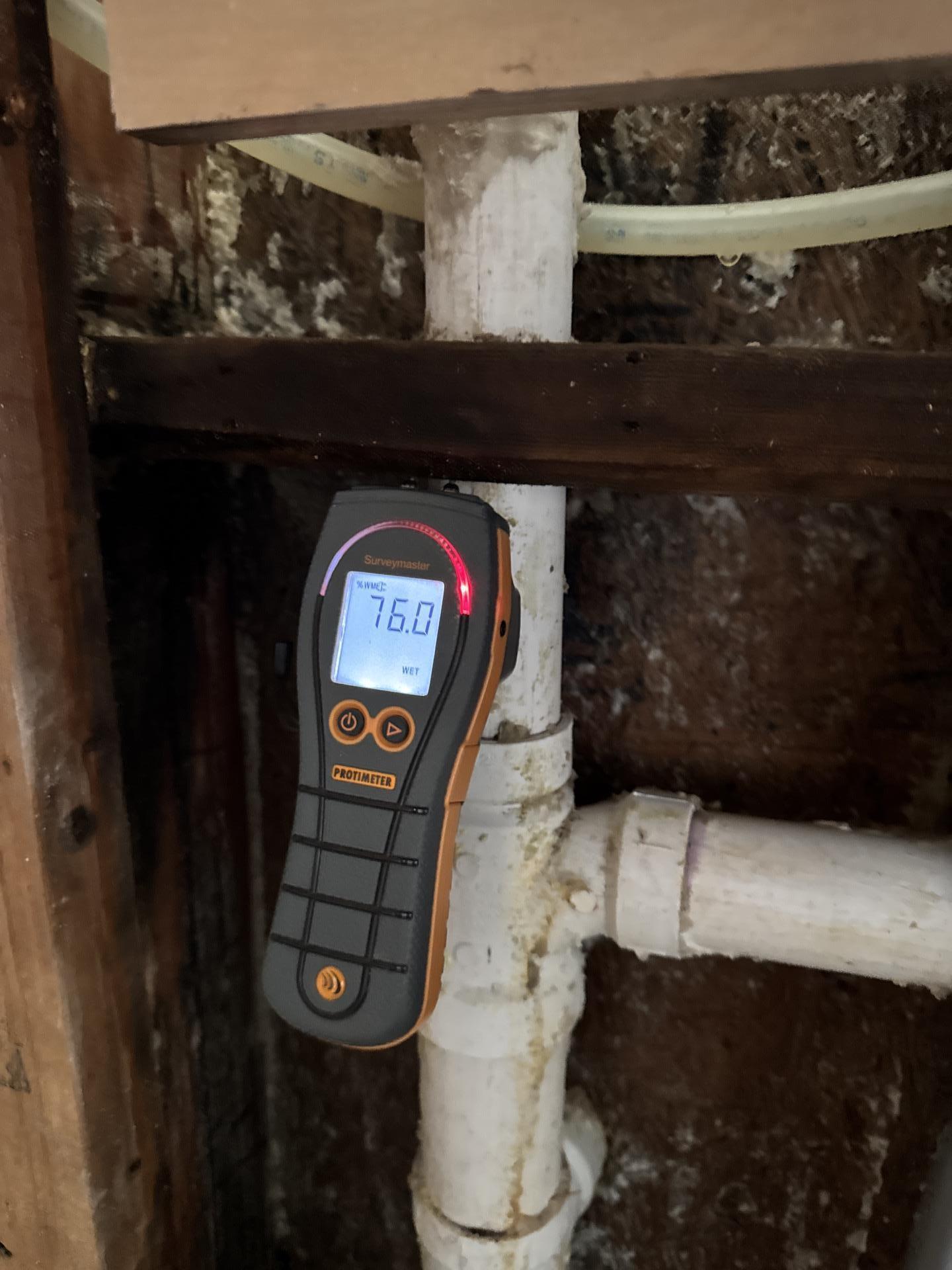
Moisture meters are the diagnostic tools used before and after the remediation process. Two types exist:
|
Meter Type |
How It Works |
Best Use |
|
Pin-type |
Probes inserted into materials |
Baseboards, framing lumber, cabinet backs |
|
Pinless |
Scans surfaces without puncturing |
Finished wood floors, painted surfaces |
Thermal imaging cameras can locate wet insulation or wall cavities behind paint without immediate cutting. In older Austin homes and condos, this mold inspection equipment is crucial for finding hidden moisture around AC lines, window frames, and areas without obvious surface staining.
Containment and Air Filtration Tools
Once drying starts, the next priority is keeping mold from spreading to clean areas during mold removal. Simply opening windows provides no filtration and can actually spread contaminants throughout your home. Professional containment creates controlled airflow that protects unaffected spaces.
Containment Barriers and Negative Air Setups
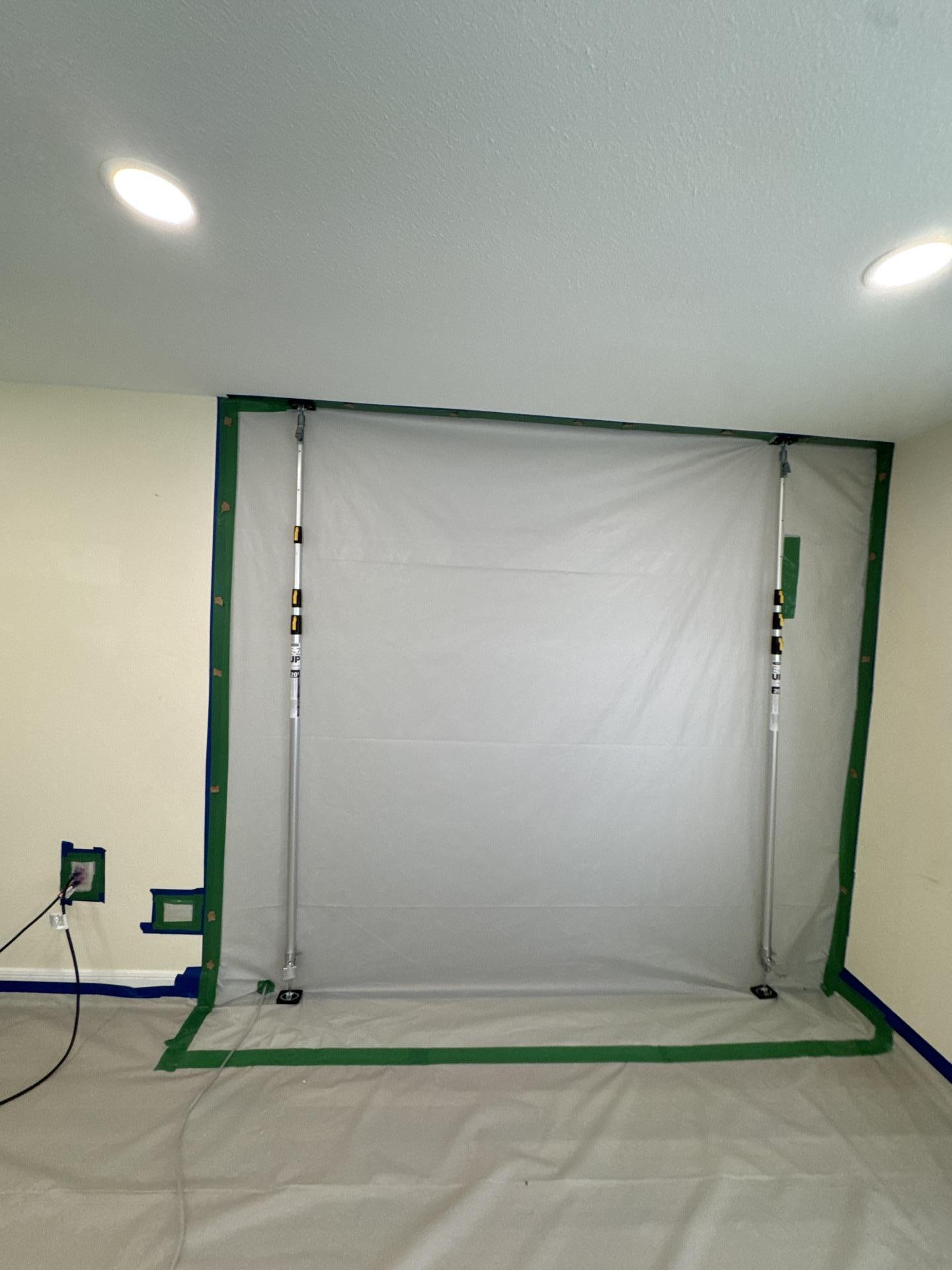
Technicians build floor-to-ceiling plastic barriers with zip doors to isolate mold-affected rooms. This “zip wall” system uses telescoping poles and heavy plastic sheeting to create a sealed work area.
Negative air machines attach via flexible ducting and exhaust filtered air outdoors, maintaining negative pressure inside the containment. This prevents mold spores from escaping into hallways or adjacent rooms. Doors, HVAC registers, and returns are sealed to avoid sending airborne particles through ductwork.
HEPA Air Scrubbers
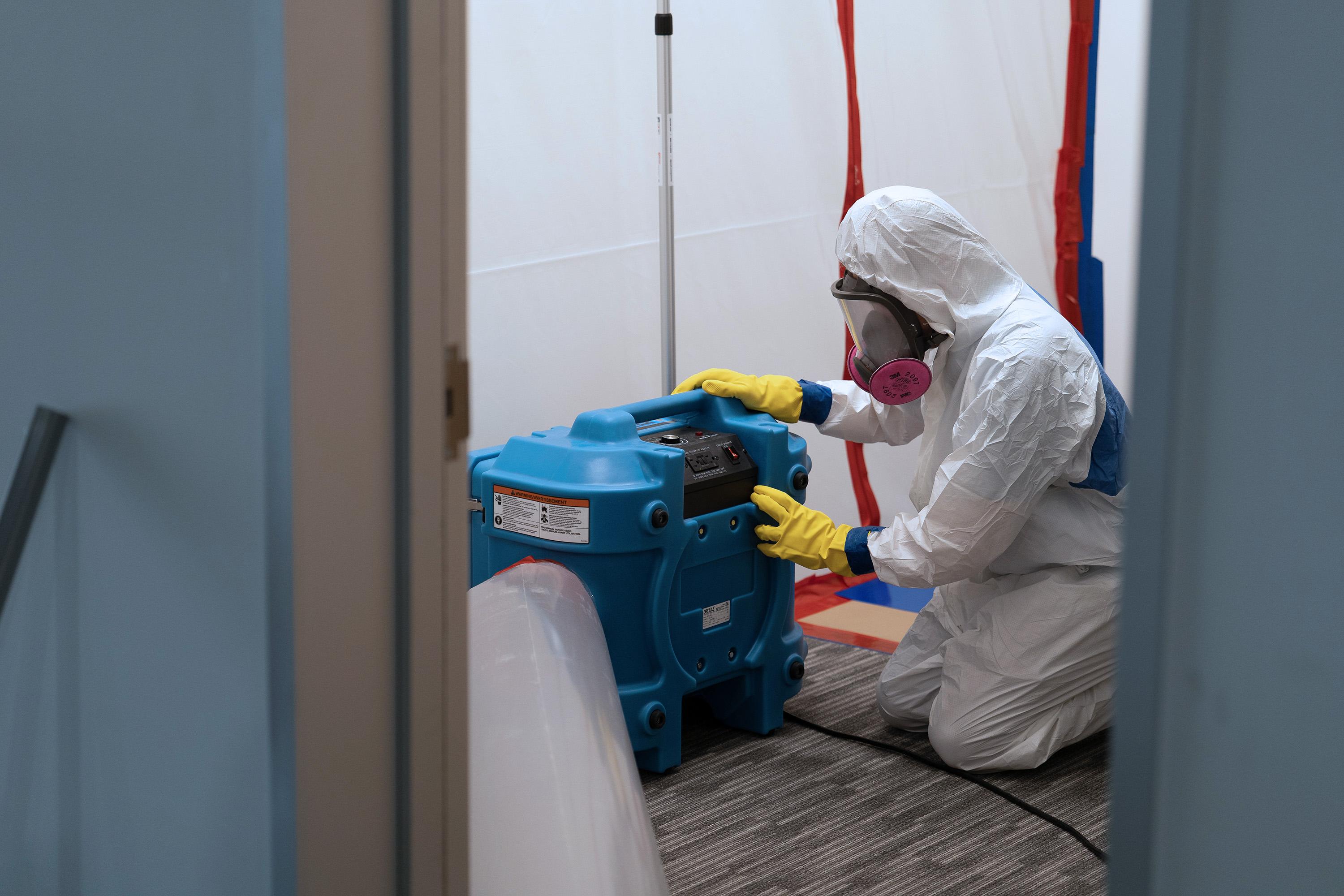
HEPA air scrubbers are portable filtration units that continuously pull room air through multiple filter stages, capturing particles down to 0.3 microns with 99.97% efficiency. Modern units feature:
-
Pre-filters for larger debris
-
High-efficiency particulate air (HEPA) filters for spores
-
Activated carbon filters for odors
Professionals deploy 500-750 CFM scrubbers throughout demolition, cleaning, and drying phases. After a second-story bathroom leak in a South Austin home, several scrubbers might run simultaneously across multiple affected rooms, with filters changed on schedule to maintain effectiveness.
HEPA Vacuums
HEPA vacuums differ from standard household vacuums—they’re specialized tools designed to capture and completely contain fine dust and mold particles without leaking contaminants back into the air.
These vacuums clean hard surfaces, framing lumber, and inside wall cavities after moldy materials are removed. Standard vacuums can clog quickly and blow spores out the exhaust, spreading contamination further. Lightspeed Restoration of Austin uses HEPA vacuums as part of the final cleaning step before clearance verification.
Cleaning, Disinfection, and Removal Tools
Once moisture is controlled and containment is established, technicians physically remove damaged materials and clean moldy surfaces that can be saved. This section covers the specialized tools and cleaning agents that professionals use—not household bleach, which is ineffective for professional mold removal.
Demolition and Material Removal Tools
Common hand and power tools include:
-
Utility knives and oscillating multi-tools
-
Reciprocating saws for larger sections
-
Pry bars and screwdrivers for trim removal
Technicians cut 2-12 inches above the highest moisture mark identified by meter readings, ensuring all affected material is removed. Contractor-grade trash bags are double-bagged and taped to minimize dust when carrying materials through the home. In Austin homes with plaster or masonry, removal methods differ and require specialized dust control.
Cleaning Agents and Application Tools
Professionals use EPA-registered antimicrobial and antifungal cleaners on structural framing and hard surfaces. Application methods include pump sprayers, low-pressure sprayers, and hand-wiping with microfiber cloths.
The standard cleaning sequence:
-
HEPA vacuum all exposed surfaces
-
Damp wipe with antimicrobial solution
-
Allow surfaces to dry completely
-
Second HEPA vacuum pass
Product selection considers surface type, environmental impact, and indoor air quality—particularly important for sensitive occupants or those with respiratory conditions. Many professionals now choose eco friendly options that are effective without producing harmful chemical vapors.
Encapsulants and Sealants
Encapsulants are specialty coatings applied to cleaned, dry surfaces like wood studs or masonry. They seal any remaining staining and create a barrier to prevent future growth. Application happens only after moisture levels are confirmed normal.
Light-colored, mold-resistant coatings make it easier to spot new issues during future inspections. A common Austin application involves sealing cleaned attic decking in older bungalows that experienced chronic roof leaks.
Personal Protective Equipment (PPE) and Safety Gear
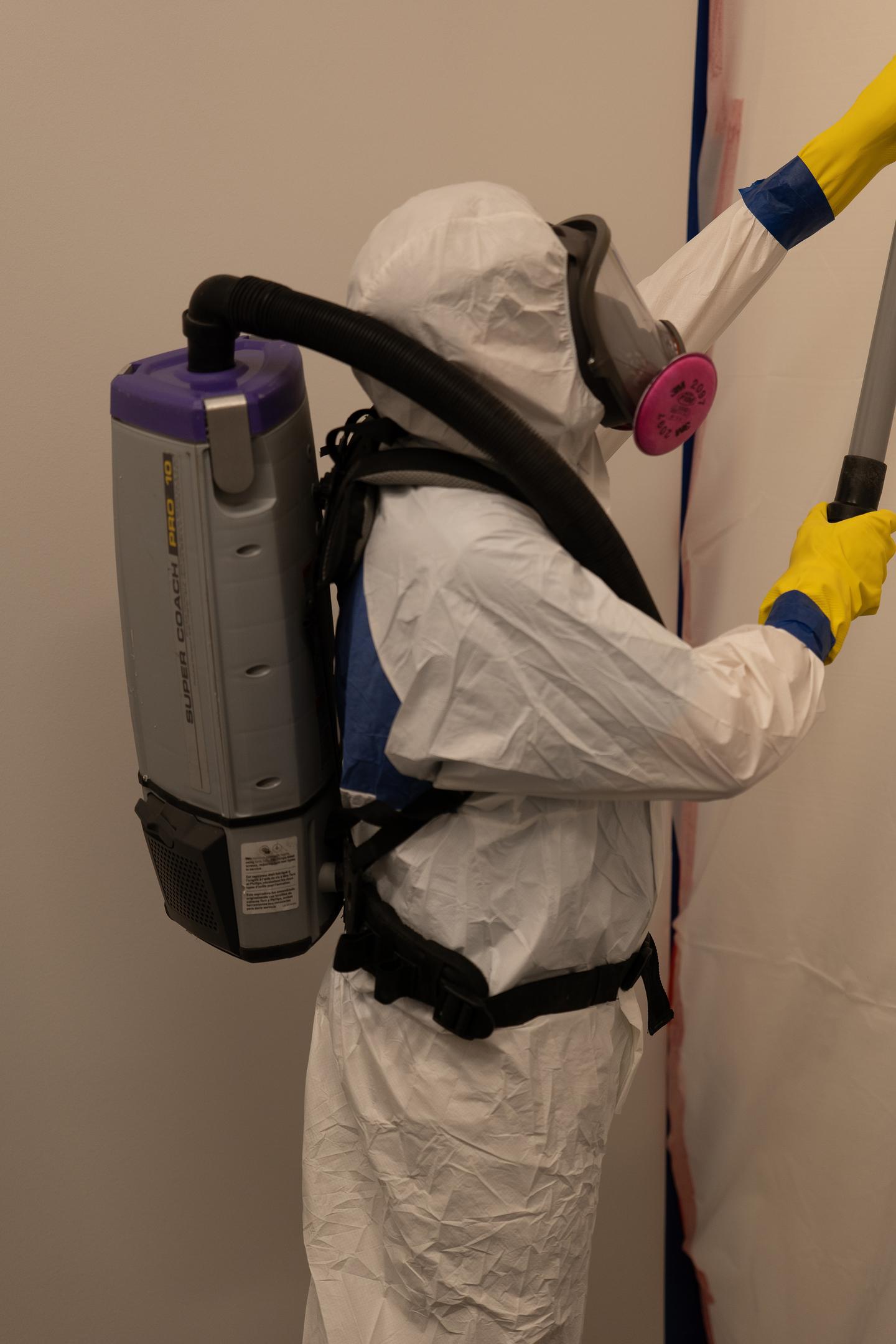
Proper protective gear protects technicians and occupants from spores, dust, and cleaning chemicals during remediation. Reputable companies in Austin, including Lightspeed Restoration of Austin, follow OSHA and industry practices when selecting equipment.
Respirators and Masks
Respiratory protection varies by contamination level:
|
Protection Level |
Equipment |
Use Case |
|
Low-risk |
NIOSH-approved N95 masks |
Surface cleaning, minimal contamination |
|
Heavy contamination |
Half-face or full-face respirators with P100 cartridges |
Demolition, black mold removal, confined spaces |
Fit testing and proper seal checks ensure air enters only through the filter media. Disposable masks from hardware stores often lack the filtration and fit needed for safe remediation work. Respirators are worn during demolition, vacuuming, and work inside active containments.
Coveralls, Gloves, and Eye Protection
Standard protective clothing includes:
-
Disposable Tyvek coveralls
-
Nitrile or latex gloves (chemical-resistant for certain cleaners)
-
Safety goggles or sealed eye protection
The decontamination process involves removing PPE before exiting containment, bagging disposable items, and avoiding carrying dust into clean areas. Additionally, technicians wear steel-toe or rubber boots on flooded sites and knee pads for floor-level work in crawlspaces.
How Lightspeed Restoration of Austin Uses These Tools in a Typical Job
Consider a typical scenario: a kitchen sink leak discovered several weeks later, with moisture spreading into adjacent cabinets and the wall cavity behind.
The process follows a clear sequence:
-
Assessment – In Texas, a licensed Mold Assessment Consultant (MAC) independently inspects the property, conducts testing, and develops a written Mold Remediation Protocol. This assessment must be completed before any remediation work begins.
-
Containment – Following the MAC's protocol, our licensed Mold Remediation Contractors (MRC) erect plastic barriers with zip doors to isolate the affected area. Negative air pressure is maintained throughout to prevent cross-contamination.
-
Drying – Dehumidifiers run continuously while daily moisture readings track progress. Note: air movers and fans are not used during active mold remediation, as required under Texas mold rules.
-
Removal – Damaged drywall and building materials are carefully cut and removed per the remediation protocol. HEPA vacuums capture dust and spores throughout the process.
-
Cleaning – EPA-registered antimicrobial cleaners treat exposed framing; encapsulants are applied to seal remaining wood surfaces where specified in the protocol.
-
Clearance Testing – Once remediation is complete, the MAC returns to conduct independent clearance testing and issue a Certificate of Mold Remediation — a separate step required under Texas law before the area can be rebuilt or reoccupied.
The benefit to homeowners: shorter downtime, better air quality, and a reduced chance of mold returning. Equally important, working with properly licensed MAC and MRC professionals protects homeowners legally and ensures the work meets Texas Department of Licensing and Regulation (TDLR)standards.
Ready for professional help? Lightspeed Restoration of Austin serves the Austin, TX area with 24/7 emergency response. Call 512-428-8309 for water damage and mold inquiries — we'll coordinate with a licensed MAC to get your assessment scheduled promptly.
FAQ
Can I rent mold remediation tools in Austin and do the work myself?
Technically, some equipment like basic dehumidifiers can be rented locally — but in Texas, the more important question is whether DIY mold remediation is even legal for your situation. Under Texas law, any mold remediation project exceeding 25 contiguous square feet must be performed by a licensed Mold Remediation Contractor (MRC) and conducted according to a written protocol developed by a licensed Mold Assessment Consultant (MAC). Attempting to DIY a job that meets that threshold isn't just risky — it may violate state law and could create liability issues when selling your home.
Beyond the legal question, professional-grade HEPA air scrubbers, negative air machines, and calibrated moisture meters are specialized tools that require training to size, place, and monitor correctly. DIY attempts often miss hidden contamination, and without independent MAC clearance testing at the end, there's no way to verify the work was actually successful.
For smaller surface mold on non-porous materials that falls below the 25-square-foot threshold, careful DIY cleanup may be appropriate. But widespread growth, musty odors, or any history of flooding warrants a professional evaluation first.
Call Lightspeed Restoration of Austin at 512-428-8309 — we can help you understand the scope of your situation and connect you with a licensed MAC to assess whether professional remediation is required.
How long do professional mold remediation tools need to run?
Remediation equipment such as HEPA air scrubbers and dehumidifiers typically runs throughout the entire remediation process, which can range from a day or two to several days depending on the size of the affected area and extent of contamination. Technicians take daily readings to monitor conditions, but equipment doesn't simply shut off once numbers look acceptable.
In Texas, the endpoint of mold remediation isn't determined by the contractor — it's determined by a licensed Mold Assessment Consultant (MAC) who returns after remediation is complete to conduct independent clearance testing. Only once the MAC issues a clearance does the job officially conclude. This separation of roles protects homeowners and ensures an unbiased sign-off on the work.
Stopping remediation work prematurely is one of the most common reasons mold returns after initial cleanup. Lightspeed Restoration of Austin follows the full process through to MAC clearance — not just until the equipment readings look good.
Will these tools damage my walls, floors, or furniture?
Most tools used during mold remediation—dehumidifiers, HEPA air scrubbers, and moisture meters — are designed to be non-destructive. Controlled demolition only removes materials that are already contaminated or damaged beyond saving, such as mold-affected drywall or saturated carpet pads. If left unchecked, that damage spreads and becomes more costly to address.
Lightspeed Restoration of Austin focuses on removing only what's necessary and preserving as much structure and contents as safely possible. All work is performed according to a written remediation protocol developed by a licensed Mold Assessment Consultant (MAC), so scope of removal is defined upfront — not decided on the fly.
Do I need to leave my home while these tools are running?
Many Austin homeowners stay in their homes during remediation, especially when mold is limited to one contained area. Projects with extensive demolition, high noise levels, or strong odors from cleaning products may be more comfortable with temporary relocation. Decisions are made on a case-by-case basis, considering safety, health conditions, and the size of the affected areas.
How do I know if a mold remediation company is using the right equipment?
Start by confirming the company holds a Texas Mold Remediation Contractor (MRC) license — this is required by state law for any company performing mold remediation in Texas. You can verify licensure through the Texas Department of Licensing & Regulation (TDLR) before any work begins.
On the job itself, look for visible signs of proper practice: sealed containment barriers with zip doors, HEPA air scrubbers running continuously, technicians in appropriate PPE, and moisture meters being used to guide decisions. One red flag to watch for: air movers and fans should not be used during active mold remediation, as they can spread spores to unaffected areas. If a contractor is running fans during mold work, that's a sign they may not be following Texas mold remediation standards.
Before work begins, ask the contractor to walk you through their remediation protocol — a licensed MRC should be working from a written protocol developed by a separate, licensed Mold Assessment Consultant (MAC). Ask about their daily moisture monitoring process and how final clearance will be handled.
Lightspeed Restoration of Austin holds the required MRC license and is transparent about every tool and technique used. During the initial visit, we walk homeowners through our process — so you know exactly how proper equipment and licensed professionals deliver lasting remediation.