

Key Takeaways
-
Mold abatement is the professional process of safely removing mold, addressing moisture issues, and restoring healthy indoor air quality in Austin homes and businesses.
-
Lightspeed Restoration of Austin offers 24/7 mold abatement services exclusively in Austin, TX, and surrounding neighborhoods—call 512-428-8309 at the first sign of mold.
-
A complete mold abatement project includes inspection, containment, removal, drying, and prevention steps specifically tailored to Austin’s humid, storm-prone climate.
-
Delaying mold abatement increases repair costs and health risks, especially after roof leaks, plumbing failures, or flooding from Central Texas storms.
-
DIY mold cleanup has limits—larger or hidden mold growth behind walls, in attics, or in HVAC systems should always be handled by certified professionals.
Mold Abatement Services in Austin, TX
Mold abatement is the professional process of locating, containing, and removing mold from indoor environments while correcting the underlying moisture issues that allowed it to grow. For Austin homes and small businesses, this means addressing everything from hidden slab foundation leaks to condensation problems in attics that develop during our hot, humid summers.
Lightspeed Restoration of Austin serves only Austin, TX—including neighborhoods like North and South Austin. Our focus is entirely on the local humidity challenges and storm-related mold problems that Austin property owners face.
If you see visible mold, smell a musty odor, or have had a water leak in the last 24–72 hours, call 512-428-8309 for fast mold abatement.
Professional mold abatement helps protect your property by:
-
Preventing further damage to drywall, framing, insulation, and flooring
-
Improving indoor air quality for healthier living spaces
-
Addressing moisture sources to stop future growth
-
Preserving your home’s structural integrity and market value
Same-day or next-day response is available for active leaks, ceiling collapses, or standing water events in Austin homes and condos. The sooner you call, the less extensive the damage becomes.
What Is Mold Abatement?
Mold abatement is the targeted reduction or elimination of mold growth and the conditions that allow it to thrive. It goes far beyond wiping visible mold spots off surfaces—true abatement addresses the root cause of the problem.
The process includes identifying moisture sources common in Austin properties, such as:
-
Roof penetrations from hail or wind damage
-
AC condensate line failures during peak summer use
-
Slab plumbing leaks in homes built between 1980 and 2010
-
Poor drainage around foundations after heavy rains
The goal of mold abatement is to restore your indoor environment to normal background mold levels considered safe for occupants. While mold cleanup often means surface-level cleaning, abatement is a structured, step-by-step process guided by industry standards that ensure lasting results.
Lightspeed Restoration of Austin coordinates with homeowners, landlords, and property managers throughout every abatement project. We ensure clear access, consistent communication, and thorough documentation from start to finish.
Warning Signs You Need Mold Abatement in Austin
Mold is often hidden at first, but Austin’s climate makes early warning signs especially important to recognize and act on quickly.
Visual Signs
-
Discolored patches on drywall in bathrooms, closets, or near windows
-
Dark spots on ceiling tiles or textured ceilings
-
Fuzzy growth on baseboards, especially in humid rooms
-
Staining around AC registers, vents, or near the air handler
Structural Clues
-
Warping baseboards along exterior walls
-
Soft or spongy subflooring near showers, tubs, or under windows
-
Bubbling or peeling paint on interior surfaces
-
Swelling of MDF trim after heavy rains or flooding
Sensory Signs
-
Persistent musty odor or earthy smell in certain rooms
-
Odors that intensify after running the AC or following storms with wind-driven rain
-
Stale air quality that doesn’t improve with ventilation
Health Indicators
-
Worsening allergies when you’re indoors
-
Increased coughing, wheezing, or respiratory issues at home
-
Skin irritation that develops or worsens in specific rooms
-
Headaches that improve when leaving the house
Any mold growth larger than roughly 10 square feet—or any growth following a known water-damage event—should trigger a call to 512-428-8309 for a professional evaluation. Prolonged exposure to mold spores can cause health effects that worsen over time, so early action is important.
Our Mold Abatement Process for Austin Properties
Our mold abatement process is systematic and specifically tailored to Austin's unique conditions: heat, high humidity, and sudden storms.
Every project begins with a walkthrough and background questions about recent plumbing leaks, roof issues, AC performance, and past flooding in rooms such as bathrooms, kitchens, and laundry areas. We want to understand your property’s history before we begin.
The process follows consistent stages:
-
Inspection and assessment
-
Containment of affected areas
-
Safe mold removal and cleaning
-
Air filtration and drying
-
Final checks and preparation for repairs
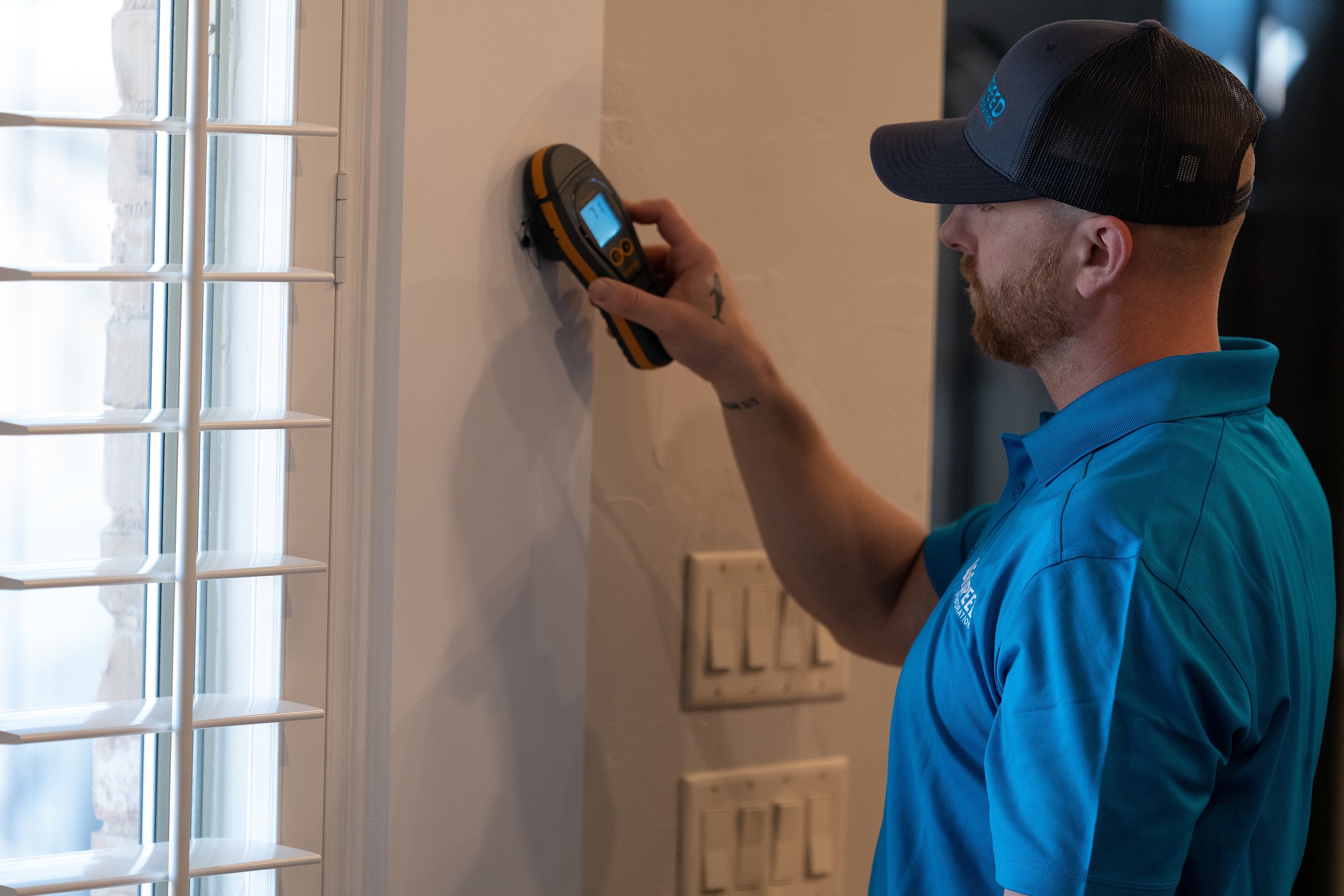
Our technicians use tools appropriate for Austin construction types, including moisture meters for slab foundations, infrared cameras for exterior walls, and borescopes for tight attic spaces. Here’s what to expect at each stage.
Inspection and Assessment
The first step is a thorough visual examination of areas with known or suspected moisture. Common inspection points include:
-
Around water heaters and water softeners
-
Under kitchen and bathroom sinks
-
Behind refrigerators with ice makers
-
In attics after hail or wind storms
-
Near HVAC closets and air handlers
Moisture readings are taken in drywall, baseboards, and flooring to map how far water has traveled from the original leak point. This helps us determine the full scope of affected areas.
In Texas, state law requires that if mold growth covers 25 or more contiguous square feet, a licensed mold assessor must be involved to perform a comprehensive inspection and develop a mold remediation protocol. This protocol outlines the specific steps and safety measures necessary for proper mold abatement and remediation.
When needed, air or surface sampling may be recommended to help determine the extent of mold spread or to support communication with physicians or insurers. However, lab testing isn’t necessary in every case.
You’ll receive a clear explanation of findings, likely causes, and recommended next steps before any demolition or large-scale work begins. Our goal is to help you feel informed, not overwhelmed.
Containment of Affected Areas
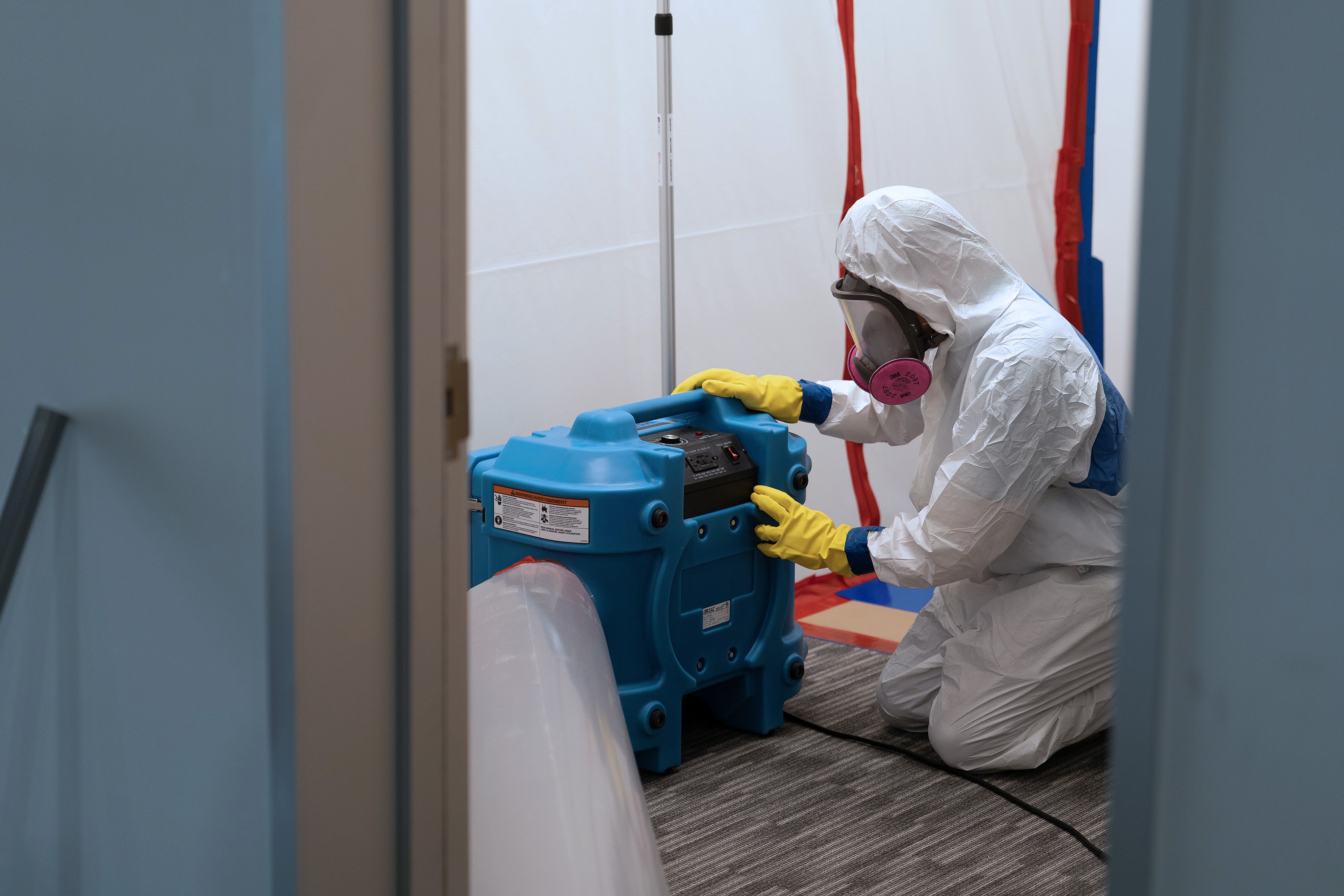
Once problem areas are identified, they are isolated to prevent mold spores from spreading into clean rooms throughout your home.
Containment measures include:
-
Installing plastic sheeting barriers and zipper doors around work zones
-
Setting up negative air machines with HEPA filters vented outside
-
Sealing HVAC vents and returns in the work area to protect your central system
-
Creating physical separation between contaminated and uncontaminated spaces
This containment stays in place until removal, cleaning, and drying are complete. It’s a critical step that protects other parts of your home from cross-contamination.
Safe Mold Removal and Cleaning
Porous materials heavily contaminated with mold—such as saturated drywall, insulation, and some carpet—are removed and bagged for disposal according to local Austin and Travis County guidelines. These materials absorb mold spores and cannot be effectively cleaned.
Remaining structural materials like studs, subfloors, and sheathing are cleaned using proven methods:
-
HEPA vacuuming to capture loose spores
-
Wire brushing or sanding on wood and concrete surfaces
-
Application of EPA-registered antimicrobial solutions
-
Treatment of other surfaces to prevent regrowth
Bathrooms, kitchens, and HVAC closets receive special attention due to ongoing moisture exposure. This includes cleaning grout lines, cabinet backs, and areas around supply lines.
The goal is to remove mold growth completely—not simply to paint over affected areas. Visible mold staining is reduced as much as reasonably possible during this phase.
We advise homeowners to avoid entering the work area during mold removal to prevent exposure and accidental disruption of containment barriers.Air Filtration and Drying
HEPA air scrubbers and HEPA vacuums run throughout the project inside containment to capture airborne spores disturbed during removal and cleaning. This is essential for improving ventilation and air quality within the work zone.
Professional dehumidifiers are placed strategically to dry framing, subfloors, and concrete slabs. In Austin’s climate—where outdoor humidity often exceeds 70%—proper drying requires industrial-grade equipment and careful monitoring.
Our technicians regularly check moisture levels and adjust equipment until readings confirm that materials have reached acceptable dry standards. Proper drying helps prevent new mold growth on freshly cleaned surfaces and reduces the risk of lingering odors.
Equipment noise is normal and temporary. Lightspeed Restoration of Austin communicates expected timelines so you can plan around room access limitations.
Final Checks and Preparing for Repairs
Once drying goals are met, our team performs a final visual inspection of all affected cavities and surfaces to verify that mold growth has been fully addressed.
When appropriate, clearance testing or post-remediation evaluation may be recommended, especially for larger projects or when sensitive occupants are involved.
Containment barriers and equipment are removed only after the area is deemed ready for reconstruction or cosmetic repairs, including:
-
Drywall replacement
-
Painting and finishing
-
Flooring installation
-
Trim and baseboard work
Lightspeed Restoration of Austin provides documentation summarizing the work performed. This documentation supports insurance claims and can be valuable for future real estate disclosures if you decide to sell your home.
We encourage you to ask questions at this stage so you fully understand the condition of your property before moving into the rebuild phase.
Mold Abatement vs. Mold Remediation vs. Mold Removal
These three terms are often used interchangeably online, but they describe different parts of the overall process.
|
Term |
Definition |
|
Mold Abatement |
The comprehensive process of reducing or stopping mold growth and eliminating the conditions (like moisture problems) that allow it to thrive |
|
Mold Remediation |
The broader plan that includes abatement, plus repairing and restoring building materials and finishes damaged by mold |
|
Mold Removal |
The physical act of removing mold-contaminated materials from your home is usually one step within a full remediation project |
In practice, professional mold remediation services in Austin, TX, encompass all of these elements. When you hire Lightspeed Restoration of Austin, we handle every phase—from emergency response and abatement to repair coordination. You don’t need multiple vendors to handle every aspect of your mold problem.
Why Mold Abatement Matters for Austin Homeowners
Austin’s combination of high summer humidity, intense thunderstorms, and older housing stock creates ideal conditions for rapid mold growth. Understanding these local risk factors helps explain why prompt abatement is so important.
Common Austin Scenarios
-
Roof leaks after spring hailstorms that go unnoticed in attic spaces
-
AC drain line clogs in late summer that cause overflow near air handlers
-
Washing machine overflows in second-story laundry rooms that soak subfloors
-
Slab leaks in single-story ranch homes that affect the flooring and walls
-
Poor exhaust fans in bathrooms that don’t vent moisture outside
The Cost of Delay
Delaying abatement can turn a small ceiling stain into widespread damage affecting framing, insulation, and electrical components. What starts as a minor fix can quickly escalate into a major restoration project with significantly higher repair costs.
Health Considerations
Mold exposure can impact indoor air quality, contributing to respiratory issues, allergies, and other health effects for children, seniors, and anyone with asthma—even when visible mold isn’t apparent. The spread of mold spores through HVAC systems can affect air quality throughout your entire home.
Property Value Protection
Thorough mold abatement helps preserve property value and avoids complications during home inspections. In Austin’s competitive real estate market, documented mold damage can become a significant issue when selling your home.
If you suspect a mold problem in your Austin home, contact Lightspeed Restoration of Austin at 512-428-8309 before the problem escalates.
Preventing Mold After Abatement
Successful mold abatement should be followed by simple, ongoing prevention habits suited to Austin’s climate. Moisture control is the key to preventing future growth.
Humidity Management
-
Maintain indoor relative humidity below 50–55% using your AC and portable dehumidifiers
-
Pay special attention to basement spaces, garages converted to living areas, and above-garage bonus rooms
-
Use exhaust fans in bathrooms and kitchens during and after water use
Routine Inspections
Check these common trouble spots every few months:
-
Under sinks in kitchens and bathrooms
-
Around toilets and tub/shower surrounds
-
Near water heaters and washing machines
-
Inside AC closets and around air handlers
-
Along window sills after heavy rains
-
Behind appliances with water connections
Prompt Repairs
-
Fix roof damage from storms as quickly as possible
-
Re-caulk around tubs, showers, and windows when seals deteriorate
-
Repair exterior sealants where siding meets brick, stone, or roofs
-
Address leaks in plumbing immediately—even small drips
Ventilation Upgrades
Upgraded bathroom and kitchen exhaust fans that vent properly to the exterior can dramatically reduce moisture in older Austin homes. Many homes built before the 1990s have inadequate ventilation that contributes to ongoing humidity issues.
If you experience repeated moisture issues in the same area, contact Lightspeed Restoration of Austin. This often signals a hidden leak or design problem that requires professional assessment to identify and remediate.
FAQs About Mold Abatement in Austin, TX
How quickly should I start mold abatement after a leak or flood?
In Austin’s climate, mold can begin to grow within 24–48 hours after water intrusion. Assessment and drying should ideally start within the first day or two to minimize damage.
If water has been present for more than 72 hours, avoid disturbing affected materials and call 512-428-8309 for professional help as soon as possible. Earlier response typically means less demolition, lower costs, and faster overall recovery.
Can I stay in my home during mold abatement?
Many Austin homeowners can remain in their home if mold is localized and containment is properly set up away from bedrooms and essential living areas.
For larger projects—or when vulnerable occupants like infants, elderly family members, or immunocompromised individuals are present—temporary relocation may be recommended for comfort and safety. Lightspeed Restoration of Austin discusses these options during the initial assessment so your family can plan ahead.
Do I always need professional mold testing before abatement?
Visible mold and clear moisture sources often don’t require lab testing to begin safe abatement. Visual inspection and moisture assessment are usually sufficient to determine the scope of work needed.
Testing may be recommended for unclear situations, for legal or insurance documentation, or when occupants have significant health concerns. Lightspeed Restoration of Austin focuses first on resolving moisture issues and safely removing mold, regardless of the specific mold species involved.
Is mold abatement covered by homeowners' insurance in Austin?
Coverage varies by policy and insurer. It often depends on whether the water event was sudden and accidental (like a burst pipe) or a long-term maintenance issue (like slow roof leaks).
Review your policy or speak with your insurance agent to understand your coverage. Lightspeed Restoration of Austin provides detailed documentation to support insurance claims. Don’t delay calling for help while waiting on an adjuster—quick mitigation can reduce your overall loss.
How long does a typical mold abatement project take?
Small, contained projects such as a single bathroom wall might be completed in 2–4 days, including drying. Larger multi-room projects can take 5–10 days or longer.
Overall timelines depend on how wet materials are, how quickly they dry to target mold levels, and how much demolition is required. During the initial visit, Lightspeed Restoration of Austin provides an estimated time frame so you can plan around equipment noise and room access limitations.
Don’t let a small mold problem become a major restoration project. If you’ve spotted mold, noticed a musty odor, or experienced recent water damage in your Austin home, call Lightspeed Restoration of Austin at 512-428-8309 for fast, professional mold abatement. We’re available 24/7 to help you eliminate mold and protect your property.