

A burst pipe at 3 AM. A slab leak you didn’t notice until your water bill tripled. A spring thunderstorm that sent water cascading through your ceiling. If you’re an Austin homeowner facing water damage, one of your first questions is probably: Will my insurance cover this?
The answer depends on several critical factors that many homeowners don’t fully understand until they’re standing in a flooded kitchen. Insurance is designed to protect you against accidental water damage, covering losses that result from an accident or unforeseen incident. This guide walks you through everything Austin residents need to know about water damage insurance claims—from what’s covered under Texas policies to how the claims process works, common mistakes to avoid, and how to document your loss properly, so you’re prepared when water damage can occur unexpectedly.
If you’re ready for the practical do’s and don’ts, see our water damage insurance claim tips that work.
Key Takeaways
Most Austin homeowners' insurance policies cover sudden and accidental water damage—like a burst pipe during a February 2026 freeze—but typically exclude gradual leaks, foundation seepage, and flooding from outside events like heavy storms along the Colorado River. Understanding this distinction is essential before you file a claim.
-
Usually covered in Texas: burst pipes, sudden slab leaks, storm-created roof openings, appliance malfunctions (water heater failures, washing machine hose ruptures)
-
Typically excluded: flood damage from overflowing creeks like Barton Creek or Onion Creek, long-term shower pan leaks, foundation seepage from prolonged rains, and gradual water seepage behind walls
-
Critical window: The first 24–48 hours after water damage in Austin’s humid climate are crucial—stop the water source, document everything with photos and video, and start professional mitigation while notifying your insurer
-
Documentation matters: Working with a local restoration company like Lightspeed Restoration of Austin helps you create thorough documentation (photos, moisture maps, drying logs) that supports your claim and speeds approvals
-
What’s ahead: This article walks step-by-step through coverage rules in Texas, the Austin-specific claims process, realistic timelines, common mistakes homeowners make, and frequently asked questions
Does Homeowners Insurance Cover Water Damage in Texas?
In Texas, standard HO-3 homeowners insurance policies usually cover “sudden and accidental” water damage that originates inside the home. This coverage is subject to your deductible and policy limits, but the good news is that many common water emergencies are covered. However, policies may or may not cover damage depending on the specific cause of the water incident, so it’s important to review your policy details.
Standard Texas Department of Insurance policies cover "sudden and accidental" water damage but specifically exclude flooding from rising outdoor water. Understanding this distinction is crucial when determining what your insurance will pay for.
Texas policies are regulated by the Texas Department of Insurance (TDI), which establishes baseline requirements. However, each insurance company—whether State Farm, Allstate, Farmers, USAA, or a regional carrier—can write slightly different water damage endorsements and exclusions. This means two Austin neighbors with different insurers might have meaningfully different coverage for the same type of loss.
Here are concrete Austin examples that are typically covered:
-
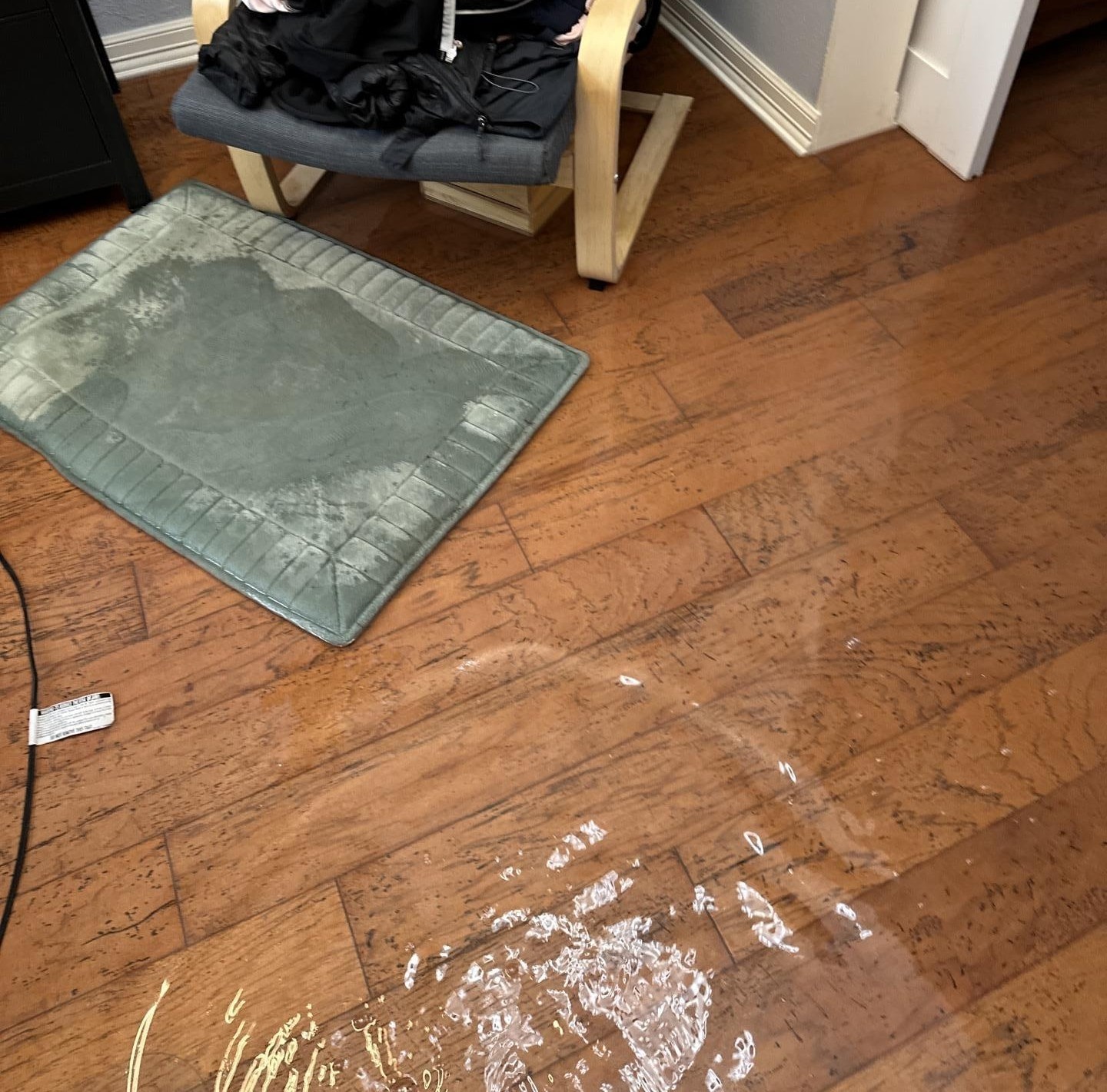
A 2025 winter freeze causes a burst pipe in a South Austin home, flooding the kitchen and damaging hardwood floors
-
A sudden washing machine hose failure in a Circle C Ranch house sends water into the laundry room and adjacent hallway
-
A water heater ruptures in a Barton Hills property, causing ceiling damage to the room below
What many Texas policies exclude or limit:
-
Repeated seepage over weeks or months (that slow drip behind the bathroom wall you’ve been ignoring)
-
Groundwater enters through the foundation walls during extended wet periods
-
Surface flooding from storms like the heavy May 2024 rains that overwhelmed drainage systems
Policies may not cover damage caused by these excluded events, so it’s essential to know exactly what your policy excludes.
It’s worth noting that claims are still subject to deductibles. Some Texas policies have separate wind/hail or named-storm deductibles that may apply when roof damage triggers water intrusion. In hail-prone Central Texas, these percentage-based deductibles can be significantly higher than your standard all-peril deductible.
What Types of Water Damage Are Covered vs. Not Covered?
This section breaks down common Austin water damage scenarios into “generally covered” and “often not covered” categories. Keep in mind that exact answers depend on your specific homeowners policy wording—this is guidance, not a guarantee.
Examples of damage that are often covered:
-
Burst supply lines (hot or cold water pipes that rupture suddenly)
-
Pipe bursts (sudden failure of pipes causing water damage)
-
Sudden drain line breaks inside or under the slab
-
Accidental overflow of a tub, sink, or toilet
-
Sudden AC condensate line backup that damages ceilings or walls
-
Ice dams are causing sudden water intrusion (rare in Austin but possible during severe freezes)
-
Leaking plumbing fixtures that fail without warning
Examples of damage that are typically not covered:
-
Slow leaks behind a shower wall are developing over many months
-
Long-term roof wear that eventually starts dripping during rainstorms
-
Foundation seepage during the prolonged 2025 spring rains
-
Water seepage through the basement or crawlspace walls
-
Sewage backup (unless you have a separate policy endorsement)
-
Standing water from external flooding
Texas homeowners' policies generally follow standard forms, but the specific exclusions and endorsements in your policy can dramatically change what is and isn’t covered. For instance, a water backup endorsement—which typically costs $50–100 per year—can provide coverage for sewage backup and sump pump failures that would otherwise be excluded. Similarly, optional foundation coverage endorsements can protect against some foundation-related water damage that standard policies exclude.
Before a loss occurs, review your declarations page and ask your insurance agent to explain any endorsements you have and any you might want to add.
Sudden vs. Gradual Water Damage (Why It Matters in Austin Claims)
Insurance in Texas generally distinguishes between “sudden and accidental” events and “repeated seepage or leakage.” This distinction is among the top reasons water damage claims are partially or fully denied.
A single event—like a dishwasher supply line snapping on June 3, 2025—is treated very differently than a pinhole copper pipe leak that slowly stains a ceiling over 6–12 months in a North Austin home. The first is a covered peril under most policies. The second is often denied as maintenance-related or gradual damage.
Mini-case examples showing how Austin adjusters might classify damage:
|
Scenario |
Likely Classification |
Coverage Status |
|
Washing machine hose bursts while running, flooding the laundry room in minutes |
Sudden and accidental |
Typically covered |
|
The shower pan leaked for 8 months, causing subfloor rot discovered during renovation |
Gradual/repeated seepage |
Often excluded |
|
The water heater tank ruptured suddenly, releasing 50 gallons |
Sudden and accidental |
Typically covered |
|
Slow drip behind the kitchen sink causes mold growth over several months |
Gradual/maintenance neglect |
Often excluded |
Texas policies often contain specific language excluding damage “that occurs over a period of weeks, months or years.” This is why it’s crucial to report suspicious moisture or stains early instead of waiting to see if they get worse.
Practical tips to protect your claim:
-
Photograph new stains as soon as you see them, with date stamps
-
Keep written notes of the dates you first noticed an issue
-
Get a plumber’s written opinion on whether a leak appears sudden or has been ongoing
-
Don’t delay reporting—even if you’re unsure whether the damage is significant
Slab Leaks and Foundation-Related Water Damage in Austin
Slab leaks are a major issue in Austin due to our concrete-slab foundations and the region’s notorious shifting clay soils. Older homes in neighborhoods like Allandale, Rosedale, and Crestview often experience this problem, but newer construction isn’t immune either.
A slab leak water damage occurs when a pressurized water line running beneath your concrete foundation develops a leak. Because these pipes are buried, the damage often goes unnoticed until it becomes severe.
Typical signs of a slab leak:
-
A sudden spike in your City of Austin water bill
-
Warm or hot spots on tile or concrete floors
-
The constant sound of running water when all fixtures are off
-
Cracks appearing in walls or flooring
-
Unexplained moisture or mold near baseboards
Here’s where coverage gets complicated: in many Texas policies, the damage caused by a sudden slab leak—warped floors, damaged drywall, ruined cabinets, affected personal property—can be covered. However, accessing and repairing the broken pipe itself, along with some foundation work, may be limited or excluded entirely.
Some Texas carriers offer optional “foundation water damage” endorsements that expand coverage for these situations. Ask your insurance agent if you have this coverage in place before a problem occurs. Given Austin’s soil conditions, this endorsement can be worth the additional premium.
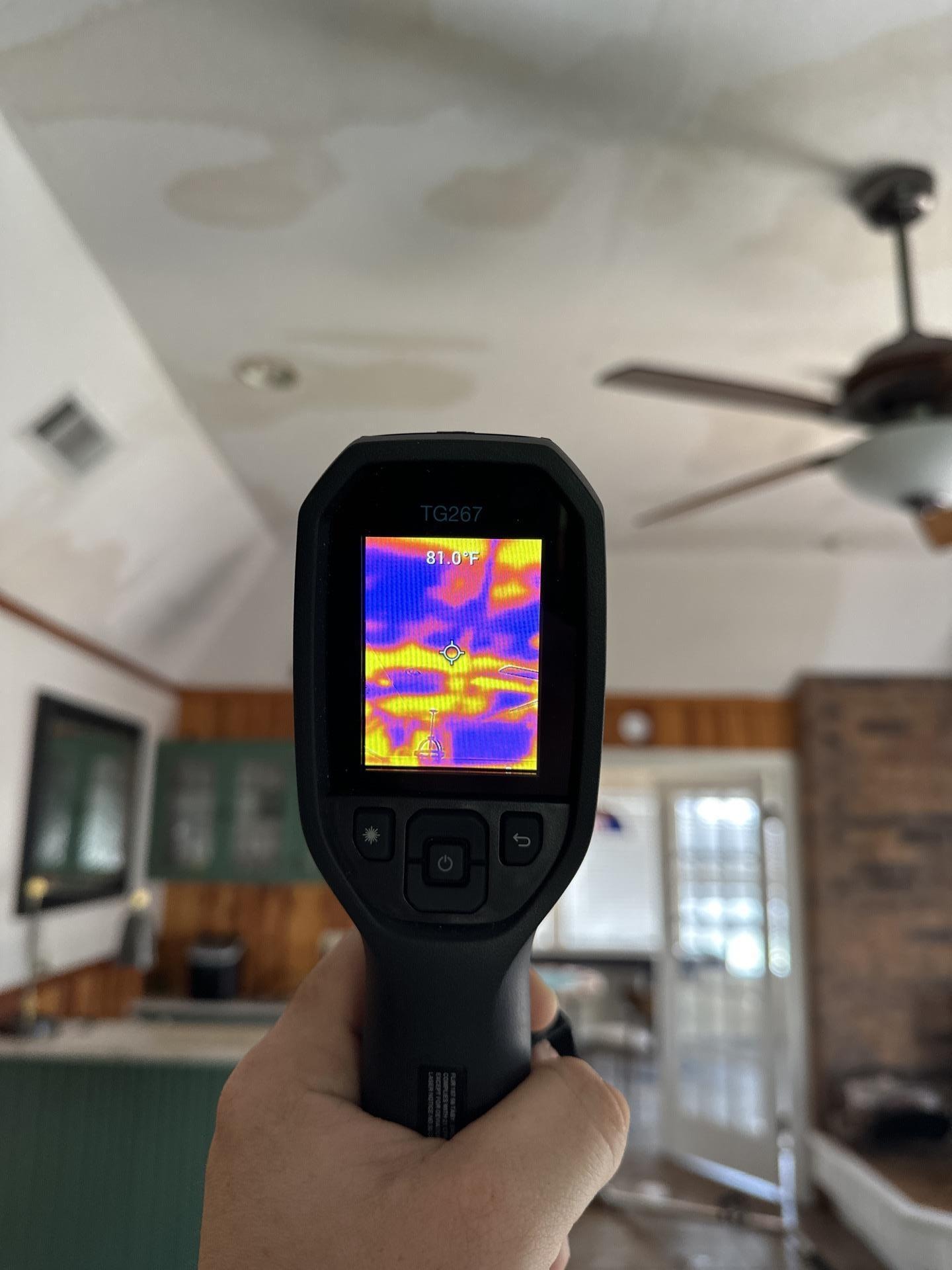
Lightspeed Restoration of Austin typically documents slab leak damage through moisture readings along baseboards, thermal imaging to locate hidden water migration, and photographs of separated flooring or warped materials. This thorough documentation helps demonstrate the extent of damage to adjusters and supports your claim for full coverage of affected areas.
Roof Leaks and Storm-Related Water Damage in Austin
Austin’s hailstorms and heavy spring thunderstorms pose significant risks of roof-related water damage. Consider a March 2024 hail event that damaged shingles across Pflugerville and Round Rock, leading to interior water staining in hundreds of homes during subsequent rainstorms.
Water entering through a roof is generally covered when the opening is created by a covered peril—hail, wind, or a falling tree limb. However, roof leaks are often not covered when they’re caused by age, worn shingles, or neglected maintenance. The distinction matters because it affects both whether you have coverage and how much the insurer will pay.
Important distinction: Your insurer may pay for interior water damage (ceiling, insulation, walls, flooring) while making a separate decision about whether the roof itself qualifies for repair or replacement. These are evaluated independently, and you may find that your water-damaged ceiling is covered even if the insurer determines your roof was already near the end of its life.
After an Austin storm, take these immediate steps:
-
Safely tarp or cover any visible roof openings to protect against further damage
-
Move belongings away from affected areas
-
Photograph shingle damage from the ground or with a drone before contractors make repairs
-
Document water intrusion points inside the home with photos and video
Some Texas policies have higher deductibles for wind/hail claims—often 1% to 5% of dwelling coverage rather than a flat dollar amount. On a $400,000 home, that could mean an $8,000 deductible for storm damage. Additionally, repeated roof water claims in Austin neighborhoods hit by frequent storms can affect your eligibility for renewal and your premiums.
Flood vs. Water Damage in Austin, TX
Understanding the difference between flood damage and other water damage is critical for Austin homeowners—and the distinction often surprises people.
“Flood,” as FEMA and insurers define it, means water rising from outside, affecting two or more properties or at least two acres. This includes overflowing creeks such as Onion Creek, Bull Creek, and Shoal Creek during heavy storms. It also includes flash flooding from overwhelmed drainage systems and water backing up from storm sewers.
Standard homeowners' insurance policies in Austin do not cover flood damage. Full stop. You must purchase separate flood insurance through the National Flood Insurance Program (NFIP) or from a private flood insurer, and these policies typically have a 30-day waiting period before coverage begins.
Austin has painful reminders of this coverage gap. The 2013 and 2015 Halloween floods in southeast Austin devastated neighborhoods around Onion Creek, and many homeowners discovered too late that their homeowners' policy didn’t cover water that entered from outside at ground level. Only those with separate flood policies had protection.
Contrast that with covered non-flood water damage:
-
A burst pipe in a Barton Hills home (water originated inside the structure)
-
An upstairs toilet overflow that ruins a downstairs ceiling (accidental internal discharge)
-
A sudden AC condensate overflow in a downtown condo (internal system failure)
-
Frozen pipes that burst during a winter storm (sudden rupture, not rising water)
Even if you don’t live in a designated floodplain, consider whether separate flood coverage makes sense for your risk tolerance. Austin’s Flood Factor scores indicate that over 20% of properties in the metro area face meaningful flood risk, and climate patterns suggest this risk is increasing. Private flood policies are growing in popularity—up 25% in Austin after the 2023 rain events—and may offer better coverage or pricing than NFIP for some properties.
How the Water Damage Claims Process Works in Austin
Here’s a step-by-step overview of what happens from the moment water damage occurs in your Austin home through final payment. To help you navigate the process, follow the following steps:
Step 1: Emergency response and mitigation (Day 0–1)
When you discover water damage, your first priority is stopping the water supply and preventing further damage. Shut off the main water valve, cut power to affected areas if safe, and begin documenting conditions immediately. Contact your insurance company’s 24/7 claims hotline to report the loss.
Your insurer has 15 business days to acknowledge receipt of your claim once filed.
Step 2: Professional mitigation begins (Day 0–2)
Lightspeed Restoration of Austin and similar emergency restoration companies can typically respond within hours. They’ll assess the damage, begin water extraction, set up drying equipment, and start documenting conditions professionally. This mitigation work can—and should—begin before the adjuster arrives, as long as you’ve thoroughly documented the pre-mitigation state.
Step 3: Adjuster inspection (Day 2–7)
Most national insurers serving Austin (USAA, Farmers, State Farm, Allstate) offer 24/7 claim hotlines and online portals, but the field adjuster may not arrive for 1–3 days during normal times—or longer during busy storm seasons. The adjuster will inspect the damage, photograph affected areas, and prepare an initial estimate.
You should meet with your insurance adjuster as soon as possible after reporting the claim to evaluate the damage.
Step 4: Estimate review and coverage decision (Week 2–3)
After inspection, the insurance company reviews the adjuster’s findings and determines what’s covered under your policy. You’ll receive an estimate and coverage decision. This is where detailed documentation from your restoration company becomes invaluable.
After receiving all necessary information, the company has 15 business days to decide whether to pay the claim.
Step 5: Negotiation and supplemental claims (Week 2–4)
If the initial estimate seems low or doesn’t include all damaged areas, your restoration company can help prepare a supplemental claim with additional documentation. Disputes over scope are common and often resolved through additional information rather than formal appeals.
Step 6: Repair work and rebuild (Month 1–3)
Once coverage is confirmed, repairs can proceed. For moderate losses, expect 1–3 months from loss to completed repairs, depending on contractor availability and the complexity of the work.
Key players you’ll encounter:
|
Role |
Responsibility |
|
Field Adjuster |
Inspects damage on-site, documents conditions |
|
Desk Adjuster |
Reviews documentation, makes coverage decisions |
|
Restoration Project Manager |
Oversees mitigation and reconstruction, and coordinates with the insurer |
What to Do Immediately After Water Damage in Your Austin Home
A burst pipe or sudden slab leak can be overwhelming, but taking the right actions during the first 24–48 hours in Austin’s heat and humidity is critical for both health and insurance outcomes.
Immediate steps to take:
-
Shut off the water at the main valve (typically near the street or in your garage) to stop more water from entering
-
Cut power to affected areas if it’s safe to access your electrical panel without standing in water
-
Move valuables and furniture out of standing water and away from wet areas
-
Call licensed water damage restoration professionals like Lightspeed Restoration of Austin for emergency response
-
Begin documenting before any cleanup occurs
Documentation before cleanup is essential:
-
Take wide-angle photos of the entire affected room
-
Capture close-up shots of specific damage (buckled flooring, water lines on walls)
-
Record video panning slowly across each room
-
Photograph damaged personal property with make/model visible when possible
-
Note water depth with a ruler or measuring tape in photos
Contact your insurance agent or carrier as soon as practical, even if you’re not sure the loss exceeds your Texas deductible. Delayed reporting can complicate claims and give insurers grounds to question the timeline of events.
Critical timing for Austin: Mold can begin developing within 24–48 hours in our humid climate. Don’t wait for the adjuster before starting professional mitigation. After you’ve documented the initial conditions with photos/video, most policies require you to take reasonable steps to protect the property from further damage—so getting dehumidifiers and air movers running quickly can help reduce secondary damage and costs.
Working with Insurance Adjusters in Austin
The adjuster’s role is to investigate the cause of loss, confirm coverage under your Texas homeowners policy, and estimate fair repair costs. Understanding how to work effectively with adjusters can significantly impact your claim outcome.
Some adjusters live in the Austin area and are well-versed in local construction costs and conditions. Others may be catastrophe (CAT) adjusters brought in from other states after major storms or freeze events. Both must follow the Texas Department of Insurance standards, but local adjusters often have more context on Austin-specific issues, such as clay soil movement and slab foundations.
Under the Texas Prompt Payment of Claims Act (Texas Insurance Code Chapter 542), insurers must acknowledge a claim and begin investigating within 15 business days of receiving notice. After receiving all required documentation, they must generally accept or deny the claim in writing within 15 business days, with limited extensions permitted under the law. Once a claim is accepted, payment is typically required within five business days. These timelines are designed to keep claims moving forward in a reasonable and structured manner.
Tips for the adjuster’s visit:
-
Be present for the inspection when possible
-
Walk the adjuster through every affected room, including closets and secondary spaces
-
Point out all damaged areas, even those that seem minor
-
Share any plumber’s reports, moisture readings, or mitigation documentation you have
-
Ask questions about anything you don’t understand
Communication best practices:
-
Keep all interactions polite and factual
-
Ask the adjuster to explain any coverage limitations in writing
-
Follow up phone conversations with emails summarizing what was discussed and agreed upon
-
Request the adjuster’s direct contact information for follow-up questions
Lightspeed Restoration of Austin can often meet with the adjuster on-site to review moisture readings, drying logs, and line-item estimates. This collaboration helps ensure the estimate's scope of work matches the actual damage and follows IICRC S500 restoration standards recognized by insurers.

Deductibles in Texas Policies and How They Affect Water Claims
A deductible is the amount you pay out of pocket before your insurance coverage kicks in. Texas homeowners' policies typically have a flat dollar deductible—commonly $1,500 to $5,000 for non-wind/hail losses—though amounts vary widely depending on your carrier and coverage elections.
Concrete example:
A sudden kitchen supply line leak in an Austin 78745 home results in $12,000 in covered damage. With a $2,500 deductible, the insurer pays $9,500, and the homeowner pays the first $2,500. The homeowner is responsible for their deductible regardless of fault.
Wind/hail deductibles work differently:
Many Texas policies have separate wind/hail deductibles calculated as a percentage of dwelling coverage rather than a flat dollar amount. If your home is insured for $400,000 and you have a 2% wind/hail deductible, that’s $8,000 out of pocket for storm-related claims. Interior water damage from a hail-damaged roof might hit this higher percentage deductible rather than your standard deductible.
Strategic considerations:
Multiple small claims within a few years—even those below $10,000—can impact your premiums and increase non-renewal risk in Texas. Insurers track claim frequency, and homeowners with 2 or more claims over a 3–5-year period often face higher rates or difficulty finding coverage.
Before filing, ask your agent what your current deductible is and whether a particular loss is likely to exceed it sufficiently to justify a claim. If your damage is $4,000 and your deductible is $2,500, you’d receive only $1,500 from the insurer while adding a claim to your record. That calculus might favor paying out of pocket for smaller losses.
How Restoration Companies Document Water Losses (Drying Logs, Moisture Mapping, etc.)
Thorough, professional documentation is one of the strongest tools for getting Austin water damage claims approved and properly funded. Insurance companies have specific expectations for how damage is measured, and repairs are justified—and restoration professionals know how to meet those standards.
Key documentation methods used by professional restoration companies:
|
Documentation Type |
What It Shows |
|
Daily moisture readings |
Tracks moisture levels in walls, floors, and materials over time |
|
Thermal imaging |
Locates hidden moisture behind walls and under flooring |
|
Moisture maps |
Visual diagrams showing affected areas and water migration patterns |
|
Drying logs |
Records equipment deployment, runtime, and daily progress |
|
Photo documentation |
Before, during, and after images of all affected areas |
|
Content inventories |
Lists damaged personal property with descriptions and values |
Lightspeed Restoration of Austin records initial conditions, including baseline humidity and temperature readings, categories and classes of water damage (which affect required drying procedures), and comprehensive photos showing the scope of loss before mitigation begins.
These records are often shared directly with the adjuster or uploaded to insurer portals. They support the need for specific equipment (dehumidifiers, air movers, HEPA filtration) and any necessary demolition, such as removing saturated baseboards or lower sections of drywall. Line-item estimates typically use Xactimate software, which approximately 80% of insurers use as their pricing standard.
Reputable Austin restoration companies are experienced in working within insurance guidelines and can help justify scope and cost in a way carriers recognize and accept. This professional documentation reduces denial rates and speeds claim resolution.
Common Water Damage Claim Mistakes Austin Homeowners Make
Even with good intentions, many homeowners make errors that complicate their water damage claims or reduce their payouts. Here’s a practical checklist of pitfalls to avoid.
Mistake 1: Waiting days before reporting the loss
Texas policies typically require prompt notification. Waiting a week to report a burst pipe—even if you’ve started cleanup—can raise red flags with adjusters and complicate your claim timeline.
Mistake 2: Starting repairs without documentation
In the urgency to clean up, some homeowners rip out wet carpet, remove baseboards, and throw away damaged materials before taking photos or letting the adjuster see the damage. This makes it much harder to prove the extent of loss and justify full replacement costs.
Mistake 3: Discarding damaged materials too soon
Keep samples of damaged materials (a section of carpet, affected drywall) until the adjuster has inspected or given permission to dispose of them. Some adjusters want to see physical evidence, especially for questionable coverage situations.
Mistake 4: Failing to mitigate further damage
While you shouldn’t repair before documenting, you’re expected to prevent additional damage. Not tarping a roof, leaving standing water in place for days, or failing to address humidity can lead to denied claims for secondary damage like mold.
Mistake 5: Not reading your policy’s water damage exclusions
Many homeowners assume “water damage” is covered without understanding specific exclusions for flood, gradual seepage, or foundation-related losses. Know what your policy does and doesn’t cover before you need to file.
Mistake 6: Signing a settlement too quickly
Accepting the first estimate without reviewing it carefully or getting contractor bids can leave money on the table. Initial estimates are often lowballed by 20% or more, and supplemental claims are common and expected.
Keep all receipts: Hotel stays near the Domain or downtown, fans purchased at Home Depot, plumber invoices, and emergency meals are often reimbursable as additional living expenses or claim-related costs. A shoebox full of receipts can mean thousands in additional recovery.
Partnering early with a professional mitigation company and asking questions of your agent and adjuster can prevent most of these mistakes.
From Loss to Rebuild: Typical Timelines for Austin Water Damage Claims
Timelines vary with the size of the loss, your insurance company’s responsiveness, and how busy Austin contractors are—but here’s a general range so you know what to expect.
Sample timeline for a moderate water loss:
|
Phase |
Timeframe |
Key Activities |
|
Emergency response |
Day 0–2 |
Water extraction, initial documentation, claim filed |
|
Adjuster inspection |
Day 2–7 |
On-site visit, preliminary estimate |
|
Coverage decision |
Week 2–3 |
Review of estimate, coverage confirmation |
|
Supplement negotiations |
Week 2–4 |
Additional documentation for missed items |
|
Drying completion |
Week 1–3 |
Professional drying, moisture verification |
|
Reconstruction |
Month 1–3 |
Repairs, finishes, final walkthrough |
After large storm events in Central Texas, adjuster visits and approvals can be delayed by weeks. During these periods, having well-organized documentation from Lightspeed Restoration of Austin can help keep things moving—adjusters can review photos and moisture maps remotely while waiting to schedule in-person visits.
Understanding holdbacks:
If your policy includes replacement cost coverage, insurers in Texas often initially pay actual cash value (ACV)—the depreciated value of damaged items. The remaining depreciation is released as a holdback payment after repairs are completed and you submit final invoices showing the work was done. Don’t be alarmed by an initial payment that seems low; the remaining funds are typically released upon proof of repair.
Practical advice for managing timelines:
-
Keep a simple claim timeline log noting every communication date
-
Follow up proactively with both your contractor and insurer
-
Respond quickly to requests for additional information
-
Ask for estimated completion dates at each phase
FAQ: Water Damage Insurance Claims in Austin, TX
This FAQ tackles additional Austin-specific questions that weren’t fully covered in the main sections, focusing on practical, real-world scenarios Texas homeowners face.
What should I do if my water damage insurance claim is denied or underpaid?
If your water damage insurance claim is denied or underpaid, it is not the end of the road, and you can still pursue recovery. Review your policy carefully and gather all documentation related to the damage and your claim. Pursuing legal advice may be necessary when dealing with water damage and insurance coverage, especially if you believe your claim was wrongfully denied. You may also consider filing an appeal with your insurer or seeking assistance from a public adjuster.
Should I work with a restoration company or an insurance agent?
Working with a reputable restoration company like Lightspeed Restoration of Austin can help ensure repairs are done correctly and documented for your claim. Additionally, working with an independent insurance agent can help you navigate the claims process and advocate for your rights, making the process smoother and less stressful.
How does water damage affect my business property insurance claim?
Water damage can disrupt business operations and lead to costly remediation efforts. For business owners, it’s important to act quickly to minimize business interruption and protect your assets. Commercial property insurance policies often have specific requirements and exclusions related to water damage, so review your policy and consult with your agent to ensure proper coverage.
Are there helpful resources for clients dealing with water damage insurance claims?
Yes, there are many helpful resources available to assist clients in understanding and navigating the water damage insurance claims process. These include online guides, FAQs, and handbooks provided by insurance companies and independent organizations. Many clients have shared positive experiences and testimonials after successfully resolving their claims with the help of these resources and professional support.
Is mold from water damage covered by my Texas homeowners' policy?
Many Texas policies limit mold coverage with sub-limits—commonly $5,000—or require optional mold endorsements for any coverage at all. If you’re wondering in more detail, see our guide on whether insurance will cover mold after water damage.
Mold resulting from a covered sudden water event (like a burst pipe in a South Austin home where professional drying began within 48 hours) is more likely to receive at least partial coverage. Mold from long-term, ignored leaks—where the homeowner knew about moisture issues but didn’t address them—is commonly excluded.
Report musty smells, visible mold growth, or persistent dampness to your insurer as soon as you notice them. Ask your adjuster to explain in writing exactly what mold coverage exists under your specific policy. Mold remediation expenses can escalate quickly, so understanding your coverage limits helps you plan.
What if my water damage claim in Austin is denied or underpaid?
If your claim is denied or the payout seems insufficient, start by requesting a written explanation from your insurer detailing why coverage was limited or denied. Review this against your policy language.
You can request reconsideration by providing additional documentation: more detailed photos, contractor estimates, plumber reports, or engineering assessments that support your position. Many initially underpaid claims are resolved through supplemental claims with additional information.
If you believe your insurer is acting unfairly or not following Texas rules, you may file a complaint with the Texas Department of Insurance. For complex, high-dollar disputes, some policyholders consult a public adjuster (who works on your behalf for a percentage fee, typically 10%) or an attorney who focuses on property insurance claims. However, many disagreements can be resolved through persistent, documented direct communication before escalating.
Can I choose my own water damage restoration company in Austin?
Most Texas policies allow you to choose any properly licensed and insured mitigation contractor. Your insurer may suggest preferred vendors or have a network they work with, but using their suggestion is typically not mandatory.
Lightspeed Restoration of Austin is an example of a local, independent restoration company that works with all major insurers and follows their documentation requirements. Being local means faster response times and familiarity with Austin-specific issues, such as clay soil damage and high humidity.
Before authorizing major work, verify the contractor certifications, check online reviews, and make sure you receive written estimates with clear scopes of work. Understand what’s included and excluded from their services.
Will filing a water damage claim raise my insurance rates or cause non-renewal?
In Texas, insurers consider claim history when setting premiums and deciding whether to renew. One moderate water claim might lead to a rate increase at your next renewal, depending on the carrier and claim details.
Multiple water losses within 3–5 years, or large claims over $25,000, increase the chances of non-renewal—especially if the losses appear preventable (like repeated plumbing issues that were never fully addressed). Texas Department of Insurance data suggests that homes with claims are likely to be non-renewed in the following years.
Before filing, when damage is borderline with your deductible, discuss potential impacts with your agent. Balance the out-of-pocket cost of self-paying repairs against the long-term premium implications of adding a claim to your record.
What if I need to move out during water damage repairs in Austin?
Many Texas homeowners' policies include Additional Living Expense (ALE), also called Loss of Use coverage. This can pay for reasonable expenses if your home is uninhabitable due to a covered loss, including:
-
Hotel stays or short-term rental costs
-
Increased food expenses (restaurant meals vs. home cooking)
-
Laundry costs
-
Storage for belongings during repairs
-
Pet boarding if your temporary housing doesn’t allow pets
Keep all receipts from Austin-area hotels, temporary rentals in Round Rock or Cedar Park, and other displacement-related expenses. Confirm daily or monthly limits with your adjuster in advance—ALE coverage is typically capped between 10% - 20% of your dwelling coverage, but may have shorter time limits.
Restoration companies and adjusters often work together to prioritize drying and repairs in key living areas—kitchen, bathroom, and bedrooms—to minimize time spent displaced for Austin families.
Final thoughts: Understanding your Texas homeowners' insurance policy before water damage strikes can save you significant money and stress. The claims process doesn’t have to be overwhelming if you document thoroughly, act quickly to prevent further damage, and work with experienced professionals who know how to navigate insurance requirements.
If you’re facing water damage in Austin or want to prepare your home for potential losses, call Lightspeed Restoration of Austin at 512-428-8309 for emergency response or to discuss how professional restoration documentation can support your insurance claim. Save our number before you need it—because at 3 AM with water pouring from your ceiling, you’ll be glad you planned ahead.
Conclusion and Next Steps for Austin Homeowners
Water damage can be a major challenge for Austin homeowners, but with the right preparation and understanding of your insurance coverage, you can protect your property and finances. Start by reviewing your policy and working closely with an experienced insurance agent who can help you navigate the claims process and maximize your coverage. Keep detailed records of your belongings and any repairs, and don’t hesitate to seek legal advice if your claim is denied or underpaid.
Be proactive in preventing further damage by addressing risks such as frozen pipes, sewage backups, and standing water as soon as they arise. Taking these steps not only helps you avoid costly repairs but also ensures you’re ready to act quickly in an emergency. By staying informed and prepared, you can reduce the risks of water damage and ensure your home and family are protected in the future.