

If you’ve discovered water pooling on your floor, noticed your water bill skyrocketing, or caught that unmistakable musty smell in your Austin home, you might be dealing with a slab leak. The question that quickly follows: Will your homeowners' insurance actually cover the damage?
The answer isn’t a simple yes or no. Texas homeowners' insurance typically covers some—but not all—slab leak water damage, and understanding the difference can save you thousands of dollars and significant stress.
Key Takeaways
-
Most Texas homeowners' policies cover sudden and accidental water damage from slab leaks, but they usually exclude long-term seepage, neglected maintenance, and foundation repair itself. Coverage hinges on the cause, timing, and how quickly you respond after discovering the leak.
-
When you see warning signs like warm floors, unexplained spikes in your water bill, musty odors, or visible cracks in walls, document everything immediately with photos and videos, shut off the water, and contact both your insurer and Lightspeed Restoration of Austin.
-
Insurance typically covers professional water damage mitigation and restoration—including drying, demolition, and rebuilding—when the leak qualifies as a covered peril. This is exactly what Lightspeed Restoration of Austin handles for Austin homeowners.
-
The actual plumbing repair (fixing the leaking pipe) is often considered a maintenance item and may not be covered, though the cost to access the pipe by removing flooring or concrete is frequently included in covered claims.
-
Policy language varies significantly between HO-3, HO-B, and various Texas-specific endorsements that have become more common since around 2015. Have your policy reviewed and call Lightspeed Restoration of Austin for an on-site assessment and guidance in navigating your water damage restoration portion of your claim.
Understanding Slab Leak Water Damage in Austin, TX
A slab leak occurs when water pipes running beneath or within your home’s concrete foundation develop a break, allowing water to escape into the soil beneath or up through your flooring. This problem is particularly common in Austin homes built from the 1970s through the 2000s, when slab foundations with embedded copper pipes were the standard construction method across Central Texas.
Austin’s unique environment creates a perfect storm for slab leaks. The region’s expansive clay soil—particularly the black clay and caliche formations common throughout Travis, Williamson, and Hays counties—swells dramatically when wet and shrinks during drought. This seasonal foundation movement puts constant stress on the plumbing system buried in your concrete slab. Add Austin’s hard water chemistry, which accelerates pipe corrosion, and you have conditions where slab leaks occur far more frequently than in other parts of the country.
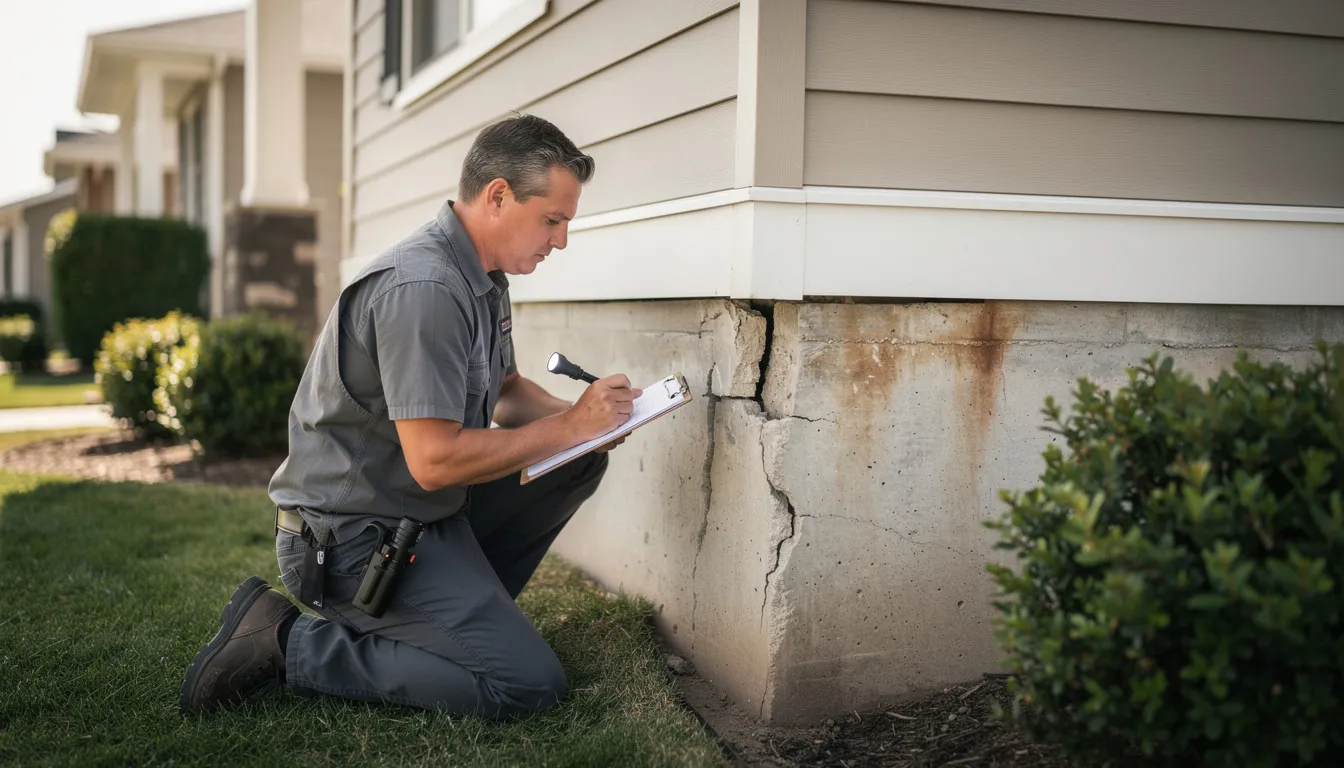
Understanding the distinction between the plumbing failure itself and the resulting water damage is critical for insurance purposes. Your policy likely treats these as separate issues:
|
Component |
What It Means |
Typical Insurance Treatment |
|
The leaking pipe |
The actual broken or corroded pipe under the slab |
Often excluded as maintenance |
|
Access work |
Removing flooring, jackhammering concrete to reach the pipe |
Usually covered when part of a covered loss |
|
Water damage |
Damaged flooring, walls, cabinets, and contents |
Covered if sudden and accidental |
|
Foundation repair |
Piers, leveling, structural work |
Often excluded or heavily limited |
When water from a slab leak flows into the home, the consequences can be severe. You might see buckling hardwood floors, saturated carpet and padding, swollen baseboards, or damp spots appearing on your concrete slab. Excess moisture trapped under flooring creates ideal conditions for mold and mildew growth, which can begin within 24–48 hours of water exposure. All of these consequences are exactly what Lightspeed Restoration of Austin is trained and equipped to address through professional water damage restoration in Austin, TX.
How Homeowners Insurance in Texas Usually Treats Slab Leak Water Damage
There is no single statewide rule governing slab leak coverage in Texas. Your specific coverage depends on your policy form—whether you have an HO-3 (the most common), HO-B, or HO-A—and any endorsements your insurer uses. Major carriers active in the Austin area, including State Farm, USAA, Allstate, Farmers, and others, each have their own policy language and approach to slab leak claims.
Most modern Texas homeowner's policies cover “sudden and accidental” discharge of water from plumbing inside the home. This generally includes a sudden slab leak that quickly damages your flooring, walls, and personal property. If a pipe bursts overnight and you wake up to a soaked living room, the resulting water damage is typically covered as a sudden event.
However, many policies explicitly exclude or limit coverage for “continuous or repeated seepage or leakage” that occurs over 14 days or more. This exclusion is crucial when a slab leak has been slowly saturating the slab and soil beneath your home for weeks or months before you discovered it.
Some Texas insurers offer optional water damage or foundation-related endorsements that expand coverage for access to and repair of plumbing lines under the slab. These endorsements became more common after 2010-2015 as insurers recognized the unique challenges Texas homeowners face. If you have one of these endorsements, you may have broader protection—but most standard policies do not include them automatically.
Example scenarios:
An Austin homeowner discovered a sudden pipe rupture in April 2024 that soaked their living room overnight. Because the damage was sudden and they responded immediately, their claim for water extraction, structural drying, and flooring replacement is likely covered.
Contrast this with a homeowner who noticed high water usage for months but ignored it. When they finally investigate, they find long-term water damage and visible mold growth behind baseboards. This scenario is often partially or fully excluded because the damage resulted from gradual seepage that could have been prevented with earlier action.
What Is Typically Covered vs. Excluded for Slab Leaks in Texas
Texas homeowners' policies typically break slab leak claims into three parts: the broken pipe, the water damage, and any foundation or access work required. Understanding how each component is treated helps you set realistic expectations for your claim.
Commonly Covered Items
When a slab leak qualifies as sudden and accidental, insurers generally cover the resulting water damage. This includes damage to drywall, insulation, finished flooring such as tile, laminate, engineered wood, and carpet, as well as affected built-in cabinets. Professional mitigation services are also typically covered—water extraction using commercial-grade equipment, structural drying with industrial dehumidifiers and air movers, and mold remediation when mold growth is directly caused by the covered water leak.
Most policies also cover “tearing out and replacing” parts of the structure necessary to access the failed plumbing. This means the cost of removing tile, jackhammering a section of your concrete slab, and later restoring those surfaces can be included in your claim.
Common Exclusions
Several types of damage are routinely excluded from slab leak claims in Texas:
-
Long-term seepage: If evidence shows the leak existed for weeks or months before discovery, the damage from that extended period may be denied.
-
Pre-existing damage: Damage that existed before the leak occurred, or deterioration from a previous leak that was never properly addressed.
-
Poor workmanship: Damage resulting from poor installation or substandard prior repairs, including pipes installed incorrectly during original construction.
-
Maintenance failures: Conditions that could have been prevented with reasonable upkeep of your plumbing system.
-
The pipe repair itself: While access work is often covered, upgrading or replacing the actual corroded or failed pipe is frequently classified as a maintenance expense.
Foundation repair presents a particular challenge. Work like installing piers, leveling a settled foundation, or addressing visible cracks in your slab is often either excluded entirely or heavily limited without a specific Texas foundation or water damage endorsement. Many Austin homeowners discover this limitation only after filing a claim, which is why reviewing your policy before a loss occurs is so important.
Texas-Specific Factors That Affect Slab Leak Claims
Texas has unique conditions—clay soils, extreme heat, intense storms—that directly influence both why slab leaks occur and how insurers evaluate claims. Understanding these factors helps you anticipate potential coverage challenges.
Austin’s black clay and caliche soils are notorious for their dramatic responses to changes in moisture. These soils can experience volumetric changes up to 12% during wet-dry cycles, meaning your home’s foundation is constantly subjected to shifting ground. This seasonal house shifting stresses the copper water lines running beneath your slab, eventually causing pinhole leaks or full pipe failures.
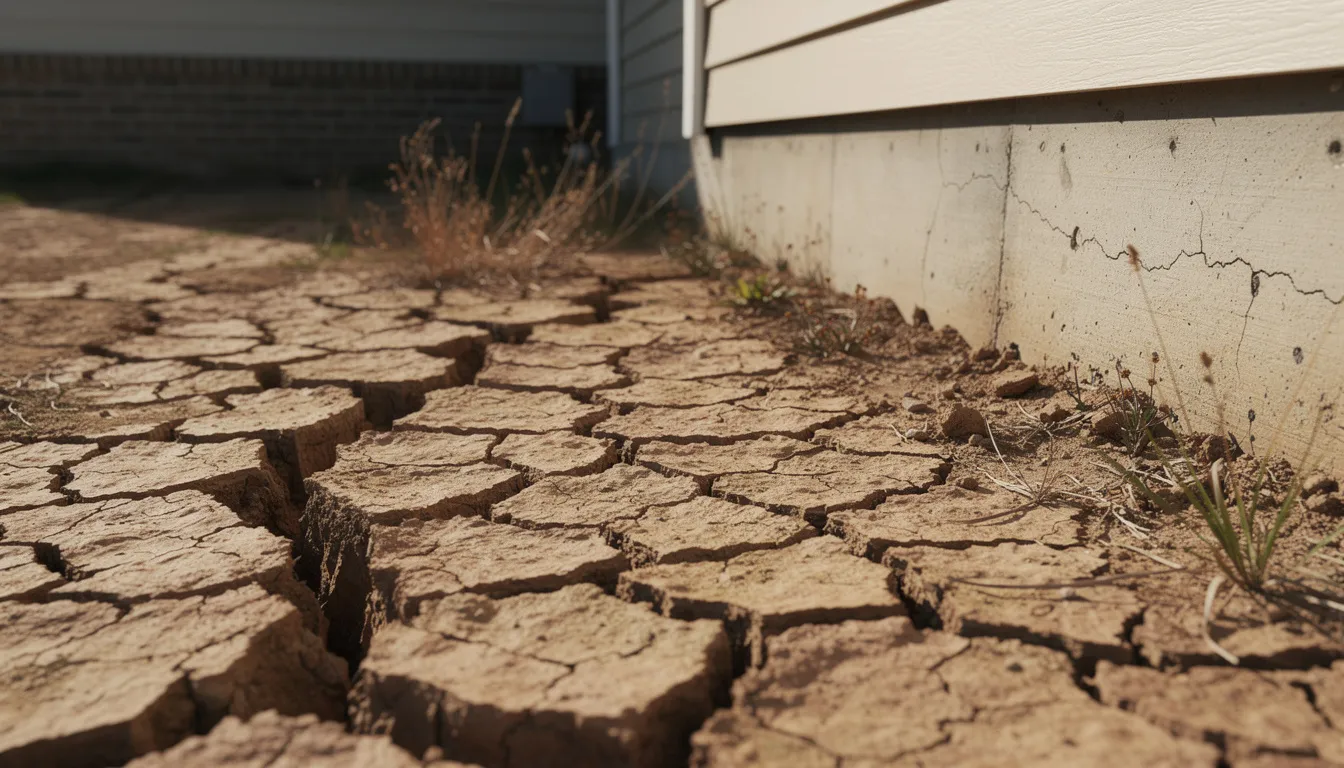
Insurers are well aware of these conditions. They frequently attribute slab leaks to long-term ground movement, pipe corrosion, or age-related deterioration—all of which can trigger policy exclusions. The key to successful coverage often lies in demonstrating that, while underlying conditions may have weakened the pipe, the actual leak and resulting damage were sudden events that you promptly addressed.
Texas homeowners also navigate policy language specifically shaped by Texas Department of Insurance standards. Common wording about “constant or repeated seepage” appears in most policies issued in Travis, Williamson, and Hays counties. This language creates a clear distinction between sudden failures (generally covered) and gradual deterioration (generally excluded).
Ultimately, coverage decisions depend on your specific policy and the insurer’s assessment.
Signs of Slab Leak Water Damage Austin Homeowners Should Watch For
Catching slab leaks early dramatically increases your chance of insurance coverage while significantly reducing repair costs and disruption to your life. Early detection means the difference between a manageable claim and a catastrophic denial.
Warning signs that should trigger immediate investigation:
-
Warm spots on floors: Unusual warm areas on tile or concrete floors, especially near kitchens and bathrooms, often indicate hot water pipes leaking beneath the slab.
-
Unexplained water bill spikes: A 20-50% increase in your City of Austin or surrounding MUD water bill over a 1-3 month span often signals hidden water leaks somewhere in your plumbing system.
-
Musty odors: Earthy or musty smells in specific rooms suggest mold spores developing from trapped moisture—a sign that water damage may already be spreading.
-
New cracks: Foundation cracks, cracks in interior walls, or separating tile grout can indicate foundation damage caused by water-saturated soil beneath your home.
-
Sound of running water: Unusual water sounds when no fixtures are in use may indicate that water pressure from a leak is constantly pushing through your system.
Visible signs of damage include damp or darker spots on slab-on-grade floors, separating or cupping hardwood floors, baseboards pulling away from walls, or unexplained water pooling at the base of walls near plumbing-heavy areas. These more subtle signs often appear in rooms you don’t use frequently, so periodic inspection of your entire house is worthwhile.
Austin neighborhoods with many slab foundations—including parts of South Austin and Cedar Park—should treat these warning signs as urgent rather than adopting a “wait and see” approach. The difference between a one-week-old leak and a three-month-old leak can determine whether your claim is approved or denied.
For insurance purposes, documenting early signs with photos, videos, and dated notes proves to an adjuster that you addressed the problem promptly. This documentation demonstrates you did not leave a potential slab leak unattended, which directly supports your claim for coverage.
What to Do Immediately If You Discover Slab Leak Water Damage in Austin
Time is critical when you discover slab leak water damage. Your actions in the first hours affect both the extent of damage to your home and your rights under your Texas homeowners policy. Delays can void coverage for “preventable spread” of damage—most policies expect you to take reasonable steps to mitigate further harm within 48-72 hours.
Immediate steps to take:
-
Shut off the water supply: Locate your home’s main water shut-off valve, usually at the street or on an exterior wall, and turn off the leaking water. If you have a water meter, note the current reading.
-
Address safety hazards: Keep people and pets away from standing water near electrical outlets or appliances. Do not use any electrical equipment in wet areas until the space is dry.
-
Protect valuables: Move electronics, heirlooms, important documents, and other valuables away from wet areas to prevent further damage.
-
Document everything: Take clear, timestamped photos and short phone videos of standing water, damaged materials, visible cracks, and buckling floors. Capture images before any cleanup begins—this documentation supports your insurance claim.
-
Contact your insurance carrier: Call your insurer’s claims line the same day to open a claim number. Provide basic information about the situation, but avoid speculating about causes or timelines.
-
Call Lightspeed Restoration of Austin (512-428-8309): Contact a local mitigation and restoration company that provides 24/7 emergency response. Professional intervention within hours can prevent significant damage from spreading and preserve evidence for your claim.
Do not begin extensive demolition on your own. Certified professionals perform moisture readings, controlled demolition, and drying in ways that are acceptable to insurers and preserve the evidence needed to support your claim. Well-intentioned DIY cleanup can actually harm your coverage by destroying evidence of the original damage or spreading moisture into previously unaffected areas.
How Lightspeed Restoration of Austin Helps With Slab Leak Water Damage and Insurance Claims
Lightspeed Restoration of Austin specializes in water damage mitigation and full restoration related to slab leaks and other plumbing failures throughout the Austin area. When water damage strikes, the team provides the rapid response needed to minimize losses and support successful insurance claims.
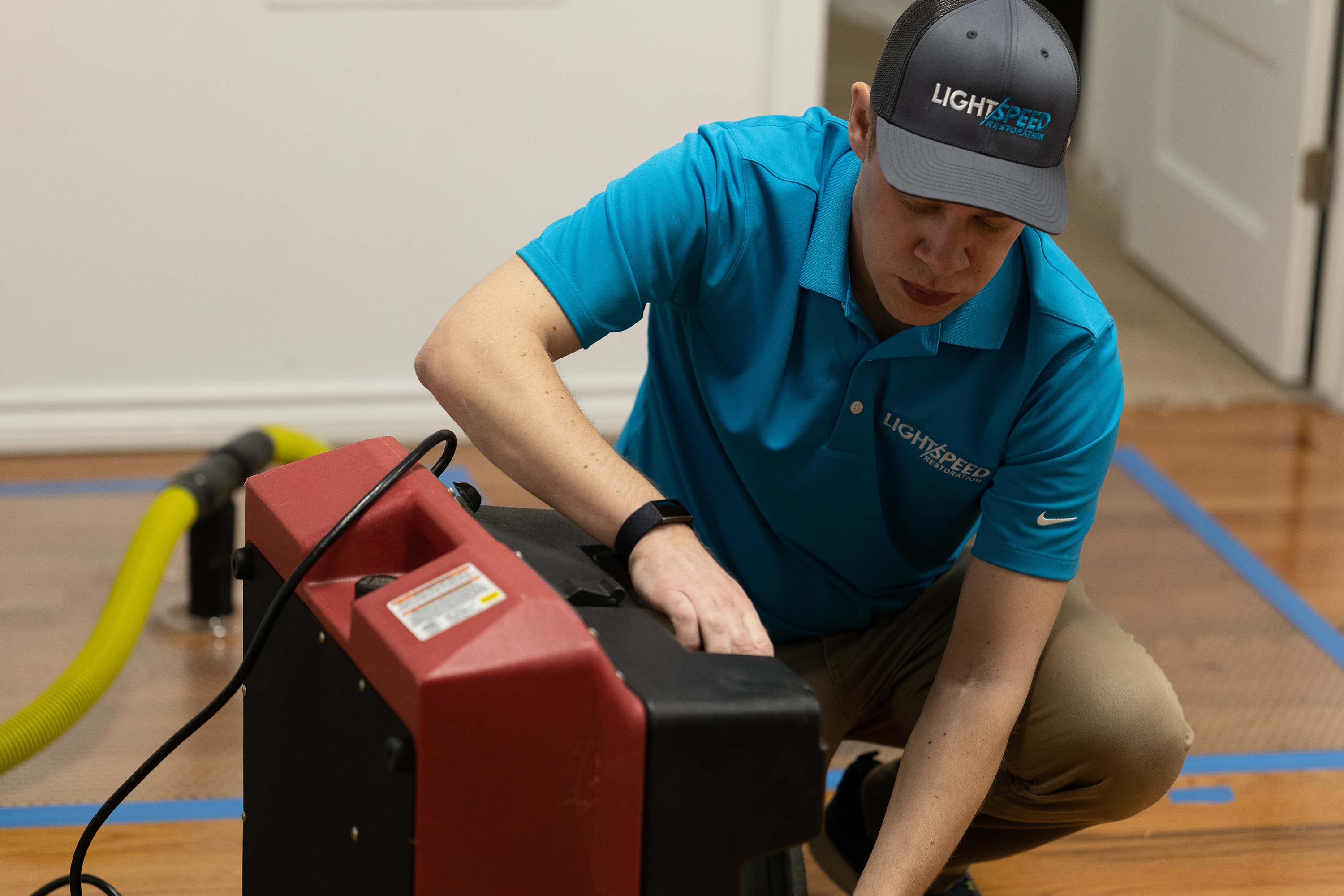
Core services include:
-
Emergency response: 24/7 availability means help arrives when you need it, not during the next business day.
-
Water extraction: Commercial-grade pumps and extractors remove standing water quickly, preventing further saturation of building materials.
-
Structural drying: Industrial dehumidifiers and air movers work to achieve less than 15% moisture content in slabs and framing within 3-5 days, following IICRC-certified protocols tailored to Texas humidity levels.
-
Containment setup: Proper containment prevents moisture and mold spores from spreading to unaffected areas of your home.
-
Mold remediation: When mold and mildew growth has already begun, professional remediation addresses the health risks and prevents recurrence.
-
Repair and rebuild: Complete restoration of damaged finishes, including drywall, trim, flooring, and cabinetry, returns your home to pre-loss condition.
While licensed plumbers handle locating and repairing the slab leak itself using professional slab leak detection equipment, Lightspeed Restoration of Austin coordinates closely with plumbing professionals. This coordination ensures that mitigation, plumbing access work, and reconstruction happen in the right sequence with minimal disruption to your home and claim process.
The team regularly works with major homeowners' insurers active in Austin. This includes helping customers with on-site documentation, detailed moisture mapping, and itemized estimates that align with typical insurance estimating platforms. These detailed reports often make the difference in demonstrating that damage was sudden, that response was prompt, and that all work performed was necessary and appropriate.
If you suspect slab leak water damage in your Austin home, call Lightspeed Restoration of Austin at 512-428-8309 for a prompt assessment and guidance before the situation worsens.
Tips for Working With Your Insurance Company on a Slab Leak Claim
Many Austin homeowners find the claims process stressful, especially when facing their first water damage claim. If you want a clearer understanding of how water damage insurance claims in Austin, TX typically work, taking a methodical approach helps ensure you receive fair treatment and appropriate coverage for your loss.
Before the adjuster arrives:
-
Locate your declarations page and review any water damage endorsements your policy includes.
-
Note your deductible amount—many Texas policies have deductibles of 2-5% of dwelling value, which can mean $8,000 or more on a $400,000 home.
-
Check for sub-limits on specific items, such as mold remediation, which is often capped at $5,000-$10,000 in Texas policies.
-
Look for language about “plumbing leaks,” “continuous seepage,” or “repeated leakage” that might affect your coverage.
During the claims process:
-
Keep a written log with dates and times of every conversation with adjusters, field inspectors, and contractors.
-
Note key decisions and approvals, including who authorized what work.
-
Allow the insurance company’s adjuster or third-party inspector to see the damage before significant demolition occurs—but prioritize emergency mitigation to prevent further harm.
-
Ask questions when you don’t understand something rather than assuming coverage.
Lightspeed Restoration of Austin can help you communicate the technical aspects of moisture readings, drying plans, and necessary demolition to adjusters. Detailed documentation of moisture levels, affected materials, and required mitigation steps supports fair coverage and the appropriate scope of work on your claim.
Preventative Steps to Reduce Future Slab Leak and Water Damage Risks
No one can completely eliminate the risk of slab leaks in Austin’s challenging soil and climate conditions. However, certain preventive measures reduce both the likelihood of future leaks and the severity of any claims that do arise.
Proactive steps for Austin homeowners:
|
Preventative Measure |
Why It Helps |
|
Annual plumbing inspections |
Identifies early signs of pipe corrosion, water pressure issues, and potential leaks before they become costly repairs |
|
Water pressure regulator |
Prevents too much pressure from creating strain on pipes—high pressure accelerates wear on copper water lines |
|
Foundation watering during droughts |
Maintains consistent soil moisture, reducing the expansion and contraction that stresses pipes and causes uneven settling |
|
Addressing foundation movement early |
Prevents existing cracks from worsening and causing additional stress on your plumbing system |
For older homes—especially those built before 2000 with original copper pipes—scheduling an annual professional inspection can identify problems before they cause severe damage. These inspections typically cost $300-$500 and can save tens of thousands in avoided repairs.
Consider talking with your insurance agent about adding or updating water damage and foundation-related endorsements. If you’ve already experienced a slab leak, these endorsements become particularly valuable, as your home has demonstrated susceptibility to this type of loss.
When planning remodels or rebuilding after a loss, Lightspeed Restoration of Austin can consult on mitigation-friendly construction choices. Modern materials like PEX tubing resist corrosion better than copper and withstand Austin’s soil shifts more effectively, reducing future risk while your home is already under construction.
FAQ
These FAQs address additional Austin- and Texas-specific questions that often come up after slab leak water damage.
Is slab leak water damage always covered by homeowners' insurance in Austin?
Coverage is not automatic. Whether your claim is approved depends on whether the leak is considered sudden and accidental, how long it has been occurring, and the specific exclusions and endorsements in your individual policy.
Many Austin homeowners see coverage for resulting sudden water damage and professional mitigation services. However, long-standing seepage or full foundation repair scopes are frequently denied. The same leaks can receive different treatment depending on how they developed and when they were discovered.
Have your individual policy reviewed by your agent or adjuster. Involving Lightspeed Restoration of Austin early helps document the loss properly from the start, which supports your position that the damage qualifies as sudden and accidental.
Does insurance cover fixing the actual leaking pipe under the slab?
In many Texas policies, the cost to access the leaking pipe—removing flooring, jackhammering concrete—can be covered when the work is related to a covered water damage loss. However, the actual repair or replacement of the old pipe is often considered a maintenance item and excluded from coverage.
Some endorsements may broaden coverage for pipe repair or pipe re-routing, so check your policy wording or ask your agent for specifics about your situation.
Coordinate with both a licensed plumber and Lightspeed Restoration of Austin so that access, repair, and restoration are handled efficiently. This sequencing ensures work proceeds in the order insurers expect and minimizes delays in your claim.
How long do I have to report slab leak water damage to my insurance company in Texas?
Policies generally require homeowners to report losses “promptly” or “as soon as practicable.” Delays can complicate coverage, especially for continuous or repeated leakage, where the timing of discovery becomes a central issue.
Open a claim within hours or at most a day or two of discovering slab leak damage, even if you don’t yet know the full cause or scope. A small leak discovered today should not wait until next week to be reported.
Lightspeed Restoration of Austin can assist with initial documentation and provide information about the damage that you can share with the adjuster during your initial claim conversation.
Will a slab leak water damage claim increase my premiums in Texas?
Insurers may consider any paid claim—especially water-related claims—when setting future premiums or deciding whether to renew your policy. The specific impact varies by company, your overall claims history, and the size of the paid claim.
Many homeowners choose to file when the damage cost significantly exceeds their deductible, particularly for extensive mitigation and reconstruction after a slab leak. A $25,000 loss with a $5,000 deductible typically makes sense to file; a $2,000 loss with a $5,000 deductible does not.
Discuss long-term premium implications with your insurance agent while still prioritizing prompt mitigation. Delaying action to avoid filing a claim often results in larger, potentially denied losses when the damage spreads and the insurer questions why you waited.
Can Lightspeed Restoration of Austin help if my insurer initially denies part of my slab leak claim?
While Lightspeed Restoration of Austin does not provide legal or coverage advice, the team can often provide additional documentation that clarifies the nature and timing of the damage. This includes detailed photos, moisture reports, thermal imaging results, and itemized estimates that demonstrate how the loss occurred and what work is necessary.
Better documentation sometimes leads to reconsideration of certain items or scopes, especially when it clearly shows that damage was sudden and addressed quickly rather than resulting from long-term neglect.
If disputes persist after providing additional documentation, consider speaking with your insurance agent, a licensed public adjuster, or an attorney who understands Texas property insurance law. These professionals can advocate on your behalf through more formal dispute resolution processes.