

Water damage doesn’t wait, and neither should you. Whether a spring thunderstorm just sent water through your roof or a pipe burst while you were at work, getting moisture out of your Austin home fast is the difference between a quick cleanup and a months-long mold remediation project.
Key Takeaways
-
Dehumidifiers are critical for fast water damage cleanup and mold prevention in Austin’s humid climate. You should act within 24–48 hours of discovering a leak or flood to prevent mold growth from taking hold.
-
Dehumidifiers alone are not enough if walls, subfloors, or insulation are soaked. Professional water damage cleanup is usually needed for anything beyond a small spill caught immediately.
-
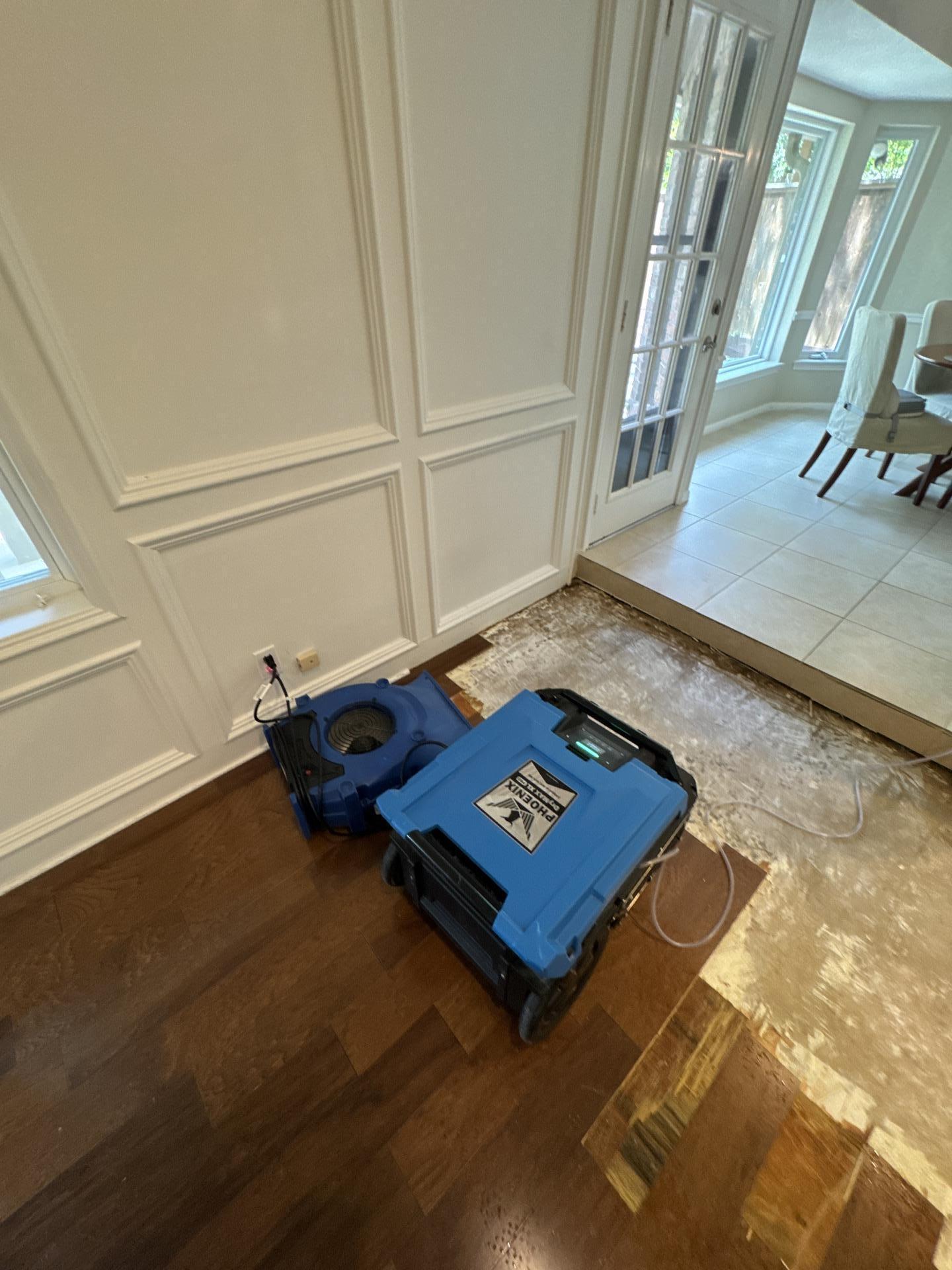
Lightspeed Restoration of Austin uses commercial LGR dehumidifiers, air movers, and moisture meters to fully dry homes and businesses after water damage—equipment that removes 10-20 times more moisture than store-bought units.
-
We serve only the Austin, TX area (including Round Rock, Pflugerville, Cedar Park, and surrounding communities) and provide 24/7 emergency water damage restoration services.
-
For immediate water damage cleanup and dehumidification in Austin, call 512-428-8309 now.
Why Dehumidifiers Are Essential for Removing Excess Moisture After Water Damage
Any water incident in Austin—from a 2026 spring thunderstorm to a burst copper pipe in a 10-year-old home—leaves excess moisture in air, walls, and floors that must be removed quickly to prevent further damage.
Dehumidifiers for water damage pull moisture from the air, which speeds evaporation from carpets, drywall, wood floors, and framing. This continuous removal of water vapor creates a drying environment that passive air-drying simply cannot match, and one of the key benefits is faster drying with less risk of additional moisture-related damage, especially in Central Texas where humidity levels regularly exceed 60-70%.
Mold can begin growing in as little as 24–48 hours at typical Austin humidity. Dehumidification is a core tool for mold prevention after any water event. Without proper equipment, homeowners face warped hardwood, bubbling paint, musty odors, and long-term structural rot, and while dehumidification helps limit mold risk, it does not replace contamination or mold cleaning.
Any professional water damage restoration process in Austin will always include properly sized dehumidifiers as part of the drying plan—they’re not optional equipment; they’re essential.
Common Water Damage Situations in Austin That Need Dehumidifiers
Many Austin homes built between 1990–2015 have slab-on-grade foundations and thin drywall interiors that are especially vulnerable to hidden moisture migration.
Common local scenarios requiring dehumidifiers include:
|
Situation |
Typical Locations |
Key Concern |
|
Roof leaks from thunderstorms |
Mueller, Circle C Ranch |
Attic insulation saturation |
|
Second-floor appliance failures |
Cedar Park, West Lake Hills |
Ceiling and wall cavity damage |
|
Slab leaks |
South Austin bungalows |
Lateral moisture spread under flooring |
|
Overflowing fixtures |
Downtown condos, UT-area apartments |
Fast response needed in smaller spaces |
Any standing water deeper than a few millimeters, or dampness lasting more than 12–24 hours, warrants dehumidifiers plus professional inspection. Visible puddles are only part of the problem—moisture often spreads into wall cavities, behind cabinets, under tile, and into insulation.
Lightspeed Restoration of Austin can quickly assess whether your situation can be handled with a small home unit or needs professional-grade equipment, giving you fast access to specialized help for urgent local water damage situations.
What Type of Dehumidifier Is Best for Water Damage Cleanup?
Not all dehumidifiers work equally for flood damage or significant leaks. Water damage cleanup in Austin usually requires restoration-grade equipment, not small plug-in units from a big-box store.
Three main categories exist:
-
Residential portable dehumidifiers – Remove 10-30 pints per day. Suited only for minor dampness in a small room or bathroom leak.
-
Commercial refrigerant dehumidifiers – Remove 70-150+ pints per day. Handle moderate flooding across larger affected areas.
-
LGR (Low Grain Refrigerant) dehumidifiers – Remove 130-180 pints per day. Used by restoration professionals for deep structural drying, maintaining efficiency even in cooler, air-conditioned spaces.
The right equipment depends on capacity needs, room size (square footage and ceiling height), severity of water damage, and other drying factors such as the extent of damage, the materials involved, and conditions in the space. The right dehumidifier model should also offer high capacity, continuous drainage, and automatic restart for effective operation. For example, an Ebac Kompact dehumidifier removes 56 pints per day. The AlorAir Storm Pro has an 85-pint moisture removal capacity. Restoration-grade and LGR units maintain performance at lower humidity levels and cooler temperatures—crucial when drying inside air-conditioned Austin homes where standard units lose up to 50% capacity.
Lightspeed Restoration of Austin sizes and places water damage dehumidifiers according to IICRC S500 standards so each affected space and material dries as fast and safely as possible.
How Dehumidifiers Work in Professional Water Damage Cleanup
Dehumidifiers are one part of a complete water damage mitigation process that includes water extraction, air movers, controlled dehumidification, and continuous moisture monitoring.
The drying process works like this:
-
Moist air enters the dehumidifier through intake vents
-
Air passes over cold evaporator coils where water condenses into liquid
-
Collected water drains to a tank or pumps out continuously
-
Drier air returns to the room to continue the evaporation cycle, with the dehumidifier serving as the primary form of moisture-removal equipment in the cycle
Air movers (high-powered fans) are strategically placed to create stronger airflow that pushes moisture from wet surfaces—carpet, drywall, wood floors—into the air so dehumidifiers can capture it efficiently. This improves drying speed and creates a continuous loop that dramatically cuts drying time compared to passive methods.
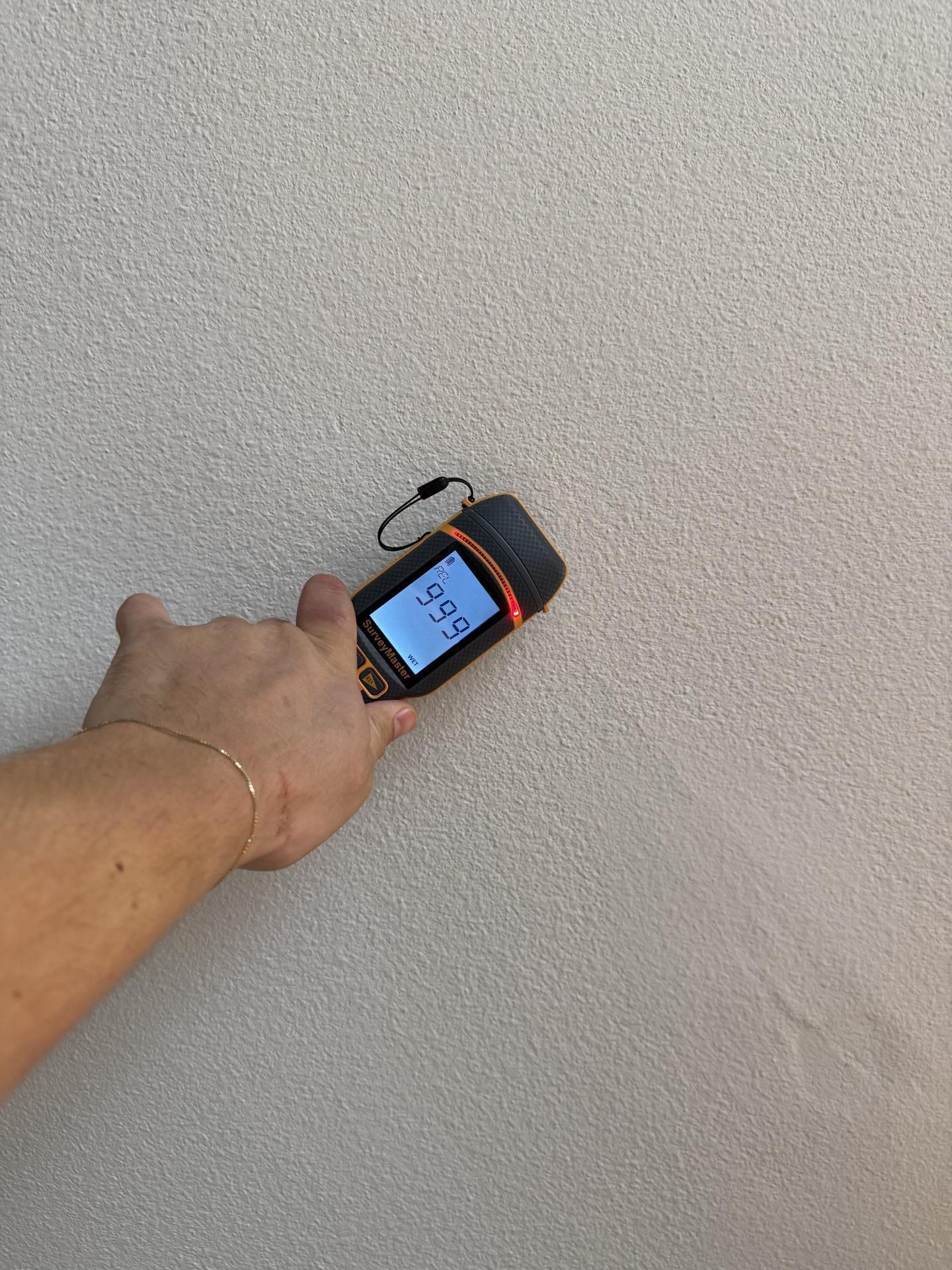
Technicians use hygrometers and moisture meters as restoration tools to track humidity levels and measure moisture inside materials until they reach safe, documented target levels (typically under 15% for drywall and 12-16% for wood framing). Our Austin team documents all readings for insurance claims and homeowner peace of mind.
How to Use a Dehumidifier After Minor Water Damage
This guidance applies to small incidents only—a minor sink overflow caught quickly, or a small area of wet carpet, where renting a dehumidifier can be an economical option. Larger events should involve a professional restoration company.
First, remove standing water with towels, mops, or a wet/dry vacuum. Extract as much liquid as possible before relying on dehumidification.
Move porous items away from the affected space. Furniture, rugs, cardboard boxes, and fabric items should go to a dry, ventilated room or outside if weather permits.
Position the dehumidifier centrally in the affected room with at least 6–12 inches of clearance on all sides for proper airflow. Point the intake toward the wettest area.
Add air movement. Use ceiling fans or portable fans to push air across wet surfaces toward the dehumidifier. This combined approach speeds evaporation significantly.
Keep the space sealed. Close windows and exterior doors. Austin’s humid environment means open windows often pull more moisture inside rather than helping materials dry.
Empty the tank frequently or attach a drain hose to allow the machine to run continuously without interruption.
Run the unit until relative humidity is consistently below 50%. For small events, this typically takes 24–72 hours depending on season and water volume.
Warning signs to stop DIY efforts: If walls feel soft, ceilings sag, floors are buckling, or musty odors persist after a day, call a professional immediately.
If you’re in Austin and your dehumidifier doesn’t seem to be keeping up, call Lightspeed Restoration of Austin at 512-428-8309 for a professional inspection.
When a Household Dehumidifier Is Not Enough
Store-bought dehumidifiers are designed for general humidity control, not heavy water damage cleanup after significant flooding or leaks. They stall at 50-60% relative humidity and lack the power for structural drying.
Signs you need professional water damage restoration:
-
Water has soaked more than one room or level
-
Carpets, padding, and baseboards have been wet for more than 24 hours
-
Water traveled under tile or hardwood—you see cupping, warping, or buckling
-
Visible mold, strong musty odor, or household members with asthma/allergies
-
Contaminated water source (sewage backup, washing machine gray water, or outdoor floodwater)
These situations require industrial dehumidifiers, air movers, and sometimes targeted cavity drying systems for walls and subfloors. In Austin’s climate, trying to “air dry” significant water damage with open windows actually pulls more humidity inside and slows the drying process by up to 50%.
Lightspeed Restoration of Austin offers 24/7 emergency response, typically arriving onsite within hours with the right equipment to protect both structure and indoor air quality.
Professional Dehumidification & Water Damage Cleanup in Austin, TX
Lightspeed Restoration of Austin is a local, specialized provider focused exclusively on the Austin, TX area for water damage cleanup, dehumidification, and complete restoration.
Our professional service includes:
-
Rapid onsite assessment and moisture mapping using thermal imaging and professional moisture meters
-
Extraction of standing water from floors, carpets, and padding with truck-mounted pumps
-
Deployment of commercial LGR dehumidifiers and high-velocity air movers from reputable brands, tailored to each affected room
-
Daily monitoring, humidity readings, and equipment adjustments until materials reach dry standards
-
Insurance coordination with photos, documentation, and detailed drying logs
We service homes, condos, apartments, and business properties across Austin, Round Rock, Cedar Park, Georgetown, Pflugerville, and Kyle.
If you need fast, professional water damage cleanup and dehumidification in Austin, call Lightspeed Restoration of Austin at 512-428-8309 anytime, day or night.
Protect your property, your health, and your peace of mind. The faster moisture comes out, the less damage stays behind.
FAQ: Dehumidifiers and Water Damage Cleanup in Austin
How soon should I start using a dehumidifier after water damage?
Dehumidification should begin as soon as standing water is removed—ideally within the first few hours of discovering the leak or flood. In Austin’s climate, waiting more than 24 hours significantly increases mold risk and damage to drywall and flooring. For larger events, call a professional immediately while starting any safe DIY steps you can take.
How long do dehumidifiers need to run after a leak or flood?
Most minor clean water incidents require 24–72 hours of continuous operation. Larger events may take several days to a week. Rely on objective measurements—indoor humidity under 50% and moisture meter readings in normal ranges—rather than how “dry” a room feels. Our technicians check and document levels daily.
Can a dehumidifier dry out wet walls and ceilings by itself?
Dehumidifiers help pull moisture from air around wet surfaces, but deeply saturated materials and insulation often need air movers and cavity drying systems. Signs like bubbling paint, staining, or sagging drywall indicate DIY equipment won’t be enough. Get a professional evaluation for any visible wall or ceiling damage.
Is my regular home dehumidifier enough for water damage cleanup?
Small home units may help with minor spills but aren’t designed for multi-room flooding, soaked carpets, or structural saturation. Under-sizing equipment prolongs drying time and increases mold risk. If more than a few square feet are wet, or the source was gray or black water, call Lightspeed Restoration of Austin at 512-428-8309.
Does insurance cover professional dehumidification and water damage cleanup?
Many standard homeowners policies cover sudden, accidental water damage (burst pipes, appliance failures), often including dehumidification costs. Coverage varies by policy and typically excludes long-term leaks and external flooding without separate flood insurance. Lightspeed Restoration of Austin provides detailed documentation and reports to support your claim.