

Key Takeaways
-
Lightspeed Restoration of Austin offers 24/7 emergency water damage mitigation exclusively in Austin, TX—call 512-428-8309 immediately for rapid response.
-
Acting within the first 24–48 hours after a water leak, burst pipe, or flood is critical to prevent mold growth, structural damage, and escalating repair costs. If mold has already begun to develop, professional mold remediation services in Austin may be required.
-
Water damage mitigation focuses on stopping and stabilizing damage through water extraction, drying, and dehumidification, while restoration covers the repairs and rebuilding that follow.
-
Trained technicians use specialized equipment, including industrial extractors, air movers, and moisture meters, to protect your walls, flooring, and personal belongings.
-
This guide covers common water damage scenarios in Austin—from sudden storms and slab leaks to attic HVAC failures—and explains precisely how homeowners and businesses should respond.
Call Now for Emergency Water Damage Mitigation in Austin, TX
If water is spreading through your Austin home right now, stop reading and call 512-428-8309. Lightspeed Restoration of Austin provides a 24/7 emergency response for any water intrusion, and every minute counts. We are a full-service water damage restoration company.
Whether you’re dealing with a burst pipe flooding your kitchen on a Saturday night, a washer overflow in a South Austin condo, a leaky roof after a spring storm in 78704, or a slab leak slowly saturating your North Austin floors, the mitigation team is ready to respond.
Lightspeed Restoration serves the Austin city limits and surrounding neighborhoods, including Downtown, Mueller, South Austin, North Austin, Westlake-area communities, and East Austin. Technicians aim to arrive as quickly as possible, day or night. If you’re dealing with standing water or an active leak, emergency water removal in Austin should begin immediately before full extraction and drying to protect your flooring, drywall, cabinets, and contents.
Don’t wait for the damage to spread. Call 512-428-8309 now.
What Is Water Damage Mitigation?
Water damage mitigation is the immediate set of actions taken after a water event to prevent further moisture spread, stabilize the structure, and minimize overall damage. Think of it as emergency triage for your property—the goal is to act quickly and prevent a bad situation from becoming catastrophic.
This process involves much more than simply pumping out visible water. Proper water mitigation includes thorough assessment, containment of affected areas, professional extraction of excess water, and controlled drying of all porous materials. It’s the critical first response that determines whether your home needs minor repairs or extensive damage restoration.
In Austin, common causes of water intrusion include broken water supply lines, overflowing bathtubs and toilets, AC condensate line clogs in attic units, water heater failures in garages, sewer backups, and storm-driven roof leaks from flash floods. The humid subtropical climate—averaging around 70% annual relative humidity—makes Austin homes particularly vulnerable to rapid moisture absorption and secondary damage.
The water damage mitigation process focuses on preventing the issues that follow an initial flood: mold and bacterial growth that can begin within 48 hours, warped hardwood floors, buckled laminate, and damaged cabinetry. By extracting water and controlling humidity levels, professional mitigation protects both the structure and the health of everyone inside.
The Water Damage Mitigation Process in Austin Homes & Businesses
Every water loss is unique, but Lightspeed Restoration of Austin follows a structured, step-by-step mitigation process designed to protect your property and minimize further damage. Here’s what you can expect when the crew arrives.
Step 1: Emergency Call and Dispatch. When you call 512-428-8309, the team gathers essential information about the water emergency—what happened, how long ago, and whether you’ve been able to shut off the water supply. A mitigation team is dispatched immediately.
Step 2: On-Site Inspection and Moisture Mapping. Technicians use moisture meters and thermal imaging cameras to find water trapped behind baseboards, in wall cavities, under tile, and in subfloors. This step involves identifying the full scope of water intrusion, which is especially important in Austin’s slab-on-grade homes, where water can wick through concrete and saturate flooring without obvious signs.
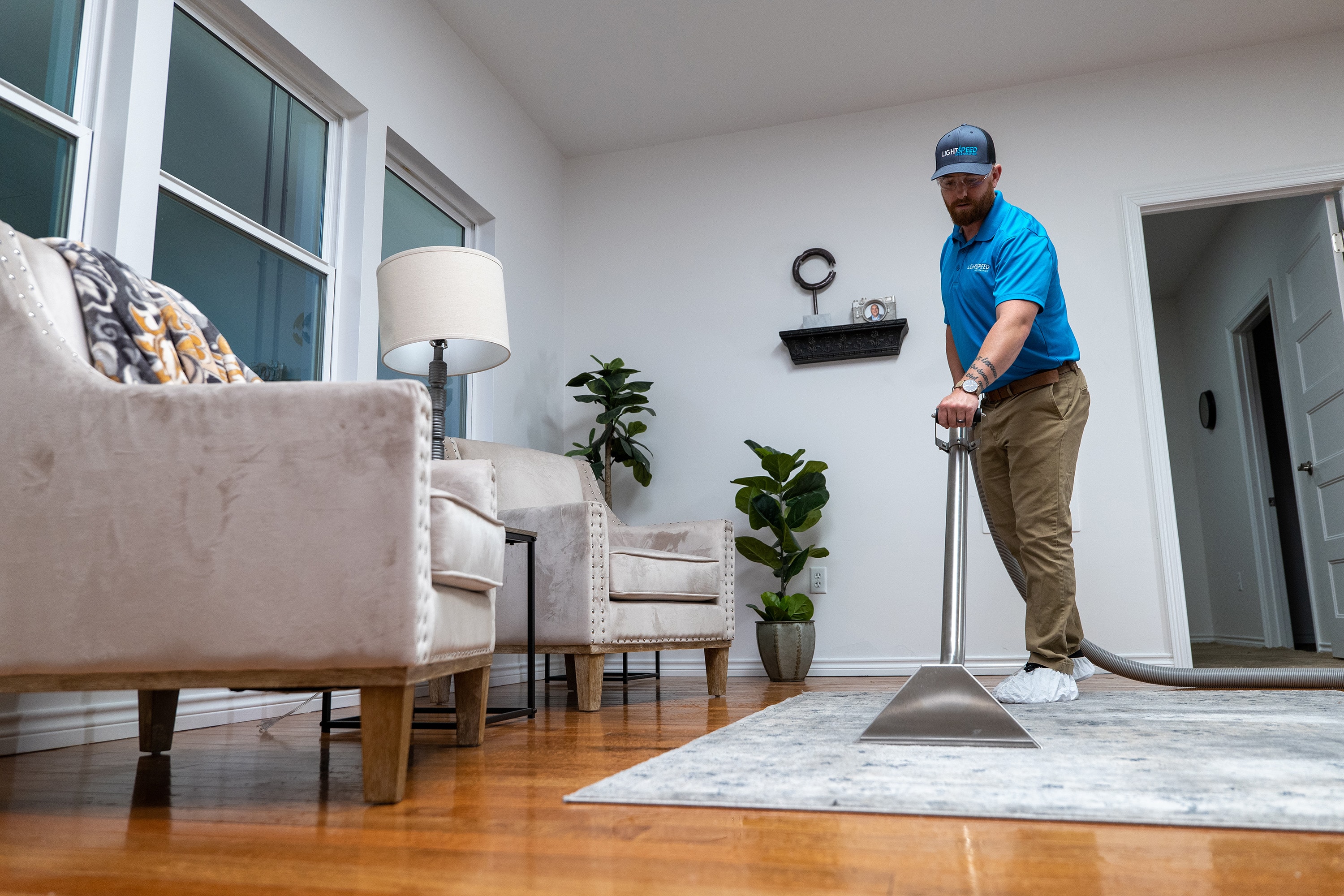
Step 3: Water Extraction. Standing water is removed using professional water extraction in Austin with industrial-grade extraction equipment. Truck-mounted pumps can handle 100-200 gallons per minute for significant flooding, while portable extractors and wand-style tools remove moisture from carpets and hard surfaces.
Step 4: Removal of Non-Salvageable Materials. When water-damaged materials, such as saturated drywall or contaminated materials, cannot be saved, controlled demolition removes them to prevent mold growth and allow proper drying of structural elements.
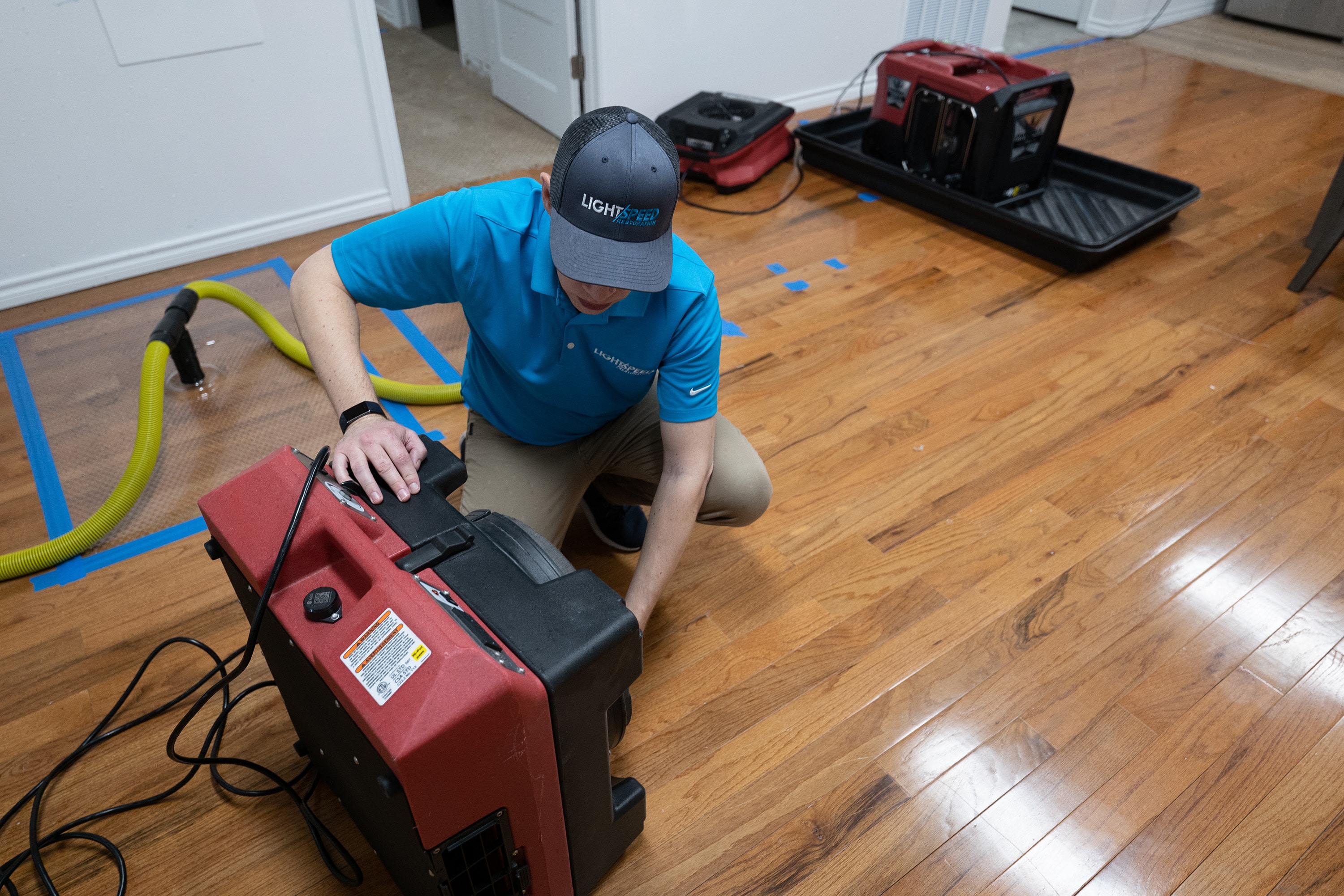
Step 5: Drying and Dehumidification. The drying process uses specialized methods, including air movers that generate up to 3,500 cubic feet per minute of airflow and commercial dehumidifiers for water damage that process 80–140 pints of moisture daily. This necessary equipment ensures that affected materials are dried thoroughly—not just on the surface.
Step 6: Final Monitoring and Handoff. Technicians monitor moisture levels throughout the drying process and adjust equipment placement as needed. Once moisture readings return to acceptable levels, the property is ready for restoration—repairs, drywall replacement, repainting, and rebuilding.
What to Do When Your Austin Property Floods
Flooding from a broken pipe, toilet overflow, or heavy Central Texas storm can feel overwhelming. Your heart races, water is spreading, and you’re not sure what to do first. Take a breath—these water damage cleanup tips can help you take the right initial steps and significantly limit the damage.
Here’s your immediate action sequence:
-
Shut off the water source if it’s safe to do so. Turn off the main water supply or the specific appliance causing the leak.
-
Turn off electricity to affected areas if there’s any risk of water contacting outlets, appliances, or electrical panels.
-
Keep children and pets out of the affected space to protect them from contaminated water and slip hazards.
-
Move small valuables from floors if you can do so safely—electronics, documents, and sentimental items on lower shelves.
-
Call 512-428-8309 immediately to have the Lightspeed Restoration mitigation team dispatched.
Avoid walking through water that may cover electrical outlets or may be contaminated—mainly gray water from appliances or outdoor flood damage from storms. Category 3 black water from sewer backup or exterior flooding poses serious health hazards and requires professional remediation.
While waiting for the crew to arrive, start taking photos and videos of the affected areas for your insurance claim documentation. However, resist the urge to start tearing out materials yourself or running household fans, as this can spread contamination and make the situation worse.
Early Signs of Hidden Water Damage in Austin Homes
Not all water damage manifests as a dramatic flood. Slow leaks in Austin’s older homes and newer builds alike often show subtle warning signs that homeowners overlook until extensive damage has occurred. If you’re unsure whether a recent leak has caused damage, learn how long water damage takes to show and which warning signs can appear first.
Spotting these signs early can save thousands in repair costs. Homeowners can also reduce the risk of leaks and flooding by following these water damage prevention tips for plumbing, appliances, roofs, HVAC systems, and other common problem areas.
Here are the indicators that should prompt a call for professional inspection:
-
Musty or earthy odors in closets, around baseboards, or in rooms with a past water leak history
-
Bubbling or cracking paint without a visible stain, especially near windows or ceilings
-
Localized discoloration or sagging of drywall on ceilings under bathrooms or attics
-
Cupping or warping of engineered wood floors or laminate
-
Sudden unexplained increases in your City of Austin water bill
Any of these signs can indicate hidden leaks from upstairs bathrooms, AC condensate lines in attics, slow roof leaks after storms, or plumbing problems buried in slab foundations—areas prone to moisture accumulation that you can’t see.
If you notice these warning signs, call 512-428-8309 for a professional moisture inspection. Catching water damage early through timely mitigation is far cheaper than waiting for mold growth to develop or structural issues to compound.
Musty or Damp Odors
Persistent musty odors in rooms, closets, or around baseboards often indicate ongoing moisture behind walls, under flooring, or in crawl spaces. That earthy, damp odor isn’t something to mask with air fresheners—it’s a warning sign.
In Austin’s humid climate, even small water leaks can cause mildew and bacterial growth within 24–48 hours if not properly dried. What starts as a minor plumbing issue can quickly become a health issue requiring more extensive remediation.
Don’t ignore strange odors. Call a professional to conduct a moisture assessment, identify the source of moisture, and begin damage mitigation before the problem spreads.
Cracks, Bubbles, and Peeling in Paint or Drywall
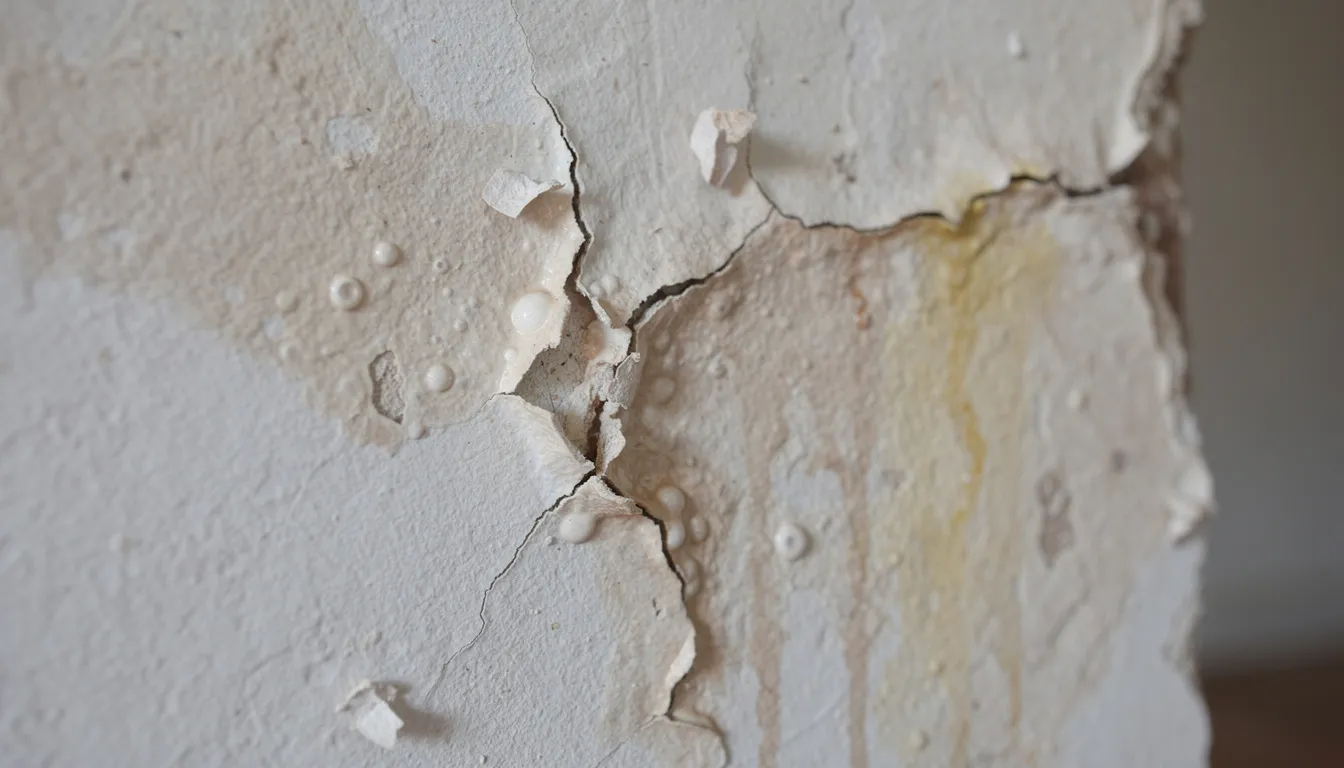
New hairline cracks, bubbling, or peeling paint—especially near windows, ceilings, or along shower walls—can indicate hidden leaks or condensation issues that require attention.
These visual signs are common in Austin after high-wind storms that compromise roof flashing, or from slow leaks behind tiled showers in second-story bathrooms. Water travels along unexpected paths, and what appears on your wall may originate from a completely different location.
Take photos of any concerning areas and contact Lightspeed Restoration of Austin for an inspection before the damage spreads to framing, insulation, and other structural components.
Unexpected Spikes in Your Austin Water Bill
A sudden increase in your City of Austin water bill, despite everyday household use, can indicate an underground or in-wall plumbing leak that’s wasting water and potentially damaging your home.
Slab leaks under concrete foundations are a known issue in Central Texas. These hidden leaks can wash away soil beneath your foundation, crack the slab itself, and wick moisture into flooring and walls without any visible water on the surface.
Check your fixtures briefly—running toilets, dripping faucets, and irrigation systems are common culprits. If you can’t find an apparent cause, call both a licensed plumber and Lightspeed Restoration. A higher water bill isn’t just a budget problem—it can signal a serious structural threat requiring immediate attention.
Is Water Damage Mitigation Necessary? (Mitigation vs. Restoration)
Professional mitigation is almost always necessary after significant water intrusion. The question isn’t whether you need help—it’s how quickly you can get experienced professionals on site to prevent mold, structural damage, and inflated restoration costs.
Water mitigation refers to the emergency steps taken immediately after water damage occurs:
-
Stopping the water source
-
Extracting standing water and excess moisture
-
Setting up drying and dehumidification equipment
-
Removing unsalvageable or contaminated materials
-
Preventing further damage and secondary damage like mold
Water restoration is the latter phase that brings your property back to its pre-loss condition:
-
Replacing drywall, flooring, and trim
-
Repainting and refinishing
-
Rebuilding damaged areas
-
Installing new materials and fixtures
Lightspeed Restoration of Austin focuses on fast, thorough water mitigation and can coordinate with trusted partners or contractors for the restoration phase when needed. This separation allows each phase to be handled by specialists with the right expertise.
The critical point: delaying mitigation—or trying DIY cleanup with just towels and household fans—can allow mold growth to begin within 48 hours, cause hidden rot in framing, and give insurers grounds to limit coverage for “neglect.” The restoration industry reports that untreated water damage costs homeowners an average of $2,600, rising to $10,000 or more when mold develops.
Why DIY Water Cleanup Often Falls Short
Wet vacuums, mops, and box fans might remove visible water from your floors, but they typically fail to reach moisture trapped under baseboards, behind walls, and beneath flooring. What feels dry on the surface often conceals saturated subfloors and framing.
Without professional moisture meters that measure moisture content to depths of 1/4 inch and industrial dehumidifiers that process 80-140 pints of moisture daily, surfaces may appear fine. In contrast, hidden moisture continues to damage your home. Standard household dehumidifiers can’t create the vapor pressure differentials needed for thorough drying.
Improperly handled contaminated water—from toilet overflows, sewer backup, or outdoor floodwater—can expose your family to harmful bacteria and require more extensive remediation later. What starts as a simple cleanup can become a serious health risk.
For professional water remediation that protects your home and your family, call 512-428-8309 instead of risking long-term problems by going it alone.
Does Insurance Cover Water Damage Mitigation in Austin?
Understanding your insurance coverage before water damage occurs can save significant stress during an emergency. The short answer: it depends on the cause.
Most homeowners' insurance policies in Austin cover sudden and accidental water damage—such as a burst pipe, a water heater rupture, or an overflowing bathtub. However, coverage typically does not extend to:
-
Gradual leaks that develop over time
-
Flood damage from outside sources (requiring a separate flood insurance policy)
-
Damage resulting from a lack of maintenance
-
Sewer backup (unless you have a specific endorsement)
Here’s what’s important to understand: you should not wait for adjuster approval before starting mitigation. Most policies require policyholders to take reasonable steps to prevent further damage. Delaying mitigation while waiting for an insurance company response can actually jeopardize your claim.
Lightspeed Restoration of Austin documents all affected areas with photos, moisture readings, and drying logs specifically to support your insurance claim. This professional documentation clearly shows when mitigation began, which specialized equipment was used, and how the drying process progressed.
Review your declarations page to confirm endorsements for sewer backup, sump pump failure, or mold coverage. These add-ons can significantly affect your out-of-pocket costs. If you’re unsure about your coverage, contact your insurance agent to review your policy before an emergency occurs.
Working with Your Insurance Company
Navigating the claims process during a water emergency can feel overwhelming. Here’s a simple sequence that protects both your property and your claim:
-
Mitigate the damage immediately—this is your responsibility under most policies
-
Contact your insurer to report the claim within 24-48 hours
-
Document everything—photos, videos, and lists of damaged materials and personal belongings
-
Keep all invoices and reports from Lightspeed Restoration for your records
Insurers often request proof of when mitigation began, which equipment was used, and how long the drying process took. The mitigation team provides detailed psychrometric logs and moisture readings that satisfy these requirements and support your claim.
While your insurance company may recommend specific vendors, homeowners in Texas can choose their own water mitigation company. You’re not obligated to use the adjuster's recommendation—you can select a local restoration company, such as Lightspeed Restoration of Austin, that knows the area and can respond quickly.
The goal is to make this process as smooth as possible during a stressful time. Professional documentation from experienced professionals helps ensure your claim accurately reflects the damage and the work required to address it.
Choosing the Right Water Damage Mitigation Company in Austin, TX
Not all water damage mitigation companies are equal. Choosing the right local provider can make the difference between a quick recovery and months of ongoing problems, structural issues, and health risks.
Here’s what to look for when selecting a mitigation company in Austin:
|
Criteria |
Why It Matters |
|
24/7 Availability |
Water emergencies don’t wait for business hours |
|
Rapid Response Time |
Every hour of delay means more damage |
|
IICRC Certification |
Industry-standard training for proper mitigation protocols |
|
Proper Licensing & Insurance |
Protects you from liability |
|
Modern Drying Equipment |
Industrial extractors, air movers, and dehumidifiers speed drying |
|
Local Knowledge |
Understanding of Austin’s housing types, climate, and common issues |
|
Strong Customer Reviews |
Proven track record with local homeowners |
Local knowledge matters more than you might expect. A water restoration company familiar with Austin’s housing stock—from pier-and-beam bungalows in Central Austin to slab-on-grade homes in the suburbs—knows where water hides and how to dry efficiently given local climate conditions.
Lightspeed Restoration of Austin meets or exceeds all these criteria with an exclusive focus on the Austin market. When you call 512-428-8309, you’re reaching a team that knows your neighborhoods and can respond quickly.
Why Austin Residents Trust Lightspeed Restoration
When water damage strikes, Austin homeowners need a water damage mitigation company they can count on—day or night. Here’s what sets Lightspeed Restoration apart:
24/7 Live Phone Support: Call 512-428-8309 any time and reach a real person who can dispatch help immediately. No voicemail, no waiting until morning.
Fast Local Dispatch: With crews positioned throughout Austin, technicians can reach your property quickly, whether you’re in a downtown condo, an older bungalow in Hyde Park, or a newer home in East Austin.
Experienced Crews: The mitigation team has handled water emergencies across all types of Austin properties—from high-rise apartments to commercial spaces to single-family homes in every neighborhood.
Clear Communication: Before any work begins, technicians explain the restoration plan, estimated timeline, and exactly what equipment will be used and why. No surprises, no confusion—just straightforward information during a stressful time.
When water damage occurs at your Austin property, you want a team that arrives quickly, works efficiently, and treats your home with care. That’s the Lightspeed Restoration commitment.

FAQ: Water Damage Mitigation in Austin
How fast can Lightspeed Restoration get to my Austin home?
Response times depend on current call volume, weather conditions, and Austin traffic, but the goal is always to reach your property as quickly as possible. During significant weather events such as flash floods or widespread freeze damage, demand increases—so calling immediately at 512-428-8309 is essential. The sooner you call, the sooner a crew can be dispatched to your location.
How long does it take to dry out a typical water-damaged room?
Simple, clean water losses from a water supply line or water heater can often dry in 3–5 days with professional equipment. More complex situations—Category 2 gray water from appliances, Category 3 contaminated water from sewer backup, or Class 4 losses involving hardwood floors and plaster—may take longer. The mitigation team monitors moisture levels daily and adjusts equipment as needed to ensure thorough drying without rushing the process.
Do I need to leave my home during the drying process?
In most cases, you can remain in your home while the drying equipment runs. However, several factors might make temporary relocation advisable: the severity and location of damage, the presence of contaminated water that creates health hazards, noise from industrial air movers and dehumidifiers, or recommendations from technicians based on their assessment. If contamination from sewer backup or outdoor flooding is involved, staying elsewhere until remediation is complete protects your family’s health.
What should I move or pack up before the mitigation team arrives?
If the area is safe to enter (no standing water near electrical outlets, no contamination concerns), you can help by moving small valuables, electronics, documents, and sentimental items to a dry area. Leave heavy furniture for the crew—they have the equipment and training to move or protect larger items safely. Taking photos of damaged items before moving anything helps document your loss for insurance purposes.
What’s the difference between water mitigation and water restoration?
Water mitigation is the emergency response—extracting water, drying the structure, and preventing mold and further damage. Water damage restoration is the rebuild phase—replacing drywall, installing new flooring, repainting, and returning the property to its pre-damage condition. Lightspeed Restoration handles the critical mitigation phase and coordinates with restoration contractors for repairs as needed. Both phases are essential, but mitigation must occur first and quickly to ensure a safe environment for restoration work.
When water threatens your Austin home or business, every hour matters. Whether you’re facing a burst pipe at midnight, a slow leak you just discovered, or flood damage from a Central Texas storm, professional water damage mitigation protects your property, your health, and your finances.
Don’t wait for preventative measures to fail or a minor problem to become a significant loss. Save 512-428-8309 in your phone now, and call immediately when you need help.
Lightspeed Restoration of Austin is ready to respond—24 hours a day, 7 days a week—to protect what matters most.