

Key Takeaways
-
Preventing leaks, overflows, and storm intrusion is the most cost-effective way to avoid water damage cleanup in Austin, where restoration costs typically run $2,500–$7,500 or more, and these steps help prevent damage in the long run.
-
Warning signs like musty odors, higher water bills, minor ceiling stains, or running toilets often appear weeks before major damage can occur.
-
Mold can begin growing within 24–48 hours in Austin’s warm, humid climate, making fast action critical.
-
When you discover active water damage—wet carpets, sagging ceilings, standing water—shut off the water, stay safe around electricity, and move valuables to protect your belongings, then call Lightspeed Restoration of Austin at 512-428-8309 immediately.
-
This article covers both prevention steps and what to expect from professional water damage cleanup in the Austin area.
Why Preventing Costly Water Damage Matters in Austin, TX
Austin homeowners face a unique combination of risks: intense spring and fall thunderstorms, occasional hard freezes like the February 2021 winter storm, and aging plumbing systems in homes built before 2000. Nationally, about 1 in 60 homeowners file a water damage claim annually, with typical claims exceeding $3,000.
In Central Texas, clogged gutters, roof leaks after hail, and burst supply lines are among the most common causes leading to emergency cleanup calls. Fast action within the first 24–48 hours dramatically reduces the chances of mold growth and structural damage, and homeowners should address small problems early before they escalate.
Lightspeed Restoration of Austin is a local, Austin-only provider that responds 24/7 for water damage cleanup, extraction, drying, and mold prevention.
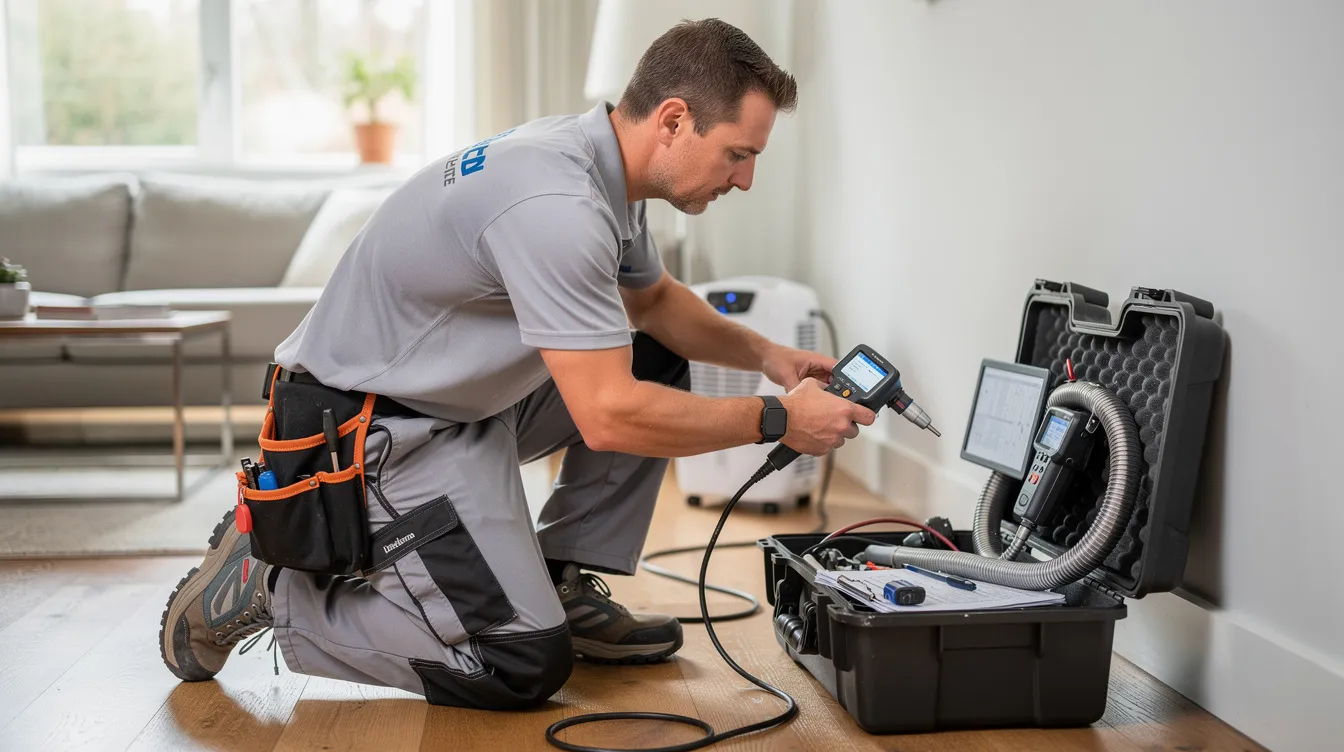
Know and Control Your Home’s Water: Shut-Offs, Usage, and Pressure
Understanding where water enters your house—and how to stop it—may be the single most important prevention step you can take.
Finding your main shut-off:
-
Check the street box near your water meter
-
Look on exterior walls near the meter
-
Newer Austin builds often have valves in the garage
Practice turning off your main valve once or twice a year so you are comfortable doing it in an emergency.
Additional control points:
-
Test individual shut-off valves under sinks, behind toilets, and behind appliances quarterly
-
Monitor water usage through your City of Austin bills—a family of four using far above 10,000–12,000 gallons monthly may have hidden leaks
-
Use an inexpensive pressure gauge on an outdoor hose bib; aim for 45–60 PSI and call a plumber if readings consistently exceed 80 PSI
High pressure in older Austin neighborhoods can accelerate wear on pipes and connections, increasing sudden failure risk.
Install Smart Leak Detection, Water Sensors, and Automatic Shut-Off Devices
Modern leak detection technology, including a leak detection sensor, catches problems early and can even shut off water flow automatically—especially useful for homeowners who travel or own short-term rentals.
|
Device Type |
Function |
Best Placement |
|
Point-of-use water sensors |
Send a mobile alert when moisture is detected |
Near water heaters, washing machines, under sinks |
|
Flow-based systems |
Monitor continuous flow and shut water automatically |
Main water line |
A combination of a main-line automatic shut-off and targeted sensors in high-risk rooms offers strong protection against costly water damage events. Some insurance companies even offer discounted rates for homes with these systems installed. Some systems also provide live monitoring through a mobile app homeowners can download.
Maintenance reminders:
-
Follow the manufacturer’s instructions and test sensors every few months
-
Replace batteries annually
-
Verify Wi-Fi connectivity so alerts work when needed
Some systems also connect to monitoring vendors for added support.
Maintain Pipes, Hoses, and Indoor Plumbing Fixtures
Many water damage cleanup calls in Austin come from failed supply lines, worn hoses, and the normal wear and tear on plumbing connections that were ignored.
Inspect twice yearly:
-
Braided supply hoses to washing machines
-
Toilet and dishwasher supply lines
-
Refrigerator ice-maker lines
-
Water heater connections
Replace rubber or plastic hoses older than 5–7 years with braided stainless-steel lines; for example, a failed washing-machine line can cause a sudden leak. Check around toilets, under sinks, and around tubs for signs of slow leaks: soft floors, discoloration, bubbling paint, or musty smells.
Insulating exposed pipes in unconditioned spaces—garages, crawlspaces, exterior walls—protects against frozen pipes during rare but severe Austin freezes. Schedule a professional plumbing inspection every few years in older homes to catch corrosion and pinhole leaks before they cause damage.
Protect Against Water Intrusion from Roof, Windows, and Exterior
Austin’s intense thunderstorms and hailstorms can force water through small exterior vulnerabilities.
Roof inspection checklist:
-
Missing or curled shingles
-
Exposed nail heads
-
Gaps around vent pipes, satellite brackets, and chimneys
-
Cracked flashing around skylights and roof vents
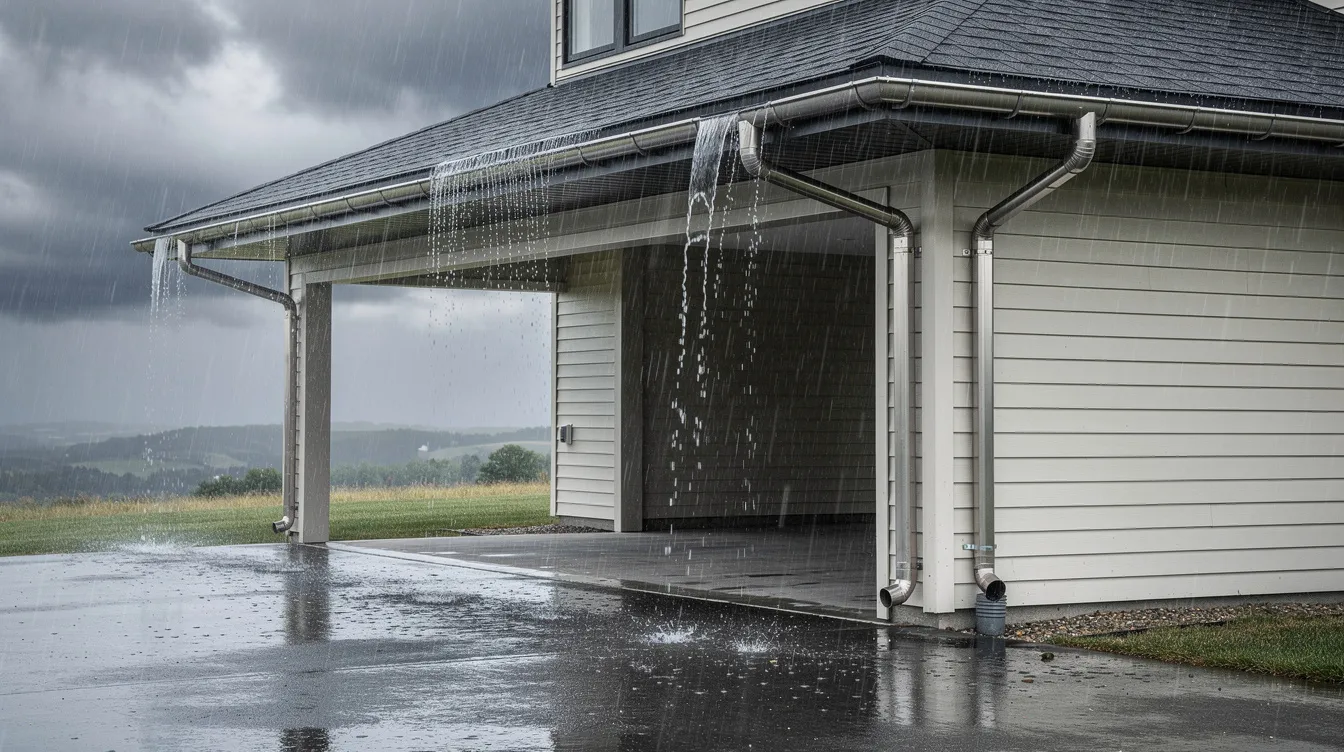
Clean gutters at least twice yearly—after late fall leaf drop and again in spring. Ensure downspouts discharge at least three to six feet away from your foundation. Add extensions or splash blocks where water currently pools against the slab.
Inspect and replace cracked caulk and weatherstripping around exterior doors, windows, and siding penetrations to prevent wind-driven rain intrusion.
Manage Drainage, Landscaping, and Yard Features
Poor yard drainage pushes water toward your foundation, eventually requiring professional cleanup.
-
Walk your property during heavy rain to note where water consistently pools near the house
-
Build slight slopes away from the foundation with soil
-
Consider French drains or surface drains for persistent problems, and start planning drainage improvements before the next heavy-rain season
-
Check irrigation systems seasonally—adjust sprinkler heads away from walls and reduce run times after wet weeks
Large tree roots too close to the home can affect buried pipes. If new cracks or movement appear with moisture issues, consult an arborist or foundation specialist and follow best practices when evaluating foundation concerns.
Basements, Slab Foundations, and Interior Moisture Control
Many Austin homes sit on slab foundations, though some newer builds have partial basements that can collect water.
Signs of moisture in slab homes:
-
Tile or wood flooring cupping
-
Baseboard swelling
-
Damp carpet edges
-
Persistent musty odors along exterior walls
For homes with basements, watch for efflorescence (white mineral deposits), peeling paint, and rust on metal supports. If your home has a sump pump, keep the pit clear and test it periodically. Use dehumidifiers in consistently damp areas to maintain 40–50% relative humidity, especially during humid summer months.
Standing water, squishy drywall, or quickly spreading stains signal it is time to call a professional immediately.
Seasonal Water Damage Prevention Checklist for Austin Homeowners
|
Season |
Key Tasks |
|
Late Winter/Early Spring |
Insulate exposed pipes, test main shut-off, inspect roof after storms |
|
Summer |
Check irrigation schedules, ensure AC condensate drain lines are clear, inspect attic ventilation |
|
Fall |
Clear gutters and roof valleys, re-caulk exterior gaps, verify downspouts are unclogged |
|
Year-Round |
Test leak sensors, review emergency contacts (including 512-428-8309), confirm shut-off valve locations |
What to Do If You Already Have Water Damage (First 24 Hours)
Even with the best prevention, Austin homeowners can face sudden leaks or storm damage. Fast action makes a major difference.
Emergency steps:
-
Shut off the water if possible
-
Turn off affected electrical circuits if safe
-
Avoid walking through standing water where electricity may be involved
-
Move small valuables and other belongings out of wet areas
-
Do not lift heavy, waterlogged materials due to collapse risk
Serious water damage can quickly disrupt daily life if cleanup is delayed.
Call a professional for water damage mitigation within hours—not days. Early intervention can save hardwood floors, built-in cabinetry, and walls that might otherwise need full replacement.
Lightspeed Restoration of Austin arrives with moisture mapping meters, thermal imaging, and commercial-grade drying equipment. They document everything for insurance claims.
How Professional Water Damage Cleanup Works in Austin, TX
Professional cleanup follows a structured process:
-
Emergency assessment and source control
-
Water extraction
-
Removal of non-salvageable materials
-
Structural drying with commercial dehumidifiers and air movers
-
Odor control and cleaning
-
Final verification with moisture readings
Cleanup approaches differ based on water type—clean water from supply line failures, gray water from appliance overflows, or black water from sewage backups. Reputable companies like Lightspeed Restoration of Austin work with major insurance carriers and help homeowners understand the scope of needed repairs.
Call 512-428-8309 any time you discover active water damage or suspect hidden moisture.
Homeowners Insurance and Water Damage in Texas
Standard homeowners policies typically cover sudden and accidental water damage—burst pipes, appliance failures—but often exclude long-term neglected leaks or maintenance issues.
Flood water from rising creeks or street flooding generally requires separate flood insurance through NFIP or private insurers. Consider optional coverage for sewer backups and service line breaks, and many homeowners also review broader protection plans for risks like fire and theft.
Document any damage with photos and videos before cleanup begins. Contact both your insurance company and a professional cleanup provider immediately.
When to Call a Professional vs. DIY
Generally safe for DIY:
-
Minor overflows cleaned and dried within hours
-
Non-porous surfaces only
-
No wall or ceiling involvement
Call a professional when:
-
Water soaks into walls or ceilings
-
Multiple rooms or levels affected
-
Contamination from sewage or outdoor flooding
-
More than 24 hours before full drying starts
Hidden cavities inside walls, under cabinets, and under floating floors can trap moisture even when surfaces feel dry. A quick moisture check can prevent much larger cleanup bills later.
Contact Lightspeed Restoration of Austin at 512-428-8309—available 24/7 for assessment, emergency water damage cleanup, and guidance on next steps throughout the Austin, TX area.
Frequently Asked Questions
How quickly can mold grow after water damage in an Austin home?
Mold can begin growing within 24–48 hours in warm, humid conditions common in Austin, especially in enclosed spaces like wall cavities and under flooring. Professional water extraction and structural drying should ideally start the same day. If you smell a musty odor a few days after a leak, call a professional to check for hidden moisture.
Is it safe to use my air conditioner during water damage cleanup?
HVAC systems can help reduce humidity but may also spread moisture and spores if ducts or returns are wet. Avoid running the system if any HVAC equipment has been directly affected by water until inspected. Let cleanup professionals evaluate whether using HVAC is appropriate during drying.
Can I prevent water damage if I’m away from my Austin home for several days?
Shut off the main water supply or at least shut off water to high-risk individual appliances like washing machines before extended trips. Install leak detection with automatic shut-off for added protection. Ask a trusted neighbor to check inside every few days during long absences, especially during stormy seasons.
How do I choose a water damage cleanup company in Austin?
Look for a local company with 24/7 emergency response, proper licensing, and experience with Austin-specific housing and weather conditions. Confirm they use professional drying equipment, take moisture readings, and coordinate with insurance claims. Call Lightspeed Restoration of Austin at 512-428-8309 for fast, local service focused solely on the Austin area.