

Key Takeaways
-
Some water damage shows visible signs within minutes (standing water, dripping), while hidden moisture and mold growth can develop within 24–72 hours in Austin’s humid climate.
-
Permanent damage to drywall, wood flooring, and cabinets can begin in as little as 24–48 hours if water extraction and proper drying are delayed.
-
Mold spores can begin growing within 24–48 hours on wet porous materials, often hiding behind walls or under floors before you see anything.
-
Any standing water or active leak should trigger immediate action: shut off the source, start drying, and call for professional water damage cleanup at 512-428-8309.
-
Lightspeed Restoration of Austin provides 24/7 emergency water damage restoration specifically for Austin, TX homes and businesses.
How Quickly Does Water Damage Start to Show? (Short Answer)
Water damage begins the moment water touches drywall, wood, flooring, or insulation, even if visible signs take anywhere from a few minutes to several weeks to appear. For Austin homeowners and property managers, that timeline matters: severe leaks can show damage within minutes, hidden moisture and mold often develop within 24 to 72 hours, and permanent damage can start in as little as 24 to 48 hours if cleanup is delayed, which is why water damage mitigation should begin as quickly as possible. Here’s what to expect and what this guide will help you spot and do next.
|
Timeframe |
What Happens |
|
Immediately |
Visible water, slick floors, active dripping |
|
1–24 hours |
Staining, swelling, damp odors begin |
|
24–72 hours |
Mold risk increases, structural weakening starts |
|
Days to weeks |
Wood rot, musty odors, major repairs needed |
In Austin, frequent humidity and spring thunderstorms—especially from March to May—can speed up mold growth, slow drying, and turn a small leak into a larger repair bill. While major leaks may leave obvious damage within minutes, minor or hidden leaks may take days or weeks to show, which is why this article breaks down the water damage timeline by material, early warning signs, mold risk, when professional cleanup matters, and the practical steps to take as soon as you notice a puddle, stain, or musty smell. For urgent situations, call 512-428-8309 for immediate water damage cleanup in Austin.
The Water Damage Timeline: What Happens Hour by Hour
Water damage follows a predictable progression, and acting in the first 24–72 hours after a leak or flood is critical. Whether it’s an overflowed tub in a Crestview condo or a washing machine leak in a South Austin rental, the clock starts immediately.
Even “clean” water from a burst pipe quickly becomes contaminated once it soaks into drywall, carpet, or framing.
Within the First Few Minutes to 6 Hours
The early signs are obvious: standing water on tile, wet carpet, dripping from ceilings, and active leaks from pipes or appliances. Within minutes, water begins wicking into baseboards, drywall, subflooring, and furniture legs—even if surfaces still look OK.
Watch for electrical hazards like wet outlets or power strips on the floor. Turn off affected breakers when safe. Early professional water extraction during this window can often save affected materials from needing full replacement. Call 512-428-8309 as soon as you see standing water.
6–24 Hours After Water Exposure
By this stage, moisture has migrated deeper into porous materials like drywall, wet insulation, carpet padding, and wood framing. Common signs that may appear include:
-
Damp or darkened drywall
-
Slight bubbling of paint
-
Soggy carpet
-
Subtle musty smell in closed rooms
Hardwood floors in Austin’s older homes may begin to swell at edges. Bacteria and contaminants begin multiplying in standing water, especially from toilet overflows or outdoor floodwater. Professional-grade extraction and dehumidification during this window can prevent mold and further damage.
24–48 Hours After Water Exposure
This is when serious damage begins for many building materials. Drywall softens, carpet backing starts separating, and subflooring absorbs more water. Mold spores can start to colonize damp surfaces like drywall paper, wood studs, and flooring undersides.
Signs Austin homeowners may notice:
-
Stronger musty odors
-
Paint blistering or peeling paint
-
Staining on ceilings or walls
-
Floors feeling uneven
HVAC systems can circulate humid, contaminated air throughout your home if running while areas remain wet. At 24–48 hours, delaying professional water damage cleanup dramatically increases both repair costs and health risks.
48–72 Hours and Beyond
After two to three days, permanent damage becomes likely. Structural wood can weaken, insulation mats lose R-value, and some finishes become unsalvageable.
Visible signs often appearing now include:
-
Sagging drywall and ceilings
-
Warped or buckled hardwood and laminate floors
-
Strong moldy odors
-
Visible mold spots on surfaces
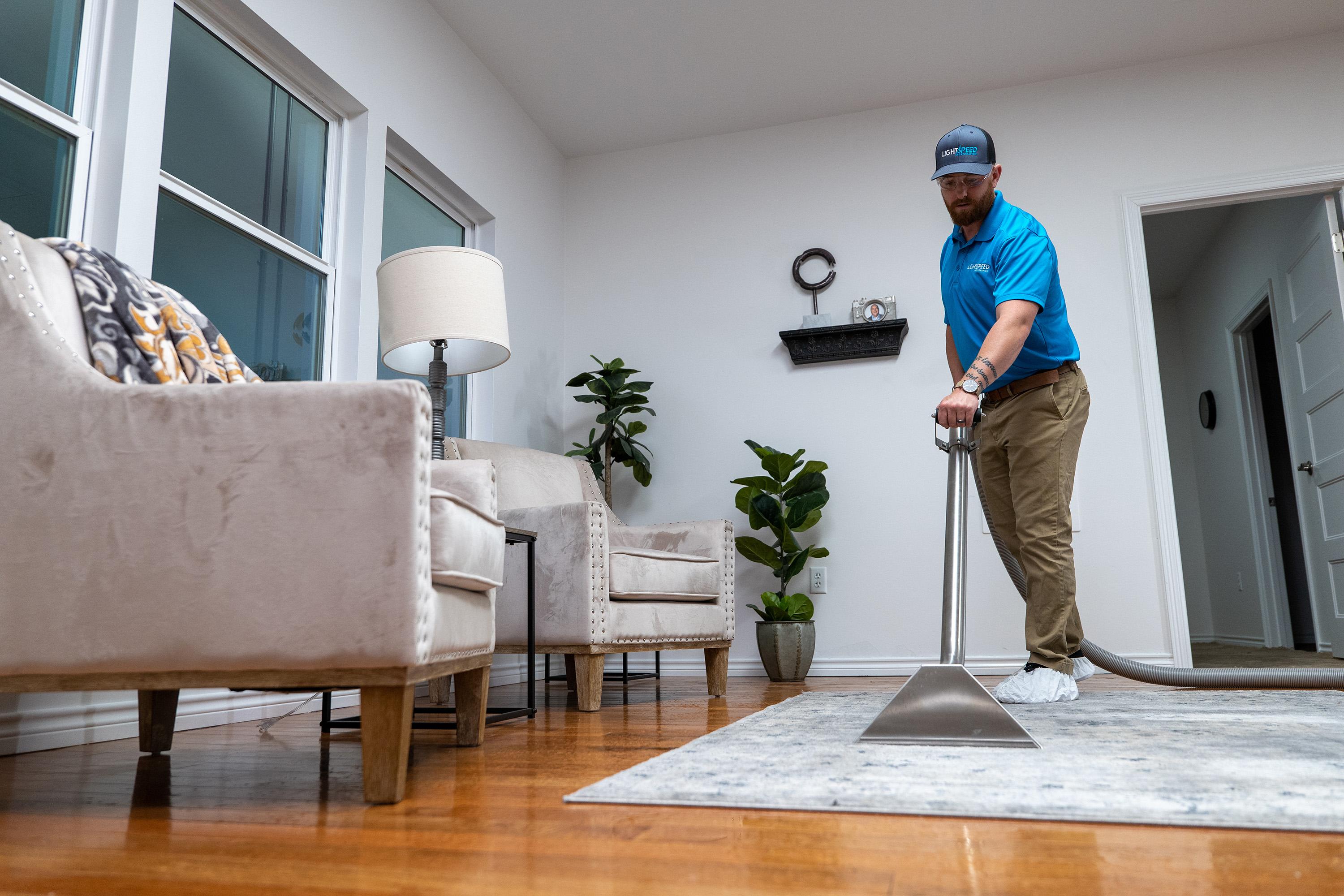
In Austin’s climate, a minor water damage event from a roof leak left for several days can lead to extensive hidden mold in attic insulation and wall cavities. At this point, cleanup usually involves removing affected drywall, flooring, and sometimes cabinetry—turning minor damage into major damage.
How Different Materials Show Water Damage (and When)
Not all building materials react the same way to water exposure. Some show damage almost immediately, while others hide issues in wall cavities for days or even weeks. Accurate assessment often requires moisture meters and professional evaluation.
Drywall and Ceilings
Drywall absorbs water quickly, showing damage within 12–24 hours as swelling, dark stains, or soft spots. The progression typically shows faint yellow or brown water rings first, followed by sagging drywall, crumbling, or bubbling paint.
Ceiling drywall can become dangerously heavy and may collapse after prolonged saturation, especially under a roof leak. Mold frequently grows on the paper backing of drywall, hidden behind paint—meaning damage may precede any visible mold.
Flooring: Carpet, Hardwood, Laminate, and Tile
|
Flooring Type |
Timeline |
Signs of Water Damage |
|
Carpet |
24–48 hours |
Musty smell, squishy steps, trapped moisture in padding |
|
Hardwood |
24–72 hours |
Cupping, crowning, swelling at edges |
|
Laminate |
Within 24 hours |
Swelling, delamination, visible warping |
|
Tile |
Days later |
Hollow sounds, loose tiles, subfloor damage |
Avoid walking on clearly buckled floors and get a professional moisture assessment to check the subfloor and framing beneath.
Cabinets, Baseboards, and Trim
Kitchen and bathroom cabinets (especially particleboard) can swell and lose structural integrity within 24–48 hours of water exposure. Look for swollen toe-kicks, peeling veneer, doors that won’t close, and gaps between cabinets and walls.
Baseboards may show early signs as slight separation from walls or bubbling along bottom edges. Water under cabinets supports hidden mold growth even when visible surfaces seem dry.
Structural Wood, Framing, and Foundations
Framing lumber and studs may not show visible changes for days or weeks but suffer from long-term water exposure. Prolonged dampness leads to wood rot, loss of structural integrity, and mold in crawlspaces.
Austin properties with crawlspaces or pier-and-beam foundations face particular vulnerability. Even concrete foundations can show later damage as hairline cracks or sticking doors.
Early vs. Delayed Signs of Water Damage in Your Austin Home
Some water damage signs show up fast while others appear only after days or weeks of hidden water damage. Whether it’s a slow AC condensate leak or a recurring shower leak, treat even mild signs seriously.
Immediate and Early Signs (First Hours to 2 Days)
Watch for these early signs of water damage:
-
Puddles on tile, damp carpet, water on window sills
-
Light yellow or brown rings on ceilings
-
Narrow discolored streaks down water damaged walls
-
Sudden musty smell in one room
-
Doors suddenly sticking
-
Cabinet swelling near dishwashers
Don’t ignore these signs or paint over them—they indicate water damage already underway.
Delayed and Hidden Signs (Days to Weeks Later)
Small leaks can hide for weeks before dramatic symptoms appear. Later-stage indicators include:
-
Persistent musty odors
-
Recurring spots on ceiling after rain
-
Peeling or bubbling paint
-
New cracks in drywall
-
Black, green, or white mold spots around baseboards or AC vents
Unexplained allergy-like symptoms (coughing, sneezing, headaches) can sometimes trace back to hidden moisture and mold. Schedule a professional moisture inspection if delayed signs appear.
Why Fast Professional Water Damage Cleanup Matters (Especially in Austin)
While some property owners try DIY drying, Austin’s high humidity and building materials make professional restoration the safest choice. Lightspeed Restoration of Austin uses commercial extraction, structural drying, and moisture detection designed specifically for water damage cleanup.
Contact 512-428-8309 for 24/7 emergency service in Austin, TX.
Health and Safety Risks of Delayed Cleanup
Wet materials become breeding grounds for mold, bacteria, and dust mites within days, creating serious health risks. Concerns include respiratory irritation, asthma flare-ups, and issues affecting children, older adults, and allergy sufferers.
Safety hazards include slippery floors, weakened ceilings, and electrical hazards from wet wiring. Category 2 or 3 water (sewage, floodwater) requires professional protective gear. Never handle contaminated water yourself.
Financial Impact: How Waiting Increases Repair Costs
Early cleanup can often save carpet, padding, drywall, and cabinets. Delays turn them into total losses requiring costly repairs and replacement.
The cost escalation path:
-
Simple extraction and drying
-
Tear-out and mold removal
-
Full reconstruction
-
Possible temporary relocation
Insurance claims may face scrutiny if you waited to report obvious damage. Document everything with photos and seek professional assessment. Fast mitigation from an experienced team reduces both repair costs and disruption.
What To Do As Soon As You Notice Water Damage
Quick, calm action can significantly limit damage, even if water has been standing for hours. Here’s your step-by-step response to protect your Austin home.
Immediate Steps Homeowners Should Take
-
Turn off the main water supply if the source is unknown or from a burst pipe
-
Shut off power to affected areas if safe
-
Move electronics, rugs, and valuables away from wet areas
-
Blot or extract surface water with towels (avoid severely warped surfaces)
-
Don’t open ceilings or walls yourself if you suspect mold or electrical components
Contact Lightspeed Restoration of Austin at 512-428-8309 as soon as these basic safety steps are complete.
What Professional Water Damage Cleanup Looks Like
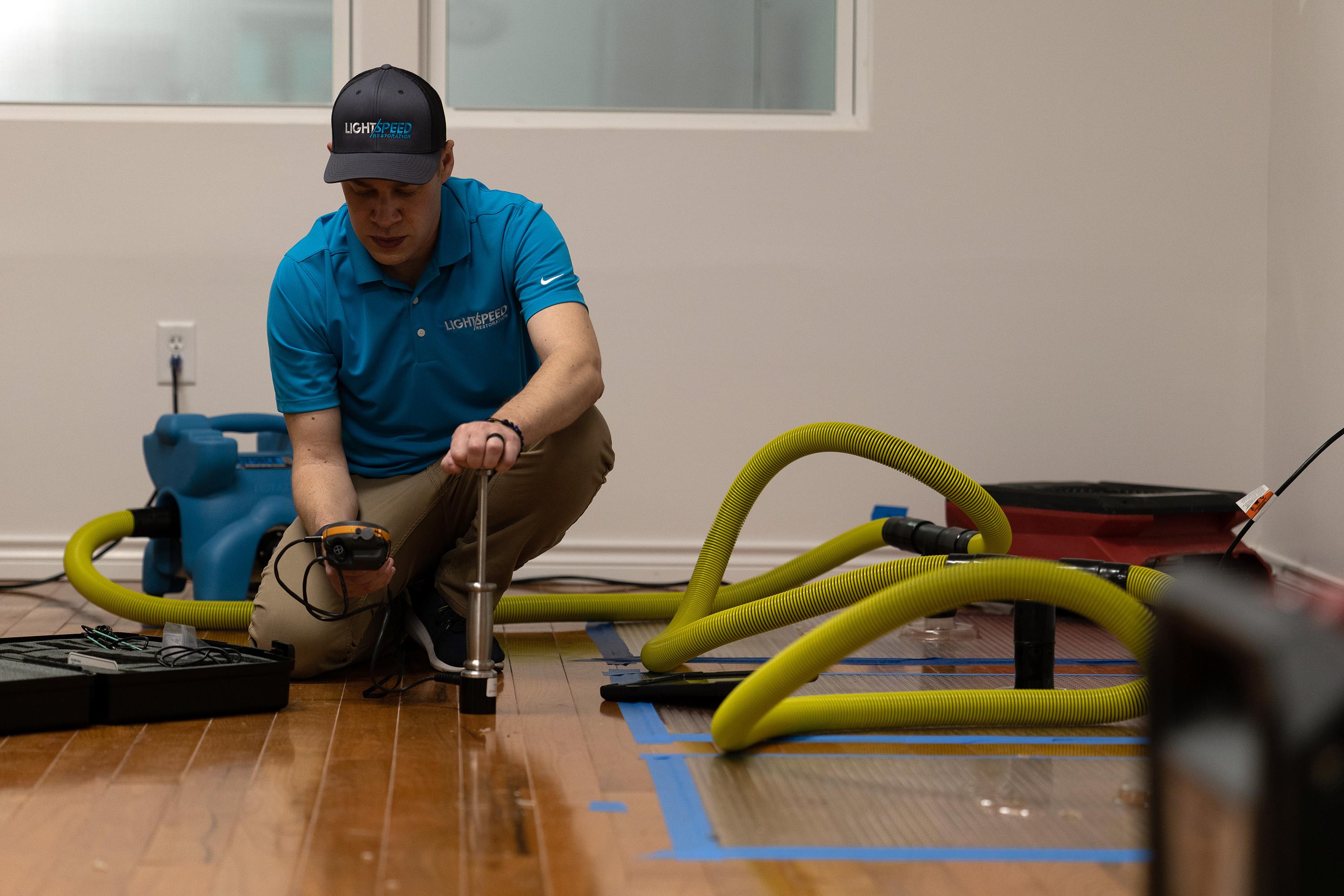
The professional restoration process includes:
-
On-site inspection to identify hidden water intrusion using moisture mapping with meters and thermal cameras
-
Water extraction with commercial-grade equipment
-
Drying equipment setup (dehumidifiers, air movers)
-
Monitoring until affected areas reach pre-loss condition
-
Sanitizing and antimicrobial treatments for contaminated water
Lightspeed Restoration of Austin coordinates with insurance adjusters and provides documentation. The goal: return your property to safe, dry condition as quickly as possible.
Water Damage and Mold: How Long Before Mold Appears?
Mold and water damage go hand in hand in Austin’s climate. Mold can begin growing within 24–48 hours on wet organic materials—creating the perfect environment for rapid spread.
Caution: Never disturb suspected mold by scrubbing or sanding, as this releases spores.
Typical Mold Growth Timeline After Water Damage
Mold spores present in normal indoor air settle and begin growing within 24–48 hours on consistently damp surfaces. Visible mold spots may take several days to appear, especially behind walls or under flooring.
Austin’s warm temperatures and humidity accelerate growth, particularly in non-air-conditioned spaces. Any water-damaged area wet for more than 48 hours should be evaluated for mold risk.
Why Professional Mold and Moisture Inspection Matters
Moisture can seep into walls, under flooring, and behind baseboards where visual checks miss it. These damp hidden areas can grow mold even when surfaces look dry. Professionals use moisture meters, thermal imaging, and surface sampling to locate hidden problems.
Lightspeed Restoration of Austin integrates moisture control and mold prevention into water damage repair so problems don’t return. Painting over stains without proper drying only hides problems temporarily.
Call 512-428-8309 for professional evaluation if you suspect water damage anywhere in your home.
Frequently Asked Questions About How Long Water Damage Takes to Show
Can water damage show up months after a small leak?
Yes. Slow plumbing or roof leaks can remain hidden for months, showing up later as stains, peeling paint, or mold patches. Recurring ceiling spots after rain or periodic musty smells indicate long-term, intermittent leaks. Have any recurring stain professionally inspected, even if it seems minor.
How can I tell if old water damage is still an active problem?
Old, inactive damage typically feels dry, brittle, and has faded stains. Active damage feels cool, damp, or soft to touch. Watch for expanding stains, new bubbling paint, or persistent musty odor as signs moisture is still present. A professional can test behind surfaces without major demolition.
Does Austin’s humidity make water damage worse even after cleanup?
Once materials are properly dried to target moisture levels, normal outdoor humidity shouldn’t cause ongoing damage. However, incomplete drying in a humid environment leads to lingering trapped moisture that encourages mold. Professional dehumidification and monitoring are essential in Austin’s climate.
Is all water damage covered by homeowners insurance?
Many policies cover sudden, accidental water damage (burst pipes, appliance failures) but exclude long-term neglect, maintenance issues, or external flooding. Review your specific policy and consider separate flood insurance. Lightspeed Restoration of Austin documents damage and mitigation to support insurance claims.
When should I absolutely call a professional instead of trying DIY drying?
Call professionals immediately for:
-
Standing water present more than a few hours
-
Sewage or outdoor floodwater involvement
-
Damage affecting ceilings, walls, or multiple rooms
-
Visible mold or strong musty odor
-
Electrical components involved
-
Unknown leak source
Call 512-428-8309 for same-day water damage cleanup in Austin whenever there’s doubt about the full extent of hidden water damage. Act quickly—your response time determines how much water damage you’ll face and whether you can prevent mold from taking hold.