

Key Takeaways
-
Fast water damage cleanup in Austin, TX can prevent mold growth within 24–48 hours and save thousands in repair costs.
-
Safety comes first: shut off power if water is near outlets, wear protective gear, and avoid rooms with sagging ceilings or contaminated water.
-
Follow the basic cleanup sequence: stop the water source, document damage for your insurance company, remove standing water, dry thoroughly, then clean and disinfect.
-
Serious water damage—flooded house, sewage backups, or water in walls—requires immediate professional help from Lightspeed Restoration of Austin at 512-428-8309.
-
Austin’s intense storms, slab leaks, and burst pipes make quick action essential for effective restoration.
Introduction: Why Smart Water Damage Cleanup Matters in Austin
Central Texas weather delivers surprises. From sudden summer thunderstorms dumping 2–4 inches of rain per hour to January freeze events that cause burst pipes, Austin homeowners face unique water damage risks. Add aging plumbing in older neighborhoods and HVAC condensate failures during triple-digit heat, and you’ve got a recipe for unexpected floods.
Water damage cleanup is part of the broader water damage mitigation process, which includes removing standing water, drying affected materials, controlling humidity, and preventing additional structural damage or mold growth. Common Austin scenarios include upstairs bathroom overflows soaking a downstairs ceiling, slab leaks in expansive clay soils, and AC condensate lines dripping into walls.
This complete guide provides practical DIY steps plus clear guidance on when to call Lightspeed Restoration of Austin for 24/7 emergency help at 512-428-8309.
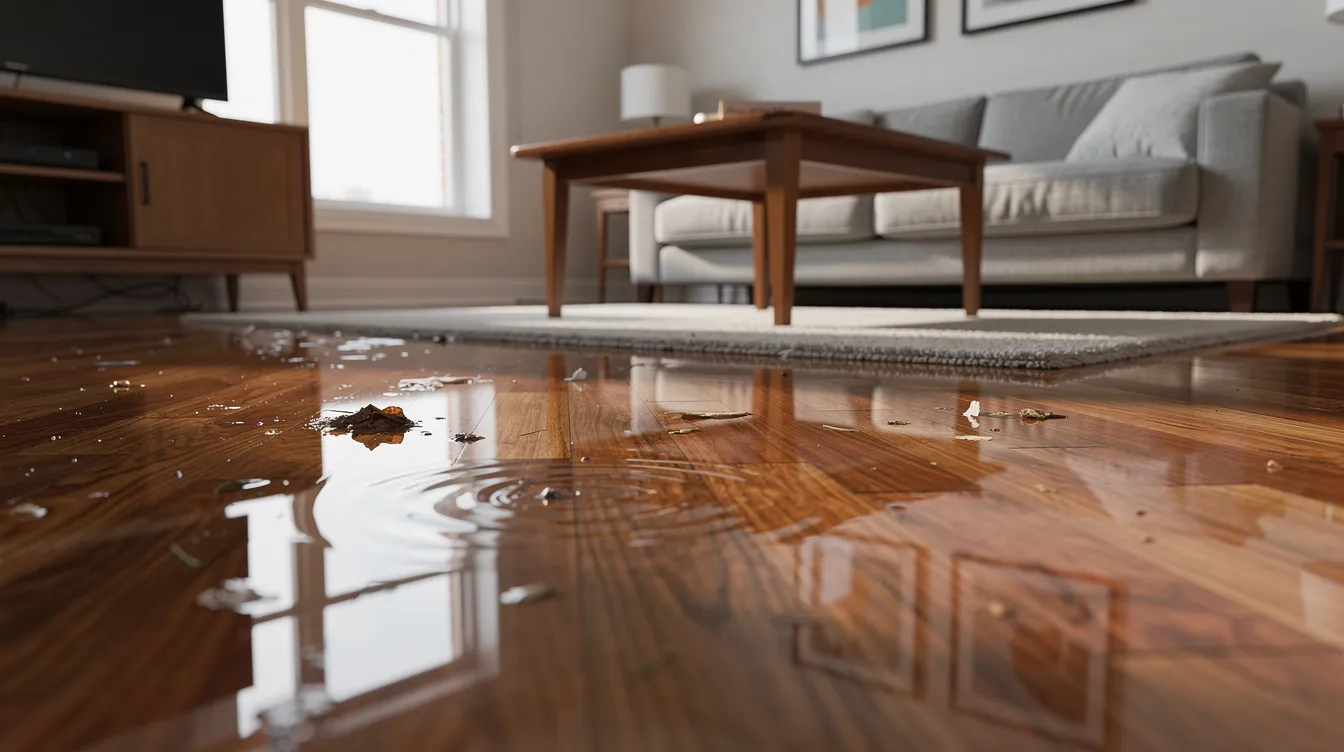
Step 1: Put Safety First Before Any Water Damage Cleanup
Personal safety and structural safety always override saving belongings. Never rush to clean up wet floors without assessing hazards first.
Electrical safety:
-
Shut off power at the breaker panel if water has reached outlets, power strips, or appliances
-
Never touch electrical devices while standing in water
-
If you can’t safely access the breaker, call your utility company
Structural hazards:
-
Stay out of rooms with sagging ceilings—waterlogged drywall can collapse without warning
-
Don’t walk through standing water if you can’t see the floor beneath
-
Watch for swollen doors and walls that signal hidden moisture
Protective gear requirements:
-
Wear personal protective equipment including rubber boots and rubber gloves
-
Use an N95 mask and safety glasses, especially near debris
-
Wear protective gear at all times when handling contaminated water from sewage backups
If you smell gas, hear sparking, or see major structural damage after a storm, leave immediately and call 911.
Step 2: Stop the Water at Its Source
Limiting water intrusion is the most powerful way to reduce cleanup time and costs. According to IICRC guidelines, addressing the water source within the first hour can cut overall restoration costs by 30–50%.
Locating your main shutoff:
-
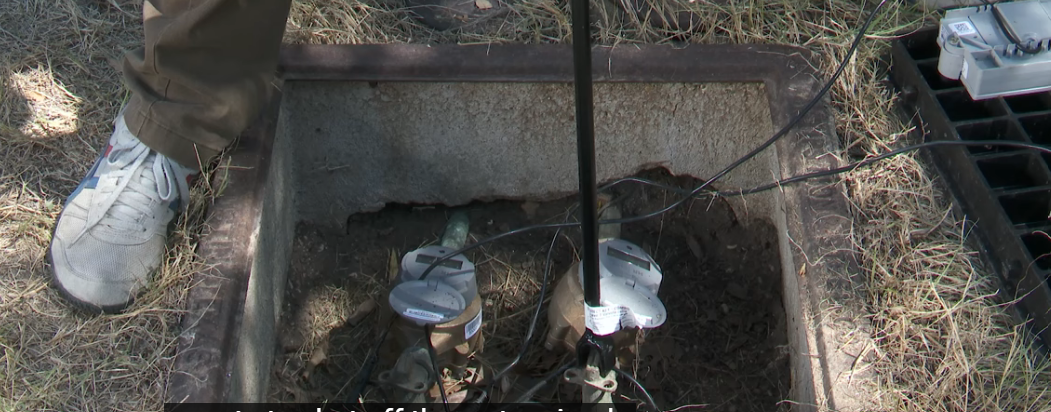
See this video from Austin Water
-
Check near the street in a ground-level meter box
-
Look on an exterior wall near your hot water heater
-
Find it in your garage along the main supply line
-
Label it now with glow-in-the-dark tape for emergencies
Common indoor sources to check:
-
Supply lines to toilets and sinks
-
Washing machine hoses (rubber hoses fail 10x more often than braided stainless steel)
-
Dishwasher and refrigerator water lines
-
Water heater connections and relief valves
During heavy Austin thunderstorms, roof leaks and window failures need temporary containment with buckets, towels, and plastic sheeting until a professional can inspect. Never attempt to clear blocked sewer lines yourself—dirty flood water backing up through floor drains requires professional intervention.
Step 3: Document the Water Damage for Insurance
Thorough documentation before cleanup makes insurance claims smoother and faster. Your insurance company needs evidence of the damage and its cause.
Documentation checklist: | What to Capture | How to Document | |—————–|—————–| | Entire affected areas | Wide-angle photos and video | | Water lines on walls | Close-up photos with ruler for scale | | Damaged flooring | Note type (e.g., engineered wood installed 2022) | | Furniture and appliances | Record brands, models, purchase dates | | Soft items like mattresses | Photograph before discarding |
Contact Lightspeed Restoration at 512-428-8309, then promptly contact your insurance company and describe the cause of the water loss. Confirm whether you need a plumber’s report or mitigation estimate. Save all receipts for pumps, fans, dehumidifiers, and emergency repairs—these costs are often reimbursable.
Step 4: Remove Standing Water Quickly and Safely
Standing water soaks into drywall within 24 hours and penetrates subfloors in under 12. Quick water removal is critical to prevent mold growth.
DIY extraction methods:
-
Use a shop vac or wet/dry vacuum for shallow water on tile, vinyl, or sealed concrete
-
Deploy mops, towels, and buckets for small affected areas
-
A household vacuum should never be used for water—only shop vacs rated for wet pickup
When to call professionals:
-
Water deeper than a few inches
-
Multiple flooded rooms or a flooded basement
-
Flood water mixed with sewage or debris
-
Any situation where you’d need to wade through water
For contaminated water involving sewage, never attempt DIY extraction. This requires professional-grade equipment and crews who wear personal protective equipment rated for biohazards.
All extracted water must be disposed of according to Austin utility guidelines—never dump into storm drains or you risk fines.
Step 5: Dry Out Floors, Walls, and Contents Thoroughly
Visible water is only part of the problem. Moisture trapped in drywall, insulation, and subflooring triggers mold within 24–48 hours in Austin’s humid climate, where summer humidity often exceeds 70%.
Drying strategies:
-
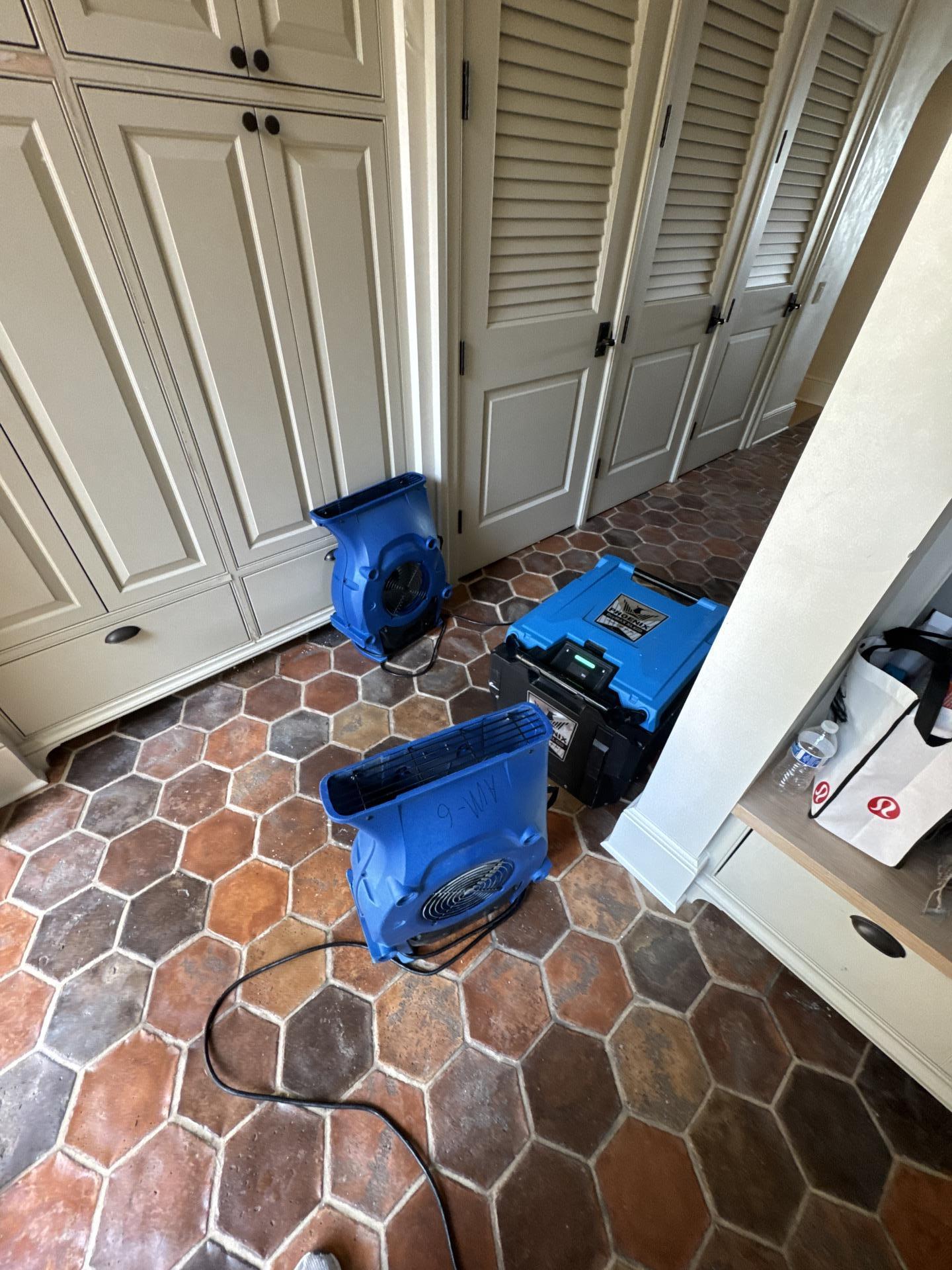
Position box fans or air movers across wet surfaces and floors
-
Run dehumidifiers continuously in affected rooms
-
Open windows when outdoor humidity is low (cooler, breezy days)
-
Keep windows closed during muggy conditions to avoid adding moisture
-
Allow fresh air circulation when possible
-
Air dry small salvageable items, and use sunlight cautiously to avoid damage from direct heat
Carpet and flooring:
-
Remove and discard waterlogged carpet padding immediately
-
Lift carpet edges to air out the subfloor beneath carpets
-
Wet carpeting from clean water may be salvageable if dried within 24–36 hours
-
Place aluminum foil or wood blocks under furniture legs to prevent staining
Use an affordable moisture meter (pin-type for wood, non-invasive for drywall) to verify dryness below 12–16%. This is especially important in North Austin, Round Rock, and Cedar Park homes with slab foundations that hide moisture.
Step 6: Clean, Disinfect, and Deodorize After Water Damage
Drying alone isn’t enough. Proper cleaning protects your family from health risks and prevents lingering odors and bacteria growth.
Cleaning by water type: | Water Category | Source | Cleaning Approach | |—————-|——–|——————-| | Clean water | Supply lines, rain | Household cleaners + disinfectant | | Grey water | Washing machines, dishwashers | EPA-registered disinfectant, longer dwell time | | Black water | Sewage, flood debris | Professional mold remediation required |
Hard surface cleaning:
-
Clean hard surfaces with household cleaners first
-
Follow with EPA-registered disinfectant
-
Allow proper dwell time per label instructions
-
Ensure adequate ventilation—avoid mixing chemicals
When to discard items:
-
Soaked mattresses, pillows, and heavily saturated upholstered furniture
-
Canned goods with damaged seals
-
Any porous items exposed to contaminated water
For persistent odors, continued dehumidification helps. Serious mold cleanup may require professional HEPA air scrubbers and hydroxyl generators.
When to Call a Professional Water Damage Cleanup Company in Austin
DIY flood cleanup has limits. Certain conditions demand a licensed, insured restoration professional to prevent hidden damage and health risks.
Call Lightspeed Restoration of Austin at 512-428-8309 when:
-
Water affects multiple rooms or floors
-
You see sagging ceilings or walls bulging
-
Water smells foul or contains sewage
-
Moisture has been in walls for more than 24 hours
-
You discover a large area of wet drywall behind cabinets
-
The house feels unsafe to access
Professional crews use commercial-grade pumps, air movers, and moisture-detection tools like infrared cameras to locate hidden moisture in studs, cabinets, and subflooring. Lightspeed Restoration offers fast arrival times during Central Texas storms, experience with local construction types, and knowledge of area insurance practices.
When in doubt about the safety or completeness of your cleanup, call 512-428-8309 any time, day or night.
Preventing Future Water Damage in Austin Homes
Proactive maintenance drastically reduces repeat incidents and costly claims.
Plumbing maintenance:
-
Have pipes and water heaters inspected periodically, especially in homes over 20 years old
-
Replace rubber supply lines with braided stainless steel hoses (burst pressure 4,000 psi vs. 600)
-
Wash machine hoses should be replaced every 5 years
Exterior protection:
-
Clean gutters and downspouts each spring and fall
-
Ensure downspouts discharge water several feet from the foundation
-
Inspect your roof after major storms
Smart detection:
-
Install water leak detectors near washing machines, water heaters, and under sinks
-
Consider smart shutoff systems that alert you via app to drips
-
Monitor AC condensate lines each cooling season—clogs cause 25% of summer water damage claims
FAQ: Common Questions About Water Damage Cleanup in Austin, TX
How fast can mold grow after water damage in Austin?
Mold can begin growing within 24–48 hours on damp materials, especially in Austin’s warm, humid climate where summer humidity exceeds 70%. Quick drying and dehumidification are crucial to prevent mold growth. Warning signs include musty odors, discoloration on drywall, and fuzzy spots on surfaces. Addressing water damage repair promptly prevents expensive mold remediation later.
Can I stay in my home during water damage cleanup?
Staying may be acceptable during small, clean-water incidents confined to one area, assuming electricity is safe, and there’s no mold or sewage. However, if a large area is wet, there’s a sewage backup, or strong odors and high humidity make breathing uncomfortable, relocate temporarily while professionals work. Stay safe by prioritizing air quality and avoiding collapse risks from structural damage.
Does homeowners insurance in Austin usually cover water damage cleanup?
Many policies cover sudden, accidental water damage from burst pipes or appliance failures. However, flooding from rising outdoor water or long-term gradual leaks is typically excluded. Review your policy language, ask your agent about exclusions, and verify whether you need separate NFIP flood insurance for creek or river flooding near areas like Barton Creek.
What should I do if water damage happens at night or on a weekend?
Follow the same initial steps: shut off the water source, ensure electrical safety, and document damage. Then call a 24/7 restoration company. Lightspeed Restoration of Austin answers calls around the clock at 512-428-8309 and can dispatch crews anytime to homes throughout the Austin area.
How long does professional water damage cleanup usually take?
Most clean-water drying projects in a single room take about 3–5 days with professional equipment. Wet carpets can push that timeline longer if the padding or subfloor is also saturated. Multi-room or heavily saturated structures can take a week or longer. Austin’s clay soils can extend dry times by 20–50% due to groundwater retention. After drying, additional time may be needed to repair or replace drywall, baseboards, or flooring. Delicate keepsakes or photos should be air-dried out of direct sunlight instead of exposed to heat.