

When water spreads through your home or business, every minute matters. Lightspeed Restoration of Austin provides 24/7 flood cleanup services for Austin, TX, helping homeowners, landlords, renters, and business owners limit water damage, protect safety, and begin recovery fast.
Fast Flood Cleanup in Austin – Call 512-428-8309 Now
If flooding occurs, call Lightspeed Restoration of Austin at 512-428-8309 now for emergency flood cleanup and flood damage restoration. Our Austin-based team provides rapid response in minutes, not hours, because flood damage can worsen quickly once standing water reaches flooring, drywall, furniture, walls, electrical outlets, and personal belongings.
We respond to burst pipe emergencies, appliance leaks, storm damage, roof leaks, water heater failures, and overflowing flood water from heavy Central Texas storm events. We are locally focused on Austin-area homes and businesses, with fast response for communities such as Downtown Austin, South Austin, Westlake, Cedar Park, and Mueller.

The Lightspeed Restoration of Austin Difference
What sets Lightspeed Restoration of Austin apart is a practical combination of training, equipment, and clear communication. Finding an IICRC-certified company that offers 24/7 emergency response is critical when choosing a flood cleanup provider, especially when contaminated water, electrical hazards, or structural damage may be present.
Our technicians follow industry best practices based on the IICRC S500 water damage restoration standard and may hold certifications such as Water Damage Restoration Technician (WRT) and Applied Structural Drying Technician (ASD). We use industrial grade pumps, truck-mounted extraction units, industrial air movers, and high-capacity dehumidifiers to pull moisture from affected areas and help prevent mold growth.
Our restoration services cover the full damage restoration cycle: water removal, structural drying, cleaning, sanitizing, odor control, repair, and rebuild support. We also understand Austin-specific construction issues, including limestone foundations, pier-and-beam homes, slab foundations, and 1970–2005 builds where moisture can hide under flooring or behind baseboards. From the first visit through final walkthrough, we provide photo documentation, daily updates, and clear communication.
What to Do During a Flood or Water Emergency in Austin
Safety comes before damage cleanup. If a water emergency happens, do the following only if it is safe:
-
Shut off electricity to affected areas if you can safely reach the panel; never touch power controls while standing in floodwater.
-
Avoid walking through standing water, especially if it may be contaminated water from streets, creeks, sewer lines, or backed-up drains.
-
Keep children, pets, and loved ones away from danger until the property is assessed.
-
Turn off the main water supply if the water source is a burst pipe or plumbing failure. In many Austin homes, shutoff valves are near the front hose bib, garage, utility closet, water heater, or meter box near the curb.
-
Move small valuables, electronics, and documents to a dry surface if it is safe.
-
Take photos and videos before cleanup begins for the insurance claims process.
Then call Lightspeed Restoration of Austin at 512-428-8309 for quick response and professional flood cleanup.
Our Emergency Flood Cleanup & Damage Restoration Process
Our flood damage restoration process starts with the first call and continues through verified drying and final repairs. We provide 24/7 dispatch and typically arrive in Austin within 60–90 minutes, depending on traffic, weather, and storm conditions.
Water removal is typically the first step in flood cleanup services, where hundreds or thousands of gallons of water are extracted using powerful pumps and extraction units. Rapid removal of standing water is critical to mitigate further structural damage and mold growth. We use water extraction tools, submersible pumps, and truck-mounted units for flooded rooms, garages, basements, lower levels, and commercial properties.
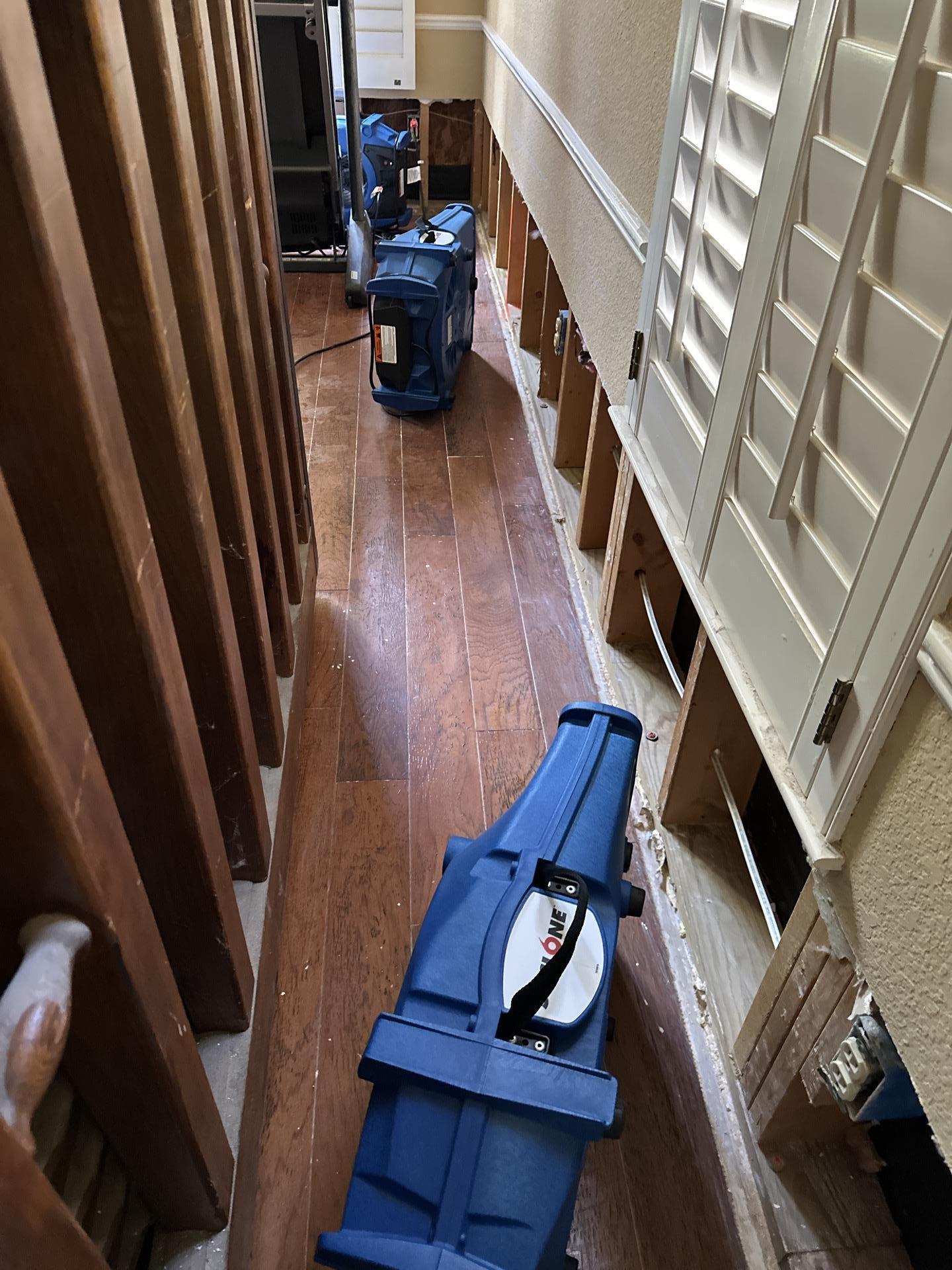
After water removal, drying techniques are employed using industrial-grade drying equipment to target moisture within materials and return them to their normal moisture levels. Structural drying includes air movers, dehumidifiers, containment when needed, and moisture readings until materials reach target levels. Monitoring the drying process is critical, with specialists visiting the property daily to ensure materials are drying properly and to make adjustments to the drying equipment as needed.
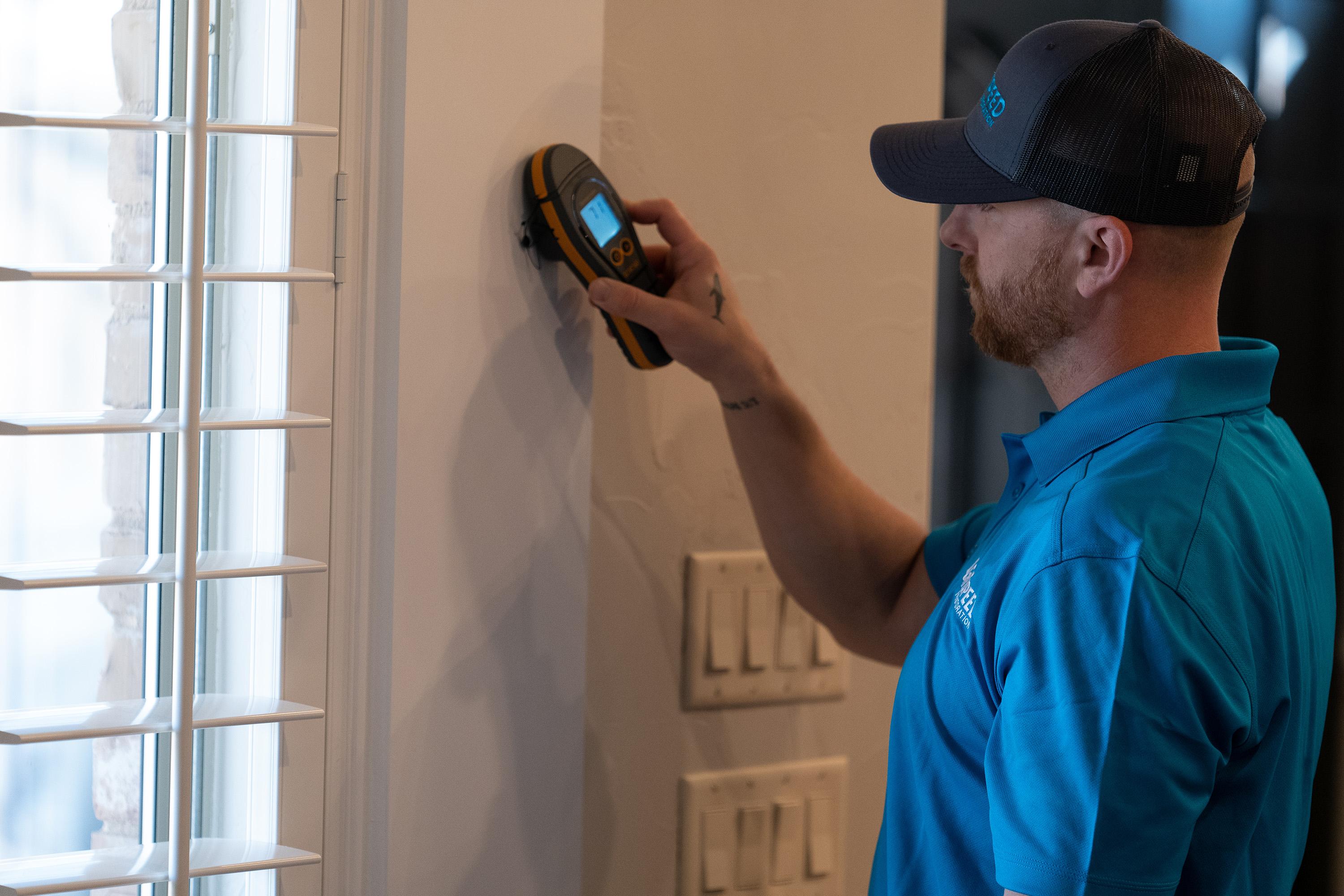
The restoration company must document the drying process using thermal imaging cameras, moisture meters, and extensive photography. We assess water migration in walls, flooring, ceilings, cabinets, and hidden cavities. Flood cutting involves cutting and removing drywall 12 to 24 inches above the water line when saturated materials cannot be safely dried. Antimicrobial treatments kill bacteria, viruses, and fungi in flood-affected areas. Once the property reaches a verified drying standard, reconstruction begins, including installing new insulation and hanging drywall, so the property can return to its pre loss condition, also known as pre-loss condition.
Types of Flood Damage We Handle in Austin, TX
Lightspeed Restoration of Austin handles many flood damage scenarios common across residential and commercial properties. For residential water damage restoration, we help with burst supply lines, dishwasher overflows, washing machine leaks, water heater tank failures, AC condensate line backups, and broken water systems.
We also provide flood damage cleanup for damage caused by Central Texas thunderstorms, localized creek flooding, roof leaks during high-wind events, and water pooling around foundations due to clay soil or poor drainage. Flooded first floors, crawlspaces, garages, retail spaces, restaurants, offices, and other commercial properties often need immediate water removal, safe removal of unsalvageable materials, cleaning, and drying.
Floodwater is categorized from Category 1, which is clean, to Category 3, which is highly contaminated black water. Flooding can pose serious health risks, including exposure to contaminated water, which may contain harmful bacteria and pathogens. Category 3 water and sewage backups require PPE, containment, disinfection, disposal controls, and extra care to reduce contamination risks.
Working with Your Insurance on Flood Damage Claims
The insurance claims process can feel overwhelming after a flood, so we help make it easier. When filing an insurance claim for flood damage, it is important to document the damage thoroughly, including taking photos or videos before cleanup begins. We support that process with moisture maps, itemized estimates, drying records, and job photos.
Many homeowner insurance policies provide some level of coverage for water damage, but the specifics can vary significantly based on the policy and the source of the water damage. A sudden plumbing leak may be treated differently from rising flood water. Flooding related to weather events often requires a separate flood insurance policy, which can be obtained through the National Flood Insurance Program.
Contact your insurance company or insurance provider as soon as possible while we begin emergency services to limit further damage. With clear documentation and communication with adjusters when requested, we help align the damage restoration plan with policy guidelines and reduce surprises.
Why Austin Homeowners Choose Lightspeed Restoration for Flood Cleanup
Austin homeowners and businesses choose us because disaster strikes without warning, and they need a team that knows local weather, local construction, and local urgency. We understand older bungalows, newer master-planned communities, Hill Country properties, pier-and-beam floors, slab homes, and drainage problems after a severe storm.
Quick response to flooding is critical as water can begin damaging flooring, drywall, and furniture within minutes or hours, and mold growth can start within 24–48 hours. Water damage worsens significantly within the first 24 to 48 hours, necessitating immediate mitigation to prevent structural failure and mold growth. Immediate action after a flood can help prevent long-term issues such as mold growth and structural damage, which can be costly to repair.
We use modern equipment, proven restoration practices, and IICRC-guided procedures to restore property safely. Call 512-428-8309 for immediate flood cleanup help anywhere in the Austin, TX area.
Frequently Asked Questions About Flood Cleanup in Austin
How fast can you arrive?
In most Austin situations, our team can arrive within 60–90 minutes, depending on weather, traffic, and the size of the event.
How long does flood damage restoration take?
The flood damage restoration process typically includes water removal, drying, cleaning, sanitizing, and repairs to return the property to its pre-loss condition. Moderate drying often takes 3–5 days; significant damage or extensive damage may take longer.
When does mold become a concern?
Prompt action after flooding is crucial to minimize long-term damage, such as mold growth, which can occur within 24-48 hours if moisture is not addressed.
Can I do DIY flood cleanup?
Small clean-water spills may be manageable, but large losses, contaminated water, electrical hazards, and hidden moisture require professional restoration services.
Do you work nights and weekends?
Yes. We provide emergency services 24/7/365, including holidays.
Is drying equipment disruptive?
Air movers and dehumidifiers make noise, but they are necessary because restoration professionals use specialized equipment and techniques to effectively dry out materials and prevent further damage, ensuring that moisture levels return to normal.
What can be saved?
Some furniture, flooring, and contents can be restored, while saturated carpet pad, insulation, and compromised drywall often must be removed.
For real-time answers, call 512-428-8309.
Safety Tips for After the Flood Waters Recede
Even after visible flood water is gone, hidden hazards may remain. Do not turn on ceiling lights or fans if ceilings are wet, stained, or sagging from flood damage. Watch for slippery tile, warped wood flooring, loose nails, weakened subfloors, and hidden mold.
Avoid contact with any flood water from streets, creeks, or sewer systems because it may be dangerous. Ventilate the property when weather allows, but rely on professional equipment for full structural drying. A professional inspection from Lightspeed Restoration of Austin can identify moisture behind walls and prevent further damage.
How to Reduce Future Flood and Water Damage Risk in Austin
To lower future property damage risk, inspect supply lines, water heaters, shutoff valves, and roof flashing before Austin’s spring and early fall storm seasons. Improve grading and drainage so water moves away from slabs, crawlspaces, and foundations.
Consider smart leak detectors and automatic shutoff valves near laundry rooms, water heaters, kitchens, and under sinks. Review coverage every year with an Austin insurance agent, including endorsements or flood policies for certain types of flood damage. After a loss, our team can provide property-specific prevention advice based on what we find on-site.
Ready for Professional Flood Cleanup in Austin? Contact Us 24/7
Professional flood cleanup is critical to limiting flood damage, preventing mold, and protecting property value. Lightspeed Restoration of Austin provides full-service water damage restoration, from emergency water extraction through cleaning, drying, repair, and rebuild coordination.
If you need help after a flood, fire suppression event, burst pipe, appliance leak, or storm, call 512-428-8309 any time, day or night. Our Austin-based team can often be on-site the same day, even during busy storm events, with clear communication from the first call. We are ready to help you restore your property safely and get life back to normal.