

When flood damage hits your house or business, speed matters. Lightspeed Restoration of Austin provides 24/7 flood damage cleanup, emergency water extraction, structural drying, and restoration services throughout Austin, TX. For emergency water damage or flood cleanup, call 512-428-8309.
Immediate Steps After Flood Damage in Austin, TX
Water damage can occur from plumbing failures, such as leaks or burst pipes, which can lead to significant structural damage if not addressed quickly. In Central Texas, the first hour can make all the difference in limiting mold growth and further structural damage.
Call 512-428-8309 now for emergency water removal and a professional assessment from Lightspeed Restoration of Austin.
-
Turn off electricity if safe; never touch standing water if outlets or appliances are submerged.
-
Avoid walking through flooded rooms; keep children and pets away from affected areas.
-
Stop the source if possible: main shut-off valve, appliance valve, or roof tarp during heavy rain.
-
Before a DIY cleanup, document the damage with photos and videos for homeowners, renters, and your insurance company.
-
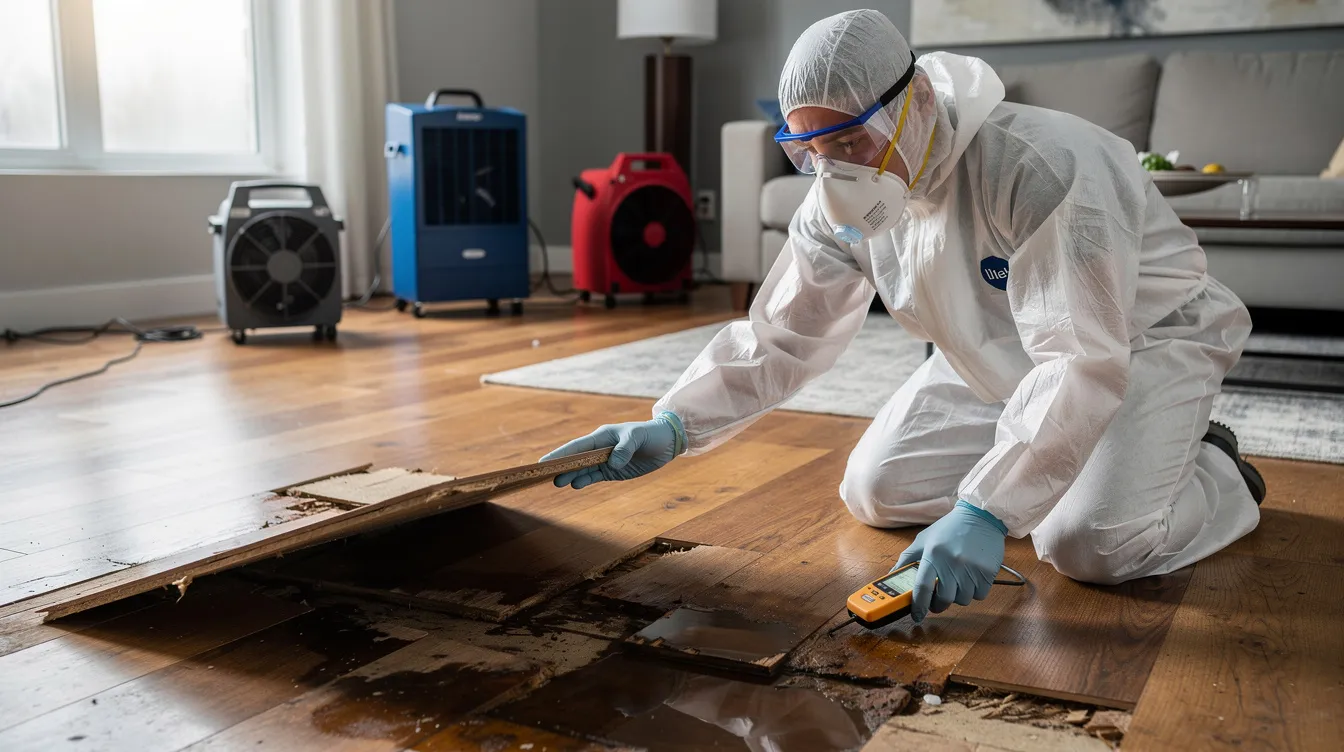
Wear personal protective equipment such as heavy-duty gloves, N95 masks, and boots if you must enter.
Common Causes of Flood and Water Damage in Austin, TX
Austin sits in “Flash Flood Alley,” and Austin Watershed Protection notes the city faces intense runoff from storms, creeks, and drainage limits. For a broader breakdown of flood damage in Austin, TX, including local flood risks, safety steps, insurance considerations, and restoration options, see our full guide. Add aging plumbing, slab foundations, and rare freezes, and emergency water damage becomes a common risk.
-
Common causes include burst or frozen pipes, overflowing sinks, tubs, or appliances, severe storms and flash flooding, water heater leaks, roof leaks during heavy rain, and sewage backups.
-
Flash flooding along Barton Creek, Onion Creek, Shoal Creek, and the Colorado River can push contaminated water into garages and ground-level rooms.
-
Clogged French drains, poor yard grading, and overwhelmed gutters let water collect near the foundation.
-
Winter Storm Uri showed how a burst pipe or frozen pipe can flood a property fast.
-
South Austin and Hyde Park homes may face slab leaks; sewage backups can occur when city lines are overloaded.
-
Commercial properties near I-35, Mopac, and downtown Austin face sprinkler discharges, broken supply lines, and commercial water damage restoration needs.
-
Knowing the source helps us assess the loss, plan water damage restoration services, and explain the situation clearly.
Our Flood Damage Cleanup & Emergency Water Extraction Process
Lightspeed Restoration of Austin follows IICRC standards and a step-by-step restoration process for flood damage remediation, from the first call to the final walkthrough. We handle residential and commercial water damage restoration, with plans tailored to the property, water category, and extent of flood damage.
-
Rapid Austin arrival, safety review, and emergency water extraction.
-
Moisture mapping, photos, videos, job notes, and drying logs for the claims process.
-
Water extraction services, structural drying, cleaning, disinfection, and odor control.
-
Flood damage repair and property restoration to pre-loss condition or original condition.
-
We work directly with adjusters when possible and help your insurance claim be properly documented and submitted, making the process smoother.
Key steps in flood damage cleanup involve returning to the property safely, documenting damage for insurance, removing standing water, drying out the structure, and sanitizing all affected surfaces. Professional flood cleanup services can handle each of these steps safely while helping reduce secondary damage and mold growth.
Emergency Water Removal & Extraction
Flood water removal is the first major action once safety is confirmed and the source is stopped.
-
The first priority during emergency cleanup is removing standing water using powerful equipment such as high-capacity extraction pumps and commercial wet vacuums.
-
We also use truck-mounted extraction units, portable wet vacuums, and submersible pumps for floors, carpets, crawlspaces, lower levels, and basements.
-
Fast water removal reduces saturation in drywall, subflooring, framing, and other building materials, resulting in less damage and reduced demolition.
-
Standing water from flooding can create mold and bacteria inside a house, leading to further damage and health risks if not removed promptly.
-
For 24/7 emergency water in Austin, TX, call 512-428-8309.
Moisture Detection, Structural Drying & Professional Drying Equipment
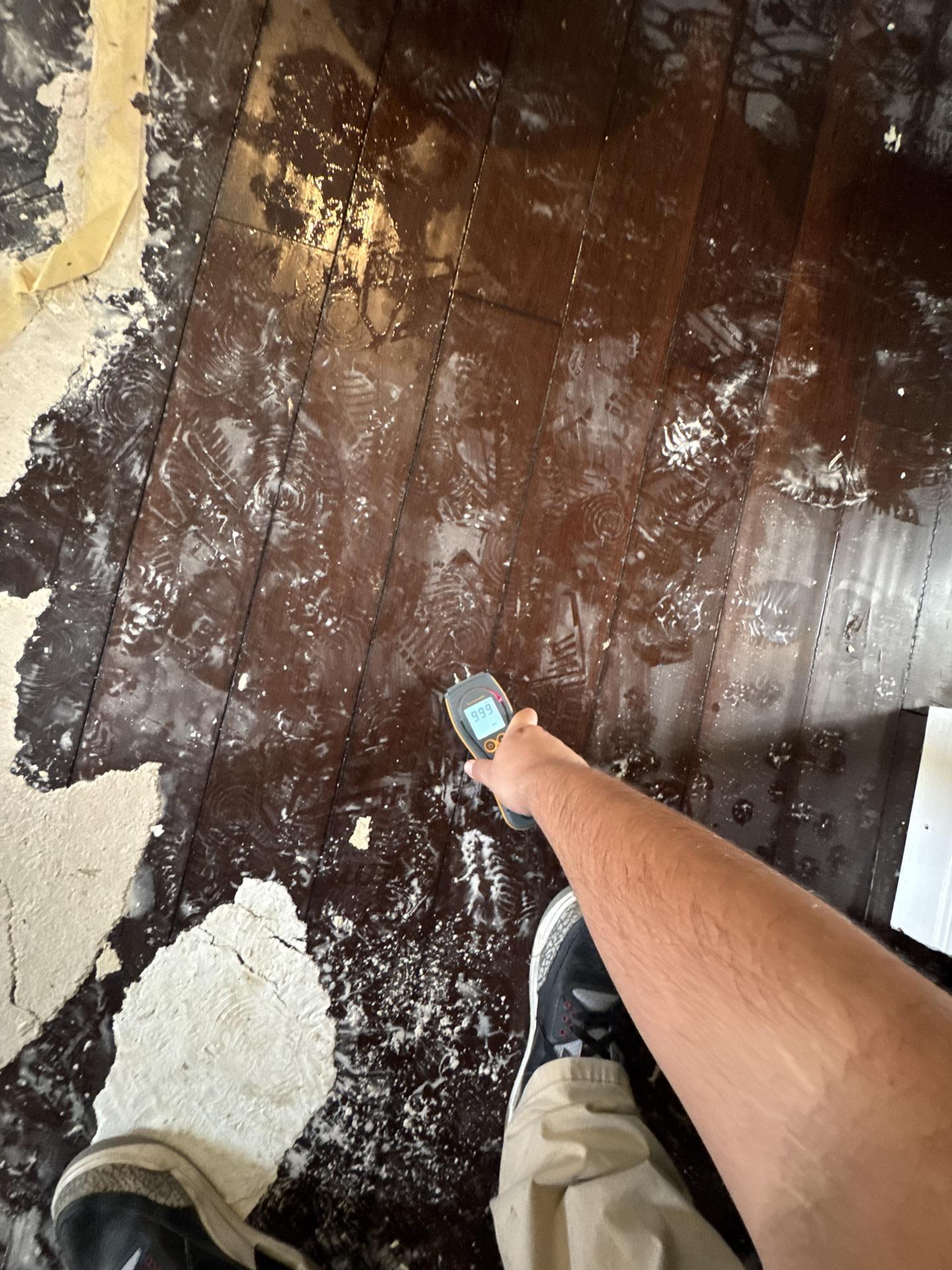
Visible water is only part of the problem. After visible water is removed, technicians inspect the property for hidden moisture using advanced tools like thermal imaging cameras and moisture meters.
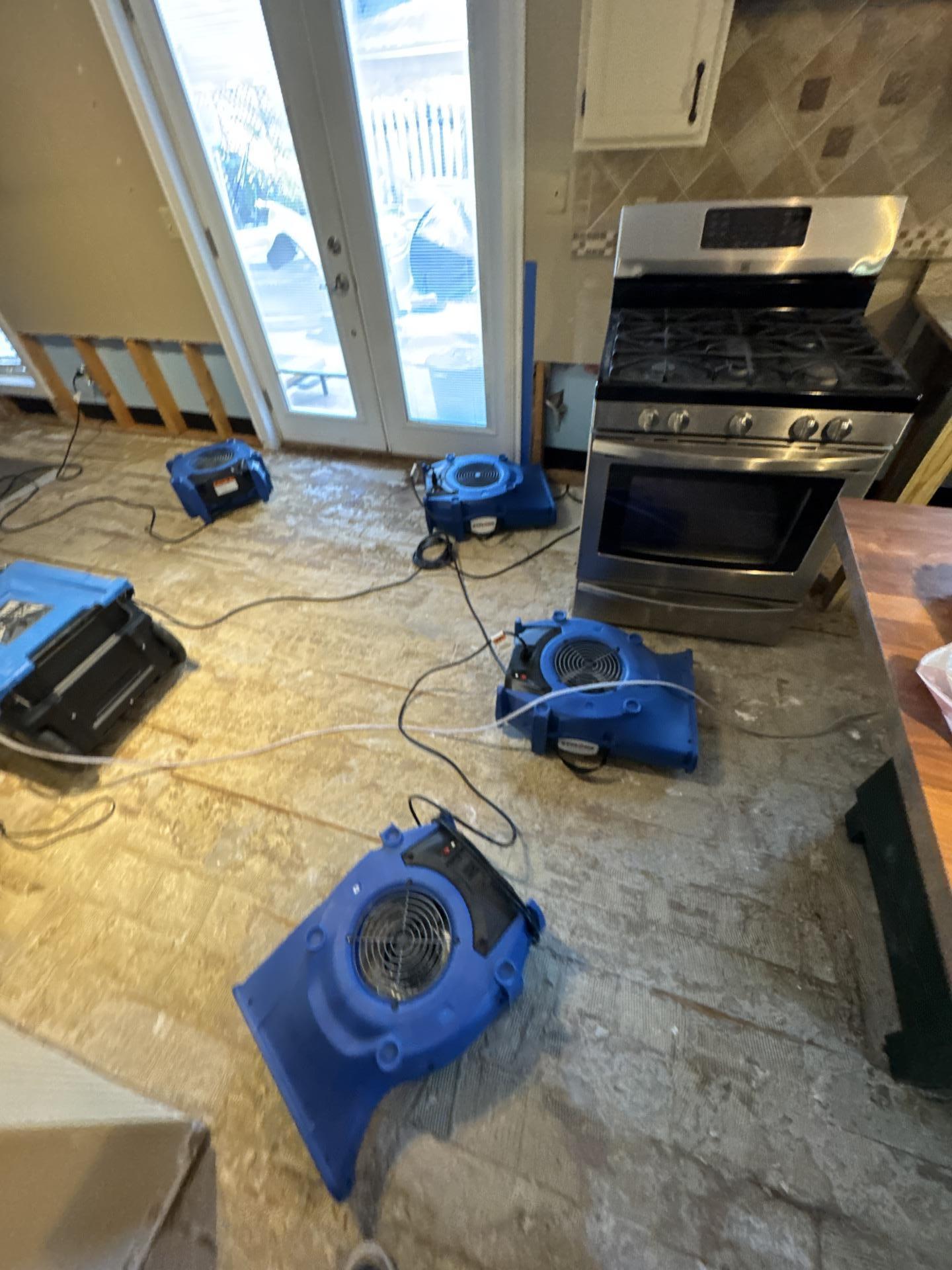
We use advanced equipment, including moisture meters, hygrometers, thermal imaging cameras, drying equipment, low-grain refrigerant dehumidifiers, high-velocity air movers, wall injection systems, and negative-pressure drying mats for floors. Structural drying is one of the most important steps in emergency water damage cleanup, because professional drying equipment removes moisture from building materials and helps prevent mold growth. Not all flood drying companies use this level of equipment or document daily moisture readings, so ask how a contractor verifies that materials are dry before rebuilding starts.
Effective flood damage cleanup in humid environments requires rapid drying to prevent mold growth. If the outdoor air is safe and drier, open windows and use industrial-grade air movers and dehumidifiers to rapidly dry out flooded areas, aiming for humidity levels below 50%. Most Austin restoration projects dry in 3–5 days, with daily moisture readings recorded until normal dry standards are reached.
Cleaning, Disinfection, and Odor Control
After the drying process, all affected surfaces must be cleaned and sanitized.
-
Clean water, gray water, and blackwater require different handling; Austin flash-flood water is often gray or black.
-
Category 3 contaminated water may contain bacteria, viruses, sewage, chemicals, and other hazards.
-
We use EPA-registered antimicrobials for walls, floors, contents, and salvageable damaged materials.
-
Flooded materials should be discarded if they can trap dangerous bacteria or mold, including drywall, insulation, carpeting, and porous furniture cushioning.
-
HEPA air scrubbers, deodorizing fogs, ozone, or hydroxyl generators help remove musty or sewage odors.
Residential vs. Commercial Water Damage Restoration
Lightspeed Restoration of Austin serves homeowners and businesses in the greater Austin area, but priorities differ.
-
Residential water damage restoration protects families, pets, belongings, and daily routines.
-
Business losses focus on safety, continuity, employees, customers, inventory, and access.
-
We mobilize extra technicians and equipment for offices, retail, restaurants, warehouses, and medical spaces.
-
When safe, we work off-hours or in sections to keep part of a business open.
-
Property managers and owners receive clear documentation in a professional manner.
Sewage, Storm Flooding, and Other High-Risk Water Damage
Some flood events involve sewage, creek overflow, or mixed storm runoff. Do not handle sewage or creek floodwater without professional help. If your home has taken on contaminated stormwater, call an emergency flood cleanup company before touching damaged materials or dragging debris to the curb.
Sewer backups after heavy rain, overflowing storm drains, and runoff entering garages can expose people to bacteria and chemicals. Category 3 black water always requires protective equipment, controlled removal, and disposal. Lightspeed Restoration of Austin handles sewage cleanup, contaminated carpet and drywall removal, and proper disposal in accordance with industry and local regulations. Local Austin guidelines may dictate specific actions for debris collection and disposal following a flood, so call 512-428-8309 before dragging debris to the curb.
Navigating Insurance and the Flood Damage Claims Process
Dealing with insurance after flood damage is confusing because sudden water damage and flood exclusions are different.
-
Insurance may cover sudden water damage caused by plumbing failures or appliance leaks, but it’s important to check your specific policy for coverage details.
-
Standard homeowners' insurance may not cover flood damage; homeowners should consider investing in flood insurance.
-
Separate flood insurance is often needed for creek, river, or stormwater overflow; FEMA explains flood insurance basics.
-
Federal assistance programs are available for disaster recovery, including disaster grants for temporary lodging and basic home repairs, provided by FEMA and the Texas Department of Emergency Management.
-
Community support resources like the Austin Disaster Relief Network connect survivors with volunteer assistance for flood-damage cleanup.
-
Flood damage cleanup can be assisted by a network of local government agencies, nonprofits, and legal help desks for residents affected by floods.
We provide photos, itemized lists, estimates, drying reports, and answers for adjusters so mitigation can begin within hours, not days.
Why Austin Homeowners and Businesses Choose Lightspeed Restoration
Lightspeed Restoration of Austin is a locally owned restoration company focused on Austin, TX only. Our top priorities are safety, customer satisfaction, excellent customer service, and quality results.
-
24/7 full-service flood damage restoration, water damage restoration, mold remediation, and flood cleanup.
-
IICRC-trained technicians use professional drying equipment and follow industry standards.
-
Customer care includes punctual arrivals, regular updates, respect for property, and clear next steps.
-
We handle small bathroom overflows, fire-related water damage, and large commercial losses with the same focus.
-
Customers often describe our services as responsive, careful, and professional.
How to Prepare for Future Floods and Water Emergencies in Austin
Flood mitigation and preparedness reduces risk, cost, and damage, with systems being less severely affected when maintained.
-
Preventive measures for future flooding include inspecting and replacing the hoses on the washing machine, dishwasher, and refrigerator annually, as well as clearing gutters before heavy rain seasons.
-
Regularly cleaning gutters and downspouts is essential to prevent water buildup that can lead to flooding.
-
Installing and maintaining proper drainage systems can help prevent future flooding in homes.
-
Grading your yard away from your home's foundation can reduce the risk of flooding by directing water away from the property.
-
Installing flood barriers can provide an effective measure to protect properties from floodwaters during heavy rain or storms.
-
Install leak detectors near water heaters, washing machines, and sinks; insulate exposed pipes before winter.
-
Save 512-428-8309, know your water shutoff, and prepare a basic flood kit.
-
Business owners should create an emergency response plan covering contacts, equipment protection, and data backups.
A systematic approach for flood damage cleanup includes air out, move out, tear out, clean out, and dry out processes.
Call Lightspeed Restoration of Austin for 24/7 Flood Damage Cleanup
Fast, professional damage cleanup protects health, structure, and property value. Lightspeed Restoration of Austin specializes in emergency water extraction, structural drying, flood-damage cleanup, and full-service restoration for homes and businesses in Austin.
For emergency water damage or flood cleanup in Austin, TX, call Lightspeed Restoration of Austin now at 512-428-8309. Do not wait for business hours; 24/7 emergency water services are available on weekends and holidays.