

Key Takeaways
-
Austin, TX, faces recurring flash flooding, creek overflows, and severe storm events, making flood mitigation essential for local homeowners and businesses.
-
Lightspeed Restoration of Austin offers 24/7 emergency response and mitigation services—call 512-428-8309 for immediate help after any flooding.
-
Effective flood mitigation in Austin combines property upgrades (like grading, drainage, and elevation), preparedness planning, and the right insurance coverage.
-
Local Austin resources—such as City of Austin floodplain maps, FEMA tools, and certain grant programs—can help reduce long-term risk and out-of-pocket costs.
-
Mitigation reduces damage and costs but never eliminates risk; professional cleanup and drying are still critical after a flood to prevent mold and structural issues.
What Is Flood Mitigation (Austin, TX Focus)
Flood mitigation refers to proactive actions taken before, during, and after storms to reduce or prevent flooding damage in Austin’s unique Central Texas climate. Unlike flood relief (which happens during an event) or restoration (which happens after), mitigation focuses on preparation and prevention.
Austin’s geography creates a perfect storm for flash flooding. Steep hills feed water into narrow creek channels like Onion Creek, Shoal Creek, and Walnut Creek. Clay soils don’t absorb rainwater quickly. When intense thunderstorms drop several inches of rain in an hour, the runoff has nowhere to go but into neighborhoods, streets, and homes.
There’s an important distinction between flood prevention and flood mitigation. Prevention tries to keep water away entirely—think levees and dams. Mitigation accepts that water will sometimes arrive and focuses on limiting the damage when it does. For most Austin homeowners, mitigation is the more realistic approach.
While City of Austin infrastructure projects (drainage upgrades, detention ponds, creek widening) matter for community-wide protection, individual property-level mitigation often determines how much damage your specific house suffers. The city can’t protect every lot, especially when storms exceed the capacity of the infrastructure.
That’s why it pays to prepare your property—and know who to call when water does get in.
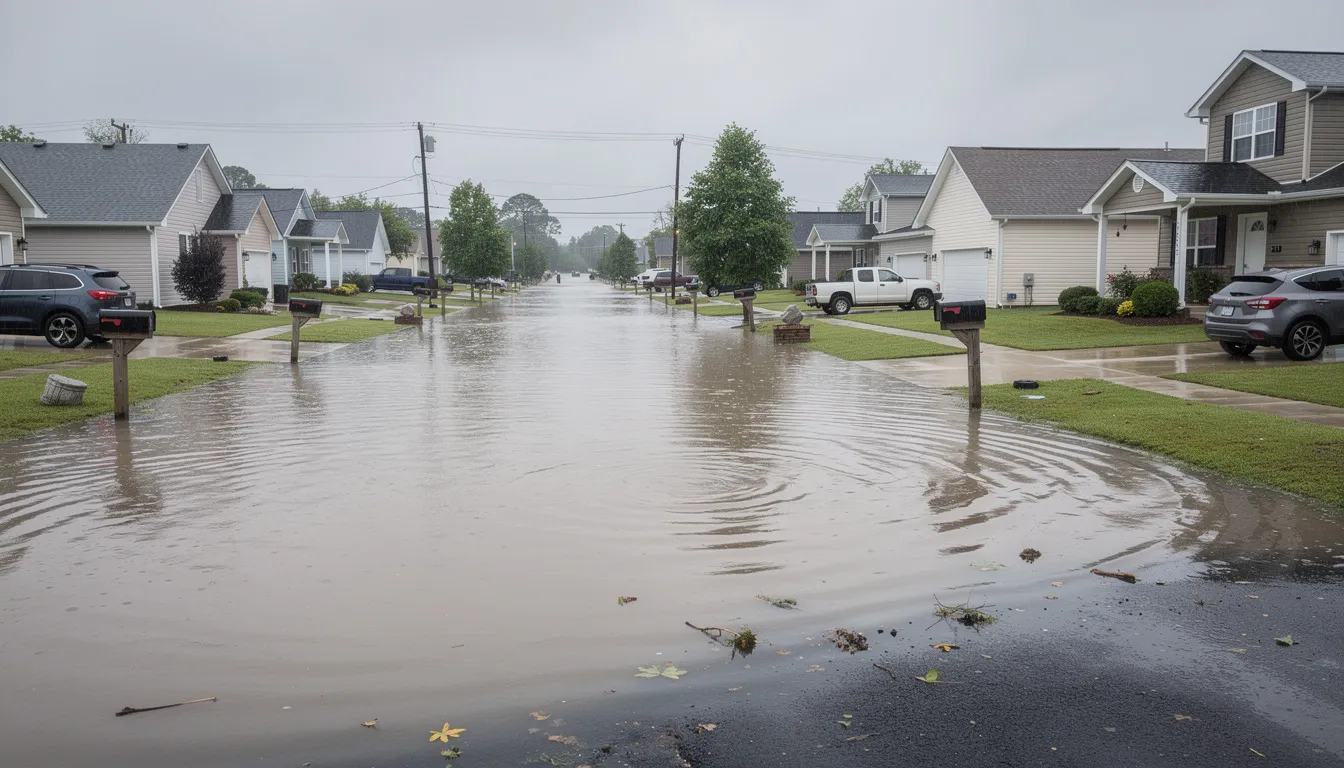
Immediate Flood Mitigation Steps After Water Enters Your Home
When flood waters enter your Austin home, the first hours are critical. This section is your rapid response checklist.
Safety comes first:
-
Shut off electricity at the breaker panel if you can reach it safely without standing in water
-
Avoid walking through moving water—just six inches can knock you down
-
Leave immediately if you notice buckling floors, sagging ceilings, or the smell of gas
-
Don’t touch electrical connections or systems while standing in water
Call for professional help immediately. Contact Lightspeed Restoration of Austin at 512-428-8309 for emergency water extraction, structural drying, damage assessment, and professional flood damage cleanup.
Document everything before cleanup:
-
Take photos and videos of water lines on walls, damaged contents, and affected areas
-
Don’t start major tear-outs or throw away materials before documenting
-
This documentation is essential for your insurance claim
Quick homeowner steps while waiting for professionals:
-
Move unaffected valuable possessions and sentimental items to higher ground or dry areas
-
Place aluminum foil or wood blocks under furniture legs to prevent staining
-
Keep children, pets, and family members away from flooded zones
-
Gather important photos, physical copies of documents, and your emergency to go kit
Austin-specific hazards to watch for:
-
Contaminated runoff from streets carrying oil, debris, and chemicals
-
Potential sewage backup during heavy storms
-
Fast mold growth in hot, humid conditions (mold can occur within 24-48 hours)
Understanding Your Flood Risk in Austin
Austin’s topography makes flash flooding a constant threat. Steep hills funnel water downward rapidly. Clay soils resist absorption, creating immediate runoff. Narrow creek channels overflow their banks when rainwater arrives faster than they can drain it.
Check your official flood risk status:
-
Review FEMA Flood Insurance Rate Maps (FIRMs) for your property
-
Use the City of Austin’s online floodplain maps to see 100-year and 500-year flood zones
-
Contact local officials for additional information about your specific location
Understanding Base Flood Elevation (BFE):
Base flood elevation is the predicted height to which flood levels would rise during a flood event with a 1% chance of occurring in any given year (often called a “100-year flood”). Your home’s elevation relative to the BFE affects building requirements and flood insurance premiums. If your lowest floor sits below the BFE, you’re at higher risk.
Properties outside mapped high-risk zones flood, too. Many Austin flood claims come from areas classified as moderate or low risk. Intense thunderstorms can overwhelm undersized neighborhood drainage systems in minutes, sending water into homes that have never flooded before.
Learn from past events:
-
The 2013 and 2015 Onion Creek floods displaced hundreds of Austin families
-
Memorial Day storms have repeatedly caused widespread damage
-
Research how your specific part of Austin has been historically impacted
Talk to neighbors who’ve lived in your area for years. They often know exactly which streets flood, which low water crossings become impassable, and where the problems occur before any official map update.
Property-Level Flood Mitigation Strategies for Austin Homes
The most effective approach in Austin combines exterior site work, building upgrades, and utility protection. Here’s what actually works.
Exterior Grading and Drainage
-
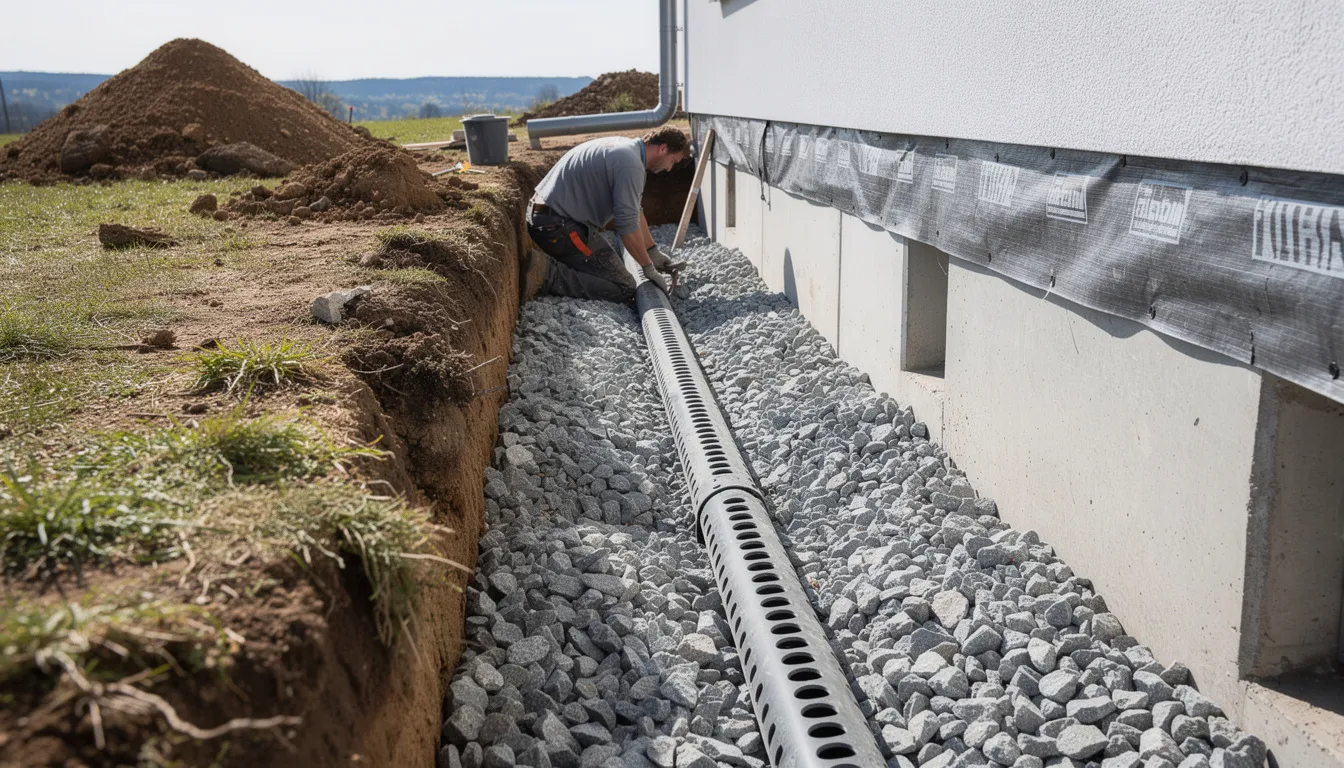
Ensure soil slopes away from your foundation (aim for at least 6 inches of fall over the first 10 feet)
-
Install French drains to collect and redirect groundwater away from vulnerable areas
-
Use swales or berms to direct flow toward the street or approved drain points
-
Clean gutters and downspouts before the spring storm season—clogged gutters cause foundation problems
-
Extend downspouts at least 4-6 feet from the foundation
Plumbing Protection
Install backwater valves and check valves on sewer lines. During heavy Central Texas rains, city storm systems can back up, pushing sewage into homes through floor drains and toilets. A properly installed valve can prevent water from entering through these lines.
Elevate Critical Systems
Protect electrical systems and utilities by raising them above likely flood levels:
-
Elevate HVAC units, water heaters, and electrical panels at least one foot above the base flood elevation
-
Move washers, dryers, and other appliances to higher floors when possible
-
Raise electrical connections and outlets in flood-prone areas
Flood Vents and Wet Floodproofing
For garages, crawlspaces, and enclosed areas below the BFE, flood vents allow water to flow in and out. This equalizes wall pressure and reduces structural damage. Wet floodproofing accepts that water will enter lower levels while protecting upper floors and enabling faster recovery.
Use Flood-Resistant Materials
When renovating lower levels, choose materials designed to survive flooding:
-
Tile or sealed concrete flooring instead of carpet
-
Closed-cell foam insulation instead of fiberglass batts
-
Moisture-resistant drywall or removable panels
-
Elevated cabinets and storage
These choices don’t prevent water from entering, but they dramatically reduce damage when it does and speed up recovery.
Planning, Insurance, and Financial Tools for Flood Mitigation
Financial preparedness is just as important as physical improvements. The right planning protects your wallet when the next flood hits.
Understanding Flood Insurance
Standard homeowners' insurance policies in Austin do not cover flood damage. You need a separate policy, typically through the National Flood Insurance Program (NFIP) administered by the Federal Emergency Management Agency.
Key facts about purchasing flood insurance:
-
Most NFIP policies have a 30-day waiting period before coverage begins
-
Don’t wait until storms are in the forecast—buy before the spring and fall storm seasons
-
Properties in high-risk zones with federally-backed mortgages are required to carry flood insurance
-
Even properties in moderate-risk zones can purchase coverage (often at lower rates)
Reducing Your Premiums
Mitigation improvements can sometimes lower your flood insurance premiums:
-
Elevating utilities above BFE
-
Installing proper flood vents in enclosed areas
-
Documenting elevation certificates showing your home’s height relative to flood levels
Keep records of all improvements and provide them to your insurance agent.
Create a Written Family Flood Plan
Your action plan should include:
-
Evacuation routes that avoid low water crossings (Austin has many notorious ones)
-
A predetermined meeting point if family members are separated
-
Where to move vehicles during flood warnings
-
How to protect and access important documents, electronics, and physical copies of insurance policies
-
Contact information for Lightspeed Restoration of Austin: 512-428-8309
Grants and Assistance Programs
Certain federal and local programs may help fund mitigation projects. FEMA offers Hazard Mitigation Assistance grants for eligible properties. Contact local officials or visit FEMA resources for current program details and eligibility requirements.
Digital Backup Strategy
Store digital copies of:
-
Insurance policies and declarations pages
-
Photos and video of your possessions (walk through each room annually)
-
Receipts for major purchases
-
Most important photos and sentimental items documentation
Cloud backup ensures you can access these files even if your home is inaccessible after a flood.
How Lightspeed Restoration of Austin Supports Flood Mitigation
Lightspeed Restoration of Austin specializes in rapid response and professional mitigation following water intrusions throughout the Austin, TX metro area. When flooding happens, we’re here to help.
Core services include:
-
Emergency water extraction using commercial-grade equipment
-
Structural and contents drying with high-capacity dehumidifiers and air movers
-
Sewage cleanup and sanitization when backups occur
-
Mold prevention and remediation before colonies can establish themselves
-
Complete damage documentation for insurance claims
Why early involvement matters:
Having professionals on site within hours can dramatically reduce the scope of damage. Materials that would need demolition after 48 hours of moisture exposure can often be dried and saved if treatment begins within the first few hours.
Professional-grade equipment and methods:
Our technicians use moisture meters and thermal imaging to detect water hidden in wall cavities, under flooring, and in other spaces you can’t see. Industry-standard drying protocols ensure these hidden areas are fully dried, not just the visible surfaces.
Insurance claim support:
We help document damage with detailed photos, moisture readings, and written reports that many insurance carriers request. This documentation can make the difference between a smooth claim process and a denied or delayed payout.
Call 512-428-8309 any time, day or night, after a flood. We recommend saving this number in your phone right now as “Flood – Lightspeed Austin.” When future flooding happens—and in Austin, it’s not a matter of if but when—you’ll have help just a phone call away.

Long-Term Community and Neighborhood Flood Resilience
Individual homeowners benefit when entire neighborhoods work together on drainage and preparedness. Community-level action multiplies the effectiveness of your personal mitigation efforts.
Neighborhood Cooperation
-
Participate in neighborhood associations to discuss localized flooding issues
-
Coordinate on shared solutions like gutter maintenance and tree root management that affects common drainage
-
Share information about which properties have flooded and why
-
Create neighborhood emergency communication plans
City of Austin Public Projects
The city actively works on community-level flood mitigation through:
-
Creek widening projects along chronically flooded waterways
-
Detention ponds that capture runoff and release it slowly
-
Storm drain enlargement in overwhelmed neighborhoods
-
Buyout programs for properties in the most severely affected areas
These projects take years to plan and complete, but they create lasting improvements for communities.
Report Problems
Use the City of Austin’s 3-1-1 system or online portals to report:
-
Blocked storm drain inlets
-
Eroding creek banks
-
Recurring street ponding after rains
-
Debris accumulation in drainage channels
Your reports help the city prioritize maintenance and identify emerging problem areas.
Community Education
Promote flood safety awareness, especially the “Turn Around, Don’t Drown” message. Central Texas has many low water crossings where vehicles are swept away every year during flash floods. Support education efforts in local schools and community centers.
While Lightspeed Restoration of Austin doesn’t design public infrastructure, our mitigation and restoration work supports overall community resilience. When individual properties recover faster and safer, the whole neighborhood benefits.
Frequently Asked Questions About Flood Mitigation in Austin, TX
Do I really need flood insurance in Austin if I’m not in a FEMA high-risk zone?
Many Austin flood claims come from properties outside mapped high-risk zones. Intense thunderstorms regularly overwhelm neighborhood drainage systems, sending water into homes that have never flooded before.
Even “moderate” risk areas can expect street and yard flooding that enters garages, ground-floor rooms, or crawlspaces. These events may not make the news, but they’re expensive enough to cause serious financial stress.
Low-risk NFIP policies are available at reduced rates. Talk to a licensed insurance agent to understand the cost versus potential losses. Given Austin’s weather patterns, most homeowners find the coverage cost-effective for peace of mind.
How fast can mold start growing after a flood in Austin’s climate?
In Austin’s warm, humid environment, mold can begin to colonize wet materials within 24-48 hours after flooding. Once mold establishes in wall cavities, insulation, or subfloors, remediation becomes significantly more expensive and disruptive.
Rapid water removal, dehumidification, and professional drying are essential to prevent mold from spreading. Surface drying isn’t enough—moisture trapped behind walls continues feeding mold growth even when visible areas look dry.
Call 512-428-8309 as soon as possible after water damage so Lightspeed Restoration of Austin can start mitigation before mold becomes a major issue.
What’s the difference between DIY cleanup and professional flood mitigation?
DIY efforts are typically limited to surface cleanup—mopping, removing wet items, and running household fans. This approach leaves moisture trapped in framing, insulation, subfloors, and wall cavities where you can’t see or reach it.
Professionals use commercial-grade extraction equipment, high-capacity dehumidifiers, air movers, and moisture detection tools to fully dry structures. We document moisture levels throughout the drying process to confirm the job is complete.
Professional mitigation reduces the risk of hidden damage, structural weakening, and denied insurance claims due to incomplete work. The cost of professional services is often far less than the cost of mold remediation or rebuilding water-damaged structures months later.
Can I do anything if my Austin home has flooded more than once?
Repeated flooding calls for more permanent mitigation measures:
-
Regrade your yard to improve drainage away from the structure
-
Enlarge existing drains or add new ones
-
Elevate utilities, electrical systems, and HVAC equipment
-
Consider structural elevation for severely affected homes
-
Explore dry floodproofing options for lower levels
Repeatedly flooded properties may qualify for mitigation assistance or buyout programs, depending on current local and federal funding. Document all past flood events, keep detailed repair records, and consult with local officials or FEMA resources about potential long-term solutions.
When should I call Lightspeed Restoration of Austin after a flood?
Call 512-428-8309 as soon as it’s safe to re-enter your property—ideally within the first few hours after water intrusion is discovered.
An earlier response allows more materials (drywall, flooring, cabinets) to be dried and saved rather than demolished. This significantly reduces total repair time and cost. Materials that need replacement after 48 hours of moisture exposure can often be saved with treatment in the first 6-12 hours.
The Lightspeed Restoration of Austin team is available 24/7 across the Austin, TX area for emergency water damage and flood mitigation needs. Save the number now: 512-428-8309.