

Key Takeaways
-
Lightspeed Restoration of Austin is a local, Austin-only water damage restoration company ready to respond 24/7—call 512-428-8309 immediately if floodwater has entered your home.
-
In Austin’s Flash Flood Alley, even a few inches of standing water can cause structural damage, and mold growth can begin within 24–48 hours under warm, humid conditions.
-
This article walks you through safety steps, insurance documentation basics, and how professional flood restoration works specifically for Austin, TX properties.
-
Delaying action after flooding significantly increases both costs and health risks, while prompt mitigation can often save drywall, flooring, and personal belongings that would otherwise need full replacement.
Introduction to Floods in Central Texas
Central Texas, and especially the Texas Hill Country, faces some of the most severe flooding risks in the nation. The region’s dramatic limestone hills, shallow soils, and dense network of rivers and creeks—including the Guadalupe River and San Gabriel River—create the perfect conditions for flash flooding. When heavy rain falls, water rushes off the hillsides and quickly fills low-lying areas, often overwhelming natural and man-made drainage systems. This rapid runoff can turn a quiet creek into a raging torrent within minutes, as seen during the deadly July 4, 2025, floods.
The history of flooding in Central Texas is marked by major events that have shaped emergency management and disaster recovery strategies. Severe flooding is not just a rare occurrence—it’s a recurring threat that impacts communities, infrastructure, and lives. Understanding the unique flood risk in the Hill Country is essential for residents, local governments, and emergency responders. By staying informed and prepared, Central Texans can better protect themselves and their property when disaster strikes.
Recent Flood Damage in Austin, TX and Central Texas
The flooding began late on July 3, 2025, and flooding continued over the following days, overwhelming communities and delaying response efforts. The July 4, 2025, weekend brought some of the deadliest flooding Central Texas has seen since the 1930s. Rain fell in staggering amounts—over 22 inches in parts of the Highland Lakes—causing rivers and creeks to surge with terrifying speed. The catastrophic flooding was caused by a mesoscale convective vortex with enhanced tropical moisture. The Guadalupe River rose 26 feet in just 45 minutes, a catastrophic flash flooding event that echoed the 1987 Camp Mystic tragedy. The Guadalupe River near Hunt and Kerrville surged from around 7 feet to nearly 30 feet, cresting at its second-highest level on record before floodwaters damaged monitoring systems. Across Travis County, Williamson County, Burnet County, and Kerr County, at least 18 people lost their lives.
The Austin area saw widespread impacts that extended far beyond the hardest-hit zones. The San Gabriel River in Georgetown and Liberty Hill overflowed rapidly, forcing evacuations in western Williamson County. Near Lago Vista, FM 1431 and Cow Creek saw washed-out roads and stranded vehicles. Neighborhoods along Sandy Creek in northwest Travis County experienced severe flooding that caught many residents off guard during the overnight hours. Thousands lost power as roadways were washed out and neighborhoods became inaccessible. Roads were closed across Northwest Austin, Georgetown, Cedar Park, and Marble Falls due to flooding, including FM 963 between FM 1174 and Burnet in Burnet County. Local officials estimated that over 12,100 structures were affected by the flooding, with confirmed structural damage and isolated residential flooding in Williamson County. Over 6,500 applications for FEMA assistance were submitted after the July 2025 floods. Property damage was extensive, and immediate needs for shelter, clothing, food, and water were urgent for many residents—assistance is available through local shelters and relief organizations.
Why Austin Is So Vulnerable to Flood Damage
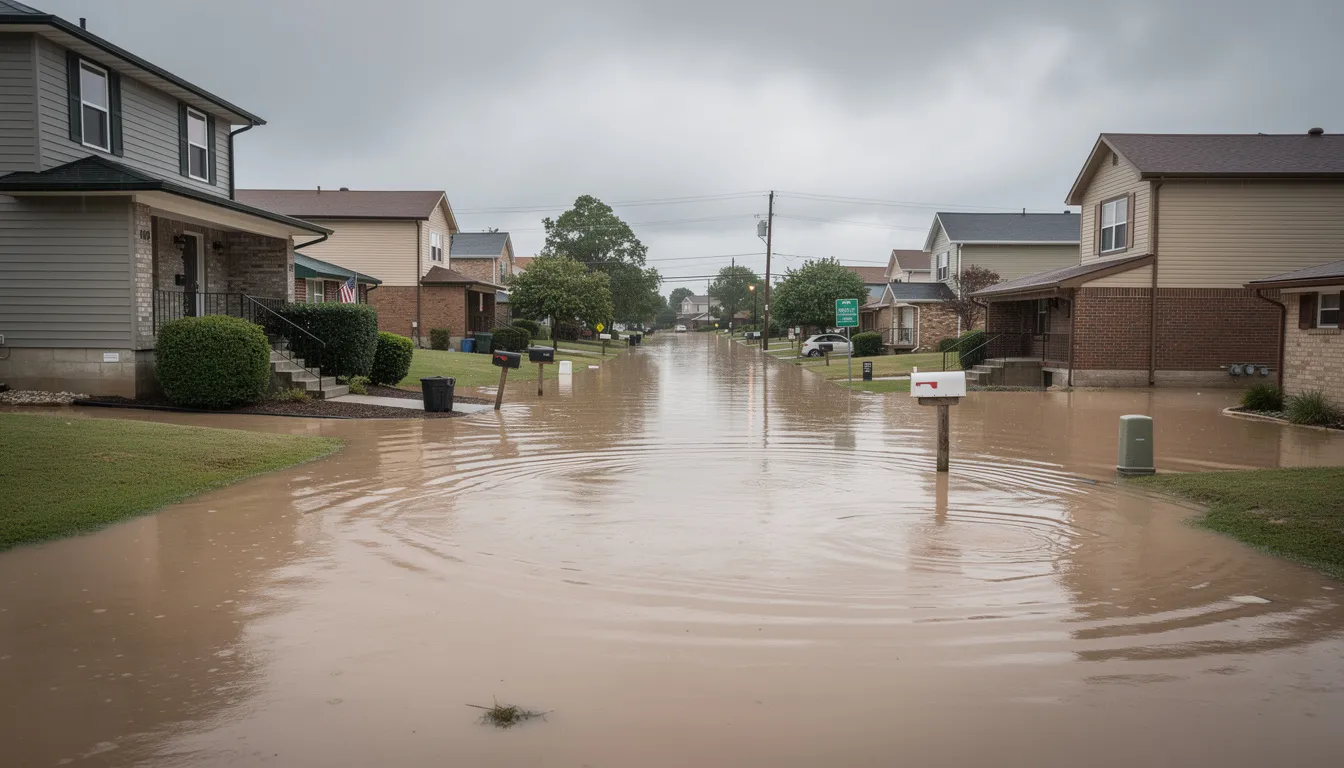
Austin sits in the heart of what meteorologists and emergency management officials call Flash Flood Alley. The Texas Hill Country terrain—steep slopes, thin soils with low permeability, and rocky limestone substrate—means that heavy rainfall has nowhere to go but downhill, fast. When intense thunderstorms fueled by Gulf moisture stall over Central Texas, rainfall rates can exceed 3–5 inches per hour, overwhelming creeks and drainage systems within minutes.
The July 2025 floods were driven by a mesoscale convective system that parked over the Highland Lakes and Hill Country, dumping excessive rainfall that exceeded half of Austin’s typical annual total in just a few days. Meteorological conditions leading to these floods were up to 7% wetter compared to similar past events, and natural variability alone cannot explain these changes. This pattern sent creeks like Bull Creek, Shoal Creek, Onion Creek, and the San Gabriel River into rapid, dangerous rises.
Several factors combine to make Austin particularly flood-prone:
-
Steep terrain and thin soils: Water runs off hillsides instead of soaking into the ground, causing rapid accumulation in low-lying areas
-
Urbanization: Over 40% of Austin is covered by impervious surfaces like roofs, parking lots, and streets, which accelerate runoff by 5–10 times compared to natural landscapes
-
Intense storm patterns: Climate change is linked by scientists to heavier downpours, with 20–30% more extreme rain events in Central Texas since the 1950s. The 2021 IPCC report found that climate change is increasing the frequency and intensity of extreme heavy rainfall events and flash floods. A warming atmosphere holds more water, leading to increased downpours and greater flood risk.
-
Creek-adjacent development: Many Austin neighborhoods sit near historically flood-prone waterways
The percent chance of a so-called 100-year flood event is actually 1% in any given year, a statistic used in floodplain designations and insurance risk assessments.
Understanding your local flood risk isn’t just academic—it’s essential for protecting your home and family. Austin residents need a clear plan for flood safety, documentation, and professional restoration before the next major storm arrives.
Flood-Prone Areas and Emergency Alerts
Certain areas in Central Texas are especially vulnerable to flooding, including Williamson County, Travis County, and Kerr County. Western Williamson County, with its rural landscape and proximity to creeks and rivers, often faces heightened flood risk during major storms. The National Weather Service plays a critical role in issuing flash flood warnings and emergency alerts, helping residents stay ahead of rapidly changing conditions.
However, the effectiveness of these alerts depends on accurate weather forecasts, reliable monitoring systems, and the ability of local officials to communicate quickly with the public. In recent years, improvements in technology have allowed for more targeted emergency alerts, but it’s still vital for residents to pay close attention to warnings and be ready to seek higher ground at a moment’s notice. Local officials in flood-prone areas work tirelessly to keep communities informed, but personal preparedness remains key to staying safe during severe weather in Texas.
Safety First After Flooding in Your Austin Home
Personal safety must come before property concerns after flash flooding, especially in areas like northwest Austin, Cedar Park, Leander, and Georgetown that saw significant water during recent events.
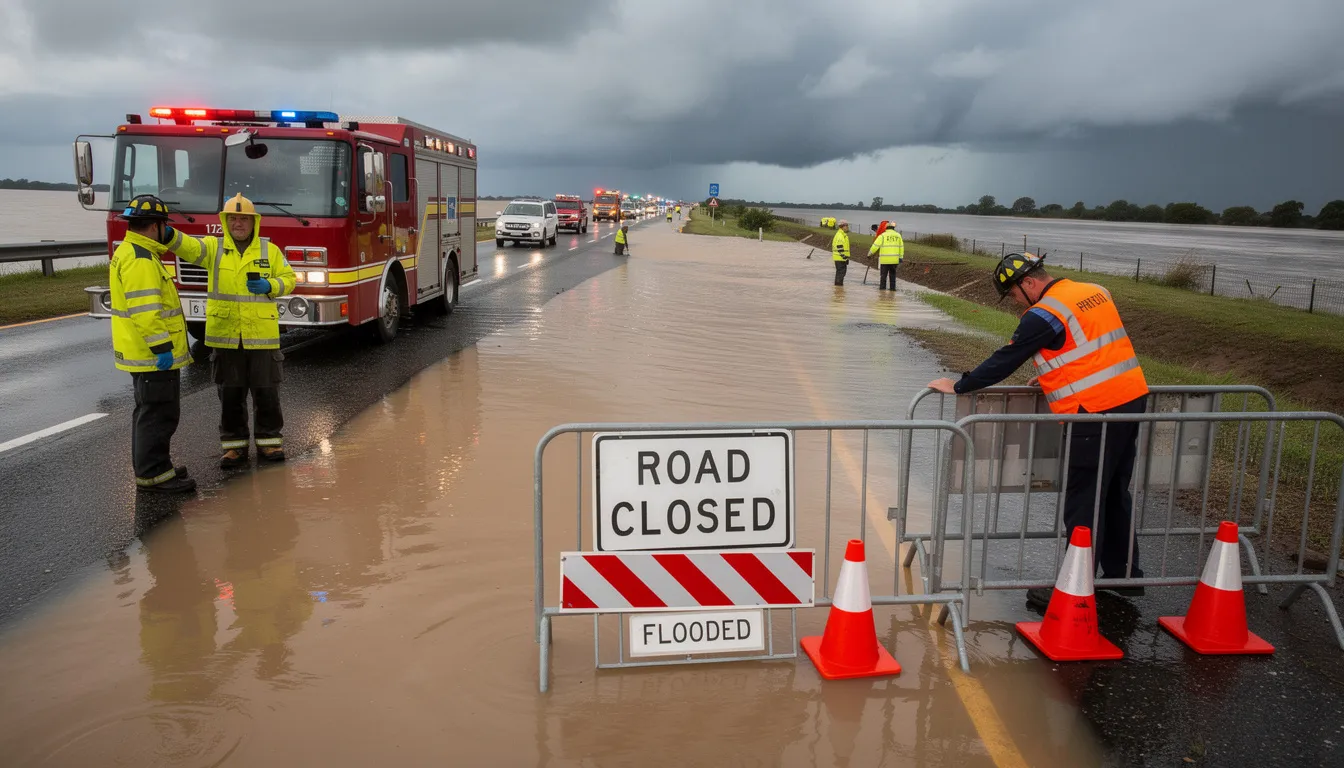
Do not drive through flooded roads. The National Weather Service reminds us that “Turn Around, Don’t Drown” saves lives—approximately 50% of all flash flood deaths in the United States are vehicle-related. During the July 2025 storms, swift water rescue teams from Austin Travis County EMS and surrounding agencies performed dozens of water rescues from vehicles swept off low water crossings. Floodwaters hide road washouts, debris, and drop-offs that can trap or sweep away vehicles in seconds.
Before re-entering your home after flooding:
|
Safety Check |
Action Required |
|
Structural integrity |
Do not enter if you see foundation cracks, leaning walls, or visible structural movement |
|
Electrical hazards |
Have the utility company or a licensed electrician turn off power if panels, outlets, or wiring were submerged |
|
Gas leaks |
If you smell gas, leave immediately and call your gas provider |
|
Contamination |
Assume floodwater contains sewage, chemicals, and debris until proven otherwise |
If you or your family have immediate needs for shelter, clothing, food, or water, call the Red Cross at 1-800-733-2767.
When you do enter, wear protective gear, including rubber boots, waterproof gloves, and an N95 mask. Floodwater in Austin often carries contaminants from overwhelmed storm drains, creek overflows, and upstream sources. As you re-enter, it is important to assess damage by inspecting your property, taking photographs, and reporting any destruction to your insurance company or local authorities.
Once immediate danger has passed, call Lightspeed Restoration of Austin, an emergency flood cleanup company, at 512-428-8309 for a rapid on-site assessment and mitigation plan. For a full overview of our Austin flood damage cleanup services, visit our flood damage cleanup guide.
Documenting Flood Damage for Insurance in Austin
Thorough documentation within 24–48 hours of flooding is essential for insurance claims. Whether you’re filing with a standard homeowners policy, a separate flood insurance policy through the National Flood Insurance Program, or seeking FEMA assistance, clear evidence of damage strengthens your case.
Photo and video documentation checklist:
-
Take wide-angle shots of each affected room, showing overall water lines and the extent of damage
-
Capture close-up photos of damaged flooring, baseboards, drywall, cabinets, and trim
-
Document contents damage: furniture, electronics, appliances, clothing, and personal items
-
Photograph water lines on walls (the high-water mark often shows on paint or drywall)
-
Record video walking through affected areas, narrating what you see
After documenting the damage, it’s important to thoroughly assess it and submit a damage report for your home or business through the Individual State of Texas Assessment Tool (iSTAT).
Don’t forget exterior damage:
-
Foundation cracks or erosion
-
Washed-out driveways and landscaping
-
Damaged fences, retaining walls, and outbuildings
-
Debris lines left by floodwater on your property
Keep a written inventory of damaged items with approximate values and ages. Save all receipts for emergency expenses, including hotel stays, fans, dehumidifiers, food, and temporary repairs. These costs may be reimbursable depending on your coverage.
Important insurance note: Standard homeowners insurance typically does not cover flood damage from water entering the home from outside. A separate flood insurance policy is required for most flood-related claims. If your property is in a special flood hazard area, you may have been required to carry this coverage. Contact your insurance agent immediately to open a claim and clarify your coverage. Be sure to document all property damage in detail, as thorough records are crucial for insurance and recovery purposes.
Lightspeed Restoration of Austin provides moisture readings, drying logs, and detailed estimates that help support insurance claims for Austin-area properties. This documentation can be valuable when working with adjusters.
Common Types of Flood Damage in Austin Homes
Flood damage differs fundamentally from a typical plumbing leak. When floodwaters enter a home, they often affect multiple rooms simultaneously, compromise structural components, and create air quality concerns that require professional attention. Floods in Austin, TX, can cause extensive property damage to homes and infrastructure, making it crucial for residents to assess damage by inspecting their property, taking photographs, and reporting losses to insurance or local authorities as part of the recovery process.
Structural Damage
Austin homes—whether slab-on-grade, pier-and-beam, or basement construction—experience similar patterns of structural damage after flooding:
|
Material |
Common Damage |
|
Drywall |
Saturation to the waterline plus 12–24 inches above due to wicking; often requires removal |
|
Insulation |
Wet fiberglass or cellulose loses R-value and harbors contaminants; must be replaced |
|
Wood framing |
Can begin to warp, swell, or develop mold if not dried quickly |
|
Subfloors |
Plywood and OSB swell and delaminate; solid wood may cup or buckle |
|
Baseboards and trim |
MDF products crumble when wet; solid wood may be salvageable with proper drying |
Flooring Damage
Different flooring materials respond to flooding in different ways:
-
Carpet and padding: Padding almost always requires replacement; carpet may be salvageable depending on water type and time wet
-
Hardwood: Cupping, crowning, and buckling are common; some floors can be dried and refinished, others require replacement
-
Laminate: Typically cannot be saved once saturated; seams separate and backing deteriorates
-
Tile: Often salvageable if the subfloor beneath dries properly; grout may need resealing
-
Luxury vinyl plank: Usually salvageable if removed, cleaned, and reinstalled after subfloor dries
Electrical and HVAC Systems
Flooding creates serious electrical hazards. Submerged outlets, switches, and wiring inside walls must be inspected by licensed electricians before the power is restored. HVAC systems—especially furnaces and floor-level air handlers—may have compromised motors, controls, and ductwork. Running contaminated systems can spread mold spores and bacteria throughout your home.
Contamination Issues
Floodwater in Austin frequently carries contamination from:
-
Overwhelmed storm drains are mixing with sanitary sewers
-
Creek overflows (Bull Creek, Shoal Creek, Onion Creek), carrying upstream debris and pathogens
-
Agricultural runoff in rural areas
-
Vehicle fluids from flooded roads and parking areas
This contamination turns what might seem like “clean” rainwater into Category 2 or Category 3 water—requiring professional cleaning, disinfection, and in many cases, removal of affected materials.
Professional Flood Damage Restoration in Austin, TX (Lightspeed Restoration)
Lightspeed Restoration of Austin is a local, professional water and flood damage restoration company serving only the Austin, TX area. When flooding strikes your home, you need a team that understands Austin’s unique building types, common flood-prone areas, and the urgency required after Central Texas weather events. In the immediate aftermath of major floods, rescue crews and the Texas National Guard play a critical role in initial rescue operations and disaster response, ensuring residents' safety and supporting emergency evacuations.
Call 512-428-8309 for 24/7 emergency response to homes and small businesses affected by Austin-area flooding.
Technicians are dispatched rapidly across Austin to begin the flood damage restoration process and prevent further structural damage. Upon arrival, trained professionals assess damage as the first step in the restoration process, performing a detailed moisture inspection using specialized meters and infrared cameras to identify hidden water in walls, cabinets, subfloors, and other concealed spaces. After significant flooding, FEMA activated several task forces to support recovery efforts and local restoration and cleanup.
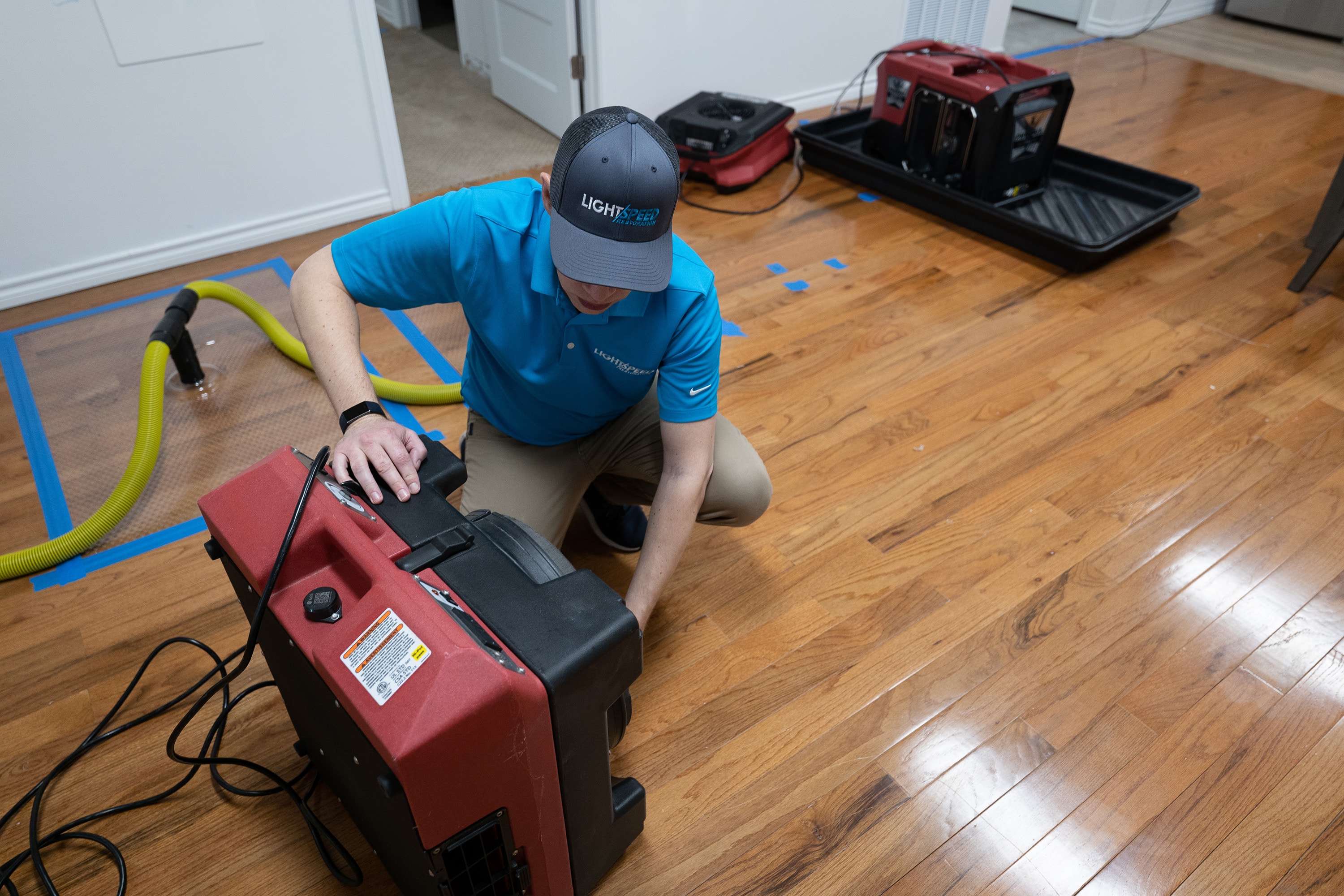
Lightspeed Restoration adheres to industry standards (IICRC S500) for water damage mitigation and works directly with many insurers, when permitted, to streamline the claims process. The team prioritizes salvageable materials and belongings, explaining each step clearly so homeowners understand the timeline, scope, and costs involved.
Our Austin Flood Restoration Process Step by Step
1. Intake and Assessment
When technicians arrive, they conduct a comprehensive walkthrough to assess the situation. This includes checking for electrical safety, structural concerns, and contamination level. Documentation begins immediately—photos, moisture readings, and notes that support both the restoration plan and your insurance claim.
2. Water Extraction
Professional flood water removal services include the use of truck-mounted or portable extraction units. These systems can pump 100–500 gallons per minute, far exceeding what consumer-grade equipment can achieve. Water is extracted from floors, carpets, and wall cavities where it may have accumulated.
3. Material Removal (Controlled Demolition)
Heavily saturated, non-salvageable items are carefully removed. This typically includes:
-
Wet carpet padding
-
Drywall saturated beyond recovery
-
Contaminated insulation
-
Damaged baseboards and trim
All debris is disposed of according to local regulations, and affected areas are prepared for drying.
4. Cleaning and Disinfection
After extraction and demo, affected structural surfaces receive appropriate antimicrobial treatments to reduce mold and bacterial growth. This step is especially critical after Category 3 water events involving flood water.
5. Drying and Dehumidification
Industrial air movers and commercial dehumidifiers are strategically placed throughout affected areas. Plastic containment may be used to focus drying efforts on specific rooms or zones. Technicians monitor moisture levels daily with meters and data loggers, adjusting equipment placement until all materials reach safe moisture levels (typically below 15% for wood and below 1% for drywall).
6. Odor Control and Final Verification
Deodorization addresses any lingering musty smells from flood damage. A final moisture verification confirms that all materials have reached acceptable levels. Homeowners receive a walkthrough to review the completed work before repairs or reconstruction begin.
Why Fast Action Matters: Mold, Health, and Long-Term Costs
In Austin’s warm, humid climate, mold can begin growing on wet building materials within 24–48 hours. At temperatures above 70°F and elevated humidity—conditions that characterize most Austin summers—mold spores, always present in the air, can colonize damp surfaces and spread rapidly.
The cost of delay is high:
|
Response Time |
Typical Outcome |
|
Within 24 hours |
Best chance of saving drywall, flooring, and contents; straightforward drying job |
|
48–72 hours |
Mold growth may begin; some materials may require removal |
|
1 week or more |
70% of untreated flood losses develop visible mold; the remediation scope and cost increase dramatically |
Delayed response can transform a manageable drying project into a full mold remediation effort requiring more demolition, specialized containment, and significantly higher costs—often 2–5 times what early intervention would have required.
Health impacts are also a concern. Prolonged exposure to mold affects vulnerable populations most severely:
-
Children and older adults
-
People with asthma, allergies, or respiratory conditions
-
Anyone with a compromised immune system
Symptoms can include respiratory irritation, headaches, fatigue, and a lingering indoor air quality problem that persists long after visible water is gone.
Beyond mold, wet structural materials can weaken over time. Framing lumber warps, subfloors lose structural integrity, tile loosens, and persistent musty odors become embedded in materials—all of which hurt your home’s livability and resale value.
Don’t wait for visible mold or strong odors before calling 512-428-8309 for mitigation help. Even if insurance decisions are pending, initial extraction and drying are critical steps that insurers typically recommend to reduce the total loss.
Community Resources and Support
When disaster strikes, community resources and support networks become lifelines for affected families. Organizations like the Austin Disaster Relief Network (ADRN) mobilize quickly to provide emergency supplies, volunteer cleanup crews, and survivor support services. These efforts are crucial in the immediate aftermath of flooding, helping residents meet their basic needs and begin the recovery process.
Local governments, including the City of Austin, also play a pivotal role by offering emergency alerts, opening cooling centers, and sharing up-to-date recovery information. These resources help residents navigate the challenges of disaster recovery, from finding shelter to accessing cleanup assistance. By working together, community organizations and local governments ensure that no one faces the aftermath of a flood alone.
Flood Preparedness and Prevention Tips for Austin Residents
While no homeowner can completely prevent extreme flood events like those in July 2025, practical steps can reduce damage when the next severe weather event occurs.
Stay informed with monitoring systems and emergency alerts:
-
Sign up for WarnCentralTexas.org for weather alerts specific to Travis County and surrounding areas
-
Check ATXFloods.com for real-time low water crossing closures across Austin
-
Follow Austin Travis County EMS and local officials on social media during storm events
-
Enable flash flood warning notifications through your phone’s weather app
-
Pay close attention to road closures during flooding events, and never drive around barricades—doing so puts you and first responders at risk.
Home improvements that reduce flood vulnerability:
-
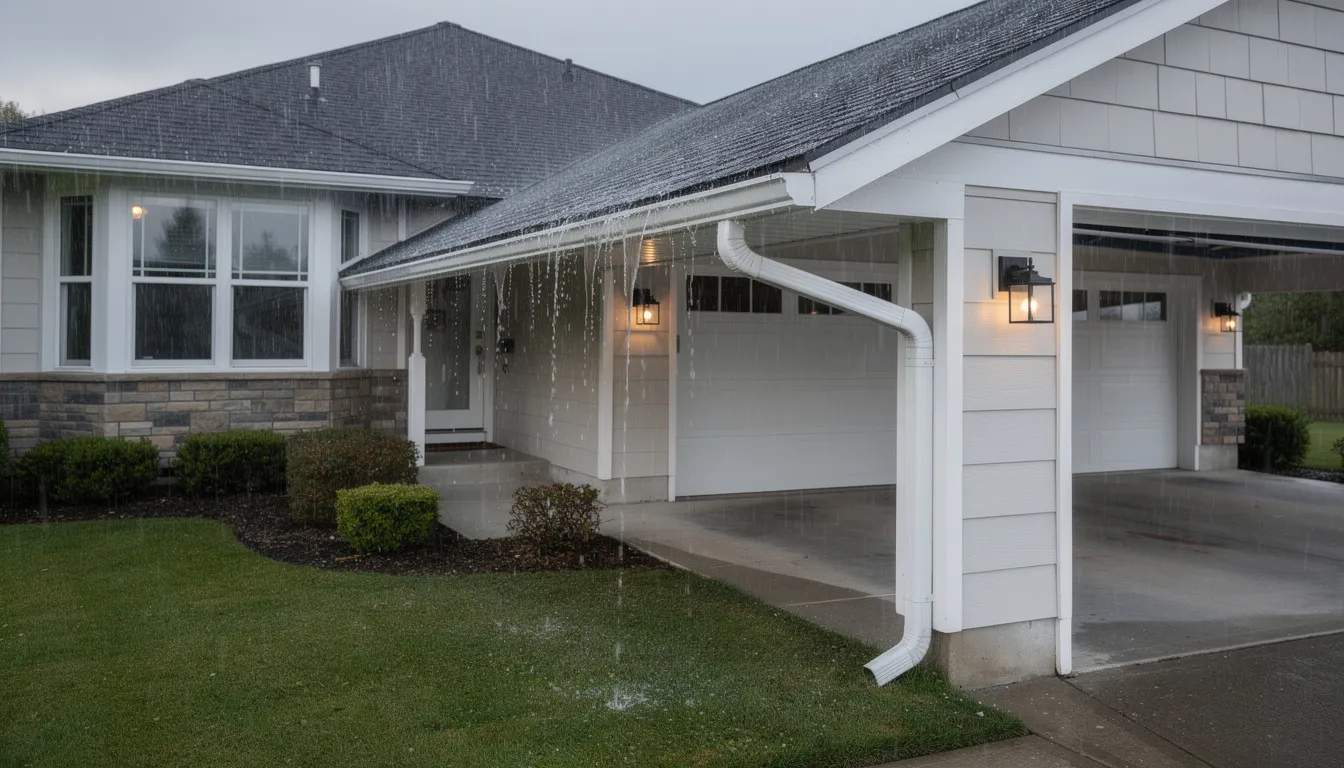
Maintain gutters and downspouts, directing water at least 6 feet from your foundation
-
Grade the soil away from the foundation to prevent pooling
-
Keep yard drains and curb inlets clear of leaves, debris, and lawn clippings
-
Consider installing backflow prevention valves if you have a basement or low-level drains
-
In flood-prone areas, explore options for flood vents or barriers
Protect valuables before storms hit:
-
Relocate important documents, electronics, and irreplaceable items above known flood-prone levels
-
Keep digital copies of critical documents in cloud storage
-
If you live near a creek or in a historically flooded area, consider elevated storage solutions
Review your insurance and understand your flood risk:
-
Check FEMA floodplain maps to see if your property is in a special flood hazard area
-
Talk to your insurance agent about separate flood insurance—standard homeowners policies typically exclude flood damage
-
Understand your coverage limits, deductibles, and documentation requirements before you need to file a claim
-
Be aware that a "100-year flood" actually means there is a 1 percent chance of such a flood occurring in any given year. This percent chance is important for floodplain designations and insurance requirements.
After a flood, remember to assess damage by carefully inspecting your property, taking photographs, and documenting everything for insurance or authorities as part of your recovery process.
Save Lightspeed Restoration of Austin’s number—512-428-8309—in your phone now. When water enters your home during a future storm, you’ll be ready to call immediately instead of searching for help while damage compounds.
Long-Term Recovery and Rebuilding
Recovering from a major flood is a long-term process that requires coordination among local officials, emergency management teams, and community members. After the immediate danger has passed, the focus shifts to assessing damage, developing recovery plans, and rebuilding homes and infrastructure. This process often involves multiple layers of government, from city and county agencies to state and federal partners.
Patience and perseverance are essential, as recovery efforts can take months or even years. Community members play a vital role by participating in planning meetings, sharing feedback, and supporting one another through the challenges of rebuilding. By working together, local officials and residents can develop strategies to mitigate future flood risks and build a more resilient Central Texas.
FEMA Response and Support
The Federal Emergency Management Agency (FEMA) is a cornerstone of disaster recovery efforts in Texas. When a disaster declaration is issued—such as the one for Kerr County after the July 2025 floods—FEMA provides financial assistance, technical expertise, and critical resources to help communities recover. This support includes grants for temporary housing, home repairs, and other essential needs.
FEMA’s National Flood Insurance Program (NFIP) also plays a key role in helping property owners manage flood risk and recover from losses. However, the effectiveness of FEMA’s response depends on accurate flood risk assessments, strong coordination with local officials, and the agency’s ability to adapt to the unique challenges of each disaster. By working closely with local governments and community members, FEMA helps ensure that recovery efforts are as effective and efficient as possible.
Why Choose Lightspeed Restoration of Austin for Flood Damage
When flood damage strikes your Austin home, you need a restoration company that understands the local landscape—not a generic national call center or an out-of-area contractor unfamiliar with Central Texas conditions.
What sets Lightspeed Restoration of Austin apart:
-
Local focus: The company serves only Austin, TX, with deep familiarity of neighborhoods from downtown to the suburbs, common building types, and recurring flood trouble spots throughout the city
-
Rapid response: Crews are prepared for flash flood scenarios common in the Austin area, with equipment ready to deploy during major Central Texas weather events
-
Trained technicians: Background-checked professionals follow industry standards (IICRC) and use commercial-grade drying, extraction, and cleaning equipment appropriate for flood losses
-
Insurance coordination: The team provides clear documentation—moisture readings, drying logs, photos, and detailed estimates—and can work with insurers to streamline the claims process
-
Transparent communication: Homeowners receive clear explanations of scope, costs, and timelines at every step
After natural disasters like the July 2025 floods, demand for restoration services surges. Having a trusted local provider means faster response times and a team that understands the urgency of your situation.
Call 512-428-8309 right away if you’re dealing with flood damage anywhere in Austin, TX. The sooner mitigation begins, the more of your home and belongings can be saved.
Frequently Asked Questions About Flood Damage in Austin, TX
How do I know if the water in my home is contaminated?
Assume contamination if floodwater entered from outside sources like creeks, storm drains, or street flooding. Signs of Category 2 or Category 3 water include gray or black discoloration, sewage odors, visible debris, and any connection to known contaminated sources. Contaminated water requires professional-grade personal protective equipment and thorough disinfection—not just drying. When in doubt, treat all floodwater as potentially hazardous and call professionals for assessment.
Can I stay in my Austin home during flood cleanup?
It depends on the extent of damage. If power has been safely restored, contamination is limited to a small area, and critical spaces like bedrooms and bathrooms are unaffected, limited occupancy may be possible. However, if contaminated water affected large portions of the home, if mold growth has begun, or if electrical systems were submerged, temporary relocation is typically safer and allows crews to work more efficiently. A professional assessment from Lightspeed Restoration of Austin can help you make this decision.
How long does professional flood drying usually take?
Most flood drying projects in Austin take 3–7 days. However, the timeline varies based on several factors: the volume of water involved, which materials were affected (concrete and hardwood take longer than drywall), ambient humidity levels, and how quickly extraction and drying begin. Technicians monitor moisture levels daily and adjust equipment as needed. Rushing the process can leave hidden moisture, which can lead to mold growth later.
Do I need to replace all my drywall and flooring after a flood?
Not necessarily. Whether materials can be saved depends on the height of the water, the rate of drying, the water's contamination level, and the specific materials involved. Clean water that affected only the bottom few inches of drywall and was addressed within 24 hours may allow in-place drying. Heavily contaminated water, prolonged saturation, or damage extending more than 24 inches up the wall typically requires removal. A professional moisture assessment from Lightspeed Restoration of Austin can determine exactly what needs replacement versus what can be dried and saved.
When should I call a professional rather than handle flood damage myself?
Call a professional for any flooding that involves standing water more than a few inches deep, affects walls or insulation, involves contaminated water from creeks or sewage, or impacts electrical systems or HVAC equipment. DIY attempts to address significant flood damage often miss hidden moisture in wall cavities and subfloors, leading to mold growth weeks or months later. Professional equipment extracts water faster, dries materials more thoroughly, and addresses contamination properly. For any flood damage beyond a minor, contained spill, call Lightspeed Restoration of Austin at 512-428-8309 for professional assessment and mitigation.
Causes of Flooding in Austin and Central Texas
Flooding in Austin and Central Texas is driven by a combination of natural and environmental factors unique to the region. The Texas Hill Country’s steep slopes and rocky terrain mean that when heavy rainfall occurs—especially during severe weather—water runs off quickly, leading to flash flooding. Central Texas is particularly vulnerable because the ground often cannot absorb heavy rainfall, causing rapid rises in creeks and rivers.
The area’s location near the Balcones Escarpment further increases flood risk. Here, warm, moist air from the Gulf of Mexico is forced upward, cooling and condensing into intense downpours that can trigger severe flooding within hours. Climate change is also contributing to more frequent and intense storms, with scientists noting a rise in excessive rainfall events across the Hill Country. As a result, Austin and surrounding communities continue to face flash-flooding challenges and must remain vigilant during periods of heavy rainfall.
Austin Area Flooding Updates
In recent years, the Austin area has faced a series of major flooding events that have tested the resilience of local communities. The most recent disaster, which struck over the July 4th weekend in 2025, brought devastating consequences to Travis, Williamson, and Burnet counties. The National Weather Service issued a flash flood warning as torrential rain inundated the region, prompting emergency management officials to urge residents to seek higher ground and avoid unnecessary travel.
Throughout the event, Austin-Travis County EMS and other first responders carried out numerous water rescues, saving lives as floodwaters rose rapidly. The Texas National Guard was deployed to assist with rescue operations, providing critical support to local agencies. County officials quickly declared a disaster and mobilized resources to support affected neighborhoods in their recovery. These major events underscore the importance of staying alert to emergency alerts and following local officials' guidance during flooding in the Austin area.
Flash Flooding Safety Tips for Austin Residents
Staying safe during flash flooding in Austin requires preparation, awareness, and quick action. Residents should sign up for emergency alerts from the City of Austin or Travis County to receive real-time updates about severe weather and flood risk. Knowing whether your home is in a flood-prone area or near a creek or river is essential, as these locations are especially vulnerable during heavy rainfall.
When flash flooding is possible, avoid travel unless necessary, and never attempt to drive through flooded roads or low-water crossings—these areas can become dangerous in seconds. If local officials issue evacuation orders or advise you to seek higher ground, do so immediately. Protect your property by elevating electrical outlets, installing a sump pump, and considering flood insurance to help cover potential losses. By staying informed, following emergency alerts, and taking proactive steps, Austin residents can reduce their risk and stay safe during severe flooding events. If you need house flooding cleanup in Austin, call Lightspeed Restoration of Austin at 512-428-8309.