

When water enters your home, flood damage home repair starts with speed, safety, and the right help. Austin sits in Flash Flood Alley, so heavy rain can turn into a water emergency fast. If you discover flood damage, call Lightspeed Restoration of Austin at 512-428-8309 for fast response, emergency services, water removal, and a damage assessment.
Immediate steps to take in the first 24 hours after flood damage
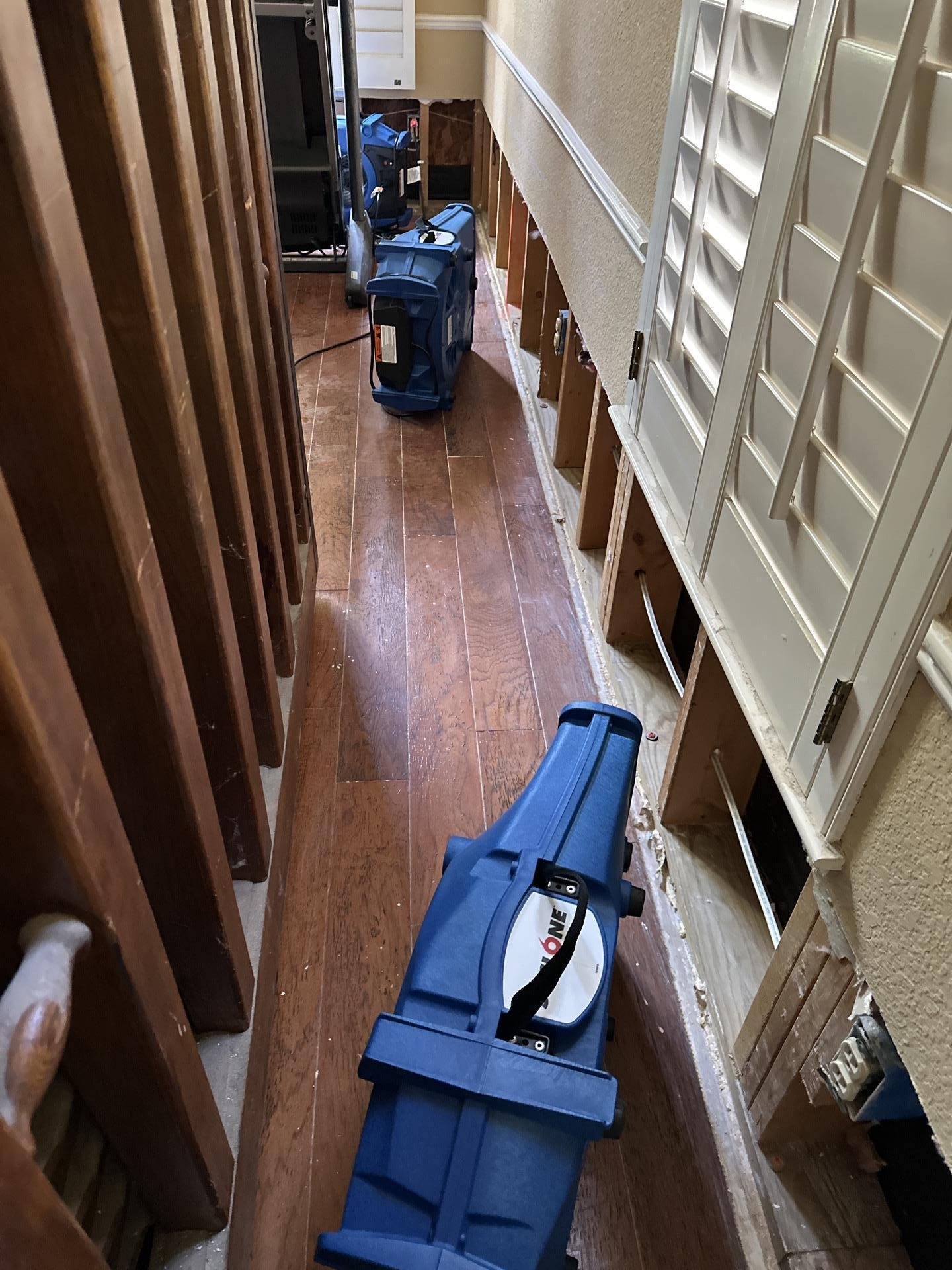
The first 24 hours matter because wet drywall, insulation, wood, carpet padding, and cabinets absorb excess water quickly. Mold growth can start developing within 24 to 48 hours after flooding begins, and delays can increase structural damage, restoration costs, and the need for major damage repairs.
Follow these steps:
-
Stay out until safe. Safety is the absolute priority when managing residential flood repairs, followed by stopping moisture to prevent mold growth.
-
Shut off the main water supply to prevent further flooding and turn off electricity at the main breaker before entering flooded areas to avoid electrical hazards.
-
Utilities should be checked and turned off at the main breaker or fuse box to avoid electrocution or gas leaks before entering a flooded home.
-
Avoid entering affected areas if electrical outlets, switches, or electrical equipment are exposed to water to prevent electrocution risks.
-
Do not drive through flooded Austin streets.
-
Call professional flood damage restoration services at 512-428-8309.
Homeowners in South Austin, Round Rock, Pflugerville, and low-lying neighborhoods near creeks should avoid walking in standing water. Flood waters can hide sharp debris, energized electrical systems, sewage backups, and contaminated water.
Before cleanup, document damage with time-stamped photos and video of every room, wall, floor, and damaged item. Document the damage by taking photos and videos of affected areas and items, as this is crucial for insurance claims processing. Documentation helps protect the insurance claims process.
Staying safe: electrical, structural, and health risks after a flood
Central Texas floodwaters may contain bacteria, road oil, fertilizers, chemicals, and sewage. Contaminated floodwater creates health risks and serious health risks, especially when occupants have asthma, allergies, cuts, or immune concerns.
Check the structure before entry. Ensure the structure’s safety by checking for sagging ceilings, foundation cracks, or leaning walls before entering a flooded home. In Austin slab homes, water can seep at slab edges; in pier-and-beam homes, crawlspaces may trap water. Warning signs include sagging floors, cracked walls, doors that no longer close, and visible structural damage.
Water damage can be categorized into three types: clean water, gray water, and black water, each with different levels of contamination and required cleanup processes. Waterproof boots, gloves, and a face mask like an N95 are recommended protective gear when handling flood cleanup.
Mold spores, contaminated dust, and poor indoor air can remain invisible. Lightspeed Restoration follows IICRC-style safety practices during the restoration process and uses HEPA filtration where needed to reduce airborne contaminants.
First DIY actions homeowners can safely take before professionals arrive
Only take these steps if the water is shallow, the source appears clean or mildly contaminated, and the structure feels stable.
Move personal belongings, documents, laptops, photo albums, stuffed animals, and other personal items to a dry room if paths are safe. Separate salvageable items from soaked materials.
To reduce furniture staining, place aluminum foil or wood blocks under furniture legs. Remove and prop up wet upholstery cushions for even drying, and place aluminum foil or wood blocks between furniture legs and wet carpeting to prevent damage.
For small wet areas, blot with towels or mop. Remove as much excess water as possible by mopping and blotting, and use fans and dehumidifiers to assist in drying the area only after outlets are confirmed safe. Avoid household wet vacuums, a shop vac, or plugging fans into wet floors or outlets. Do not rely on open windows during humid Austin weather, though they may help briefly if outdoor air is dry and conditions are safe.
Do not remove glued-down flooring, drywall, or insulation yourself. That can spread contaminants and complicate insurance claims. The best DIY step is to document everything, then call 512-428-8309 so controlled water extraction and drying can begin.
Understanding the professional flood damage restoration process
Flood damage home repair is a systematic process. Professional restoration services involve a systematic process that includes water extraction, drying, cleaning, and repairing affected areas to restore properties to their pre-loss condition.
For Lightspeed Restoration of Austin, the restoration process typically includes inspection, water extraction, structural drying, flood damage cleanup, repairs, and final verification. The water damage restoration process typically begins with an emergency response to remove standing water and prevent further damage, followed by drying and monitoring to ensure all moisture is eliminated.
A small bathroom overflow may take 3–5 days. Whole-home flooding from a spring storm may take longer. The goal is not surface dryness; it is to restore water damage safely and prevent hidden moisture, warped framing, and mold growth.
Initial inspection and moisture mapping
On the first visit, technicians inspect affected rooms, attic areas, under-sink spaces, slab edges, and the source of flood and water damage. They use infrared cameras, thermal imaging, and moisture meters to locate water behind baseboards, in wall cavities, under tile, and beneath vinyl plank flooring.
A moisture meter should be used to ensure wood framing drops below 15% moisture content before closing walls. Findings are documented with photos, notes, measurements, and moisture maps for the work plan and the insurance claims process.
Water extraction and controlled demolition
Truck-mounted and portable extraction units remove water from floors, carpet, and crawlspaces. In many homes, hundreds of gallons must be removed before the drying process can work.
Controlled demolition means removing only unsalvageable materials: soaked carpet padding, buckled laminate, swollen baseboards, and wet lower drywall. Flood damage repair requires strict safety measures, thorough documentation for insurance claims, and the swift removal of porous materials. Materials wet for more than 24–48 hours, especially with contaminated floodwater, often require replacement.
Debris is bagged, labeled, and inventoried for insurance documentation.
Structural drying, dehumidification, and monitoring
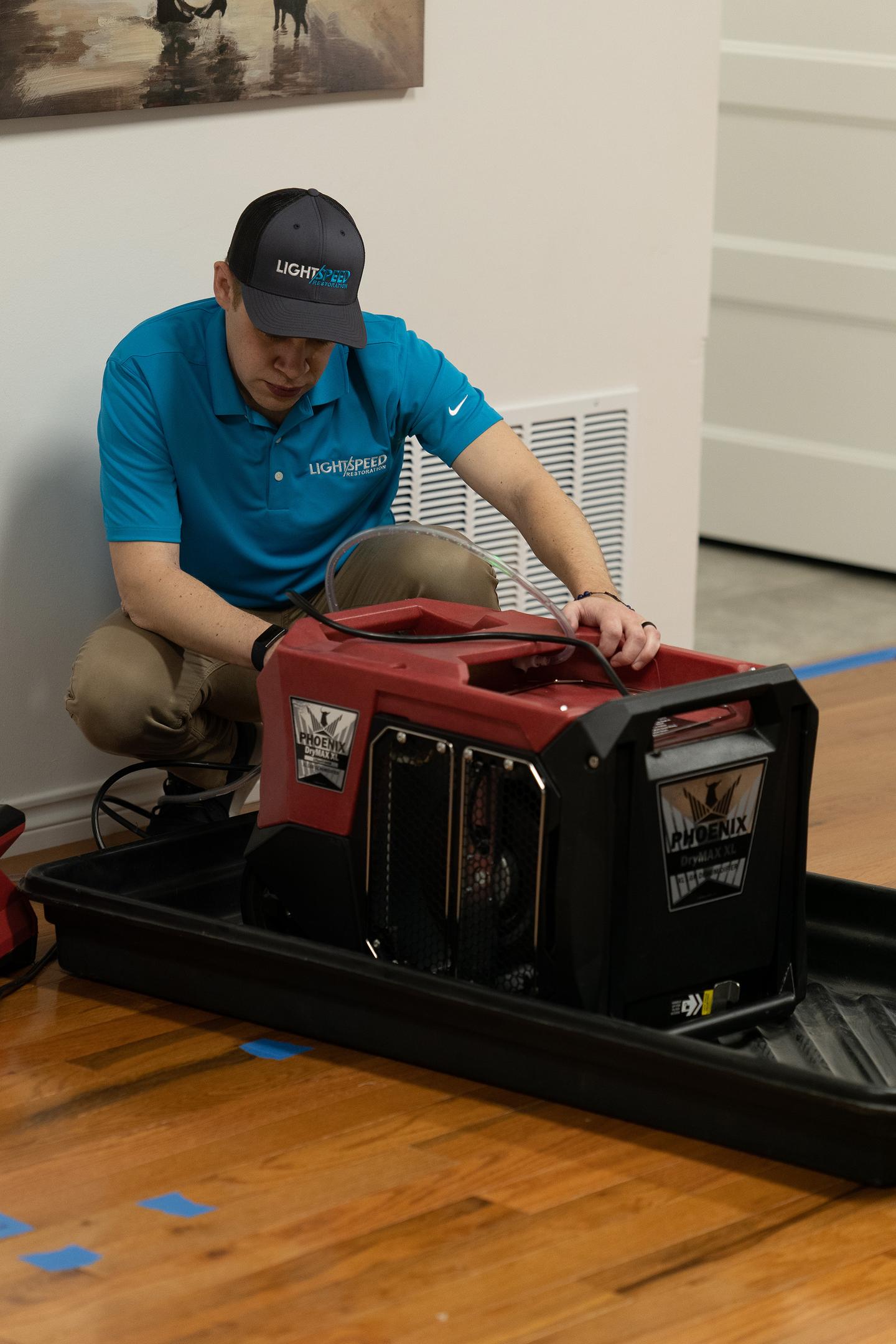
Professional restoration companies utilize specialized equipment such as high-capacity dehumidifiers and air movers to effectively dry out flooded structures and prevent mold growth. Lightspeed crews may use air movers, commercial dehumidifiers, and other specialized equipment to pull moisture from framing, subfloors, and concrete slabs.
Equipment placement depends on square footage, humidity, material type, and severity. Technicians return daily or every other day to take readings, adjust airflow, and run dehumidifiers until safe targets are met. It is important to allow ample time for drying before commencing any rebuilding efforts after flood damage.
Cleaning, sanitation, and odor control
Austin contaminated water may include lawn chemicals, oil from driveways, bacteria, and overloaded storm drain waste. Properly sanitize hard surfaces with a disinfectant solution to kill pathogens after a flood occurs.
Professional cleaning may include EPA-registered antimicrobials, HEPA air scrubbers, deodorizing fogs, and targeted cleaning of HVAC returns or ducts near the affected area. Textiles and soft goods are cleaned with specialized systems or documented if they cannot be safely restored.
Repairs and rebuilding to pre loss condition
Once dry and sanitized, the repair phase begins. Minor repairs may include trim and paint. Larger structural repairs may include drywall, insulation, doors, selected flooring, cabinetry, and framing.
Licensed electricians and HVAC technicians should inspect and repair systems before power is restored after extensive flood damage. Licensed plumbers should inspect supply lines if the loss involved burst pipes or plumbing failure. The final goal is returning the home to pre loss condition or better where the policy allows.
Managing mold growth after flooding in Austin
Austin heat and humidity make mold growth a serious concern within 24–48 hours. Early signs include musty odors, green, black, or white discoloration, and allergy-like symptoms that continue indoors.
Visible mold is often only part of the problem. Colonies may hide behind baseboards, cabinets, insulation, and flooring. Basic antimicrobial treatment during the water mitigation process may be enough for limited surface concern, but extensive growth may require full remediation with containment and HEPA filtration.
Mold remediation can significantly increase restoration costs, requiring specialized cleaning solutions and procedures, which adds to the overall expense of flood restoration. Do not scrub large mold patches yourself; scrubbing can spread spores and affect insurance documentation. Lightspeed Restoration of Austin can coordinate mold remediation as part of a full flood damage home repair plan.
Understanding restoration costs for flood-damaged homes
Actual water damage restoration costs in Austin depend on water source, contamination level, square footage, materials, and how long water remained. Restoration costs can be influenced by factors such as the size of the affected area, the type of water involved, and the duration that water remained standing.
The average cost of flood restoration is approximately $3,838, but can vary significantly based on the severity of the flooding and the extent of damage. The cost per square foot for water damage restoration typically ranges from $3 to $7.50, depending on the severity of the damage and the type of water involved.
A small clean-water leak in a Hyde Park bathroom may cost a few thousand dollars. Flood damage repairs and renovations typically range 2x - 3x the mitigation cost when multiple rooms and systems are impacted, reflecting the complex nature of flood restoration. Severe damage involving black water, sewage, or multiple rooms can exceed those ranges.
The typical cost is affected by:
|
Cost factor |
Why it matters |
|
Emergency response |
24/7 labor and mobilization |
|
Water removal |
Pumps, extraction units, and labor |
|
Equipment days |
Dehumidifiers, air movers, monitoring |
|
Demolition |
Disposal of unsafe porous materials |
|
Cleaning |
Sanitizing, odor control, professional cleaning |
|
Reconstruction |
Materials, labor, structural repairs |
|
Final inspection |
Walk-through with owner, odor verification |
Black water cleanup is more expensive because it requires extra PPE, containment, more demolition, and specialized sanitation. For a tailored estimate of flood damage restoration costs in Austin, call 512-428-8309.
Ways to control and reduce restoration costs
Fast action is the best cost-control tool. Calling within hours reduces saturation and can save drywall, cabinets, and flooring. Shutting off the water source, such as a failed water heater in a North Austin garage, limits the affected area.
Good documentation and clear communication with the insurer reduce disputes. Prioritize health, safety, drying, and structural work first; optional upgrades can be phased later.
Insurance coverage, documentation, and the claims process
Insurance can be confusing after natural disasters. Flood damage is specifically defined as water that has entered a home from an external source, such as heavy rainfall or storm surges, while water damage typically refers to issues arising from internal sources like burst pipes.
Many homeowner insurance policies provide some level of coverage for water damage, but the specifics can vary significantly based on the policy and the source of the water damage. Flood damage is typically not covered by standard homeowners insurance policies, and homeowners often need to purchase separate flood insurance through the National Flood Insurance Program or private insurers. In short, homeowners insurance may cover water damage from internal sources, but may not cover flood damage from rising outdoor water.
Call your insurance company as soon as possible, often within 24–48 hours. When filing a claim for flood damage, it is essential to document the damage with photos and videos and to file the claim as soon as possible to ensure coverage.
Create a room-by-room inventory with purchase dates, approximate costs, and photos. Keep receipts for temporary housing, emergency tarping, and authorized safety repairs. Returning to a flooded home requires careful coordination between safety checks, insurance documentation, and professional remediation before rebuilding can begin.
Working with your restoration contractor and adjuster
A coordinated claims process helps reduce delays. If possible, schedule the adjuster and restoration contractor on-site together. Lightspeed Restoration of Austin can provide moisture reports, photos, and line-item estimates many adjusters expect.
Ask what is covered as “like kind and quality” and what counts as an upgrade. Clear scopes help align the contractor, homeowner, and insurer.
Choosing professional flood damage restoration services in Austin
Not all damage restoration companies are equal. Local experience matters because Austin homes face creek flooding, slab-edge seepage, pier-and-beam crawlspace moisture, and fast-changing storms.
Look for:
-
IICRC-informed procedures and trained technicians
-
Proper licensing and insurance
-
24/7 emergency service
-
Clear written estimates
-
Experience with flood damage, water damage cleanup, and reconstruction
-
Ability to handle mitigation, drying, and repairs through pre loss condition
Lightspeed Restoration of Austin is Austin-focused and ready when water damage strikes. For flood damage home repair, call 512-428-8309 any time you discover water in your home.
When DIY is reasonable and when to call professionals
Very small, clean-water spills on tile or sealed concrete can sometimes be handled by homeowners if dried within hours. But call professionals when flooding covers more than a few square feet, affects walls, reaches wiring, involves unknown water, or includes contaminated water.
Crawlspaces, basements, and wet wall cavities are not good DIY candidates. Professional equipment and training are essential to avoid hidden moisture, recurring mold, and long-term structural damage.
Preparing your Austin home before the next flood
After one flood, reduce the odds of repeat damage:
-
Improve grading so water drains away from the slab.
-
Clear gutters and extend downspouts.
-
Elevate water heaters, washers, and critical electrical components where feasible.
-
Install leak detectors and smart shutoff valves on refrigerator, washing machine, and water heater lines.
-
Review insurance coverage annually before Central Texas storm season.
-
Confirm whether you need separate flood insurance.
Flood damage home repair is easier when you already know who to call. Keep Lightspeed Restoration of Austin at 512-428-8309 in your phone so help is ready when the next storm, leak, or flood hits.