

Discovering water under your laminate floors is stressful, but the difference between a minor repair and a full replacement often comes down to the first few hours. Here is exactly what Austin homeowners need to do-step by step.
Key Takeaways
-
Stay calm and take immediate steps: stop the water source, remove standing water with towels or a wet dry vacuum, and keep everyone off the affected area.
-
Mold growth can begin within 24–48 hours under a floating floor, and Austin's high humidity makes hidden moisture especially dangerous. Use a moisture meter to verify the subfloor is completely dry before reinstalling laminate.
-
DIY drying works for minor water events involving clean water and a few affected planks. For large areas, contaminated water, or a soaked subfloor beneath the laminate, call Lightspeed Restoration of Austin at 512-428-8309.
-
Prompt action combined with professional intervention when needed can prevent future water damage and expensive full-floor replacement.
Stay Calm and Take Immediate Steps
You step into the kitchen and the laminate feels soft and spongy underfoot, or maybe a musty smell drifts up near the dishwasher. Resist the urge toward immediate panic. Clear thinking in the next thirty minutes matters more than anything else, because stopping the water source is crucial before any repair work begins-continuing without stopping it is futile.
Immediate steps in order:
-
Shut off the water supply. For a leaking appliance, close the appliance valve. For a plumbing issue like a burst pipe, turn off the main shutoff-typically near the street curb stop or beside the water heater in many Austin homes.
-
Unplug electronics and move furniture away from the wet zone.
-
Keep people and pets off the affected area. Laminate flooring is a floating floor, not nailed down, so walking on wet planks forces excess water deeper between individual planks and into the subfloor.
Your next priority: remove standing water and start lowering humidity levels in the room as fast as possible.
Understanding How Water Affects Laminate Flooring
Laminate flooring construction includes a wear layer, a decorative printed layer, and a core of high-density fiberboard (HDF). That core layer is vulnerable to water damage-it absorbs moisture rapidly at seams, edges, and expansion gaps. Unlike hardwood, water-damaged laminate cannot be sanded or refinished. For homeowners dealing with damaged laminate, hardwood, or other flooring materials, our guide to water damage floor repair explains the repair and replacement options available after water damage.
Even water-resistant laminate sold in 2024–2026 only delays surface penetration. Prolonged standing water still reaches the core through tight seams and transitions. Once water intrusion occurs, here is the typical timeline:
-
Hours 1–12: Edges swell, seams begin to lift, slight cupping appears.
-
24–48 hours: Laminate planks warp or buckle; exposure to moisture leads to separation or lifting of joints.
-
72+ hours: Core damage becomes irreversible; visible warping and discoloration set in.
Austin's average relative humidity frequently exceeds 70–95% in summer mornings, which slows natural drying and increases even mold growth risk on wood subfloors and OSB common in 1990s–2020s Austin construction. Once the core has swollen significantly, those laminate planks usually cannot be saved.
How to Remove Standing Water and Expose the Affected Area
Fast removal of surface water is the first hands-on task. Removing standing water immediately helps prevent further damage to laminate flooring.
-
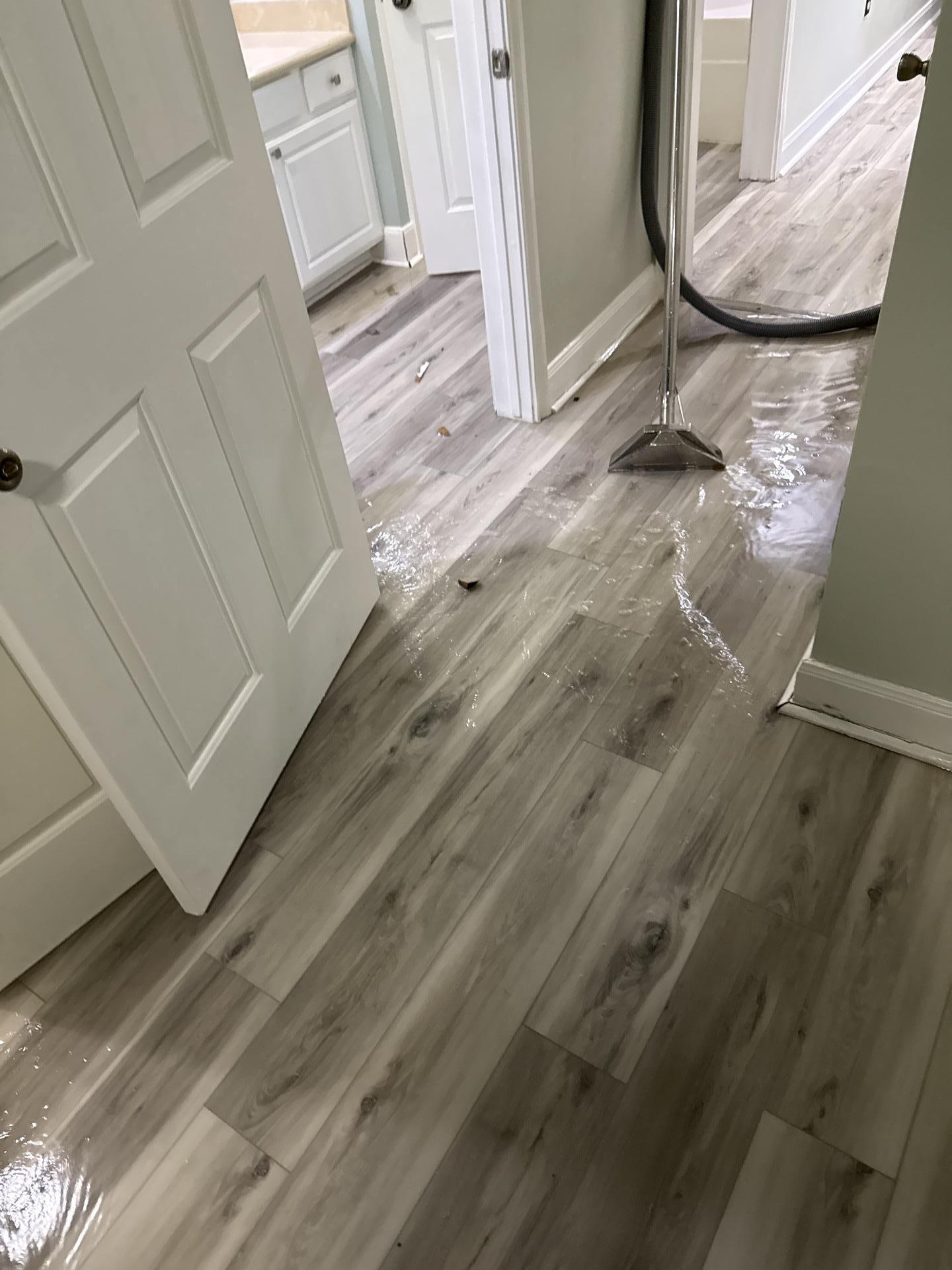
Extract water: Use absorbent towels, mops, or a wet dry vacuum rated for water. Work from dry areas toward the wettest center.
-
Remove baseboards: Carefully remove quarter round or baseboards along the affected wall. Removing baseboards allows for better airflow and moisture control near laminate edges-water can wick several feet beyond the naked eye.
-
Lift affected planks: Locate the nearest expansion gap, unlock the click-together system, and carefully remove individual planks starting from a wall or doorway. Inspect the subfloor for moisture after removing laminate planks.
-
Sort planks: Separate salvageable boards (slightly damp, no swelling) from damaged or swollen laminate planks, which should be replaced rather than reinstalled.
-
Document everything: Photograph the affected planks and the subfloor beneath for your insurance company-especially after a water leak from a burst pipe, overflowing sink, or storm-related water penetration.
Drying Techniques for Water-Damaged Laminate Floors
Once the wet area is exposed, correct drying techniques determine whether your subfloor and remaining flooring can be saved. Professional-grade drying equipment can effectively remove moisture, but here is the DIY approach for minor water events:
-
Position high powered fans or air movers so airflow sweeps across the subfloor surface-not straight down. Good ventilation and air circulation speed evaporation dramatically.
-
Run dehumidifiers continuously, targeting indoor humidity levels below 50%.
-
For a small spill affecting only a few planks, stack lifted boards on edge in a dry room with fans and allow several days for complete drying before reinstalling laminate.
For serious events-a dishwasher line break, washing machine overflow, or any scenario where the floating floor is saturated across a large affected area-household fans are not enough. Restoration professionals use commercial air movers rated 1,500–3,600 CFM and dehumidifiers that extract 15–30+ gallons per day.
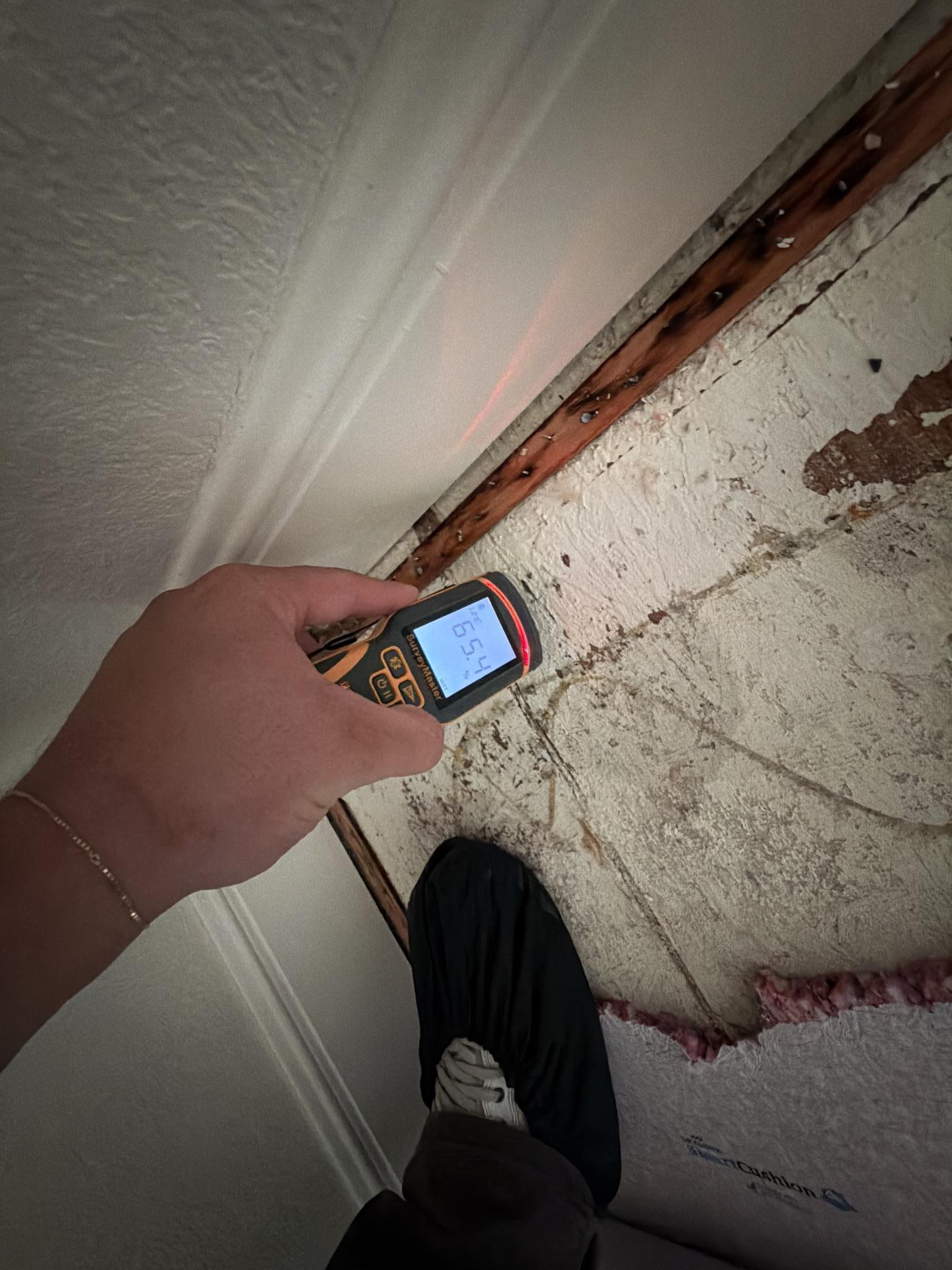
Using a moisture meter is essential to verify that both wood subfloors and concrete subfloors have reached safe equilibrium moisture content before any laminate flooring installation begins. Monitor for mold growth within 24–48 hours after water exposure-the recommended drying timeline to mitigate mold is within that same window.
Preventing Mold Growth and Future Water Damage
Water trapped under laminate flooring can cause irreversible swelling and mold growth. Mold can develop within 24–48 hours after water exposure, and Austin's warm, humid climate puts moisture prone areas at even higher risk. Preventing water from remaining trapped beneath laminate is critical to avoiding mold. If water sits for more than 48 hours, inspecting for mold should occur before closing up the floor again-a detailed inspection for visible mold and mildew growth is necessary.
Signs of hidden mold: persistent musty odors, black or green spotting on underlayment or subfloor, and repeated cupping of new planks.
Prevention tips for Austin homeowners:
-
Wipe up spills immediately-even a small spill left on seams can trap moisture.
-
Place drip pans under refrigerators and washing machines in high risk areas.
-
Inspect dishwasher, ice maker, and water heater connections monthly for any leaking appliance.
-
Install moisture barriers under laminate in moisture prone areas, especially over concrete subfloors and in laundry rooms.
-
Schedule annual plumbing inspections to prevent recurrence of hidden leaks.
If mold growth is suspected under your floating floor or inside walls, call Lightspeed Restoration of Austin for a professional assessment and mitigation.
When to Call Lightspeed Restoration of Austin
Many homeowners can handle discovering water from a recent, clean-water incident affecting a few boards. But when water damage threatens the subfloor, structure, or indoor air quality, professional intervention is necessary for extensive water damage. Contaminated water from sewage or outdoor flooding requires professional remediation for safety.
Call Lightspeed Restoration of Austin immediately when:
-
Water covers more than one room or has been standing longer than 24 hours
-
The water source is contaminated (sewage backup, outdoor flood)
-
The subfloor feels soft or shows soft spots indicating structural damage
-
Visible mold or persistent musty odors remain after initial drying
Lightspeed Restoration brings commercial extractors, high-capacity dehumidifiers, high-velocity air movers, and advanced moisture meters that detect hidden moisture the naked eye cannot see. They provide rapid response across the Austin metro-South Austin, Round Rock, Pflugerville, Cedar Park, and surrounding neighborhoods.
Call 512-428-8309 as soon as you notice buckling laminate, standing water, or suspected mold growth. Swift action with expert advice and professional equipment can often save parts of your floor, protect the subfloor, and prevent permanent damage that is not yet visible.
FAQ: Water Under Laminate Floors in Austin, TX Homes
How long does it take to dry water under laminate flooring?
Small, recent leaks caught quickly may reach completely dry conditions within 24–72 hours using aggressive fans and dehumidifiers. Larger events in Austin's humid climate can take 3–7 days or more. Do not rely on the surface "feeling dry"-use a moisture meter or hire a pro with one. If areas remain damp after 48 hours, the risk of mold growth rises sharply and professional drying help is strongly recommended.
Can I save my laminate floors if they have started to buckle?
Minor water damage on a few affected planks may allow for plank replacement with new planks. However, severe water damage with widespread buckling typically requires complete laminate replacement. Damaged or swollen laminate planks that remain raised after the drying process cannot be flattened again. A professional assessment from Lightspeed Restoration of Austin can help determine whether to repair individual sections or plan a larger replacement.
Is it safe to walk on laminate floors after a leak?
Light traffic around the dry perimeter may be acceptable, but stepping directly on wet floating laminate can force water between seams and deeper into the subfloor beneath. Keep kids and pets off the wet area until you remove standing water and set up fans and dehumidifiers. If the floor feels soft, spongy, or unstable, it may indicate structural damage-stay off until a real person inspects it.
Does homeowners insurance cover water under laminate floors?
Standard homeowners insurance typically covers sudden, accidental events like a burst pipe or appliance failure. Slow leaks, deferred maintenance, and flooding (which requires separate flood insurance) are often excluded. After discovering water, photograph all damage and contact your insurance company quickly. Lightspeed Restoration of Austin can document moisture readings and damage to support your claim. Average water damage payouts in Texas range from $4,000 to $15,000 depending on severity.
Should I replace laminate with something more water-resistant after a leak?
After removing water under your laminate floors, many homeowners in moisture prone areas switch to luxury vinyl plank, waterproof rigid core, or upgraded water resistant laminate for kitchens, bathrooms, and laundry rooms. Whatever material you choose, a proper moisture barrier, tight seams, and professional installation are critical for water resistance and future water damage prevention. Consult local flooring pros who provide professional installation after mitigation is complete, while Lightspeed Restoration of Austin handles the drying, cleanup, and mold prevention. If you have read a similar article and still have questions, call 512-428-8309 to speak with a real person who can give you expert advice tailored to your Austin home.