

When flood damage hits an Austin house, speed matters. Water damage affects around 14,000 individuals in the US per year, and neglecting water damage repair can lead to long-term health risks from mold, bacteria, and pests. Use this guide to stay safe, protect personal property, and understand how Lightspeed Restoration of Austin can help you repair flood damage fast. Call 512-428-8309 for a 24/7 water emergency.

Immediate Actions After Flood Damage in Austin
Central Texas flash floods can occur fast, especially near Shoal Creek, Onion Creek, South Austin low-water crossings, and parts of Pflugerville. If flood water is rising, evacuate first.
Do these steps immediately:
-
Disconnect utilities before entering a flooded home to avoid fire, fires, or electrocution; shut off power only if you can access the panel safely.
-
Avoid standing water and floodwater. Storm drains, septic failures, sewage backups, and chemical runoff can create contaminated water with serious health risks.
-
Do not use appliances, a shop vac, or extension cords in unsafe wet rooms.
-
Open windows only when outside humidity is lower and there are no electrical hazards.
-
Call Lightspeed Restoration of Austin at 512-428-8309 for water mitigation, water damage cleanup, and emergency cleanup.
Fast action in the first 24–48 hours helps prevent mold growth, structural damage, and costly repairs. Do not start DIY demolition until professionals determine the extent of affected areas, because removing walls, floors, or ceilings without permission from your insurance company may hurt the claim or lead to injury.
Documenting Flood Damage for Insurance Claims
Good documentation makes the insurance claims process smoother in Texas. Before moving damaged items, take timestamped photos and videos of whole rooms, close-ups of drywall, cabinets, carpets, furniture, warped wood floors, buckled laminate, soaked padding, and water lines on walls.
Create a written inventory for personal property: approximate purchase dates, costs, brands, and models for electronics and appliances. Keep samples of damaged materials, including carpet, baseboards, and drywall, until the adjuster’s first visit. Save invoices for emergency water removal, temporary lodging, equipment, cleaning, and repair work.
Store digital backups in cloud storage or email. Document all damage with photos and videos before beginning cleanup, and avoid letting wet items stick together; lay them flat to air-dry when safe.
Understanding Types of Flood Water and Damage Levels
Not all water intrusion is the same. Water damage refers to damage caused by water intruding from internal sources like leaking or burst pipes, while flood damage is caused by water entering from external sources such as heavy rainfall or storm surges. Flood damage often involves larger volumes of water and can introduce hazardous materials, such as sewage or chemicals, which are not typically present in water damage from internal sources.
Common categories:
|
Type |
Source |
Risk |
|
Category 1 clean water |
Burst pipe or supply line |
Lower risk if handled quickly |
|
Category 2 gray water |
Washing machines, dishwashers, sump failures |
Health risks from contaminants |
|
Category 3 black water |
Creek flood, sewage backups, septic tank failures |
Severe water damage and contamination |
Depth and duration determine the damage class and demolition needs. Black water and long-term saturation usually mean removing insulation, carpet, and cabinetry; discard porous materials that have absorbed floodwater to prevent mold growth. Cut out drywall and insulation at least 1 foot above the highest floodwater line. Lightspeed Restoration of Austin classifies the water source, category, and damage class on-site before choosing PPE, equipment, and the restoration process.
The Professional Water Damage Restoration Process in Austin
Our standard water damage restoration process follows five steps: inspection and assessment, water removal, drying and dehumidification, cleaning and sanitizing, and repair and reconstruction. Flood damage restoration services typically include water extraction, drying, cleaning, and sanitizing affected areas to prevent further damage and health risks.
Austin homes include slab-on-grade foundations, pier-and-beam homes, condos, and small businesses. Proper water damage restoration helps prevent further structural and environmental damage, as well as costly repairs. Most projects take several days of drying plus repair time. Call 512-428-8309 after a Hill Country storm, hurricane remnants, clogged drains and gutters, or a broken pipe downtown.
Inspection and Safety Assessment
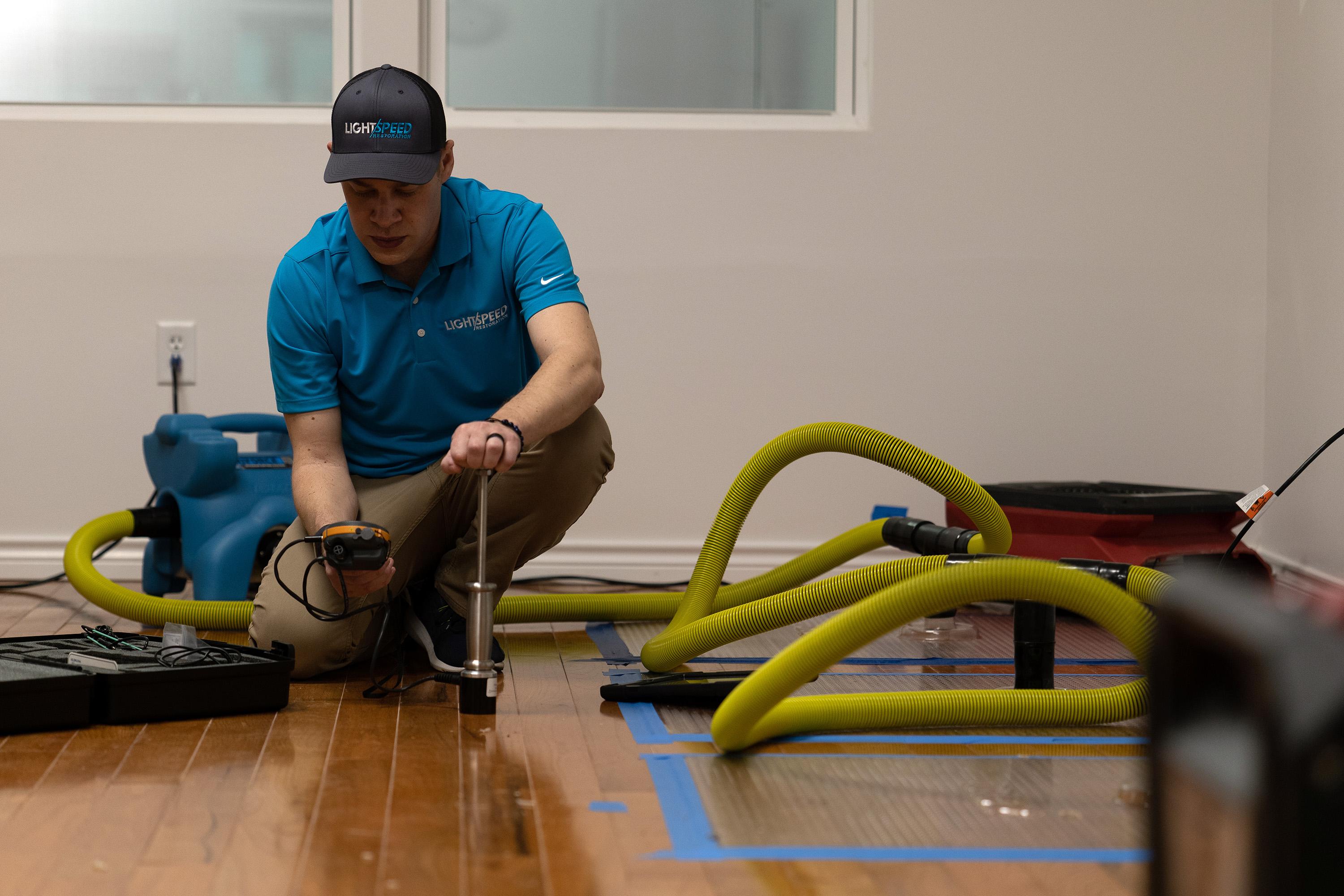
Technicians start room by room, mapping affected floors, walls, ceilings, cabinetry, crawlspaces, and contents. During the inspection phase, specialists identify the water source, contamination category, and damage class to determine the appropriate restoration approach.
Moisture meters and infrared cameras locate hidden moisture behind baseboards, under tile, and inside wall cavities. We check sagging ceilings, compromised subfloors, foundation cracks, and hazards from bacteria or chemicals. The result is a clear action plan with access needs, estimated duration, and major tasks.
Water Removal and Extraction
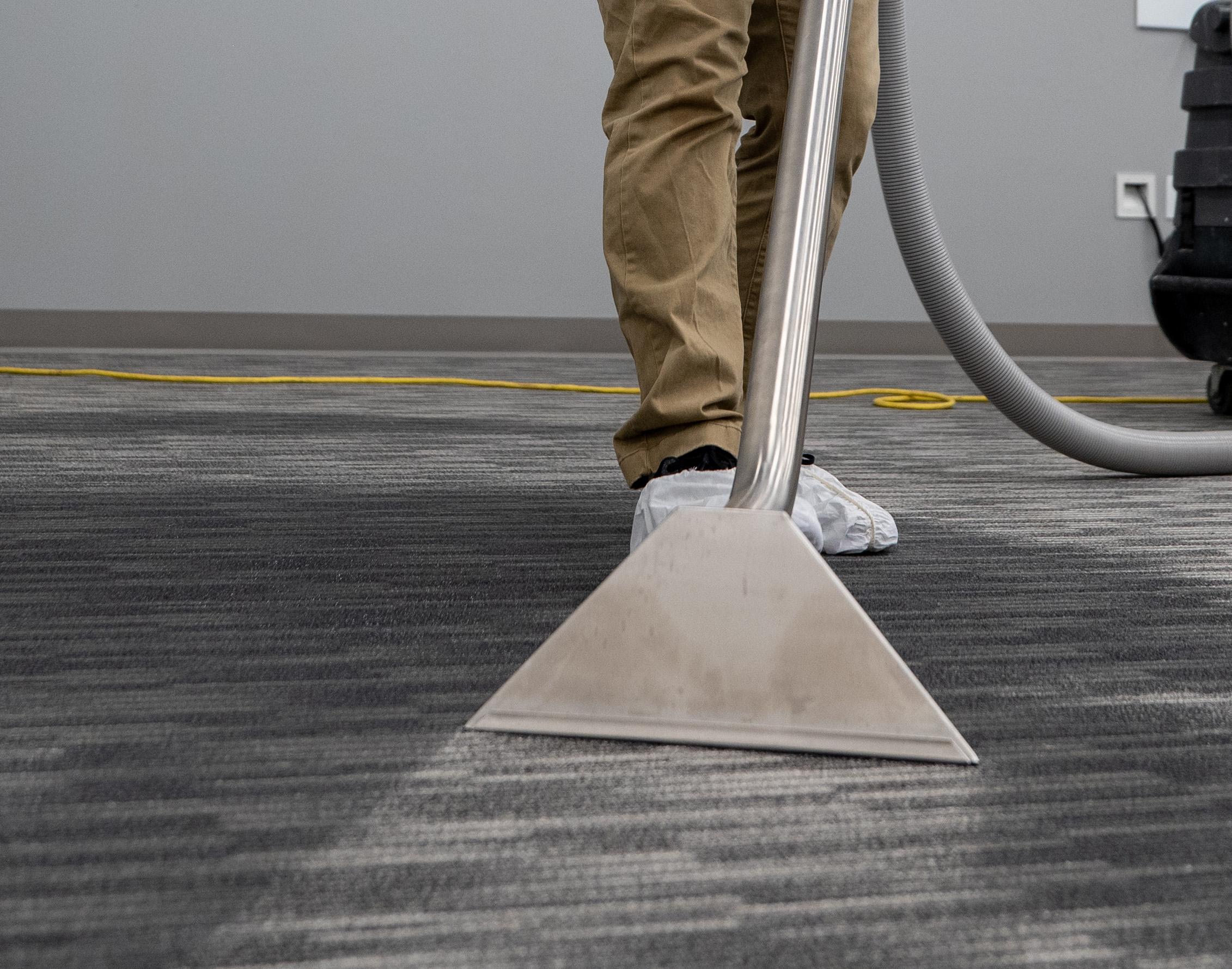
Fast water removal reduces swelling, warping, mold, and secondary water damage. Water removal is a critical step in the restoration process, where standing water is extracted using industrial vacuums and pumps to prevent further damage.
Professionals in flood damage restoration use specialized equipment such as industrial vacuums and submersible pumps to remove standing water effectively from garages, first floors, and basements. Portable extraction helps carpets, padding, upholstery, and home offices. Remove stagnant water gradually to prevent structural damage, especially after deep flooding. Wood floors need surface extraction followed by targeted drying to reduce cupping.
Drying and Dehumidifying Affected Areas
After water removal, drying and dehumidification are performed using fans and dehumidifiers to ensure all affected areas return to their normal moisture levels. We use heavy-duty dehumidifiers and industrial fans to promote rapid drying in framing, concrete slabs, engineered wood, drywall, and cabinetry.
The restoration process often involves monitoring the drying process to ensure that materials return to their normal moisture levels, which can take several days depending on the severity of the damage. In Austin’s humid months, dehumidification is critical to prevent mold and odors. Saturated insulation or ruined drywall may be removed for hidden mold cleanup.
Cleaning, Sanitizing, and Odor Removal
Professional flood damage cleanup includes cleaning and sanitizing affected surfaces to help prevent mold growth and ensure the area is safe and hygienic.
Hard surfaces are cleaned with soap and disinfectants to mitigate health hazards. Non-upholstered furniture, tables, and some belongings may be restored; porous materials exposed to black water are usually discarded. Odor removal may include air scrubbers and specialized deodorization. Seek professional help for extensive water damage or large areas of mold.
Repairs, Reconstruction, and Finishing Touches
After drying and cleanup, repairs restore the property to pre-loss condition or better. Typical work includes replacing drywall, reinstalling insulation, repairing trim, repainting, reinstalling carpet, replacing ruined laminate, or refinishing salvageable hardwood.
Severe flood damage may require cabinet toe-kick replacement, subfloor repairs, or rebuilding room sections. Inspect for hidden moisture before installing new materials. Lightspeed Restoration of Austin coordinates water damage repair, restoration, and communication so your home returns to normal with less disruption.
Working Through the Insurance Claims Process
Professional documentation helps Austin homeowners navigate the insurance process. Contact your insurance company after emergency safety steps are complete and water damage is discovered. Ask about deductibles, coverage limits, and whether external flood damage is covered.
Homeowners insurance typically does not cover flood damage, requiring a separate flood insurance policy, while water damage from internal sources may be covered under standard homeowners insurance policies. The Texas Department of Insurance recommends prompt reporting and careful records.
An adjuster may review pre-loss photos, receipts, moisture reports, estimates, and damaged items. Lightspeed Restoration of Austin can provide detailed photos, moisture readings, and repair estimates to support your claim. Keep a log of every contact with agents, adjusters, and contractors, including dates and names. We do not provide legal or policy advice, but we help streamline documentation for faster approvals.
Tips to Prevent Future Flood and Water Damage in Austin Homes
The major causes of water damage include burst or leaking pipes, broken household appliances, and clogged drains and gutters. Natural disasters such as heavy rain, storms, and hurricanes can lead to significant water damage in homes. Faulty water systems, including old or faulty water heaters and inefficient roof water drainage, are common contributors to water damage. Air conditioning unit condensation can lead to water damage if not properly managed, as it can create excess moisture in the home.
To reduce future risk:
-
Inspect roofs, gutters, and downspouts annually to prevent water intrusion.
-
Grade soil away from the foundation and maintain French drains where water pools.
-
Test sump pumps, if present, and consider battery backup during severe weather.
-
Insulate pipes before Central Texas cold snaps to reduce burst pipe damage.
-
Check washer, refrigerator, and water heater supply lines for leaks or wear.
-
Use FEMA flood maps to understand local flood exposure.
-
For minor clean-water leaks only, place aluminum foil under furniture legs; aluminum foil helps protect furniture stains from transferring to wet carpet.
If your property is affected by flood, plumbing failure, or a sudden disaster, save this number now: 512-428-8309. Lightspeed Restoration of Austin is ready for fast water damage cleanup and restoration across Austin, TX.