

A sewage backup is not ordinary water damage restoration. Sewage water is classified as Category 3 water under the IICRC S500 Standard of Care, the most dangerous type of water contamination, because it can contain harmful bacteria, viruses, parasites, toxic gases, and raw sewage. If you need sewage damage cleanup in Austin, call Lightspeed Restoration of Austin at 512-428-8309 for a fast emergency response.
Immediate Steps When You Have a Sewage Backup in Austin
When faced with a sewage backup, the first step is to assess the situation and determine if it is safe to stay in the area, as sewage water poses serious health risks and can compromise structural integrity. Call 512-428-8309 immediately for sewage backup cleanup; our certified technicians arrive with protective gear, specialized equipment, and emergency extraction tools to stabilize the situation.
-
Evacuate children, elderly family members, pets, and anyone with health risks from affected areas.
-
Avoid all exposure to sewage and direct contact with contaminated water.
-
Immediately turn off the water and electricity to prevent further damage and reduce hazards, such as electric shock, especially if standing water is present.
-
Do not flush toilets or run sinks during a backup, as this will introduce additional wastewater into the damaged area.
Lightspeed Restoration of Austin provides 24/7 sewage cleanup services throughout the city limits of Austin and nearby neighborhoods, including Westlake, Hyde Park, East Austin, South Austin, and Northwest Hills.
Why Fast Professional Sewage Cleanup Matters
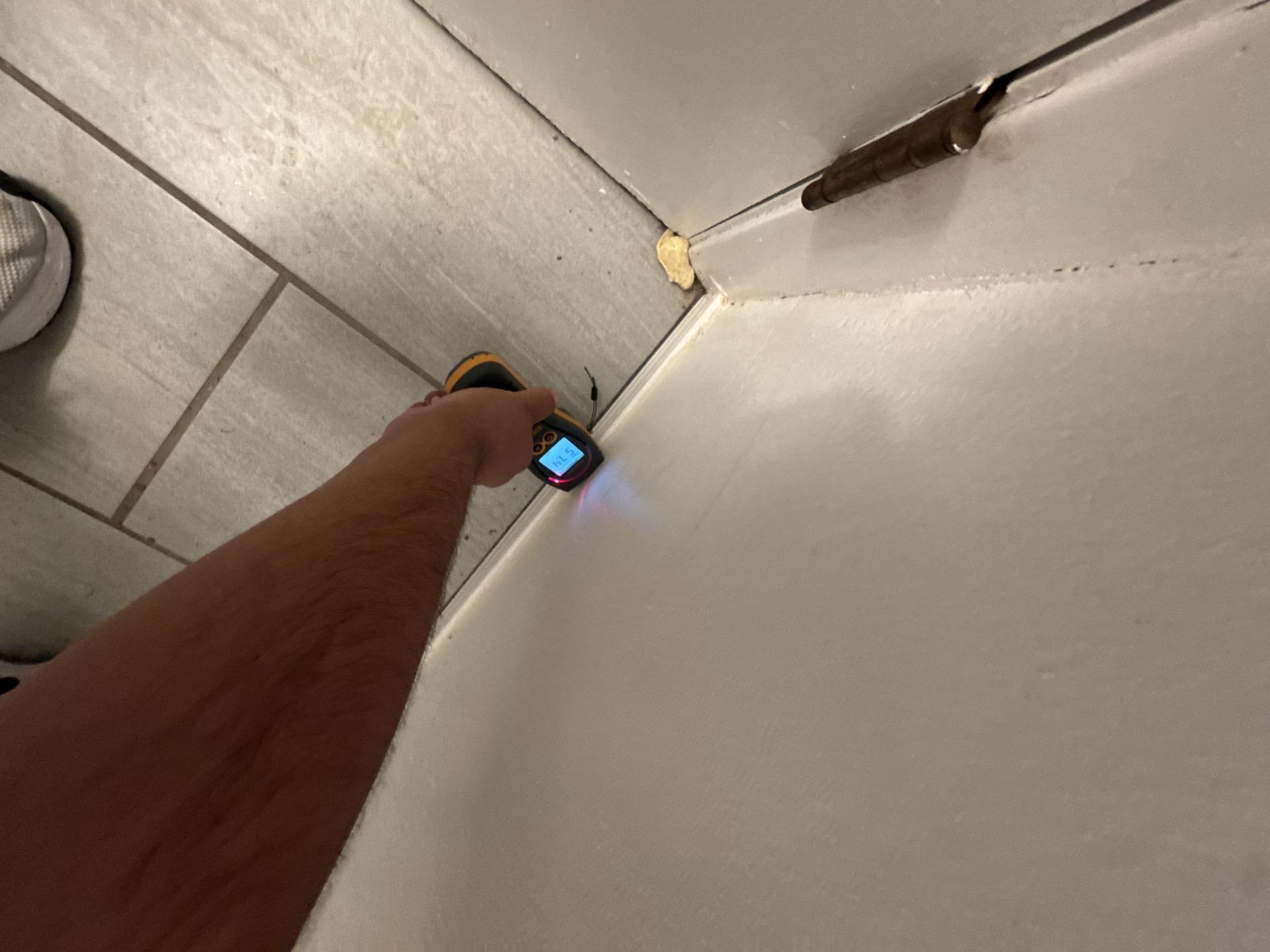
Sewage water can spread rapidly through flooring, walls, and HVAC pathways. Sewage contains harmful pathogens, including bacteria, viruses, and parasites, which can lead to severe illnesses such as E. coli infections, Hepatitis A, and Salmonella, according to the CDC.
Key health hazards and property damage risks include:
-
harmful bacteria, hazardous bacteria, dangerous pathogens, viruses, and parasites
-
serious health risks, long-term health risks, gastrointestinal illness, skin infections, and respiratory issues
-
damaged drywall, insulation, subfloors, trim, and other building materials
-
HVAC contamination, lingering odors, structural damage, structural weakening, and hidden moisture
Proper drying of construction materials is crucial for preventing mold growth, which can occur within 24 to 48 hours. In Austin’s humid climate, untreated sewage damage can quickly contaminate flooring, porous materials, and adjacent rooms. DIY sewage damage cleanup with household cleaners is unsafe, often ineffective, and may hurt insurance claims. The safest option is to call professional sewer backup cleaners who can remove contaminated water, disinfect affected areas, and dry the structure properly.
Common Causes of Sewage Damage & Septic System Failures in Austin
Sewage issues in Austin often begin with hidden sewer lines or plumbing failures before they become sewage spills inside the home. If the backup is caused by a blockage or damaged sewer line, a sewer backup plumber may be needed to stop the source before restoration can begin.
-
tree roots entering older clay, cast-iron, or Orangeburg lines
-
Heavy Central Texas rain is causing city sewer backup or sewer water backup
-
grease buildup from kitchens
-
wipes, hygiene products, and debris blocking drains
-
deteriorating or bellied sewer lines in older Austin neighborhoods
-
burst pipes, toilet overflows, and main-line failures
-
septic system failures on Austin’s outskirts, including failed drain fields, overloaded tanks, and lack of pumping
Warning signs include gurgling drains, slow toilets, foul sewage odors, recurring clogs, sewer water in tubs, or water rising through floor drains. Act quickly at the first sign of sewage contamination to prevent a major sewage emergency.
Our Professional Sewage Damage Cleanup & Restoration Process
Sewage damage cleanup involves a systematic approach that includes assessing the extent of the damage, removing contaminated water and materials, sanitizing and deodorizing the area, drying the property, and conducting a final inspection. Our restoration process supports residential properties, commercial buildings, healthcare facilities, and small businesses.
Inspection, Safety, and Containment
Before entering any area exposed to sewage, it is crucial to wear appropriate protective gear to reduce the risk of infection and exposure to hazardous bacteria. Our technicians arrive in marked trucks, check electrical and structural hazards, document the area and all standing water and damage with photos and videos for insurance claims before starting any cleanup, and inspect the contamination extent in wall cavities, adjacent rooms, and under flooring.
We set containment barriers and negative air equipment when needed. We classify the loss as Category 3 sewage and plan the cleanup process in accordance with strict professional sewage protocols.
Sewage Water Extraction and Material Removal
Using industrial-grade truck-mounted vacuum systems or specialized portable extractors is recommended for rapidly removing standing sewage. Our dedicated equipment removes sewage water from floors, carpets, and hard surfaces.
All highly porous materials that absorb sewage cannot be fully sanitized and must be completely removed, including carpets, padding, and upholstered furniture. Flood cuts involve removing contaminated drywall and insulation at least 12 to 24 inches above the highest visible water mark to eliminate hidden contamination. Other affected materials and contaminated materials are bagged as hazardous waste for proper disposal.
Sanitization, Odor Removal, and Structural Drying
After extraction, we clean non-porous structural elements with Decon 30. Similarly, we use Decon 30 on hard surfaces. Decon 30 is a disinfectant and antimicrobial to eliminate viruses, bacteria, and parasites during sewage cleanup.
We deploy HEPA-filtered air scrubbers to continuously capture airborne particulates during sewage cleanup, along with fogging and odor-neutralizing agents to address lingering odors.
-
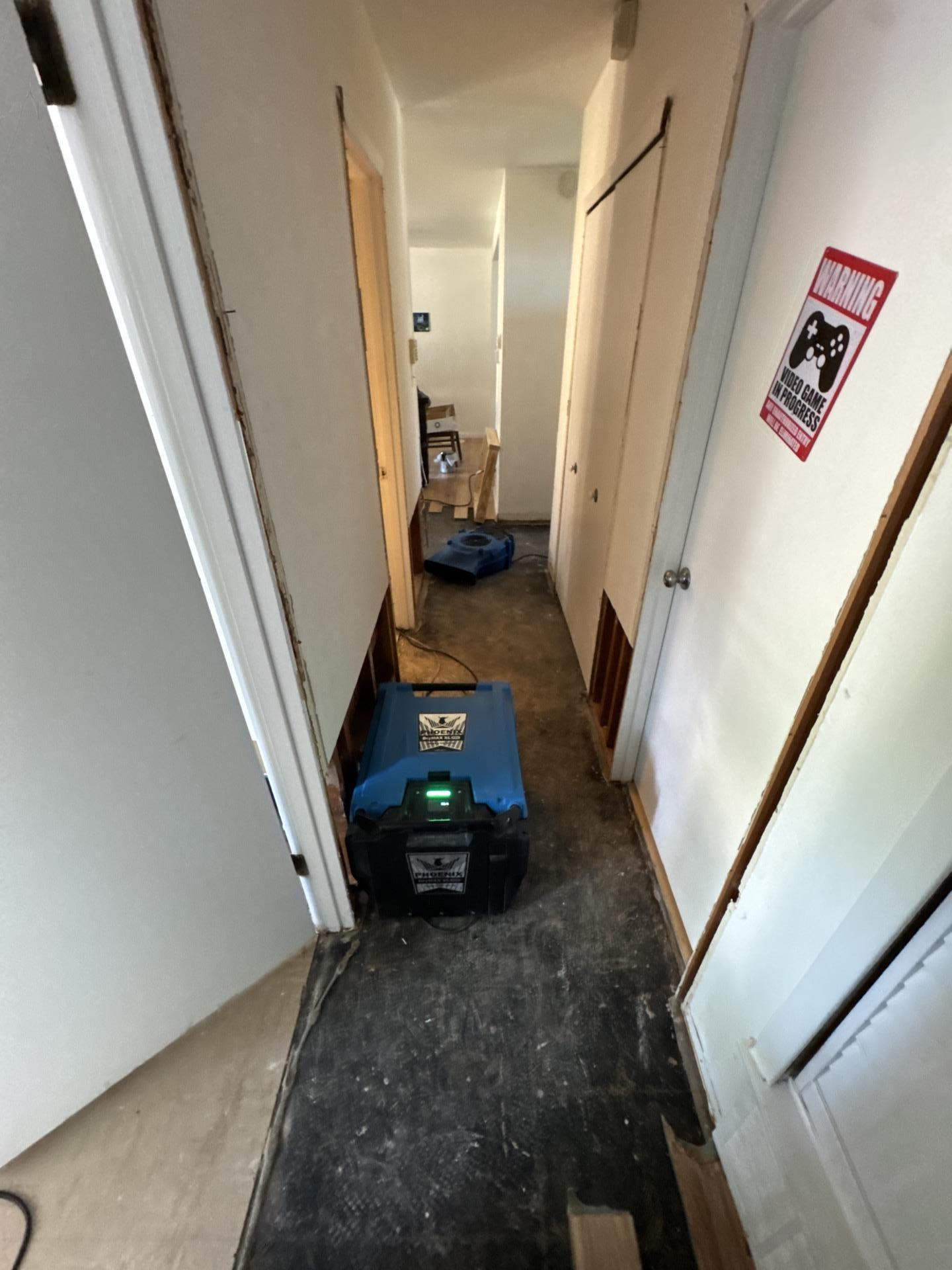
Commercial air movers and heavy-duty dehumidifiers should be set up to ensure proper drying and prevent secondary mold growth.
-
Utilize industrial low-grain refrigerant LGR dehumidifiers and high-velocity air movers to pull deeply embedded moisture out of structures.
-
Mold prevention must be monitored with moisture meters after cleaning and drying areas affected by sewage.
Repairs, Restoration, and Final Inspection
Once the sewage cleaning, drying, and disinfection stages are complete, our damage cleanup team can handle structural repairs, drywall replacement, flooring, trim, cabinetry, complete reconstruction, or full restoration. We work to restore your property to pre-loss condition whenever possible.
We do not consider the restoration complete until the final inspection confirms clean, dry, odor-free areas with no visible sewage contamination.
Health & Safety: Protecting Your Family From Sewage Exposure
Exposure to sewage can compromise air quality and lead to long-term health risks, including respiratory issues and infections, even after the visible contamination has been removed. Protect your family’s health by staying out of contaminated spaces.
Never handle sewage without adequate protection and training. Avoid direct contact with contaminated water, as sewage water contains harmful pathogens that can cause severe illnesses. Do not attempt to clean up sewage without proper equipment, as DIY cleanup can be dangerous and ineffective without professional-grade tools and expertise. Standard residential vacuums should not be used during sewage cleanup, as they vent exhaust air that aerosolizes dangerous bacteria and viruses. Never run HVAC systems that might spread contaminated air.
PPE should include waterproof boots, nitrile or rubber gloves, N95 or better respirators, and eye protection. For emergency sewage cleanup, call 512-428-8309 instead of risking DIY cleanup.
Residential vs. Commercial Sewage Damage Cleanup in Austin
Lightspeed Restoration of Austin handles both homes and businesses, tailoring the restoration process to each property type. Residential calls often involve toilet overflows, condo line failures, sewer backup in single-family homes, and sewage water affecting bathrooms, halls, or bedrooms.
Commercial sewage emergencies may include restaurant or bar restroom backups near 6th Street or South Lamar, office sewage damage, retail stores, and medical or dental offices. For businesses, we focus on rapid containment, after-hours work when possible, clear communication, professional equipment, and industry-leading equipment to minimize downtime. Every client receives the same professional sewage damage cleanup, documentation, and final inspection.
Working With Insurance on Sewage Damage Claims
Sewage damage may be covered if your policy includes sewer backup or water backup coverage. We help with photos, moisture readings, itemized estimates, documentation of affected areas, and communication with your insurance company, insurance provider, or adjuster.
Notify your carrier early. Fast mitigation is often required, and waiting can hurt the claims process. If you are unsure whether your policy covers sewage backup, septic system failures, or sewer water, call us, and we can help you review the language before more damage occurs. Sewage cleanup costs typically range from $3,000 to $25,000 or more, depending on the extent of contamination and the size of the affected area. Minor sewage issues, such as toilet overflows, usually cost between $3,000 and $6,000 to clean up, while more severe problems like main line failures can exceed $15,000. Cleanup costs for sewage damage are generally higher than standard water damage due to the need for specialized hazmat protocols, mandatory material removal, and air quality testing.
How to Reduce the Risk of Future Sewage Backups
No plumbing system is fail-proof, but Austin property owners can reduce the chance of another sewage emergency.
-
Schedule periodic sewer camera inspections.
-
Install a backwater valve where appropriate.
-
Avoid flushing wipes, feminine products, and paper towels.
-
Never pour grease down the drain.
-
For septic properties, pump tanks every 3–5 years, watch for soggy drain-field patches, and limit water use when problems appear.
After cleanup, our technicians can point out site-specific vulnerabilities found during the restoration process.
Choose Lightspeed Restoration of Austin for Sewage Cleanup Services
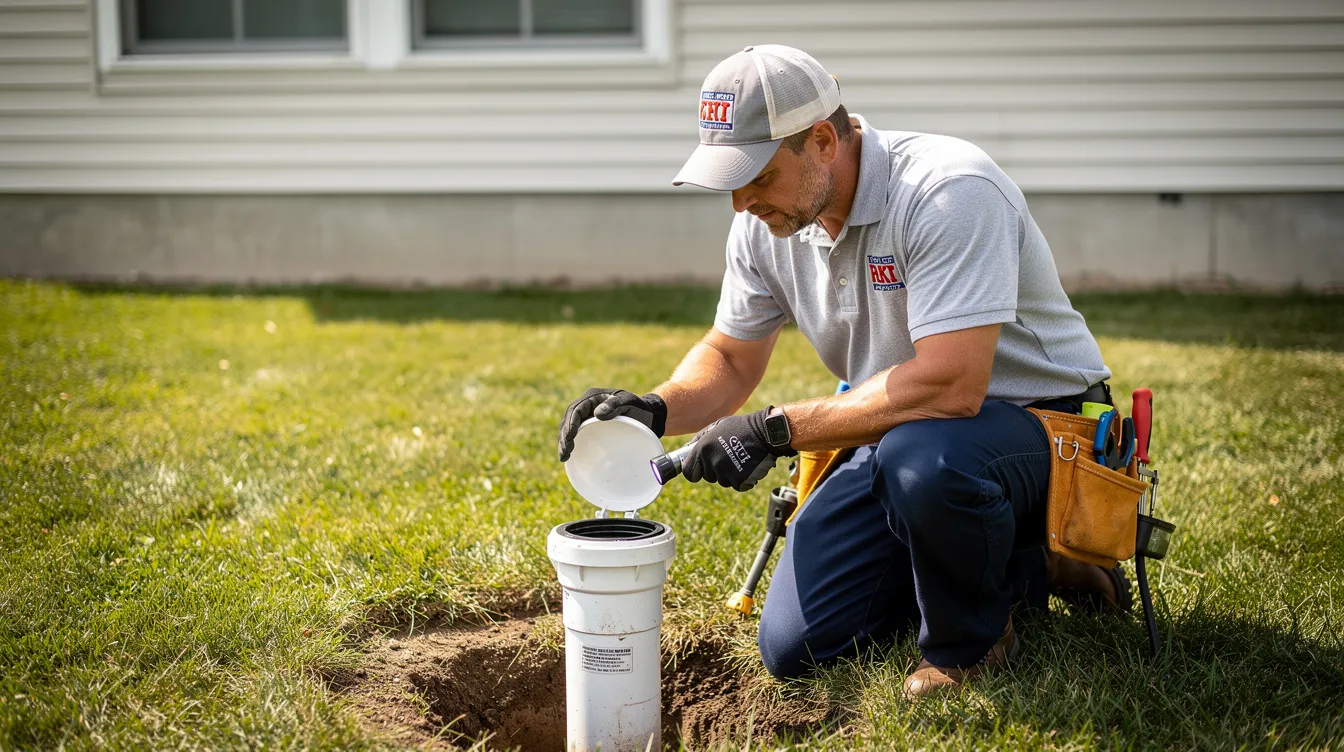
Lightspeed Restoration of Austin is a local sewage cleanup company focused on Austin, TX. We provide 24/7 live response, fast arrival for sewage emergencies, trained crews with full protective gear, and a complete restoration process from extraction through final inspection.
If your question is “Does sewage cleanup require professionals?” the answer is yes when raw sewage, contaminated water, or hazardous waste is involved. For sewage cleanup FAQs, urgent help, or a professional sewage cleanup service, call 512-428-8309 now. Investing in professional sewage damage cleanup helps protect your home’s value and your family’s health by preventing mold growth and ensuring thorough decontamination. We will work quickly to make your property safe, clean, and fully restored after sewage damage.