

A sewer backup can turn from a bad smell into property damage fast. If sewage is entering your Austin home, call Lightspeed Restoration of Austin at 512-428-8309 for 24/7 emergency response, sewage cleanup, and water damage help in Austin, TX only.
Sewer backup emergency in Austin? Call 512-428-8309 now
A sewage backup is a serious plumbing emergency because dirty water can spread through flooring, walls, cabinets, and air spaces. Call 512-428-8309 now; calling is the fastest way to stop damage, get the issue diagnosed, and start safe cleanup.
Lightspeed Restoration of Austin responds to sewer backup emergency calls involving toilets overflowing, basement flooding, first-floor tubs filling with dirty water, or a floor drain backing up. Immediate action is required during a sewer backup, including stopping the use of water fixtures and contacting a licensed plumber to diagnose the issue.
Call a plumber if you notice:
-
slow drains in more than one room
-
foul odors near a sewer drain or tub
-
sewage or standing water on the floor
-
gurgling toilets when a washer or shower runs
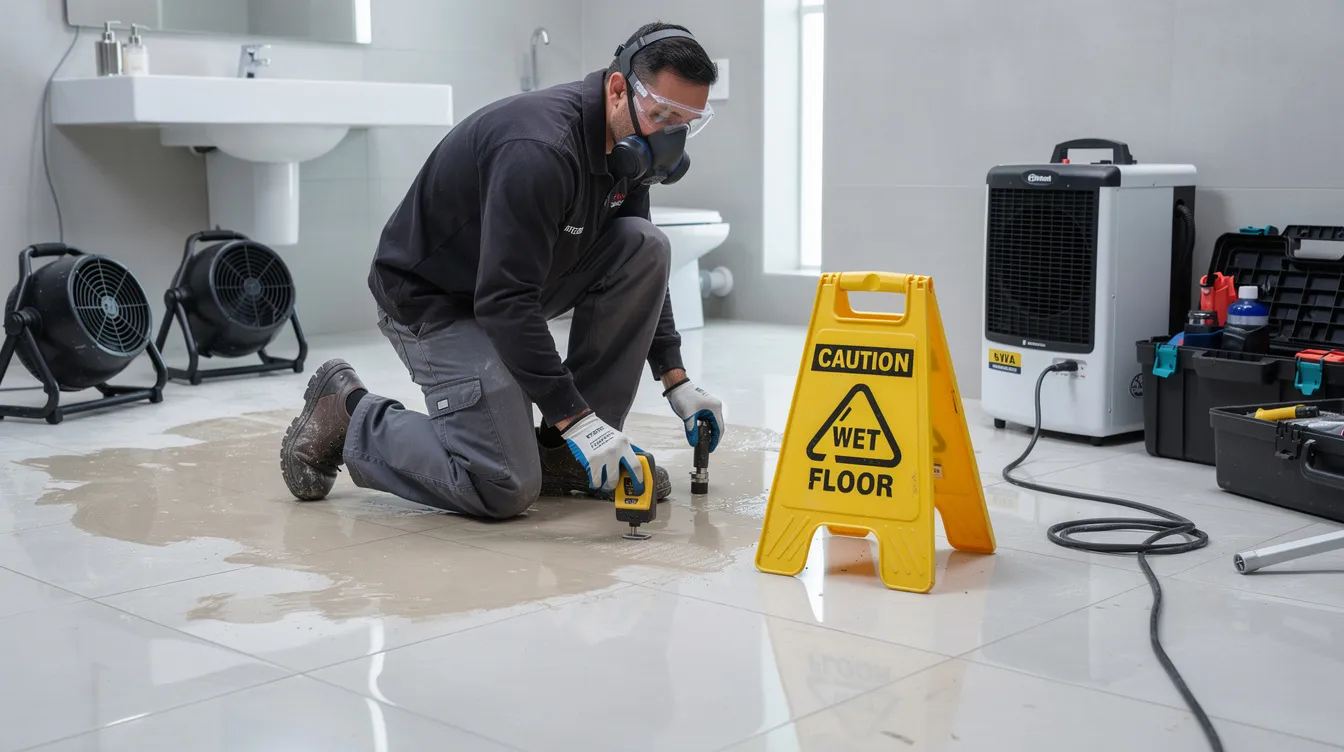
What is a sewer backup and why it’s so dangerous
A sewer backup happens when wastewater reverses direction and comes back through drain lines instead of flowing out through the main sewer line. This can start in your home’s existing sewer line or from an overloaded municipal sewer system serving Austin neighborhoods.
The water is usually dark, foul-smelling, and may contain toilet paper, debris, grit, and waste. It can rise from a tub, shower, toilet, sewer drain, or floor drain.
Sewage water is usually treated as Category 3 “black water” under restoration standards such as the IICRC S500. That means it carries health risks from bacteria, viruses, parasites, and chemical contamination.
Porous materials like carpet, drywall, insulation, and wood can absorb contamination. Mold growth can begin within 24–48 hours, so professional cleaning is not optional when sewage spreads.
Industry sources also note that sewer line backups are rising at a rate of 3 percent each year due to the aging plumbing system and increasing number of homes. In Austin, older pipes, growth, storms, and aging underground pipes all add pressure.
Early signs your main sewer line is about to back up
Spotting warning signs early can help prevent a full sewage backup. If multiple drains act up at once, the main line is more likely involved than a single sink trap.
Watch for:
-
multiple slow drains at the same time
-
toilets gurgling when you run the shower or washing machine
-
water bubbling in a tub or shower when a toilet is flushed
-
sewage odors around floor drains, tubs, or the yard
-
frequent plunging or repeated clearing of a backed up drain
In slab-on-grade Austin homes, early signs often appear in first-floor tubs, showers, laundry drain pipes, and utility areas instead of basements. If more than one plumbing fixture is affected, stop using water and call 512-428-8309 at the first sign of a widespread drain problem.
Common causes of sewer backups in Austin, TX homes
Austin has older neighborhoods like Hyde Park and Travis Heights, plus newer subdivisions with different sewer issues. Causes can include old pipe material, poor installation, ground movement, or storm overload.
Tree root intrusion is common around large oaks, pecans, and cedar elms. Tree roots can damage or block sewer lines as they grow, leading to backups in the system, especially in clay or cast iron pipes.
Central Texas clay expands during rain and shrinks during drought. That surrounding soil movement can create offset joints, sagging “bellied” sections, broken pipes, and cracks in a sewer pipe.
A clogged pipe is the most common cause of sewer backups, often resulting from inappropriate items being flushed down toilets. Common culprits include wet wipes, feminine products, paper towels, too much toilet paper, and grease. Never pour grease into the kitchen sink because it cools, hardens, and feeds sewer clogs.
Heavy rain or flooding can overload the sewer main, causing wastewater to back up into homes through floor drains or plumbing fixtures. Blockages in municipal sanitary mains can also lead to sewer backups in residential plumbing systems.
Responsibility matters. Homeowners are usually responsible for the lateral line on private property, while the city maintains the street main. Professional plumbers assess whether a blockage is on private property lines or in municipal lines, which affects responsibility for repairs.
What to do immediately when your sewer backs up
Quick, calm action can limit further damage before professional plumbers arrive.
-
Shut off the water supply first if sewage is actively entering the home and the shutoff is safely accessible. In the event of a sewer backup, the first step is to shut off the water supply to prevent further flooding and damage.
-
Stop using all water. If sewage is entering your home, avoid using any water-consuming appliances and refrain from flushing toilets to prevent exacerbating the backup situation.
-
Keep kids and pets away from the affected area.
-
If water is near outlets, turn off power to that area only if you can do it safely.
-
Place towels or barriers to slow spread, but do not track sewage into clean rooms.
-
Wear protective gear such as gloves, boots, goggles, and a face mask to avoid exposure to harmful pathogens.
Do not use chemical drain cleaners, liquid drain cleaners, or harsh chemicals during a sewage backup. Using chemical drain cleaners during a sewer backup can damage pipes and produce toxic fumes, and it can endanger the service technician working on the line.
In case of a severe sewer backup, it is advisable to contact a professional plumber immediately to assess and resolve the issue safely and effectively. Call Lightspeed Restoration of Austin at 512-428-8309 for sewer backup response and sewage cleanup.
How sewer backup plumbers in Austin diagnose the problem
On arrival, technicians start with safety: electrical hazards, structural concerns, contaminated water, indoor air quality, and possible mold growth. The goal is to stabilize the home before disturbing contaminated materials.
We check indoor plumbing fixtures and accessible cleanouts, often near exterior walls or in front yards. This helps determine whether the blockage is inside the home, in the yard line, or potentially beyond the property line.
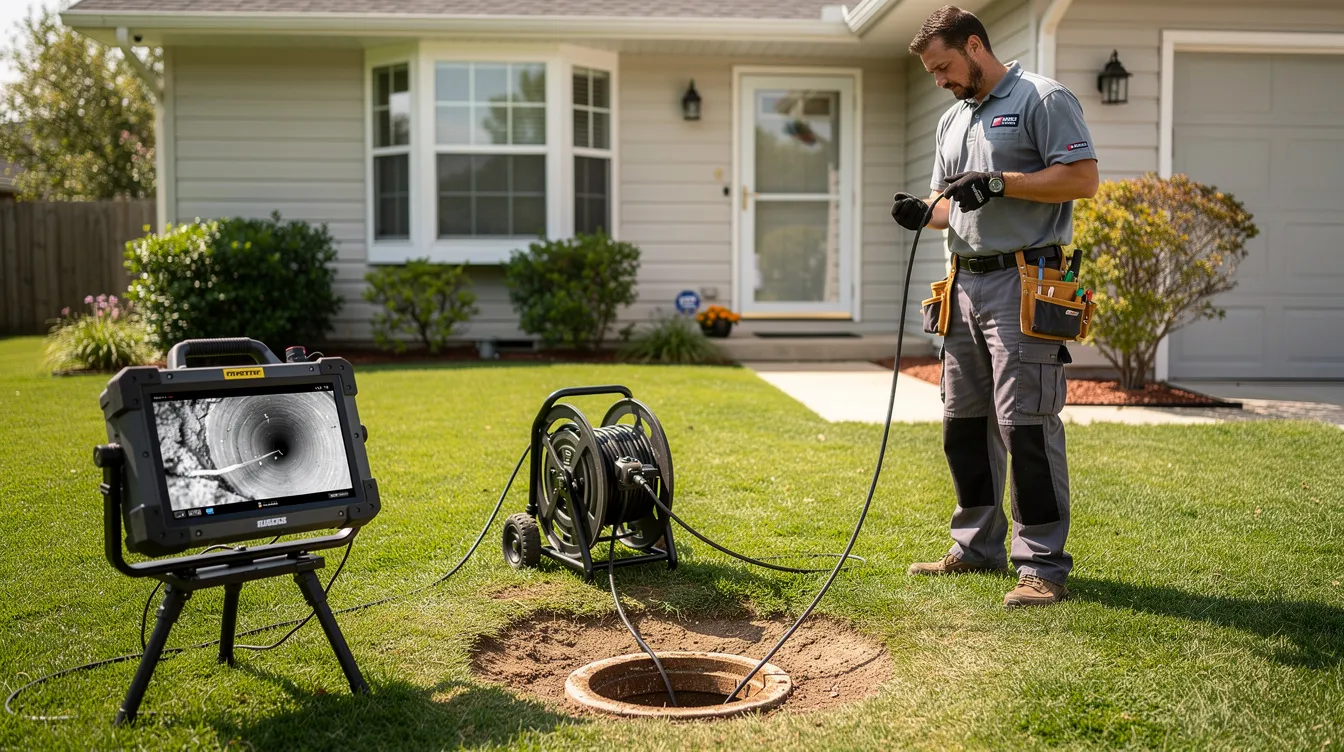
Professional plumbers often utilize video camera inspections to diagnose sewer line issues, allowing them to identify clogs and structural problems without extensive digging. A video inspection can reveal roots, collapsed sections, grease buildup, older pipes, or a small leak that has become a larger sewer repair problem.
They may also use drain augers, locating equipment, and other advanced tools to trace underground pipes and understand the drainage system. Findings are documented for homeowners and, when needed, can be shared with an insurance agent.
Diagnosis comes before major sewer line repair, sewer line replacement, or sewer pipe replacement so you understand the cause, options, and approximate costs.
Repair options: from drain cleaning to broken pipe replacement
Solutions range from simple drain cleaning to partial sewer repair, depending on the condition of the sewer line.
Mechanical sewer cleaning uses professional augers to cut through clogs, roots, and heavy buildup in the main sewer line. Plumbers use various techniques to clear sewer backups, including mechanical cleaning and hydro jetting, which can effectively remove tree roots and other debris from sewer lines.
Hydro jetting uses high-pressure water to clean grease, sludge, and recurring blockages when the piping condition allows it. This can restore flow in drain pipes and drainage pipes without immediately replacing the entire sewer pipe.
Localized damage may need spot repairs for broken pipes, collapsed sections, or severe offsets. Some work may require excavation, permits, and inspection.
Sewer plumbing repairs can involve trenchless methods, allowing for relining of old pipes without extensive excavation. In other cases, replacing old sewer lines made of clay or cast iron with modern plastic piping can help prevent tree root infiltration and reduce the risk of backups.
Emergency sewer line repair services are available 24/7, allowing homeowners to address sudden sewer failures and prevent further damage to their property. We explain sewer line services clearly, focus on safe flow restoration, and avoid hidden fees with upfront pricing whenever the scope is clear.
Sewage cleanup, drying, and deodorizing after a backup
Clearing the blockage is only half the job. Professional sewage damage cleanup involves removing contaminated water and materials, cleaning and disinfecting affected areas, drying the structure, and preventing secondary damage.
Lightspeed Restoration of Austin extracts standing water and contaminated sewage, then removes materials that cannot be safely salvaged. After clearing a sewer backup, contaminated materials like carpets and insulation may need to be removed to address health hazards.
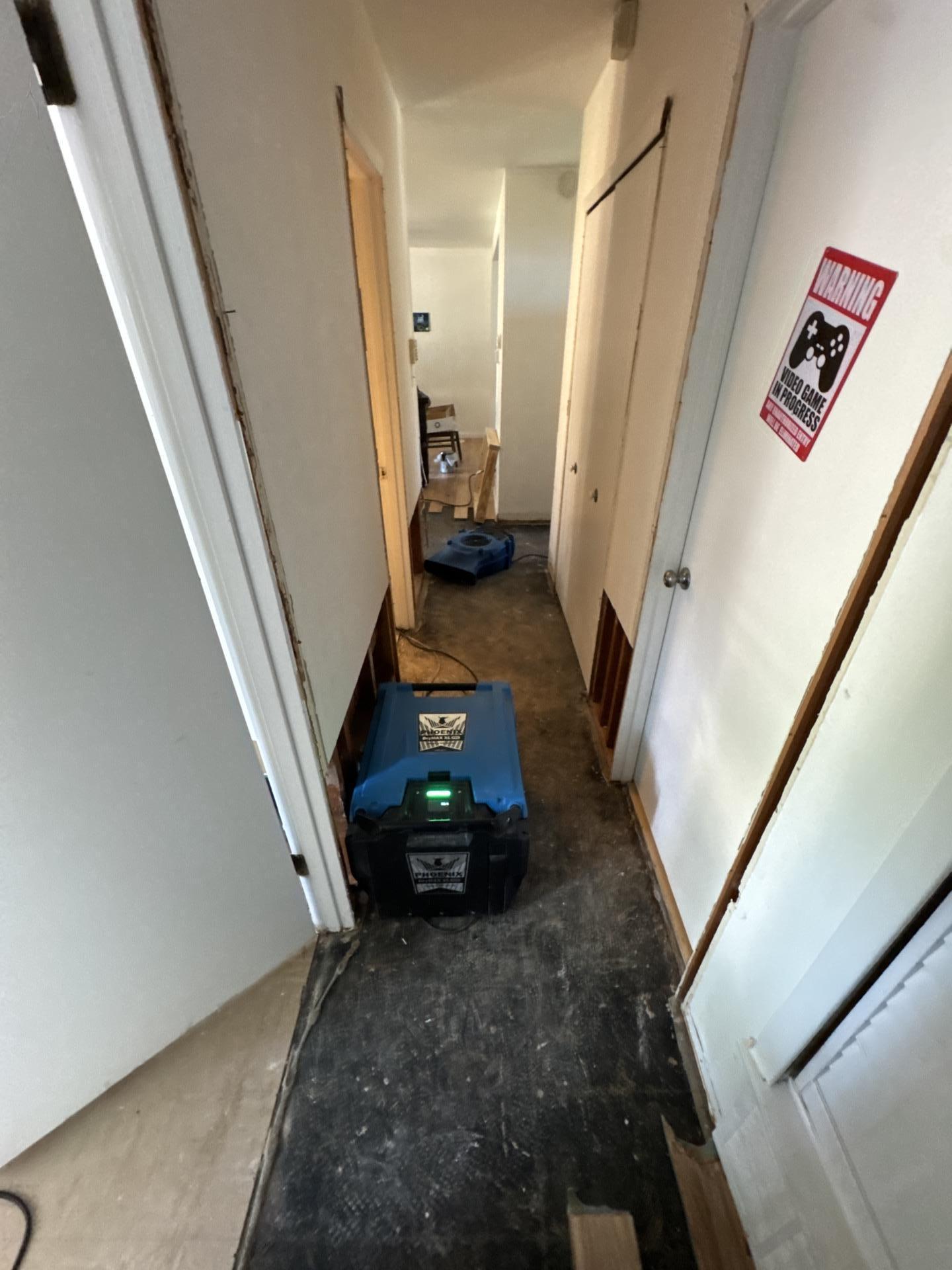
We clean and disinfect the affected area thoroughly to prevent health hazards such as mold growth and contamination. EPA-registered disinfectants, commercial air movers, dehumidifiers, and moisture monitoring help prevent mold growth and secondary damage.
Odor control may include cleaning affected surfaces, removing baseboards, using air filtration, and treating hidden cavities. We follow Category 3 cleanup practices and document conditions, photos, and work performed for the homeowner and insurance company.
We serve Austin, TX only, which helps us respond quickly when sewage damages homes in South Austin, North Austin, East Austin, and other city neighborhoods.
Insurance and sewer backup coverage
Standard homeowners insurance may or may not include sewer backup coverage. Many policies require a separate “sewer backup” or “water backup” endorsement.
Contact your insurance agent promptly if sewage has damaged flooring, walls, cabinetry, or belongings. Lightspeed Restoration of Austin can provide documentation, photos, moisture readings, and estimates to support a claim, but we do not determine coverage.
Austin homeowners should review policies before an emergency and ask specifically what is covered for sewer backups, water backup, cleanup, and property damage.
How to prevent sewer backups in your Austin home
Not every sewage backup is preventable, but good habits reduce risk.
-
Never pour cooking grease down the drain. To prevent sewer backups, homeowners should avoid pouring grease down the drain, as it solidifies and can cause clogs in the sewer line.
-
Flush only human waste and toilet paper. Proper disposal of waste is crucial; only human waste and toilet paper should be flushed down toilets to prevent clogs and backups.
-
Avoid “flushable” wipes, dental floss, hygiene products, and paper towels.
-
Use strainers in showers and sinks to keep hair and debris out of drain lines.
-
Schedule periodic drain cleaning or camera inspection for older homes, repeat sewer issues, or mature trees near the sewer path.
-
Keep sewer cleanouts visible and accessible for faster plumbing service.
-
Consider a backwater valve or backflow preventer. Installing a backflow preventer can help stop wastewater from entering your home during a sewer backup, providing an additional layer of protection.
-
Correct drainage connection problems. Correcting drainage connection problems, such as ensuring that flood control systems do not drain into the sanitary sewer line, can help prevent backups during heavy rains.
Schedule maintenance before rainy season or after major landscaping changes near sewer lines.
Why choose Lightspeed Restoration of Austin for sewer backup help
Lightspeed Restoration of Austin serves Austin, TX only. That gives our team practical familiarity with local sewer line layouts, Central Texas clay, storm patterns, cast iron, clay pipe, and older neighborhood infrastructure.
We provide 24/7 emergency response, trained technicians, and coordination between plumbing service and restoration work so homeowners deal with one local team. We move quickly across the Austin metro, including South Austin, North Austin, East Austin, and surrounding communities inside city limits.
Search customer reviews to see how fast response and clear communication can make a stressful sewer backup manageable. Our commitment is simple: transparent explanations, upfront expectations, respect for your home, and no unnecessary work.
Frequently asked questions about sewer backups
This FAQ addresses common concerns Austin homeowners have during and after a sewage backup.
What are the first steps I should take when I see sewage on the floor?
Shut off the water supply if safe, stop using toilets and appliances, keep people away, avoid contact with sewage, and call 512-428-8309. Do not use a shop vacuum on sewage unless directed by a trained restoration professional with proper equipment.
Can I clean up a sewage backup myself?
A minor clean-water toilet overflow may be manageable if it is contained immediately. A true sewage backup is Category 3 black water and usually requires protective gear, extraction, disinfectants, drying equipment, and professional cleaning.
How long does it take to dry out after a sewer backup?
Most homes need about 3–5 days of professional drying, depending on how far the water spread, what materials were affected, and how quickly cleanup started.
Is my main sewer line problem or the city’s?
If multiple fixtures drain backs at once, the main line may be blocked. A professional assessment and video inspection can help determine whether the issue is on private property or may involve the city utility department.
How often should I schedule drain cleaning to prevent sewer backups?
Many homes benefit from drain cleaning every year or every couple of years. Older lines, heavy use, mature trees, or repeated future backups may require more frequent maintenance.
Schedule sewer backup and drain cleaning service in Austin, TX
A sewer backup is urgent, but it is manageable with fast professional response. Lightspeed Restoration of Austin helps with the plumbing emergency, sewage cleanup, drying, deodorizing, and restoration process.
Call 512-428-8309 now for emergency sewer backup help or to schedule preventive drain cleaning in Austin, TX. Save the number in your phone under “Sewer Backup Plumber – Austin” so you have it ready before the next plumbing emergency.