




Lightspeed Restoration of Sandy
At Lightspeed Restoration of Sandy, we understand that water, fire, or mold damage can leave you feeling overwhelmed and unsure of what to do next. You need a restoration company that responds quickly, respects your property, and clearly explains what is happening every step of the way.
“Emergencies don’t wait. Neither do we.” means a prompt response, a clear restoration plan, consistent updates, and no unexpected surprises.
When you need help, our local, family-owned team is ready to restore your property and your peace of mind.
Learn More About Us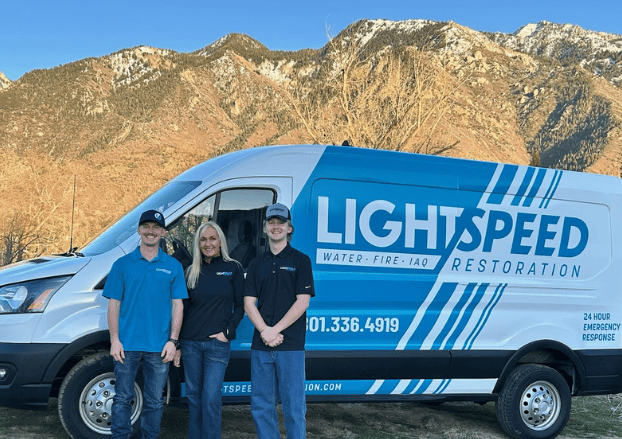
We're not just the team you call when things go wrong. We're your neighbors, and we treat every property like our own…with care, honesty, and no shortcuts. Emergencies do not wait. Neither do we.
- Tami Nelson, Owner
Our Reviews Speak for Themselves
I can't say enough good things about Lightspeed Restoration of Sandy. We experienced a sewage backup that flooded our basement, and it was one of the most stressful situations our family has ever dealt with. From the moment we called, their team was incredibly responsive, professional, and reassuring. They arrived quickly, assessed the damage, and immediately got to work mitigating the flooding and sewage contamination. What could have been an overwhelming and chaotic situation felt much more manageable because of their expertise and communication. They walked us through every step of the cleanup and restoration process, answered all of our questions, and made sure we understood what needed to happen to safely restore our home. Their crew was thorough, respectful, and clearly cared about doing the job right. They handled the sewage cleanup, water extraction, drying, sanitization, and restoration process with urgency and attention to detail. Most importantly, they took a tremendous amount of stress off our shoulders during a difficult time and gave us confidence that our basement would be restored properly. If you're dealing with water damage, flooding, or a sewage backup, I highly recommend Lightspeed Restoration of Sandy. Their fast response, professionalism, and quality of work exceeded our expectations, and we're incredibly grateful for everything they did for our family. Thank you, Lightspeed Restoration of Sandy!
— Chase R. Lehi, UT
Lightspeed of Sandy did such a great job! They showed up when expected, were super professional, and made the whole process easy and stress-free. I really appreciated how respectful they were of my home and how clearly they explained everything they were doing. My house feels fresher already—definitely worth it. I’d absolutely recommend this company to anyone needing air duct cleaning!
— Aubrey N. Murray, UT
I’m so impressed with this team. They cleaned my dryer vents last week and came back yesterday for my air ducts, and both visits were excellent. Everything was done efficiently, explained clearly, and handled with real care. Our house was built in the 1970s, and I honestly don’t think it’s ever been cleaned, so the visit was very needed. They were also incredibly pet friendly. My very curious dog wanted to be involved in everything, and they were so patient with him. Truly a reliable and thoughtful team I’d use again.
— Taryn L. Midvale, Utah
Our Services


Frequently Asked Questions of Lightspeed Restoration of Sandy
Explore answers to common questions about Lightspeed Restoration and our comprehensive restoration services. From water and fire damage restoration to mold remediation, storm damage, and specialty cleaning, our experienced team is equipped to help restore your property. We’re committed to providing prompt, professional service and guiding you through every step of the restoration process. Browse our FAQs to learn more about our services, process, and what you can expect when you choose Lightspeed Restoration.
As soon as possible. Water can continue spreading into drywall, flooring, insulation, cabinets, and other building materials even after the visible standing water is gone. Beginning water extraction and structural drying quickly can reduce the extent of the damage and lower the risk of secondary problems such as mold growth.
Shut off the water supply if possible and turn off electricity if water is near electrical equipment. Do not enter standing water if there is any chance of electrical contact. Photograph the damage for insurance documentation, move valuables out of the water if it is safe, and contact a professional restoration company. Water extraction is often the first step. After standing water is removed, walls, flooring, contents, and other affected materials are evaluated before the structural drying process begins.
Mold can begin growing within 24 to 48 hours after water damage if moisture is not properly removed. Mold spores are naturally present in the air and only need moisture and an organic material such as drywall, wood, carpet, or insulation to begin growing.
Not every wet surface will immediately develop visible mold, but the risk increases significantly after the first two days. Even if materials look dry on the surface, moisture trapped behind walls or beneath flooring can continue supporting mold growth. If water has affected drywall, flooring, insulation, or multiple rooms, a professional inspection within the first 24 hours can help prevent secondary damage.
If there is an active water emergency, protecting the property from additional damage should be the immediate priority. You can contact your insurance carrier as soon as practical, but you generally do not need to wait for an adjuster to arrive before taking reasonable emergency measures to prevent additional damage. A restoration professional can begin water extraction and drying while insurance documentation is being coordinated.
No. Whether drywall can be dried or needs to be removed depends on several factors, including the type of water involved, how long the material has been wet, the amount of moisture present, and whether contamination or mold is involved. Professionals use moisture meters and thermal imaging to determine how far water has traveled before recommending demolition. Removing drywall too soon can increase repair costs, while waiting too long can allow mold growth.
Shut off the water supply if possible and turn off electricity if water is near electrical equipment. Do not enter standing water if there is any chance of electrical contact. Photograph the damage for insurance documentation, move valuables out of the water if it is safe, and contact a professional restoration company. Water extraction is often the first step. After standing water is removed, walls, flooring, contents, and other affected materials are evaluated before the structural drying process begins.
Possible signs of hidden mold include musty odors, discoloration on drywall or trim, previous water damage in the area, persistent moisture, water stains, damp drywall or flooring, or mold that repeatedly appears in the same place. Mold may also be hidden behind drywall, underneath flooring, inside wall cavities, or in attics and crawlspaces. A professional moisture inspection can help identify hidden moisture before it develops into a larger problem.
Very small surface mold on a hard, non porous surface can sometimes be cleaned by a homeowner. Anything larger, anything on porous materials like drywall or carpet, and anything involving hidden or recurring mold should be evaluated by a professional. Improper cleanup can spread spores into unaffected areas of the home, and it does not address the moisture source that allowed mold to grow in the first place. Professional remediation includes containment, source control, cleaning, and verification.
Yes. Utah's outdoor climate is generally dry, but indoor mold does not depend on outdoor humidity. Mold grows wherever there is a moisture source and an organic material. Plumbing leaks, appliance failures, roof leaks, poor ventilation in bathrooms, condensation, ice dams, sprinkler overspray, and window well flooding all create indoor moisture problems capable of supporting mold growth. The dry climate can actually mask the problem because homeowners assume mold is not a concern here.
Most homes benefit from professional air duct cleaning every 3 to 5 years. More frequent cleaning may be recommended if pets are in the home, someone has allergies or asthma, remodeling has occurred, water damage affected the HVAC system, or mold has been identified within the ductwork. Utah homes with construction or landscaping dust from nearby development often benefit from cleaning closer to the 3 year end of that range.
Common signs include visible dust or debris around vents, more dust than usual on furniture soon after cleaning, musty or stale odors when the system runs, uneven airflow between rooms, allergy or asthma symptoms that worsen indoors, evidence of pests or rodents in the ductwork, and any recent water damage, mold, or major remodeling. A professional inspection can confirm whether cleaning is needed and what condition the system is actually in.
Excess indoor dust often comes from more than just daily living. Common causes include dirty or overdue HVAC filters, leaky duct connections pulling dust from attics or crawlspaces, dust buildup inside the ducts themselves, recent remodeling or nearby construction, worn carpet and upholstery, and poor ventilation. Cleaning the ducts, changing filters on schedule, and identifying air leaks in the system are the most effective long term fixes.
Yes. Moisture inside an HVAC system from condensation, humidity, a leaking coil, or water intrusion can create conditions where mold develops on interior duct surfaces, insulation, and coils. Musty odors when the system runs are one warning sign. If mold is suspected in the ductwork, a professional inspection should evaluate the source of moisture along with the visible growth, because cleaning alone will not solve a recurring moisture problem.
Mold removal implies simply taking mold away. Mold remediation is the complete professional process of returning mold to normal, expected levels inside the property while addressing the moisture source that caused it. Remediation typically includes assessment, containment, air filtration, safe removal of contaminated materials, cleaning, drying, and verification. Because mold spores are naturally present in the air everywhere, complete elimination is not realistic. Proper remediation is.