

Key Takeaways
-
Water extraction is the removal of standing water and trapped moisture from your property, while remediation encompasses the full cleaning, drying, and restoration process that follows.
-
In Austin’s humid climate, mold growth can begin within 24–48 hours after water damage occurs—call Lightspeed Restoration of Austin at 512-428-8309 immediately after discovering any water intrusion.
-
Lightspeed Restoration serves only Austin, TX, and surrounding neighborhoods, providing 24/7 emergency response for both homes and businesses.
-
Professional equipment such as submersible pumps, truck-mounted extractors, air movers, and dehumidifiers is essential to fully dry slabs, walls, and crawl spaces common in Austin structures.
-
Trained technicians handle every phase from water removal through sanitizing and repairs, including coordination with your insurance carrier to streamline your claim.
Water damage doesn’t announce itself on a convenient schedule. Whether it’s a burst pipe at 2 AM, a flash flood rolling through your neighborhood, or an AC condensate line that quietly failed while you were at work, the result is the same: water where it doesn’t belong, threatening your home or business.
For property owners in Austin, TX, understanding the difference between water extraction and remediation—and knowing when to call professionals—can mean the difference between a quick recovery and months of dealing with structural damage, mold remediation, and costly repairs.
This guide covers everything you need to know about the water extraction process, what water remediation entails, and why acting quickly is critical in Central Texas.
What Is Water Extraction?
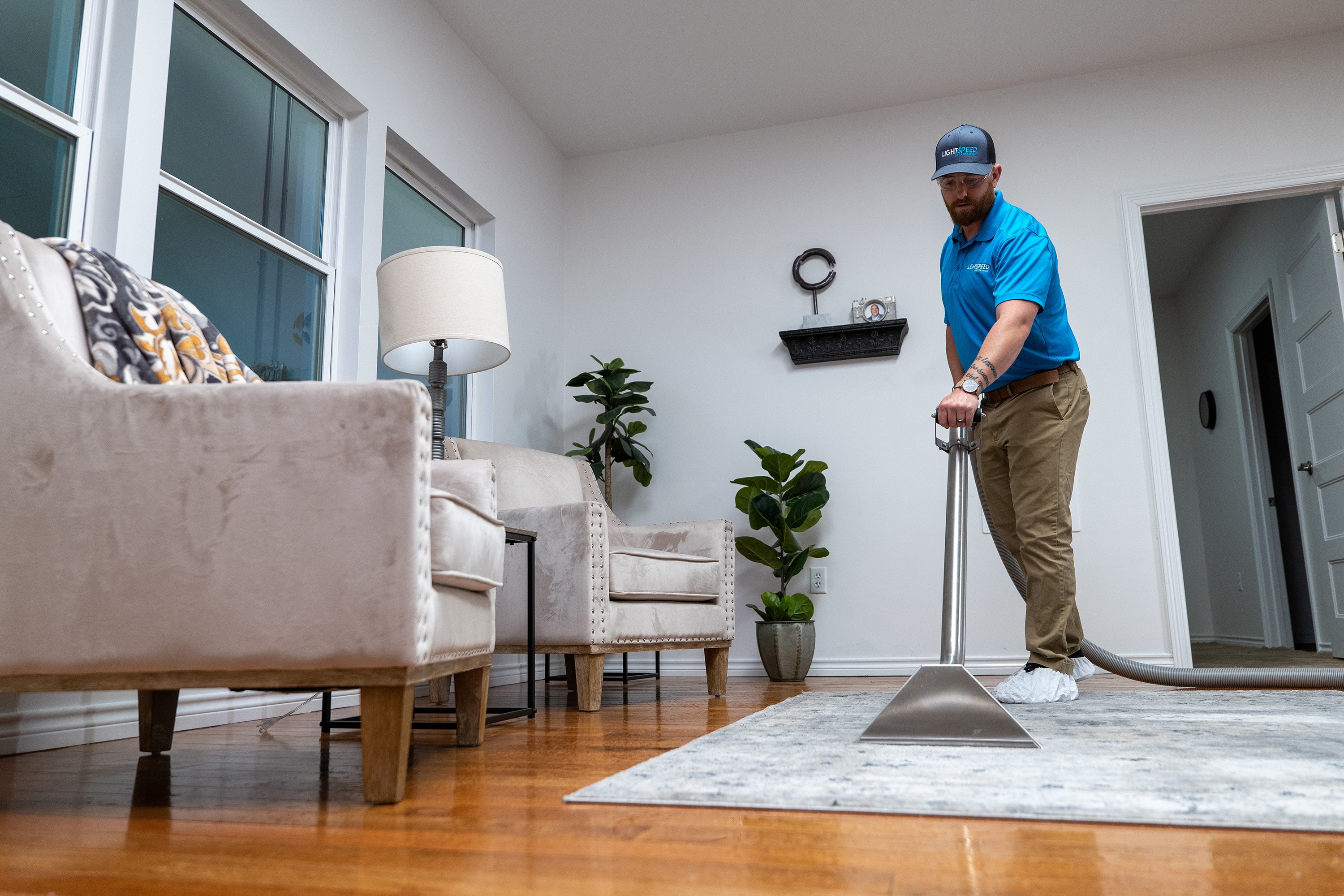
Water extraction is the first on-site step after leaks, pipe bursts, roof failures, or Central Texas storms bring excess water into a building. It’s the crucial step that removes visible standing water before it can cause further damage to your property’s structure and contents.
But extraction isn’t just about the puddles you can see. The water extraction process also focuses on removing water that has soaked into carpets, padding, drywall, and subfloors—materials that act like sponges and retain moisture long after the visible flooding is gone.
Common Austin Scenarios Requiring Water Extraction
Austin property owners face several recurring situations that demand efficient water removal:
|
Scenario |
Common Cause |
Risk Level |
|
Creek flooding |
Overflowing Colorado River tributaries during storms |
High |
|
Slab leaks |
Aging plumbing in older central Austin homes |
Medium-High |
|
AC failures |
Condensate line clogs during the hot summer months |
Medium |
|
Roof damage |
Hail-damaged roofs during the spring storm season |
Medium-High |
|
Plumbing leaks |
Supply line failures or sewage backup |
Varies |
Efficient water extraction shortens the drying process, reduces structural damage to foundations and framing, and significantly lowers the chance of mold growth developing in hidden moisture pockets behind your walls.
At Lightspeed Restoration of Austin, technicians assess the category of water before starting extraction. Clean water from a broken supply line requires different protocols than contaminated water from a sewage backup or community-wide flood. This classification determines the safe methods and protective gear needed for your specific situation.
Water Removal Techniques Used in Austin Properties
Advanced extraction tools are critical for Austin’s mix of slab-on-grade foundations, pier-and-beam homes, and commercial buildings. Each property type presents unique challenges that require specialized equipment and techniques.
Heavy-Duty Extraction Equipment
For significant flooding in areas like garages, first floors, and ground-level offices, technicians deploy:
-
Submersible pumps capable of removing up to 10,000 gallons per hour from deeply flooded spaces
-
Truck-mounted extractors that can remove 100–500 gallons per minute, ideal for severe structural damage situations
-
Weighted extraction tools are designed to squeeze and pull remaining water from both carpet and pad
Targeted Extraction for Specific Materials
Different wet surfaces require different approaches:
-
Saturated carpets and padding: Portable wet vacuums and industrial vacuum systems extract up to 80–90% of moisture from carpet fibers
-
Wall cavities and building cavities: Specialized injectidry systems force air into enclosed spaces to remove trapped water
-
Hard surfaces: Extraction from tile, vinyl, and concrete requires different techniques than absorbent building materials
Finding Hidden Water
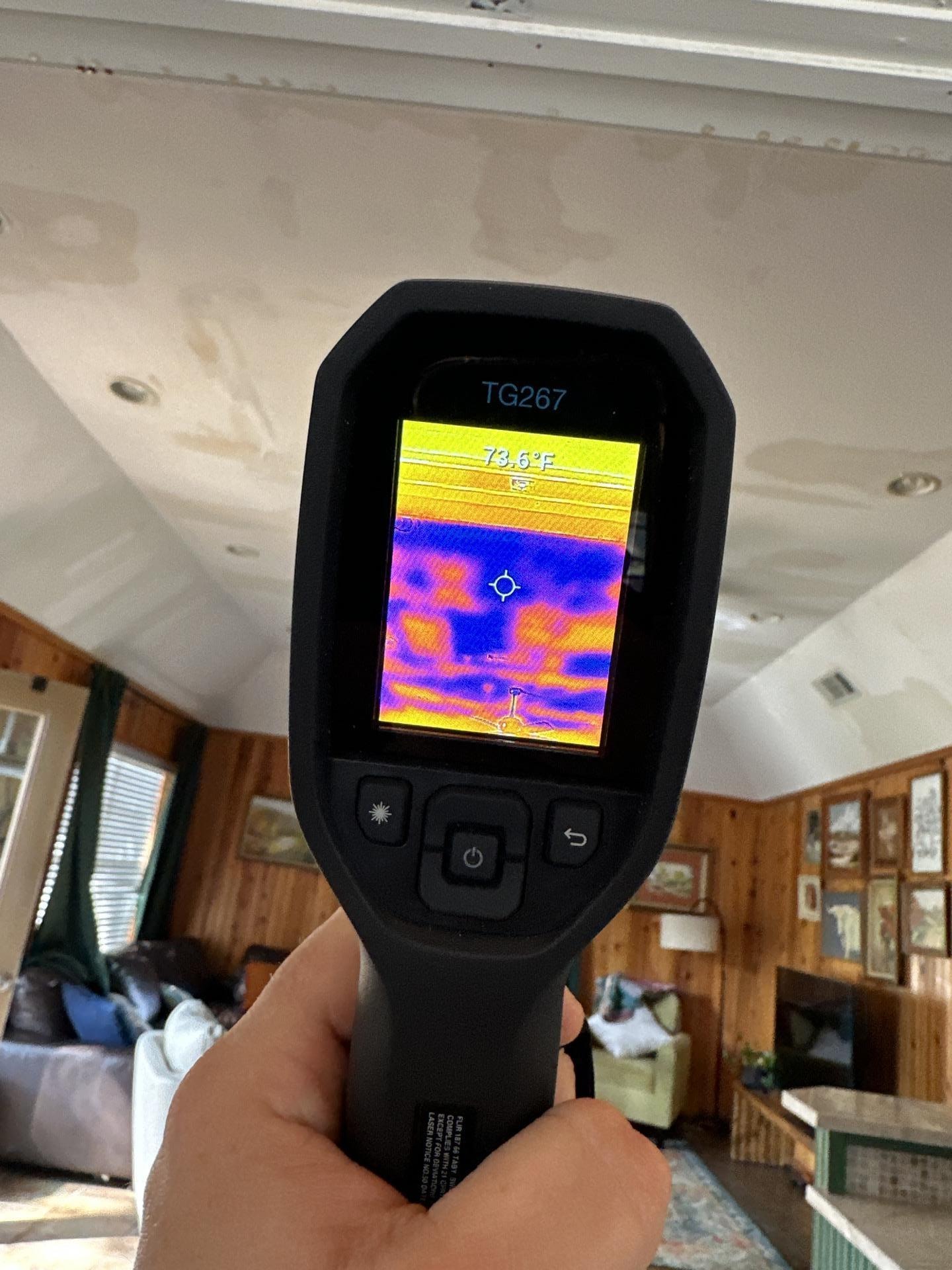
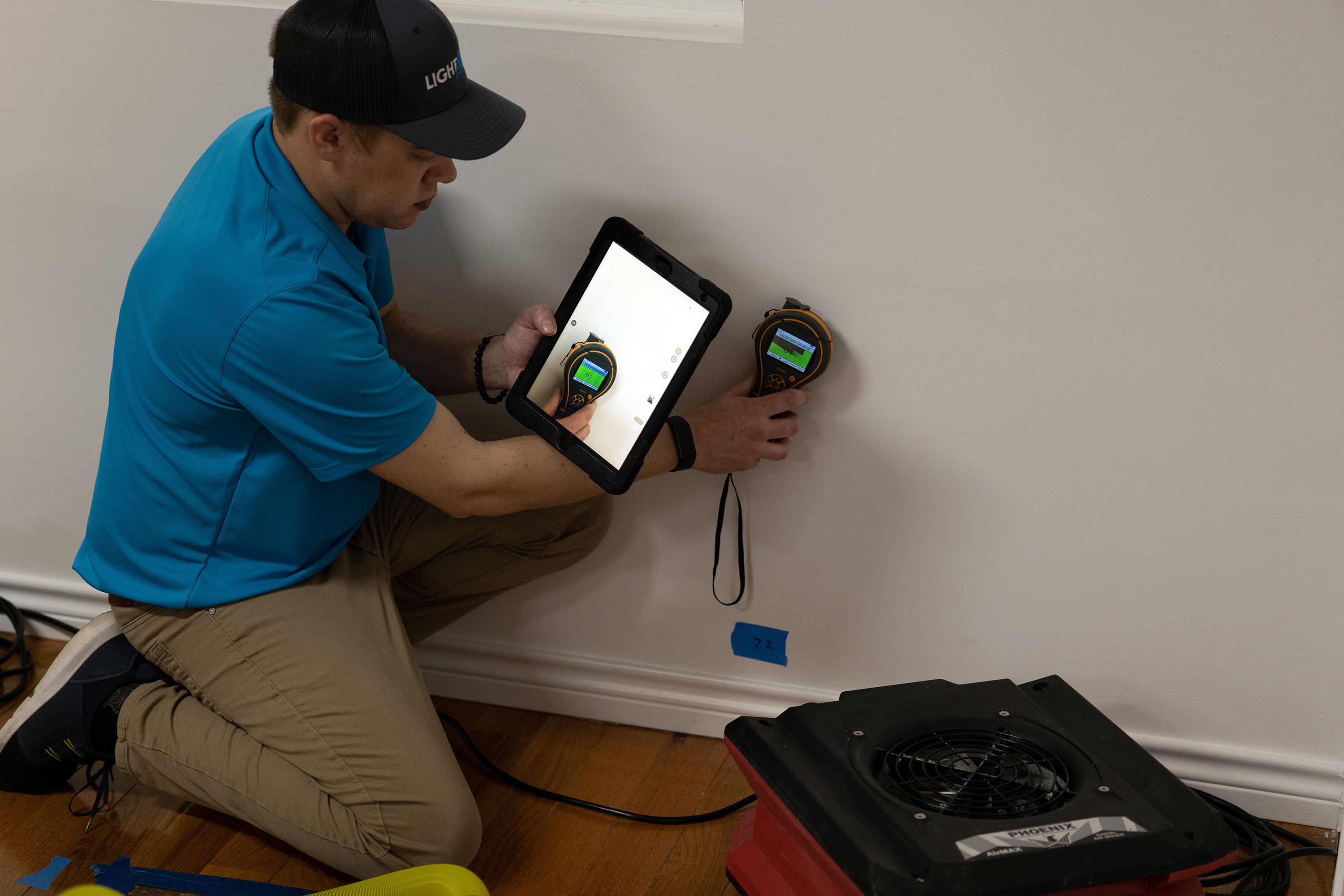
Here’s where professional water extraction services separate themselves from DIY efforts. Technicians use moisture meters and infrared cameras to locate hidden water in:
-
Wall cavities behind intact drywall
-
Under hardwood and laminate flooring
-
Around the foundation and baseboards
-
Inside building cavities that appear as dry walls on the surface
Without these tools and equipment, property owners often miss the hidden moisture pockets that lead to mold growth and secondary water damage months later.
What Is Water Remediation?
Water remediation is the complete cleanup, drying, sanitizing, and material restoration that follows initial water extraction. While extraction removes the water, remediation addresses everything that water touched—and everything that could go wrong if the space isn’t properly dried and treated.
The remediation process includes addressing secondary damage, such as:
-
Swelling of wood framing and trim
-
Delaminated flooring and warped subfloors
-
Musty odors caused by Austin’s naturally high humidity
-
Bacteria and contaminants from Category 2 or 3 water
Contents Handling and Documentation
Remediation also involves moving furniture, documenting unsalvageable items for your insurance claim, and cleaning or restoring salvageable belongings. Professional water damage restoration teams photograph and catalog everything to support your claim process.
Mold Prevention: The Central Focus
Mold mitigation is central to water remediation, especially in enclosed spaces. Austin attics, closets, and interior bathrooms with limited ventilation are particularly vulnerable. Research shows mold can begin growing within 24–48 hours when moisture levels exceed 60% relative humidity—a threshold easily crossed in Austin’s climate.
The goal of remediation is to restore your property to safe, pre loss condition while meeting industry standards like IICRC S500 and local building codes.
The Step-by-Step Process of Water Extraction and Remediation
Lightspeed Restoration of Austin follows a structured restoration process from the first phone call to the final walkthrough. Understanding these three phases (and beyond) helps you know what to expect when disaster strikes.
Step 1: Emergency Response and Inspection
When you call 512-428-8309, the emergency response begins immediately:
-
24/7 availability means technicians can reach your Austin property quickly
-
Safety checks for electrical hazards and structural integrity come first
-
Initial moisture mapping using infrared cameras and moisture meters documents the full extent of water intrusion
-
Water categorization determines whether you’re dealing with clean water, greywater, or highly contaminated blackwater
Step 2: Water Extraction
Rapid removal of standing water focuses on high-risk areas:
-
Living rooms, bedrooms, and common areas where furnishings absorb water quickly
-
Ground-level commercial suites are vulnerable to flash flooding
-
Basements and crawlspaces where water naturally pools
-
Any area where water can seep into building materials
The extraction process uses the appropriate combination of pumps, extractors, and vacuums to remove water as quickly as possible, preventing further water damage.
Step 3: Cleaning and Sanitizing
Once structures are dry, cleaning eliminates contaminants and health risks:
-
HEPA vacuuming captures 99.97% of particles as small as 0.3 microns
-
Antimicrobial treatments on porous and non-porous surfaces prevent mold growth
-
Air scrubbers filter airborne contaminants during the restoration work
-
Odor removal treatments ensure a healthy indoor environment
This step is essential for preventing health risks, including allergic reactions and asthma attacks that can result from improperly cleaned water damage.
Step 4: Drying and Dehumidification
The dehumidification process is where Austin’s climate creates unique challenges. Technicians set up:
-
Air movers generating 2,000–5,000 CFM to circulate air across wet surfaces
-
Industrial dehumidifiers pulling 80–140 pints of moisture per day
-
Strategic positioning to create psychrometric balance throughout the space
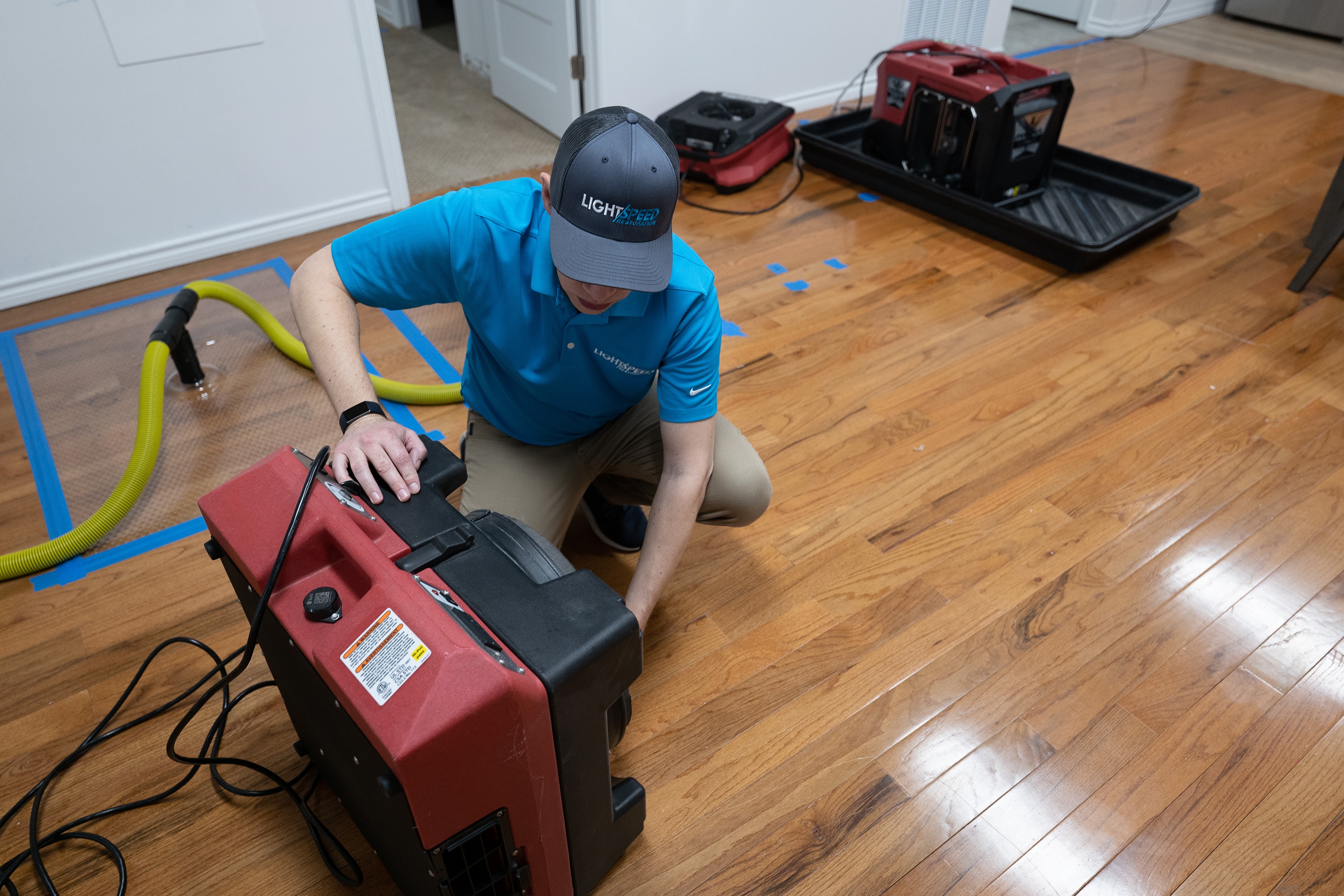
Daily moisture readings ensure the drying process progresses properly. Special attention is given to hidden cavities, crawl spaces, and areas behind baseboards where moisture lingers longest.
Step 5: Repairs and Restoration
The final phase of water damage repairs includes:
-
Replacement of damaged drywall, insulation, and flooring
-
Trim and baseboard reinstallation
-
Repainting and minor reconstruction as needed
-
Final walkthrough to confirm the property is restored
Important: Throughout this process, Lightspeed Restoration coordinates with insurance adjusters and provides photo documentation, detailed job notes, and progress updates to support your water damage insurance claim.
Austin, TX–Specific Water Damage Challenges
Austin’s climate and infrastructure patterns create unique water damage risks that property owners elsewhere don’t face.
Flash Flooding and Creek Overflow
Intense thunderstorms and flash flooding along local waterways pose constant threats:
-
Onion Creek flooding has historically displaced thousands of residents
-
Shoal Creek and Walnut Creek can overwhelm drainage systems during heavy rains
-
Natural disasters like the 2015 Memorial Day floods dropped over 8 inches of rain in hours
When creeks overflow, water backs into homes faster than property owners can respond, making rapid water cleanup essential.
Aging Infrastructure and Seasonal Risks
Central Austin’s older neighborhoods face infrastructure challenges:
|
Season |
Common Water Damage Cause |
Affected Areas |
|
Winter |
Supply line bursts during cold snaps (like 2021’s Winter Storm Uri) |
Throughout home |
|
Summer |
AC condensate line failures |
Attics, ceilings, walls |
|
Spring |
Hail-damaged roofs during storms |
Upper floors, attics |
|
Year-round |
Aging plumbing in pre-1980s homes |
Slabs, walls, crawlspaces |
Commercial Building Vulnerabilities
Flat or low-sloped roofs on many Austin commercial buildings pond water during heavy rains, leading to roof leaks that can cause extensive damage to inventory, equipment, and tenant spaces.
Humidity’s Role in Drying Challenges
Austin’s average humidity of around 70% significantly extends drying times. Without professional dehumidification, interiors remain damp long enough for mold to establish behind walls and under flooring—even when surfaces appear dry.
Local soil conditions and slab-on-grade foundations can channel water into the edges of homes, requiring careful inspection around baseboards and exterior walls. This is why water mitigation prevents far more damage than waiting to see if things “dry out on their own.”
Why Professional Water Extraction and Remediation Matter
The difference between professional remediation and DIY water cleanup with basic shop vacs and fans often doesn’t become apparent immediately. It shows up months later when mold appears, floors buckle, or your property fails inspection.
The Hidden Moisture Problem
Improperly dried structures harbor hidden moisture in subfloors and framing. Studies show that DIY cleanup efforts result in approximately 30% recurrence of hidden mold because household equipment cannot detect or remove water trapped in other materials and building cavities.
Industry Standards and Insurance Benefits
Professional crews follow industry standards like IICRC S500 for:
-
Classification of water damage categories
-
Establishing and documenting drying goals
-
Moisture verification through repeated readings
-
Comprehensive job documentation
This documentation is critical for insurance claims. Adjusters expect to see psychrometric logs and moisture readings—without them, claims may be denied or reduced.
Handling Contaminated Water
Technicians are trained to handle contaminated Category 2 and Category 3 water, including:
-
Sewage backup containing pathogens like E. coli
-
Floodwater carries bacteria and chemicals
-
Drinking water contaminated by contact with hazardous materials
Exposure to blackwater without proper protection creates serious safety hazards and long-term health risks.
Safety and Cost Benefits
Professional water damage restoration offers multiple advantages:
-
Electrical hazard management prevents shock or fire risks
-
Slip hazard mitigation protects occupants during restoration
-
Contaminant protection from bacteria, chemicals, or asbestos/lead in older buildings
-
Material salvage often saves hardwood floors and cabinets that DIY efforts would write off
Austin water damage incidents average $3,545 in costs. Professional intervention that prevents permanent damage and loss of materials often significantly reduces total restoration costs.
How Lightspeed Restoration of Austin Can Help
Lightspeed Restoration serves only the Austin, TX area with 24/7 emergency water extraction and remediation services when water threatens your property, local expertise and rapid response matter.
Properties We Serve
Our water extraction experts work with all property types in the Austin metro:
-
Single-family homes
-
Condos and apartments
-
Retail spaces and restaurants
-
Offices and professional buildings
-
Small industrial units and warehouses
Our Capabilities
As a full-service restoration company, Lightspeed Restoration provides:
-
Rapid dispatch throughout Austin and surrounding neighborhoods
-
Advanced extraction equipment, including portable extractors
-
Complete drying solutions with industrial dehumidifiers and air movers
-
Antimicrobial treatments to prevent mold growth
-
Odor removal for healthy indoor air quality
-
Rebuild and repair services to restore your property completely
Local Expertise
Our trained, background-checked technicians understand Austin building styles and materials—from historic bungalows in Hyde Park to modern townhomes in Mueller. This local knowledge helps us identify where water hides in structures specific to our area.
Call Now for Immediate Help
Call Lightspeed Restoration of Austin at 512-428-8309 for immediate help with water extraction and remediation.
Our team communicates directly with insurance carriers, providing estimates, scope-of-work documentation, and progress updates to streamline your insurance claim. We handle the restoration process so you can focus on getting back to normal.
Frequently Asked Questions About Water Extraction and Remediation
Q1: How fast should I call a professional after discovering water damage in my Austin home?
Call immediately—ideally within the first few hours of discovering water damage. Mold can begin to develop within 24–48 hours in Austin’s humid climate, and early removal significantly improves outcomes. The longer water sits, the more it penetrates building materials and the greater the chance of severe structural damage. Acting quickly is the most critical factor in limiting total damage.
Q2: Can I just use fans and a shop vacuum instead of hiring a water extraction company?
Small spills on hard surfaces may be manageable with household equipment. However, any water that has soaked into walls, floors, or ceilings requires professional equipment to remove hidden moisture pockets. Standard fans and shop vacs cannot reach water trapped inside wall cavities, under flooring, or absorbed into insulation. Without proper extraction, you’re likely to face mold problems within weeks.
Q3: How long does the water extraction and drying process usually take in Austin?
Extraction is typically completed within the first day, removing a significant amount of standing water and surface moisture. The drying and dehumidification process normally takes 3–5 days, depending on property size, affected materials, and indoor humidity levels. Category 3 blackwater situations or extensive damage may require 5–14 days, including demolition and reconstruction phases.
Q4: Does homeowners' insurance usually cover water extraction and remediation?
Many policies cover sudden and accidental water damage—such as burst pipes or appliance failures—but typically exclude long-term leaks, rising floodwater from natural disasters, and maintenance-related issues. Review your policy carefully and contact your insurer promptly after any water damage event. Lightspeed Restoration can help coordinate with your insurance carrier to document the damage and support your claim.
Q5: What should I do before Lightspeed Restoration of Austin arrives?
Take these safe actions while waiting for professional help:
-
Turn off the water source if you can safely identify and access it
-
Shut off electricity to affected areas if it can be done safely from a dry location
-
Move valuables and important documents out of standing water
-
Avoid walking through contaminated water if sewage backup is suspected
-
Take photos or video of the damage for your insurance claim
-
Do not use household vacuums on large amounts of water—they aren’t designed for it and create electrical risks
When water damage strikes your Austin property, every hour counts toward preventing permanent damage and mold growth. Professional water extraction and remediation protect both your property’s structural integrity and your family’s health.
Don’t let water damage turn into a long-term nightmare. Call Lightspeed Restoration of Austin at 512-428-8309 for 24/7 emergency response. Our local team is ready to extract water, completely dry your property, and restore it to its pre-loss condition—while handling insurance coordination so you don’t have to.