

Wondering how much water damage restoration costs in Austin, TX? Most homeowners spend between $1,244 and $9,465, with smaller leaks typically costing $750 to $2,000 and extensive flooding costing $21,000 or more. On average, restoration costs about $3,545 but can vary depending on the area affected, the type of water, and the speed of mitigation. For comparison, the national average for water damage restoration is around $3,000 to $7,500, giving Austin homeowners a useful benchmark.
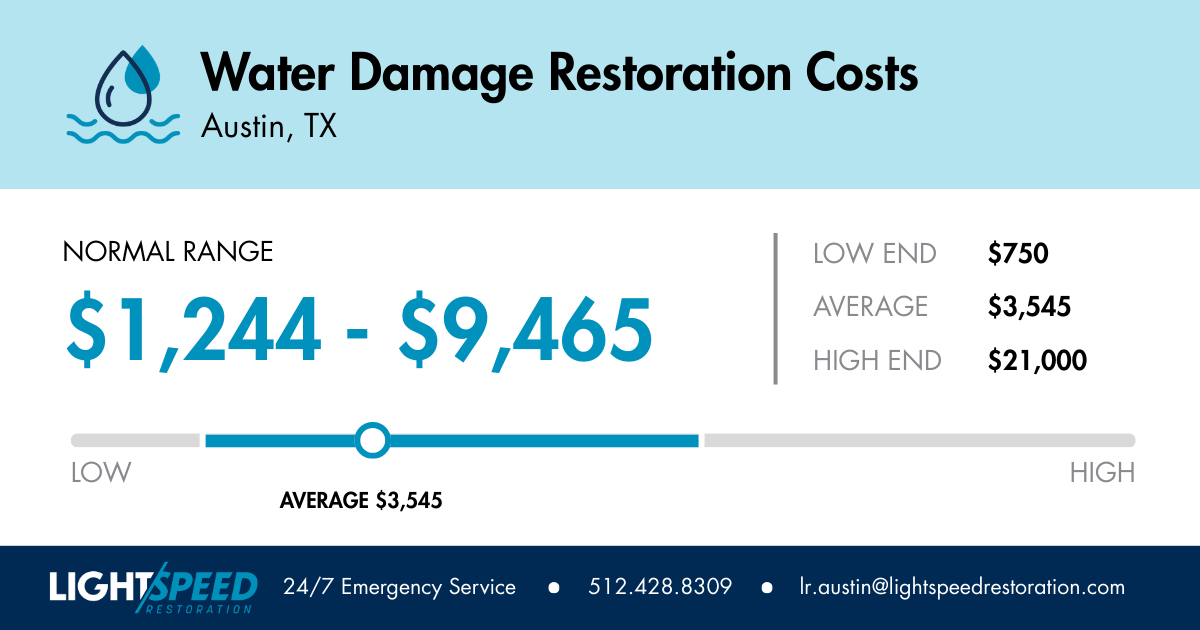
Common causes of water damage include roof leaks, appliance failures such as washing machines or dishwashers, supply line breaks from toilets, hot water heaters, and other plumbing issues. These incidents can lead to significant restoration costs depending on the severity and extent of the damage. Water extraction, drying, and dehumidification usually run $4–$8 per sq. ft.; reconstruction really depends - a good rule of thumb is 2-3 times the price for 3-day drying. In Austin, the cost of water damage restoration can range from $1,244 and $9,465, depending on several factors, such as the extent of the damage, the type of water involved, and the speed of repairs. Major projects or severe cases can reach into the thousands of dollars, depending on the extent of the damage and the emergency nature of the service.
Because every home and water loss is different, understanding these averages helps Austin homeowners plan ahead and make informed decisions before the damage spreads. Factors like the category of water, how long materials remain wet, and whether mold prevention or specialty drying is needed all impact the final total.
At Lightspeed Restoration of Austin, our IICRC-certified team offers transparent estimates, thorough moisture mapping and documentation for insurance, and full-service restoration—covering emergency water removal through complete reconstruction. Professionals also assess moisture levels to determine the extent of water damage and the risk of mold growth. Available 24/7, we restore your home quickly and professionally. Emergency water damage repair or after-hours work commands premium rates due to the urgency and resources required.
Acting quickly is crucial—a prompt response can minimize costs associated with mold and structural repairs.
Key Factors That Affect Water Damage Restoration Costs
Several key factors determine how much water damage restoration costs in Austin, TX, and understanding them helps explain why two jobs with similar square footage can have drastically different totals. Water damage repair costs are influenced by several factors, including the severity and visibility of the damage.
-
Extent of damage: The severity of the damage and how long the water has been present (damage severity) directly impact the cost to repair water damage. Longer water exposure increases the extent of damage to structural components, leading to higher repair costs and more extensive remediation efforts.
-
Visible damage: The extent of visible damage affects repair costs, as more extensive damage often requires more labor and materials to restore.
-
Type of water: Clean water, gray water, and black water each require different remediation approaches, impacting the overall cost.
-
Location and materials affected: Water damage repair costs can vary depending on whether the damage is to drywall, ceilings, flooring, or electronics, as each material has different restoration requirements.
-
Minor repairs: Minor repairs, such as patching, cosmetic fixes, or small replacements, are often included in the total restoration cost and are important for restoring a property to its pre-damage condition.
1. Type of Water
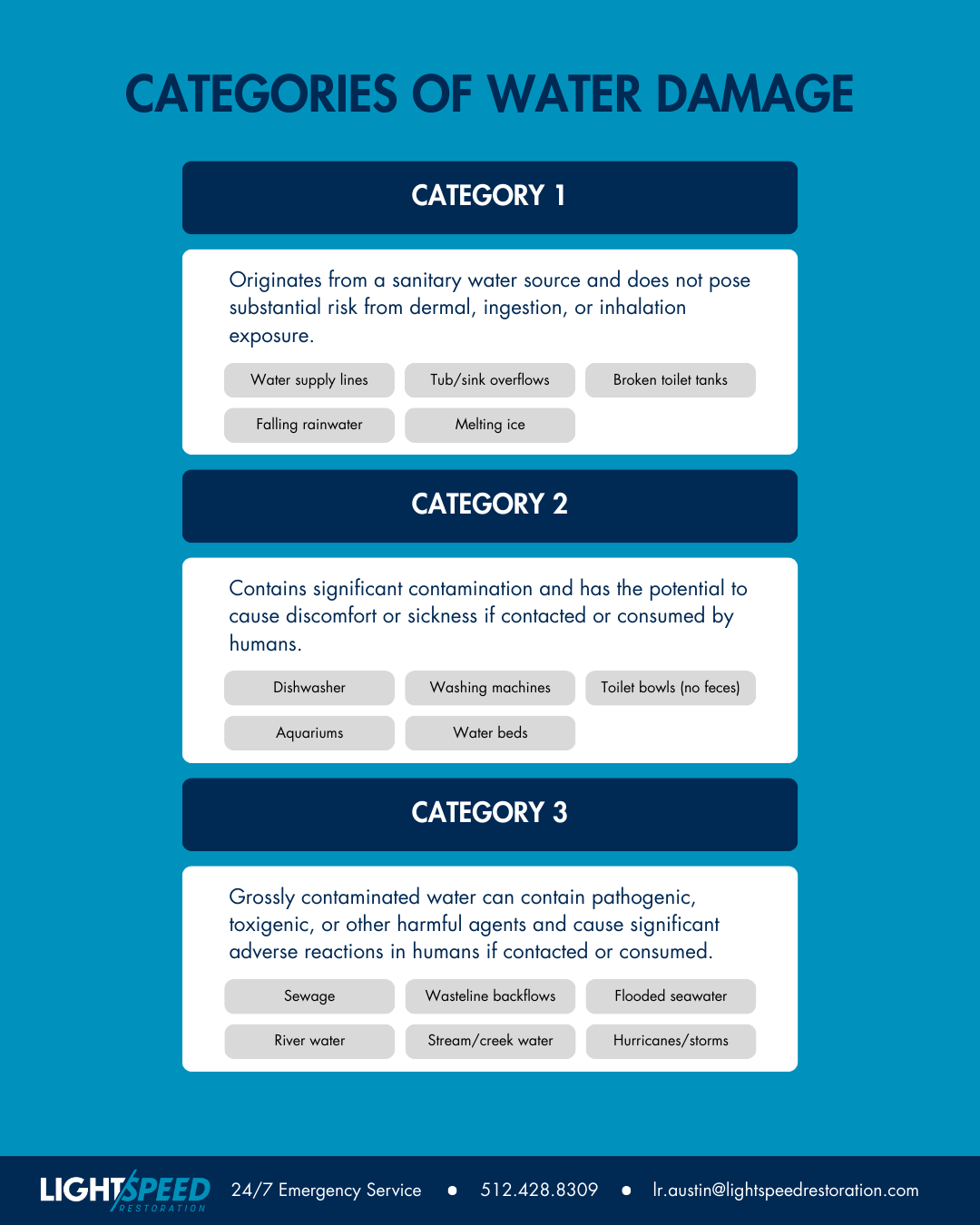
The category of water—clean, gray, or black—has the biggest impact on cost:
-
Clean water (Category 1): From burst pipes or supply lines; typically the least expensive to remediate.
-
Gray water (Category 2): From appliances or sink overflows; requires more labor, antimicrobial treatment, and protective gear.
-
Black water (Category 3): From sewage backups or floodwaters; the most costly due to demolition, hazardous disposal, and sanitization. With few exceptions, any material affected by category 3 water must be removed.
2. Size and Accessibility
The larger or less accessible the area, the higher the cost. If flooding affects entire rooms or even entire floors, it requires more intensive cleanup and specialized equipment, significantly increasing restoration costs. Water trapped behind cabinetry or under flooring in older Tarrytown homes can be harder to dry than open spaces in newer Bee Cave or Lakeway builds. Pooling water in basements or across entire rooms can lead to severe flooding, and restoration costs for such situations typically exceed $7,500.
3. Building Materials
The types of materials affected by water damage play a major role in determining the cost of water damage restoration in Austin, TX. Some materials can be dried and salvaged; others must be removed and replaced. Even minor flooding can cause subfloor damage, which may not be immediately visible but can lead to structural issues, mold growth, and often requires professional repair.
Hardwood, plaster, and custom cabinetry generally cost more to restore because they require specialized skills and materials, while options like vinyl plank or drywall are less expensive and easier to replace. Luxury homes in areas such as West Lake Hills often have high-end finishes, which increase both materials and labor costs compared to homes with standard finishes.
Water-damaged appliances can also increase restoration costs, as they may be expensive to repair or require replacement, especially if electrical components have been compromised.
For example, Level 5 drywall, common in luxury homes, requires multiple skim coats, extensive sanding, and precise finishing—making it significantly more time-consuming and costly to repair than traditional textured drywall and paint applications.
Repairs and restoration may involve structural fixes, drywall replacement, and flooring repair after water damage.
Below are key categories and what homeowners should know.
a. Flooring Materials
When it comes to flooring:
-
Real hardwood floors can often be dried and salvaged if addressed quickly, which may lower reconstruction costs. Industry standards recommend attempting to dry for up to 48 hours before deciding whether to remove and replace.
-
Vinyl and luxury vinyl plank (LVP) flooring, as well as other plastic-based materials, must be removed after water damage, regardless of water type. This is because these materials trap moisture beneath them, making it impossible to dry the area properly. Unlike some wood or tile floors, which may be salvaged if addressed quickly, these materials cannot be salvaged.
-
Engineered wood falls in between but often needs to be removed due to bubbling, warping, or separation of the top veneer layer once moisture is absorbed.
-
Tile flooring generally remains intact and can often be salvaged. However, when installed over a wood subfloor, moisture may become trapped below; in that case, the tile must be removed to dry the subfloor—also following a 48-hour drying-evaluation standard.
b. Cabinetry and Vanities
Cabinets and vanities are another major cost driver in water damage restoration, especially in kitchens and bathrooms.
-
Solid hardwood cabinets can typically be dried and restored, depending on the duration and source of the water exposure.
-
Medium-density fiberboard (MDF) and particleboard cabinetry are usually damaged and need to be removed and replaced after water exposure. These materials swell, deteriorate, and lose strength when wet, unlike solid hardwood cabinets, which can be dried if water exposure is brief and limited.
-
Even real-wood cabinets may need to be detached from the wall if the wall behind them (particularly exterior walls) was affected. Exterior walls often contain insulation, which can hold moisture and promote mold growth if not properly dried and treated.
c. Finishes and Specialty Materials
Homes with higher-end finishes—like Level 5 drywall, decorative plaster, or imported tile—naturally have higher material and labor costs for restoration. Repairs to these finishes require skilled tradespeople, extended drying time, and multiple finishing passes to achieve a seamless result.
Luxury homes in Austin also tend to feature real-wood baseboards and crown molding rather than MDF. These real-wood trims can often be dried and reinstalled if removed carefully and free of mold or structural damage. However, if the wood trim is cracked, swollen, or shows microbial growth, it must be replaced—and real-wood millwork is significantly more expensive to reproduce compared to MDF alternatives.
MDF baseboards and crown molding, on the other hand, behave similarly to MDF cabinetry or vanities—they absorb water quickly, swell, and deteriorate, meaning they must be fully removed and replaced once exposed to water.
Because Austin's luxury market includes many custom builds, these details can add thousands to a project's bottom line—especially when trim profiles, textures, or paint finishes must be matched precisely during reconstruction.
4. Equipment and Duration
Structural drying typically takes 3 to 5 days, depending on the material and its level of saturation. Emergency water cleanup requires essential equipment, such as specialized tools and gear, to respond quickly and effectively to situations like pipe bursts or black water flooding. The sooner extraction begins, the shorter the drying cycle—and the lower the total cost. Prolonged moisture exposure can increase the severity of damage and invite mold growth, which escalates repair costs.
As a general rule, reconstruction costs are 2 to 3 times the cost of a 3-day drying cycle. In other words, starting mitigation immediately can significantly reduce rebuild expenses.
5. Labor and Emergency Response
After-hours or weekend calls always include an increased rate for emergency response and remediation. Emergency water damage repair commands higher labor rates, typically ranging from $111 to $317 per hour in Austin. Emergency water damage restoration services are available 24/7 and may incur additional costs due to urgency. While emergency service can increase initial costs, it is crucial to prevent mold growth and further damage. However, insurers typically approve and cover these costs, recognizing that faster mitigation reduces total claim expenses by preventing further structural damage and minimizing reconstruction costs.
Burst Pipe Repair and Prevention
Burst pipe repair is one of the most urgent and costly aspects of water damage restoration, as a single burst can release hundreds of gallons of water in minutes, leading to significant water damage and the need for immediate action. The average cost for burst pipe repair in Austin typically ranges from $1,000 to $4,000, depending on the severity of the break, the location of the pipe, and how quickly the issue is addressed. Minor repairs, such as fixing a small crack in an accessible pipe, may fall on the lower end of this range, while more extensive damage—especially in hard-to-reach areas or involving multiple rooms—can drive the repair cost higher.
Addressing a burst pipe promptly is essential to prevent further damage to your home’s structure, flooring, and personal belongings. Delaying repairs can lead to more extensive water damage, increased risk of mold growth, and the need for additional structural repairs, all of which can significantly raise the overall damage restoration cost.
While some minor repairs might seem manageable for handy homeowners, it’s crucial to recognize when professional restoration is needed. A certified water damage restoration company will not only repair the burst pipe but also assess the affected area for hidden moisture, ensure proper drying, and restore your property to its pre loss condition. Professional restoration teams use specialized equipment to detect and address moisture behind walls or under floors, reducing the risk of future water damage and costly repairs.
Prevention is key to avoiding burst pipes and the associated water damage restoration costs. Regularly inspect your plumbing system for signs of wear, corrosion, or leaks, and insulate exposed pipes—especially during Austin’s occasional cold snaps. Scheduling routine maintenance and addressing minor repairs early can help prevent major pipe failures and keep your repair costs in check.
By acting quickly and relying on professional restoration services, homeowners can minimize the impact of burst pipes, prevent further damage, and control the average cost of water damage restoration in Austin.
The Water Damage Restoration Process: What to Expect
When facing water damage, understanding the restoration process can help property owners feel more in control and make informed decisions about their home. Each step in the restoration process not only impacts the timeline but also the overall water damage restoration cost and the likelihood of preventing further damage or costly repairs down the line.
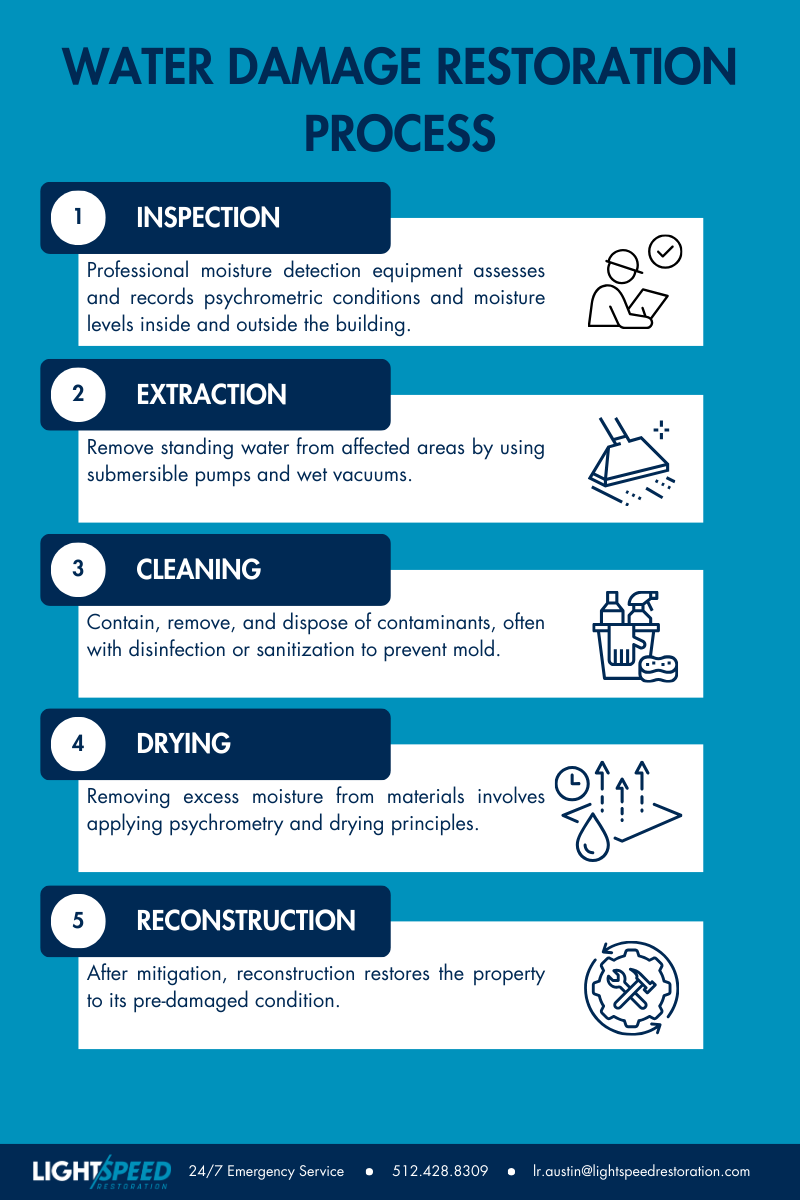
1. Inspection. The restoration journey begins the moment you reach out to a water damage restoration company. Professionals will quickly assess the affected area, identify the source of the water, and determine whether the water involved is clean water, gray water, or contaminated by a sewage backup. This initial assessment is crucial, as it shapes the entire restoration process and helps estimate the repair cost. Early identification of potential mold growth or structural issues can also prevent more extensive repairs and higher damage restoration costs later.
2. Water Extraction. Once the situation is evaluated, the next priority is water extraction. Using specialized equipment such as industrial pumps and wet/dry vacuums, technicians remove standing water from the property. Rapid water extraction is essential to minimize further damage to building materials and to reduce the risk of mold growth, especially in areas like hardwood floors or crawl spaces. The cost of this step can vary widely depending on the volume of water and how accessible the affected area is.
4. Cleaning and Sanitization. Before drying can occur, thorough cleaning and sanitization are performed to eliminate health hazards and prevent mold growth. This is especially important if the water involved was gray water or resulted from a sewage backup, as these scenarios pose significant health risks. All affected surfaces are disinfected, and any materials that cannot be salvaged are safely removed. This step ensures the environment is safe for occupants and helps prevent future growth of mold or bacteria.
3. Drying and Dehumidification. After the bulk of the water is removed and the area is cleaned, the focus shifts to drying and dehumidification. Industrial fans and dehumidifiers are deployed to draw out moisture from walls, floors, and the air. This step is vital for restoring the property to its pre loss condition and for maintaining the structural integrity of the building. The duration and complexity of this phase depend on the extent of the water damage and the types of materials affected—hardwood floors, for example, may require more time and specialized care to avoid warping or further damage.
5. Reconstruction. The final phase is repair and restoration, where the property is returned to its original state—or better. This can include structural repairs, replacing drywall, reinstalling flooring, and repainting. The average cost of these necessary repairs can vary widely based on the extent of the damage and the materials required. The goal is complete restoration, ensuring the home is both safe and visually appealing, with all signs of water damage fully addressed.
By understanding each stage of the water damage restoration process, property owners can better anticipate the steps involved, the potential restoration cost, and the importance of acting quickly to minimize both health hazards and repair costs. Working with a professional restoration company ensures that every phase is handled efficiently, using the right specialized equipment and expertise to restore your property to its pre-loss condition.
What Is the Average Cost of Water Damage Restoration?
So, what is the average cost of water damage restoration in Austin? According to current market data and industry pricing software (Xactimate regional rates), the average homeowner spends around $3,545 for water damage restoration, excluding reconstruction services. The typical price for water damage restoration nationally is about $3,866, giving homeowners a benchmark for what to expect. Homeowners pay these amounts either out of pocket or through insurance, depending on their policy coverage.
|
Minor leak (< 150 sq. ft.) |
$750 – $2,000 |
|
Moderate damage (1-2 rooms) |
$2,500 – $7,000 |
|
Severe multi-room damage (entire floor) |
$8,000 – $21,000 |
Cost per Square Foot: Breaking Down the Numbers
If you prefer to calculate by area, how much does water damage restoration cost per square foot is another helpful metric. Water damage repair costs per square foot can vary significantly depending on the type of water involved (clean, gray, or black water) and the specific materials affected, such as drywall, flooring, or ceilings.
-
Mitigation (extraction and drying): $4–$8 per sq. ft.
-
Reconstruction (repairs & finishes): depends on the extent of damage and the types of material.
At Lightspeed Restoration, we use precise moisture mapping and data-driven run-times for our equipment, ensuring fair and transparent billing every time.
DIY vs. Hiring a Professional: What You Need to Know
DIY cleanup may seem cheaper, but it rarely addresses hidden moisture behind walls or under floors. Without industrial dehumidifiers and hygrometers, you can’t verify dryness to IICRC S500 standards. Hidden moisture leads to mold growth, warped materials, and possible insurance denial.
Regular maintenance of your plumbing system and roof is essential to prevent leaks and burst pipes, which are common causes of water damage. Installing a sump pump in basements or flood-prone areas can help redirect water away from your home and prevent costly foundation or wall damage. Routine maintenance and early detection through water leakage detection systems within your plumbing system can further reduce the risk of major water damage.
Hiring certified professionals ensures correct structural drying, containment, and documentation for insurance claims. Lightspeed Restoration of Austin uses commercial-grade equipment to verify proper dryness across all materials. Additionally, hiring a certified restoration company can help prevent future water damage issues by identifying vulnerabilities and recommending preventive measures.
How Restoration Companies Estimate Costs (Xactimate, Symbility & ITEL)
When insurance is involved, most water damage restoration companies in Austin—including Lightspeed Restoration of Austin—use Xactimate, Symbility (CoreLogic Claims Workspace), and ITEL to calculate accurate, transparent job costs. Water damage restoration companies typically provide services such as water extraction, cleaning, and dehumidifying, and may also coordinate additional services like carpeting, painting, or roofing if needed. These systems are recognized nationwide by insurers and ensure every homeowner is billed fairly and consistently.
Xactimate and Symbility: Standardized Pricing Tools
-
Break every task into line items with regionally specific labor and material rates.
-
Pricing updates monthly for the Austin area.
-
Aligns the contractor's and insurer's scopes to prevent inflated or arbitrary billing.
ITEL: Identifying Materials and Replacement Pricing
While Xactimate and Symbility determine labor and task costs, ITEL identifies what materials are being replaced. Samples of flooring, cabinetry, or countertops are analyzed to confirm the exact product type and quality. ITEL then provides a standardized insurance replacement cost, ensuring homeowners receive like-kind, quality materials even if the originals are discontinued.
Continuous Flooring and Full Replacement
If a home has continuous flooring—say, 1,200 sq ft of engineered wood on the first floor—but only 50 sq ft was damaged, insurance typically covers replacement of the entire continuous area if a match cannot be found. ITEL verifies the flooring type, and the insurer uses that pricing for full-area replacement.
This same principle applies to cabinets and vanities when matching stains or finishes is impossible. Together, Xactimate, Symbility, and ITEL provide objective, consistent data for fair, transparent claim settlements.
Insurance and Out-of-Pocket Costs
Most water damage restoration costs in Austin, TX, are at least partially covered by homeowners' insurance if the damage is sudden and accidental (like a burst pipe). Gradual leaks or external flooding typically require separate coverage.
Professional restorers like Lightspeed Restoration of Austin handle all documentation—photos, moisture logs, and itemized estimates—to ensure a smooth claim and help homeowners maximize their payout.
See our comprehensive guide on water damage insurance claims in Austin, TX, for more information on working with insurance.
How to Reduce or Prevent Water Damage Costs
Even though accidents happen, a few proactive steps can greatly reduce the average cost of water damage restoration for your Austin home.
-
Act fast—start extraction immediately. Delaying water damage restoration can lead to mold growth and more extensive repairs.
-
Maintain plumbing, appliances, and roof systems.
-
Use smart leak detectors near sinks and water heaters.
-
Schedule annual HVAC drain and roof-drain inspections.
-
Waterproof basements to prevent future damage and long-term structural issues.
-
Choose a certified local firm that follows IICRC standards.
Real Austin Case Studies & Transparent Pricing Examples
To better understand how much water damage restoration costs in Austin, TX, here are real examples from Lightspeed Restoration of Austin jobs. Each shows how timing, materials, and water type affect both mitigation and reconstruction totals.
Jester – Overflowing Bathroom Sink
A child left a running sink upstairs, sending water through the ceiling into the kitchen below. Two air movers and one small dehumidifier dried the cavity after the ceiling light was removed.
-
Mitigation cost: $750
-
Rebuild cost: $0
Caught quickly, no demolition or reconstruction was required.
Cedar Park – Broken Toilet Supply Line
A homeowner came home to water flowing from the front door after a supply line ruptured. The entire first floor was flooded; crews performed two-foot flood cuts on all exterior walls, removed carpet pad, vinyl flooring, and kitchen cabinetry.
-
Mitigation cost: $19,000
-
Reconstruction cost: $25,000
Even with builder-grade materials, the full-floor saturation made this a large-loss project.
West Lake Hills – Sewage Overflow
Two toilets overflowed simultaneously, producing Category 3 black-water contamination. All porous materials—carpet, padding, drywall, insulation, and baseboards—were removed before drying. Tile surfaces were sanitized and retained.
If water damage is not addressed quickly, mold remediation is often necessary, as mold can develop within 24 to 48 hours. Mold remediation, which involves air purification and replacing contaminated materials, can add between $500 and $6,000 to total restoration costs.
-
Mitigation cost: $8,500
-
Reconstruction cost: $21,000
This case illustrates how the contamination level, not just the area size, drives cost increases.
Barton Creek – Overnight Toilet Supply Line Leak
A supply line ran overnight, flooding half the home and affecting real hardwood floors, kitchen cabinets, exterior walls, and baseboards. The duration of water exposure significantly increased the damage severity, resulting in extensive visible damage throughout the property.
The team performed a full extraction and attempted to dry both cabinets and hardwood flooring for 48 hours. Moisture readings in the insulation behind exterior-wall cabinets remained high, so those cabinets were detached.
Roughly 75% of the hardwood floor was saved and dried, but 25% on the low-slope side absorbed too much water and needed to be replaced. The extent of visible damage, including areas with sagging ceilings and saturated materials, contributed to the high restoration costs.
-
Mitigation cost: $15,000
-
Reconstruction cost: $45,000. Because the property featured high-end finishes and real-wood materials, reconstruction costs were higher—even though prompt action preserved most of the flooring.
These cases show how quickly response time and material quality can swing totals, from hundreds of dollars to tens of thousands. Fast professional mitigation always saves money in the long run.
Conclusion: Fair, Local, and Transparent Water Damage Restoration in Austin
When it comes down to it, how much does water damage restoration cost in Austin, TX, depends on many factors—but typical projects fall between $3,000 and $8,000, or roughly $4–$8 per sq. ft. for mitigation. Understanding the average cost of water damage restoration and how it's calculated helps homeowners make confident, informed decisions after a loss.
By choosing Lightspeed Restoration of Austin, you gain a trusted, IICRC-certified local partner that uses Xactimate, Symbility, and ITEL for transparent pricing and handles every step—from emergency water removal to full reconstruction.
If your home or business experiences a leak, burst pipe, or flood, don't wait. Learn more about our water damage restoration services in Austin or call Lightspeed Restoration of Austin at 512-428-8309 for a transparent inspection and estimate. We'll help you understand exactly how much water damage restoration costs in Austin, TX, and restore what matters most—your home, safety, and peace of mind.