

Water damage can escalate quickly—especially when emergency water removal hasn’t been handled yet. Once active water is stopped, the next phase is emergency water damage repair, which focuses on restoring structural materials, flooring, and affected areas safely and correctly.
If water is actively spreading in your home, contact our 24-hour emergency water removal services in Austin immediately before repairs begin.
The good news? Help is only a phone call away. Call 512-428-8309 now for help in Austin, TX. Our team at Lightspeed Restoration of Austin responds fast to protect your home and begin the restoration process immediately, with emergency service available day or night. We have the resources—equipment, skilled team, and advanced tools—needed for a quick response and effective restoration.
In this guide, we’ll walk you through the essential steps of addressing water damage—from identifying the source to completing repairs. You’ll also learn how to tackle specific challenges like repairing wood surfaces and floor joists, estimating repair costs, and working with your insurance company.
By the end, you’ll know exactly how to take action and restore your home safely—starting with a call to the experts who handle it all.
Understanding Water Damage and Its Impacts
Water damage can cause various complications. It can affect structural integrity, wiring, and even mold growth. In residential properties, water damage can compromise the home’s safety, putting residents at risk and threatening the stability of the building. Ceiling water damage, in particular, can compromise a home’s safety and should be addressed promptly to protect the property and its residents. Prompt water cleanup, thorough drying, and professional restoration are essential to ensure the home's safety and prevent further hazards. It’s important to distinguish between damage to the building (the structure itself, typically covered by landlord insurance) and personal contents, which may require separate coverage. Recognizing its impacts is vital for planning effective repairs.
Flooding, burst pipes, and roof leaks are familiar sources. Sudden pooling water and the presence of multiple warning signs at once are strong indicators of water damage. Hidden leaks can also lead to significant water damage over time. Each situation requires unique approaches to repair and mitigation, especially in residential buildings. The extent of damage often dictates the complexity of the repair work needed.
Addressing water damage involves multiple steps. First, assess its severity. Then, the appropriate interventions will be planned to mitigate and repair the damage effectively.
Consider the potential impact on property value. If left unchecked, water damage can significantly decrease your home’s worth. Proper repair and maintenance can mitigate this risk.
Homeowners must be proactive. Regular inspections and maintenance can prevent water damage from becoming a costly issue.
Categories and Classes of Water Damage
Understanding water damage categories is crucial. There are three primary categories, each with distinct characteristics. These categories help determine the necessary response actions.
-
Category 1: This water comes from a sanitary source, such as a bathtub overflow or refrigerator line leak. It doesn’t pose a significant risk to people.
-
Category 2: Grey water. This water is significantly contaminated with bacteria, mold, or chemicals. It can come from dishwashers, washing machines, or toilet bowls. If consumed or contacted, it can cause discomfort or sickness.
-
Category 3: Blackwater. This water is highly contaminated and can contain disease-causing organisms and toxins. It can cause severe health risks if consumed or contacted. Examples include sewage, flooding from seawater, and rising water from rivers or streams.
Classes of water damage describe the impact on materials and the environment. The higher the class, the longer the drying process required. Effective water damage repair relies on identifying both categories and classes.
Advanced drying and moisture detection techniques are essential to prevent hidden water damage and mold growth. Using specialized moisture detection technology helps ensure all affected areas are thoroughly dried and reduces the risk of future problems.
The Importance of Quick Action
Acting swiftly minimizes the extent of water damage. Water spreads rapidly and can cause significant harm in mere hours.
It is crucial to choose a restoration company that can respond and address the problem quickly. Companies that provide a rapid emergency response time, ideally within one hour, can help prevent further issues.
Quick action reduces repair time and cost. It also helps in preventing secondary issues like mold growth and structural deterioration.
Delays allow water to penetrate deeper, causing long-term problems. Swift intervention is your first line of defense against mounting costs.
Safety First: Precautions Before Repair Work
Before starting repairs, ensure safety by turning off electricity in affected areas. Water and electricity can be a deadly combination.
Wear protective gear like gloves and masks. They protect against exposure to contaminated water and prevent health issues.
Proper ventilation is essential. Good airflow reduces mold risk and allows for safer working conditions. Prioritizing safety safeguards for both you and your property.
Initial Steps to Address Water Damage
Addressing water damage begins with a methodical approach. The initial steps are crucial to prevent further damage and prepare for repairs. Start by analyzing the situation promptly.
Once the water source is isolated, focus on protection. Valuable items should be moved to a safe location to avoid further loss. This stage is about minimizing potential damage.
Protective measures should be immediate. Act to stop water flow and remove water-logged materials. This helps in drying and salvaging efforts.
Key Initial Steps:
-
Perform leak detection to accurately identify the source of water, such as roof leaks, burst pipes, or AC condensation.
-
Identify and stop the water source.
-
Move valuables to a dry area.
-
Wear protective gear and shut off electricity.
-
Remove standing water quickly. Use buckets, towels, or wet vacuums for water removal, and call professionals for significant flooding. High-powered truck-mounted pumps are used for water extraction to prevent water from soaking into floors and walls.
-
Document all damage for insurance purposes.
Remember, a comprehensive response plan limits damage. Preparing thoroughly ensures a smoother repair process. Execute these steps with urgency and precision.
Identifying the Source of Water Damage
The first task is to locate where the water is coming from and determine whether it’s caused by a burst pipe, roof leak, or natural disaster. Plumbing issues, such as leaking or burst pipes, overflowing sinks, and toilets, are also common sources of water damage. Common causes of ceiling water damage include roof leaks, burst pipes, and HVAC leaks.
Understanding the source dictates the approach to repairs. Knowing the cause helps prevent recurrence. Depending on the origin, repair efforts can vary widely.
Identifying the water source can be complicated. Sometimes, it requires checking various potential entry points. Careful inspection is critical to finding hidden leaks.
Stopping Further Water Intrusion
Once identified, halt the water flow immediately. If a pipe is the culprit, shut off the main water valve.
Cover roof leaks temporarily until permanent repairs can be made. Use tarps or temporary patching materials to prevent more water from entering.
Swift action limits damage by stopping additional water from entering. This step is vital in mitigating the extent of repairs needed later.
Documenting the Damage for Insurance
Proper documentation is essential. It aids in insurance claims and helps visualize the damage scope.
Take clear pictures and videos. Capture from multiple angles to illustrate the full extent of water damage.
Write detailed descriptions of all affected areas. This strengthens your case when communicating with insurance adjusters, and accurate records ensure a smoother claims process.
Drying Out the Affected Area
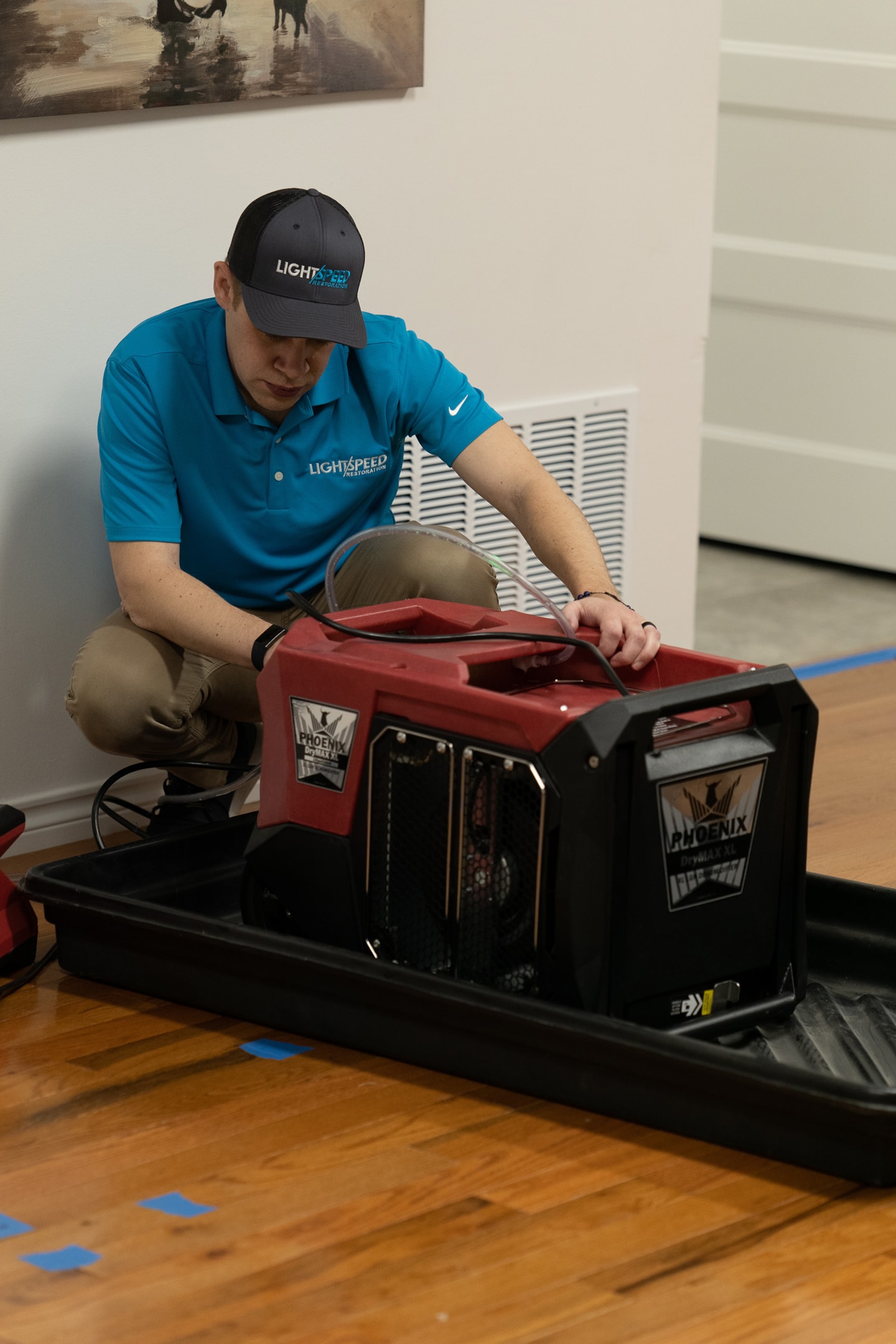
Drying is a critical phase in water damage repair. Properly drying the area reduces the chance of mold growth. Mold can start growing within 24-48 hours, so act fast.
When drying, focus on both surface and hidden moisture. Walls, carpets, and furniture absorb water readily. Attention to detail ensures that all areas become completely dry.
Steps in Drying:
-
Use professional-grade equipment to speed up drying.
-
Circulate air with open windows if weather permits.
-
Utilize dehumidifiers to lower humidity levels.
-
Check moisture levels with moisture meters.
-
Inspect cavities and underflooring for hidden moisture.
Ensure materials are dry before proceeding with repairs. This is crucial in preventing future water-related problems. Complete drying is foundational to effective water damage repair.
Using Dehumidifiers and Fans
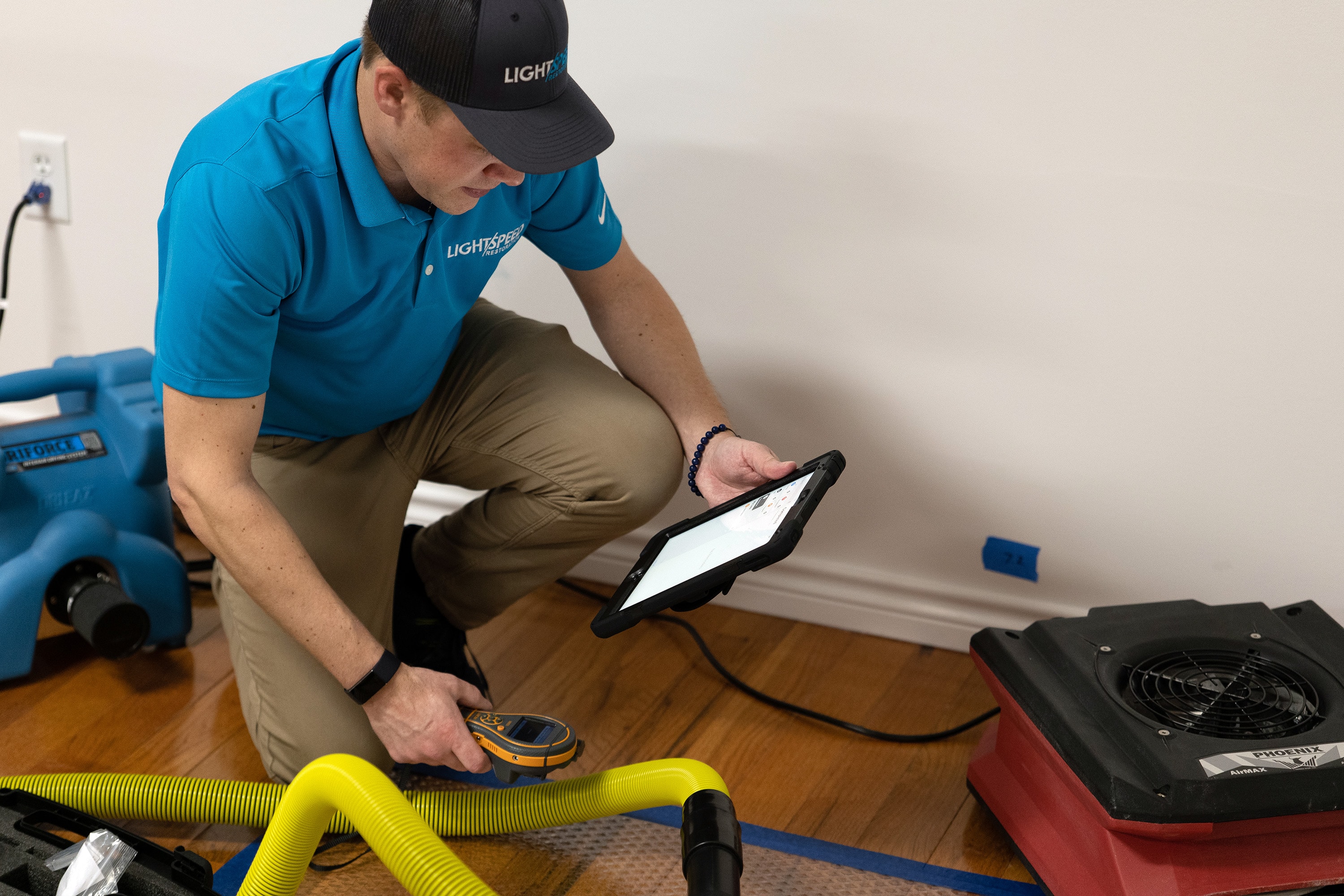
Dehumidifiers and fans are your best allies when drying out water damage. They improve airflow and reduce humidity, effectively drying out damp areas.
For best results, place multiple fans around the affected area. Fans move air across surfaces, enhancing evaporation. Meanwhile, dehumidifiers pull moisture from the air, lowering overall humidity.
Focus on positioning for optimal results—direct fans towards walls and moisture-prone areas. Adjust dehumidifiers for maximum efficiency, following manufacturer guidelines.
Removing Non-restorable Materials
Not all materials survive water damage. Some absorb water and don’t dry well, becoming breeding grounds for mold. As part of the water damage repair process, thorough removal of water, mold, odors, and other contaminants is essential to restore safety and cleanliness. Discard these non-restorable items.
Identify and remove soaked carpets, padding, and certain drywall sections. Unsalvageable saturated materials, such as soaked drywall or insulation, are removed and discarded during the restoration process. Once removed, they free up space for drying the underlying surfaces, reducing prolonged moisture exposure.
Certain fabrics and furnishings might not salvage well. Always consult a water damage expert for guidance on restoration options. Discard those irreparable, focusing on preserving the rest.
Cleaning and Disinfecting
Once the area is dry, cleaning and disinfecting become necessary. This step eliminates contaminants and prepares the space for repairs. It also kills bacteria and fungi present due to water exposure.
Start by clearing debris and dirt from the affected spaces. Use gloves and protective equipment to avoid exposure. Hard surfaces like floors and walls require thorough cleaning with soap and water.
After cleaning:
-
Apply disinfectants to inhibit microbial growth.
-
Use products that are effective against bacteria and mold spores.
-
Follow safety instructions when handling these chemicals to ensure safety and effectiveness.
Preventing Mold Growth
Mold prevention is an integral aspect of the cleaning process. To thwart mold, manage humidity levels, and clean thoroughly. Mold thrives in damp, unclean environments with little airflow. After water damage, professional mold removal services—including mold and mildew cleanup, mold treatment, and interior mold restoration—are essential to ensure a safe and healthy environment.
Ensure adequate ventilation by keeping windows open and fans running. This promotes a dry, inhospitable environment for mold. Regular inspections help detect and address potential mold sites early.
Consider using mold-inhibiting products in persistently high-moisture areas. These specialized products can significantly curb mold development and add an extra layer of protection against future mold outbreaks.
Specific Repair Scenarios
Certain areas of the home may require unique approaches during water damage repair. Storm damage is a common cause of water damage, often resulting in sudden and severe property issues that require professional attention. Tailored techniques ensure effective restoration and long-term resilience. Addressing damage appropriately prevents further structural issues.
For example, if waterlogged, wood and floor joists can suffer structural compromise. These materials need specific repair strategies to restore integrity. Ignoring these can lead to extensive and costly damage over time.
Choosing a reliable restoration company or water damage restoration company is crucial for managing the entire process from extraction and drying to mold remediation and repairs. These professionals offer emergency response, local experience, and insurance handling expertise. Permanent repairs during restoration include replacing drywall, installing new flooring, and repainting to return the home to its pre-loss condition.
Homeowners can benefit from understanding how to handle such repairs themselves. DIY strategies are helpful but often require knowledge and the right tools. In more complex cases, professional help may be necessary.
Here are some essential steps for addressing specific repair scenarios:
-
Identify and assess the extent of damage.
-
Remove or repair affected materials.
-
Use appropriate materials and techniques.
-
Ensure the area is properly sealed and ventilated.
Addressing these scenarios with proper care and attention will safeguard your property and investment.
How to Repair Floor Joists with Water Damage
Floor joists play a critical role in supporting floors. When water damages these, they can lose their strength and stability. Early detection and repair are vital to maintaining a safe home environment.
Begin by inspecting the floor joists for mold, rot, or warping signs. If water damage is present, dry the area thoroughly to prevent further decay. Use fans and dehumidifiers to ensure no moisture remains trapped.
Once dry, assess whether the joists are repairable or need replacing. For minor damage, treat the wood with a preservative after sanding away surface damage. If rot is extensive, replace the affected joists entirely to restore stability.
How to Repair Water Damage on Wood
Wood surfaces are susceptible to water damage, often resulting in discoloration, swelling, or warping. Effective repair methods can restore appearance and functionality. Patience and proper materials are essential to successful wood repair.
Start by thoroughly drying the wood surface before any repair work. This will prevent ongoing swelling or further damage. Use a hairdryer or fan to ensure the area is arid.
If swelling or warping has occurred, sanding can help level the surface. Once smooth, treat the wood with a sealant to protect against future water damage. Consider refinishing with stain or paint for discolored wood to achieve a uniform look. This approach can restore both the wood's aesthetics and durability.
Professional Water Damage Restoration Services
Professional water damage restoration in Austin offers significant advantages in managing water damage efficiently. Certified technicians and experienced technicians handle all aspects of water damage restoration, from leak detection to rebuilding, ensuring trusted and expert service. When selecting a restoration company, ensure that the technicians are IICRC certified to follow industry standards for safety and effectiveness. Homeowners should verify that the company is fully licensed, bonded, and insured to protect against liability. It is also important to select companies familiar with professional restoration standards, with a strong reputation, positive customer reviews, and local experience. Always choose a company with experienced and certified technicians for the best results. These experts bring experience, specialized equipment, and in-depth knowledge to address complex scenarios. They can diagnose issues that untrained eyes might miss.
Restoration professionals can expedite the drying process using industrial-strength equipment. Their methods remove all moisture, preventing mold growth and structural damage. They also have access to high-quality materials for more reliable repairs.
Engaging professional services can also simplify the insurance claim process. Many restoration companies work with insurers directly, ensuring smoother communication. This support alleviates stress, allowing homeowners to focus on returning their homes to normal.
When to Call in Experts for Emergency Water Repair
Knowing when to call in experts can save time and money. Situations involving contaminated water, significant structural damage, or electrical hazards require professional attention. These scenarios pose risks that trained experts can best manage.
Additionally, if initial DIY efforts could be more practical, consult professionals. Delays can worsen damage, increasing costs and recovery time. Engaging experts early can prevent further complications and secure your property and peace of mind.
Cost Considerations and Estimations
Understanding the costs associated with water damage repair is crucial for effective budgeting. Costs can vary significantly based on the extent of damage and the materials involved. Planning for these costs helps avoid financial surprises.
Another critical factor is the location of the damage within the property. Due to their complexity, repairs in hard-to-reach areas can be more expensive. Homeowners should be prepared for these variables when assessing potential costs.
It's advisable to obtain multiple quotes from different contractors. Comparing estimates ensures a competitive rate and can highlight services that offer better value. Always ensure that the quotes cover all aspects of the necessary repairs.
Water Damage Repair Cost Calculator
A water damage repair cost calculator can be a valuable tool. These calculators estimate the potential expenses by considering factors like the type of water damage and affected area size. They help homeowners plan by offering a rough cost estimate.
Users input information such as the damage type and affected materials. The calculator then produces an estimated cost range. While it's not a substitute for professional quotes, it is a useful preliminary tool. Using this calculator helps homeowners set realistic expectations before contacting professionals.
Factors Influencing Repair Costs
Several factors can influence the cost of repairing water damage. Material costs are a significant component. Different materials like wood, tile, or carpet may have varying repair or replacement costs.
The severity and type of water damage also play crucial roles. Damage from clean water is usually cheaper than damage involving contaminated water. These variables must be considered when estimating repair expenses.
Additional hidden costs, like mold remediation or structural repairs, can escalate total expenses. Understanding these factors helps homeowners prepare a more accurate budget and avoid unexpected costs during the repair process.
Working with Insurance Companies
Navigating water damage repairs involves working with insurance companies to secure the necessary funds. Understanding your insurance policy is crucial. Policies vary, and knowing your coverage can save time and stress later.
Start by promptly notifying your insurance provider about the damage. Delays can complicate claims, so timely communication is critical. Provide accurate details and be ready to answer questions about the incident.
Documenting the damage thoroughly assists in the claims process. Detailed records, including photographs and receipts, can support your claim. It may increase your chances of a fair settlement.
Tips for Water Damage Claims
When filing a water damage claim, clarity and detail are your allies. Make sure to keep a chronological record of events and correspondence with the insurance company, including dates, times, and specific conversations.
Feel free to follow up regularly with your insurer. Continuous communication demonstrates your engagement and ensures your claim is progressing. Staying proactive and informed during the claim process can significantly affect the outcome.
Preventative Measures and Maintenance
Preventing water damage is more cost-effective than repairing it. Adopting proactive measures can safeguard your property and preserve its value and integrity.
Regular inspections and maintenance routines help identify potential issues. This early detection can prevent minor problems from escalating into significant damage. A few simple practices can make a considerable difference.
Here's a list of crucial preventative measures:
-
Ensure proper drainage around your property.
-
Use dehumidifiers in areas prone to moisture.
-
Regularly clean gutters and downspouts.
-
Install sump pumps in flood-prone basements.
-
Inspect plumbing and appliances for leaks.
Integrating these practices into your routine can offer peace of mind. It can also deter future complications.
Waterproofing and Ventilation
Effective waterproofing and ventilation are vital to preventing water damage. Waterproofing basements and crawl spaces can protect against excessive moisture, making this step essential, particularly in areas with high rainfall.
Proper ventilation reduces humidity levels in your home. This is crucial in kitchens, bathrooms, and basements. Ensuring adequate air circulation can deter the growth of mold and mildew, which thrive in damp environments.
Regular Inspections and Gutter Maintenance
Scheduling regular home inspections is a smart strategy. Inspect your property, particularly areas prone to water intrusion, such as basements, roofs, and around windows.
Gutter maintenance is another crucial component. Clogged gutters can lead to water pooling around your foundation. Please make it a habit to regularly clear debris from gutters and downspouts to allow proper water to flow away from your home.
Conclusion: The Road to Recovery
Water damage can be a daunting obstacle. However, with the proper steps and knowledge, effective repair is achievable. Swift and thoughtful action is your best ally in restoration efforts.
This guide provides crucial steps and tips for managing water damage efficiently. Whether preventing future issues or dealing with current damage, being informed is critical. Dedication can restore and protect your property, ensuring a safe and comfortable environment for years to come. Implement the strategies outlined, and your road to recovery will be smoother.
For emergency water repair, contact Lightspeed Restoration of Austin. Our team is available 24/7 to restore your property or business quickly and efficiently.