

Discovering water inside a wall is often part of a larger water damage restoration issue in an Austin, TX home or business is more than just an inconvenience—it’s a potential threat to your property’s structure, air quality, and safety. Ignoring obvious signs of water inside a wall can lead to severe structural damage. Whether the cause is a hidden plumbing leak, a recent storm, or a foundation issue, the longer moisture remains trapped in your walls, the more severe the damage becomes and the greater the risk of serious structural damage if not addressed promptly.
At Lightspeed Restoration of Austin, we specialize in fast, effective emergency water removal in Austin, wall drying, and repairs. If you suspect water inside a wall, call us now at 512-428-8309 for immediate service.
Signs of Water Inside a Wall
It’s not always obvious when you’re dealing with water inside a wall, especially if the leak is behind drywall or insulation. Here are some common signs and telltale signs to watch for:
-
Peeling paint or bubbling wallpaper
-
Musty odor near walls or baseboards
-
Discoloration or water stains on drywall
-
Wet spots on ceilings, walls, or floors
-
Soft, wet, or warped wall surfaces
-
Sagging walls or drywall
-
Visible damage such as warping, mold growth, or water staining
-
Dripping sounds are coming from inside the wall
-
Wet walls that feel damp to the touch
-
Increased humidity or visible mold growth
-
Sudden spike in your water bill
-
Detaching baseboards
These symptoms may start subtly but often indicate a significant underlying issue. Inspecting interior walls for these telltale signs can help catch water damage early. If you notice one or more of these signs, don’t wait—prompt action can prevent structural damage and costly repairs.
Common Causes of Wall Water Intrusion
There are several reasons why water inside a wall might be occurring in Austin homes and commercial buildings:
-
Leaking or burst plumbing lines, especially in older homes
-
Burst pipes in Austin homes, can cause sudden wall saturation.
-
Faulty plumbing, including issues with pipe connections and fixtures
-
Plumbing leaks and leaking pipes hidden behind walls often lead to unnoticed water damage and higher water bills
-
Water heater failures or leaks, which can introduce water into wall cavities
-
Faulty appliances like washing machines or dishwashers with hidden hose leaks
-
Roof leaks that allow water to travel through the framing and into the walls
-
Cracks in the exterior siding or foundation
-
Rising groundwater is causing moisture intrusion through the foundation and into the walls
-
Flooding or heavy rainstorms, which Austin is no stranger to
-
HVAC condensation or poorly sealed ductwork inside walls
Each of these sources requires a tailored remediation plan—and that starts with proper detection. Water saturation of wall materials can lead to buckling, sagging, and an increased risk of mold growth and structural damage.
How to Find a Water Leak Inside a Wall
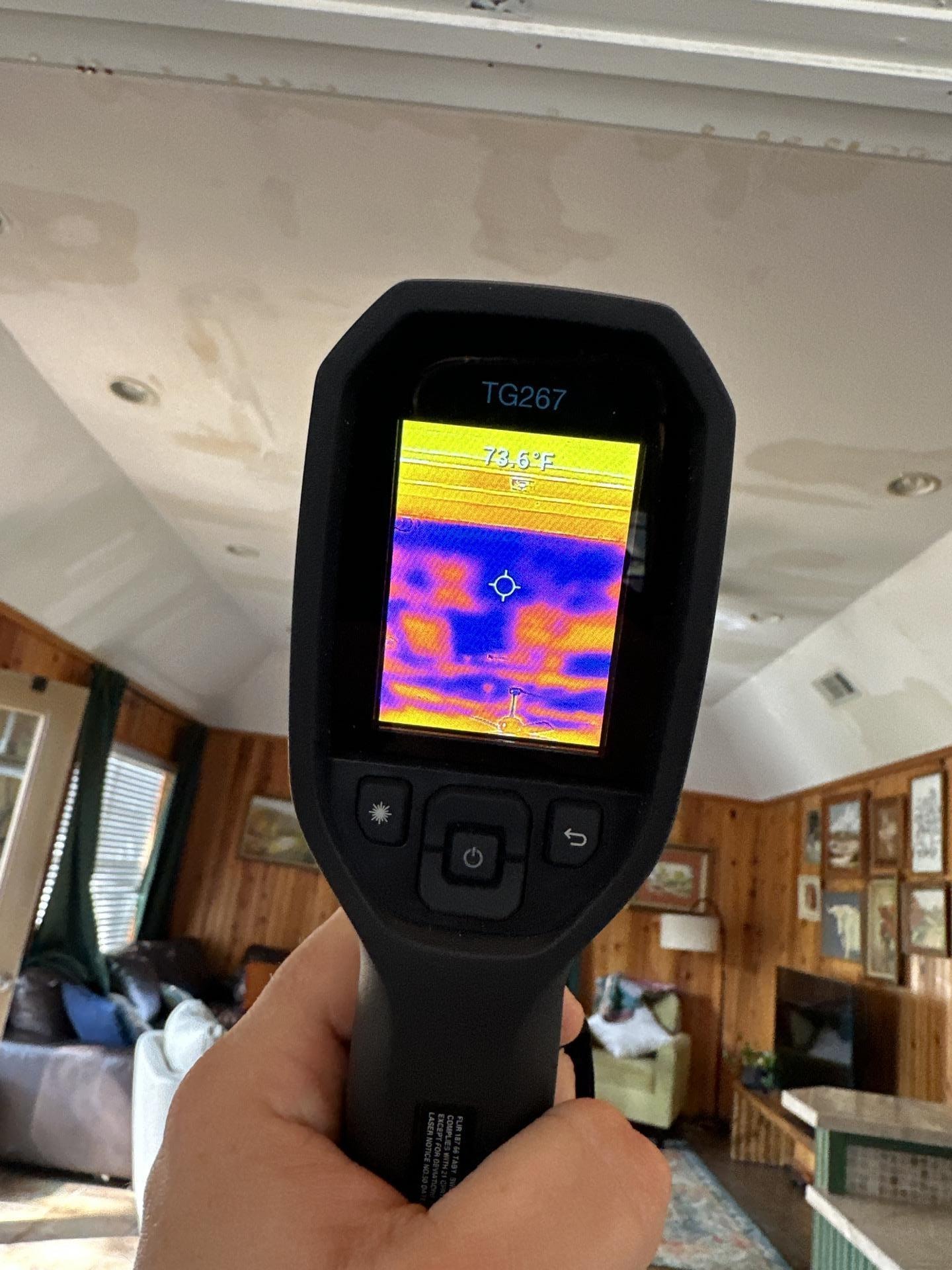
One of the most frequently asked questions we receive is: How to find a water leak inside a wall. Leak detection is most effective when performed in the early stages of water intrusion, as this can prevent more extensive damage. While you can identify some clues yourself, advanced tools and trained technicians are usually needed to pinpoint the source precisely. Here’s what professionals (and sometimes homeowners) use:
-
Visual inspection: The initial step in leak detection is a thorough visual inspection of wall surfaces and surrounding areas for signs such as discoloration, mold, or musty odors, especially in the early stages.
-
Moisture meters: These handheld tools measure the moisture content of materials without damaging them.
-
Infrared camera (thermal imaging): An infrared camera detects temperature differences and helps reveal hidden leaks by identifying wet areas or saturated spots within walls.
-
Inspection holes: In some cases, minor test cuts or camera scopes are used to inspect the interior of the wall cavity.
-
Acoustic sensors: Advanced tools can listen for leaks in pipes within walls.
-
Water meter reading: Monitoring your water meter after turning off all water sources can help detect leaks. If the reading changes, it may indicate a hidden leak.
-
Water shut-off testing: Turning off sections of plumbing and checking water meters can isolate whether the issue is plumbing-related.
While DIY methods, such as checking for musty odors or running your hand over cool spots, may help, a professional inspection ensures no damage is missed.
Professional Moisture Meter Detection and Wall Drying
At Lightspeed Restoration of Austin, we don’t just locate leaks—we handle the full scope of drying and repairs. Here’s how our team addresses water inside wall emergencies:
-
Immediate response – We’re available 24/7 and will arrive with moisture-detection equipment to assess the extent of the issue.
-
Immediate emergency water mitigation is critical to prevent mold and structural damage
-
If necessary, we isolate the affected area to prevent cross-contamination from mold or sewage.
-
Wall cavity drying – We use specialized drying systems (injectidry, dehumidifiers, and air movers) to thoroughly dry behind walls. If drywall has absorbed moisture, here’s how long drywall takes to dry after water damage.
-
Mold prevention – If mold is detected or likely, we treat the area with antimicrobial solutions and document all findings. Mold thrives in damp, hidden spaces behind walls, so prompt and thorough drying is essential to prevent its growth.
-
Repairs and Rebuild – Once the wall is dry, we can assist with drywall replacement, painting, and complete restoration to its pre-loss condition.
-
Insurance documentation – We provide moisture logs, drying reports, and photo documentation to help support your insurance claim.
Preventing Water Damage in Your Austin Home
Preventing water inside-wall issues starts with early detection and regular inspections—especially in Austin homes, where slab foundations, aging plumbing, and heavy storms are common.
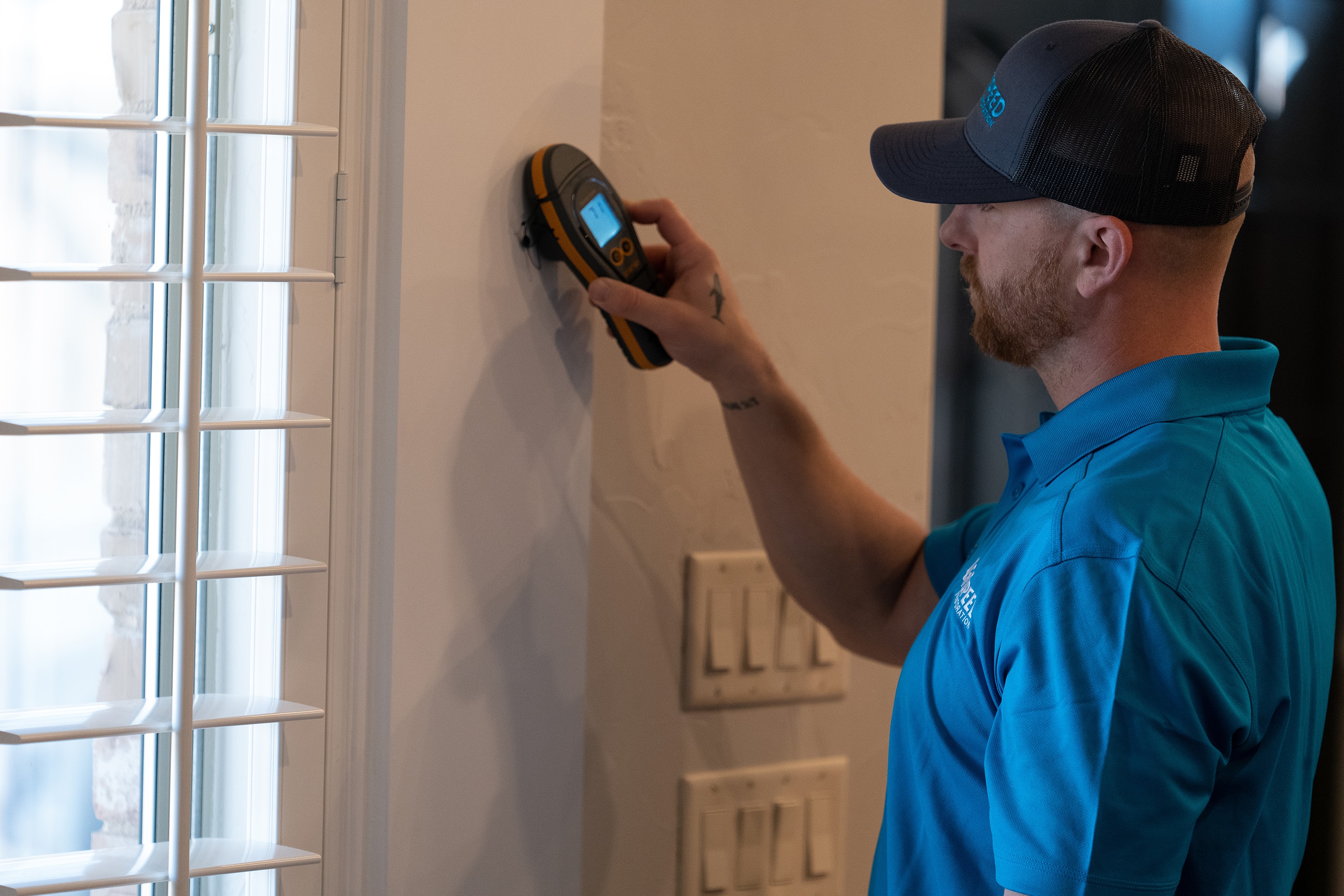
Because wall leaks are often hidden, small problems can go unnoticed until damage becomes extensive. A few proactive steps can dramatically reduce your risk:
Monitor your water bill.
An unexplained increase in water usage may indicate a hidden plumbing leak inside a wall cavity.
Check around plumbing walls.
Inspect walls near bathrooms, kitchens, laundry rooms, and water heaters for discoloration, bubbling paint, or soft spots.
Inspect AC condensate lines.
In Austin’s long cooling season, clogged or cracked condensate lines frequently cause hidden moisture buildup inside walls and ceilings.
Seal exterior penetrations.
Cracks in siding, improperly sealed windows, and foundation gaps allow rainwater intrusion during heavy storms.
Pay attention to musty odors.
A persistent smell near baseboards or inside closets can signal trapped moisture before visible damage appears.
If you ever suspect moisture behind a wall, early professional inspection is far less expensive than repairing structural damage or mold contamination later. Detecting and drying wall cavities quickly is the key to preventing long-term damage.
Why Choose Lightspeed Restoration in Austin, TX
Choosing the right water damage restoration company in Austin can make all the difference. Here's why homeowners and property managers trust Lightspeed:
-
Locally owned and operated – We are familiar with Austin's climate, construction styles, and common causes of moisture damage.
-
Fast dispatch – Our crews are strategically positioned throughout the Austin metro to respond quickly, 24/7.
-
Certified experts – Our technicians are IICRC certified in water damage restoration and applied structural drying.
-
Transparent pricing – We use Xactimate estimating software to provide clear, insurance-approved pricing.
-
Customer-first service – We treat your home with care, respect your time, and keep you informed every step of the way.
We're not just restoring walls—we're restoring peace of mind. Call us today at 512-428-8309.
Stop Water Inside a Wall Before It Gets Worse – Call Now!
If you suspect water inside a wall in your Austin, TX, property, don't delay. Trapped moisture can quickly lead to mold growth, rotted framing, and drywall collapse. Let Lightspeed Restoration of Austin respond fast and get your property dried, repaired, and protected.
Call us today at 512-428-8309 or request service online. We're standing by 24/7 to help.